
Key Facts
- Deciduous small tree or large shrub valued for fragrant white bell shaped flowers.
- Native to Japan and parts of eastern Asia.
- Typically blooms in late spring to early summer with pendant clusters of flowers.
- Prefers moist fertile well drained soil and slightly acidic conditions.
- Does best in full sun to part shade and often benefits from afternoon shade in hot climates.
- Generally grown as an ornamental specimen or small street tree.
- Attracts spring pollinators with fragrant flowers.
- Propagation is commonly by seed, semi ripe cuttings, or grafting for named cultivars.
Japanese Snowbell is a small deciduous tree prized for fragrant white, bell shaped flowers that hang in clusters in late spring. It is commonly used as an ornamental specimen or small street tree and performs best where soil stays moist and slightly acidic.
Identification
Styrax japonicus grows as a small tree or large shrub with a rounded habit and smooth gray bark. In May and June it produces pendant clusters of fragrant, white bell shaped flowers that attract spring pollinators. Leaves are simple and deciduous, giving the tree a clear seasonal outline.
Best uses and where to grow
Use Japanese Snowbell as a specimen focal point, in small urban yards, or as a street tree where space is limited. It is hardy in USDA zones 5 to 8. Colder sites near the low end may show winter dieback while hot dry sites can reduce vigor, so choose sheltered locations in extreme climates.
Soil and watering
The tree prefers moist, fertile, well drained soil with slightly acidic to neutral pH. Poor drainage can cause root decline, so improve heavy clay before planting and avoid sites that puddle. Regular watering through dry spells helps maintain flowering and leaf health, especially for young trees.
Light and placement
Plant in full sun to part shade. In warm inland climates provide afternoon shade to reduce heat stress and help leaves retain color. Placement near patios, walkways, or small lawns lets you enjoy the fragrant blooms while keeping the root zone mulched and evenly moist.
Size and growth
Japanese Snowbell typically reaches about 20 to 30 feet tall and spreads 15 to 25 feet depending on cultivar and pruning. Mature size depends on rootstock and site conditions. Plan spacing to allow the rounded crown room to develop and avoid tight confinement that forces frequent pruning.
Blooming and wildlife
Blooms appear in late spring to early summer, most commonly in May and June in the Northern Hemisphere. The fragrant bell flowers attract spring pollinators and create a noticeable seasonal display. Bloom timing and flower abundance vary with regional climate and cultivar.
Propagation
Propagate Japanese Snowbell by seed or semi ripe cuttings and use grafting for named cultivars when true to type material is required. Layering can work but is slower. Success depends on timing, stock quality, and local conditions so choose the method that suits your goals.
Managing spread and form
Natural spread is moderate and largely determined by form and pruning. Expect a broad rounded habit when left unpruned. Control spread with selective pruning to maintain a desired shape and to keep clearances for sidewalks or streets. Verify cultivar size before planting near structures.
Frequently asked questions
- How fast does Japanese Snowbell grow?
- Growth rate varies widely by climate, soil, and cultivar. Trees in warmer, fertile sites grow faster while plants in cooler or drier conditions develop more slowly. Mature specimens commonly reach their typical 20 to 30 foot height over multiple years depending on site quality.
- Is Japanese Snowbell hardy where I live?
- This species is generally hardy in USDA zones 5 to 8. Local microclimates and specific cultivars can shift performance so confirm hardiness for your area before planting.
- When does it bloom?
- Flowers usually appear in late spring to early summer, most often in May and June in the Northern Hemisphere. Exact weeks vary with regional climate and year to year weather.
- What soil does Japanese Snowbell need?
- It prefers moist, fertile, well drained soil with slightly acidic to neutral pH. Improve drainage in heavy clay and test pH before making major amendments.
- How is it propagated?
- Common methods include seed and semi ripe cuttings, with grafting used for named cultivars to maintain specific traits. Layering may be possible but takes longer.
Related Plants


Mentioned In (5)
Trees
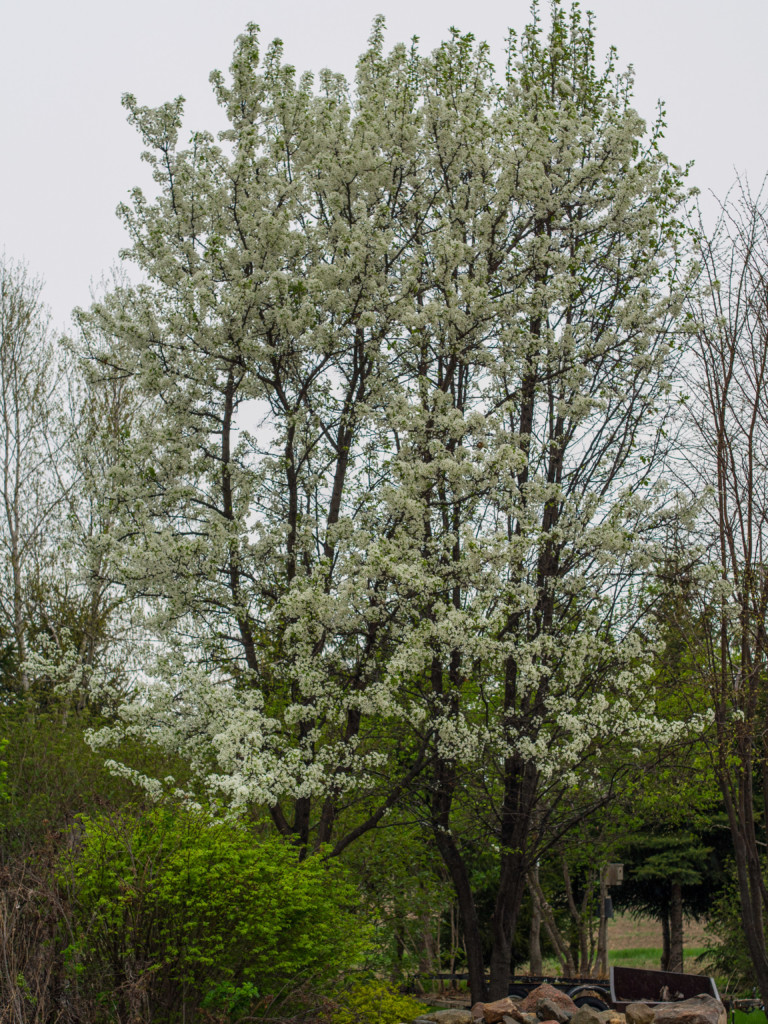
8 Highly Disease Resistant Trees
Disease-resistant trees make gardening and garden care way simpler by eliminating the added stress of disease control. You can put…
Trees
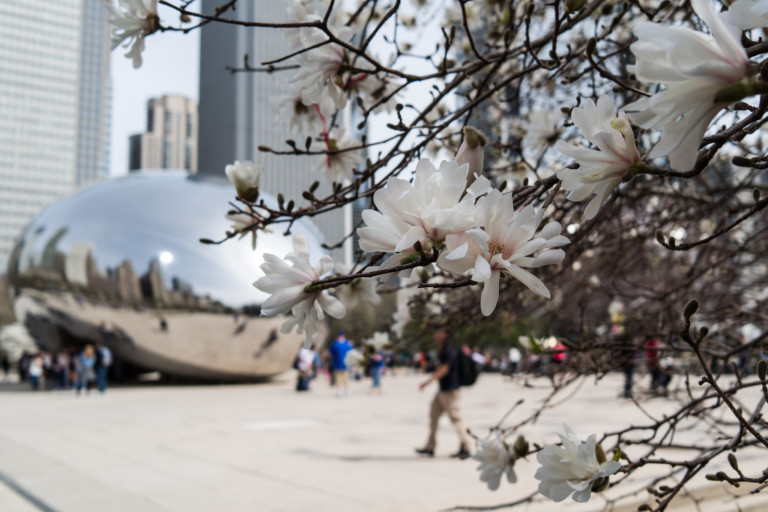
20 Beautiful Flowering Trees For Illinois Gardens
Are you looking to plant some exquisite flowering trees in your Illinois home? Well, you will be immensely pleased to…
Trees
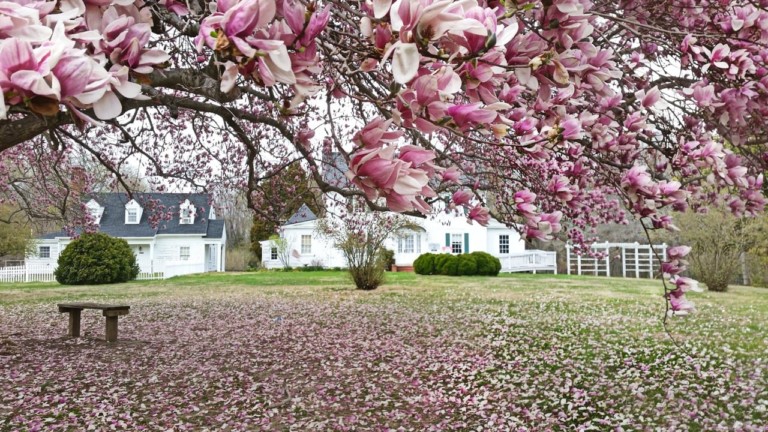
27 Flowering Trees For Virginia Gardens
Are you thinking of planting flowering trees in your Virginia home? Well, you’re in luck! There is no shortage of…

Trees
30 Great Flowering Trees For Alabama Gardens
Have you been looking for breathtaking flowering trees to plant in your home garden in Alabama? Well, you’re in luck!…

Trees
34 White Flowering Trees in Spring
Are you searching for white flowering trees to plant in your garden? Well, you’re in luck! There is a wide…