
Key Facts
- Deciduous small tree or large multi-stemmed shrub.
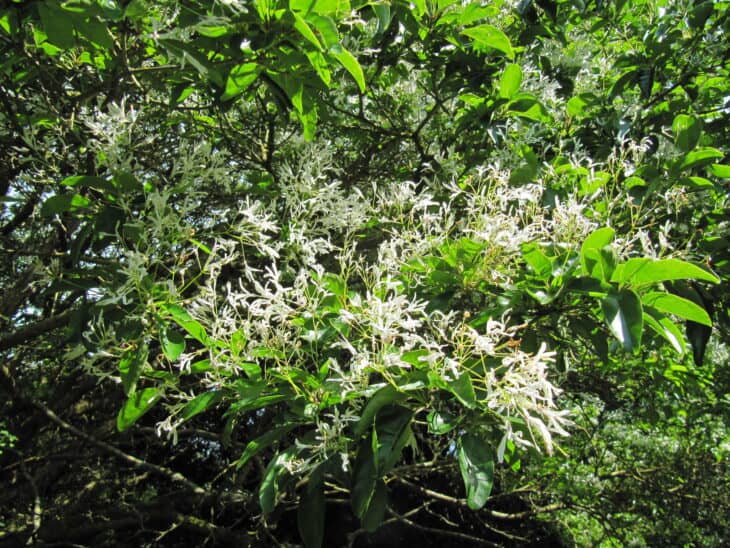
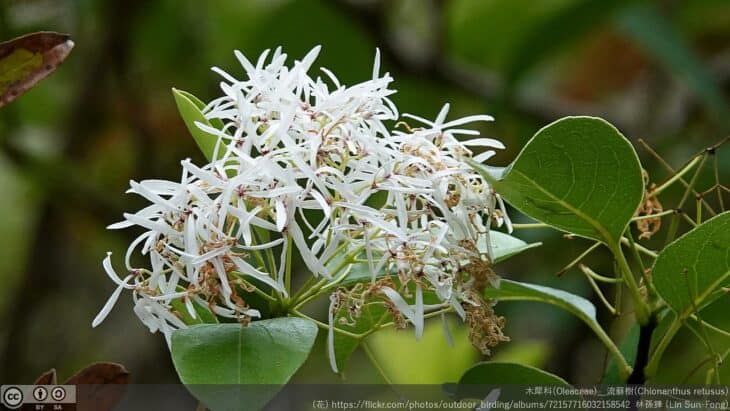
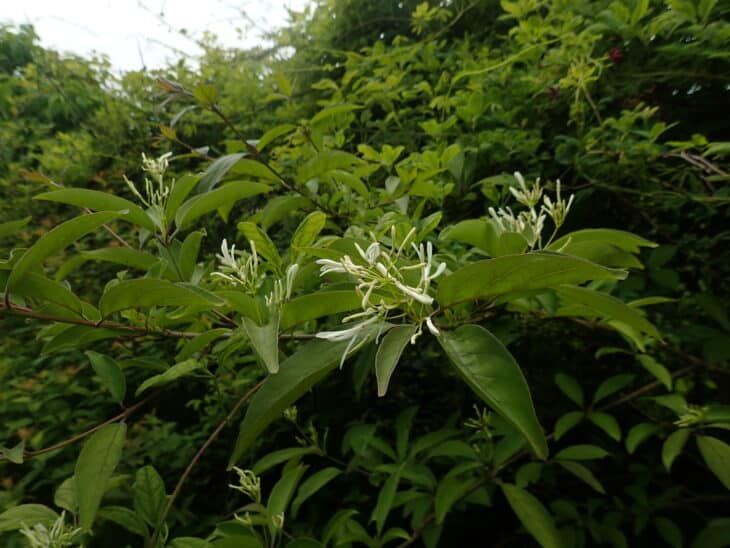
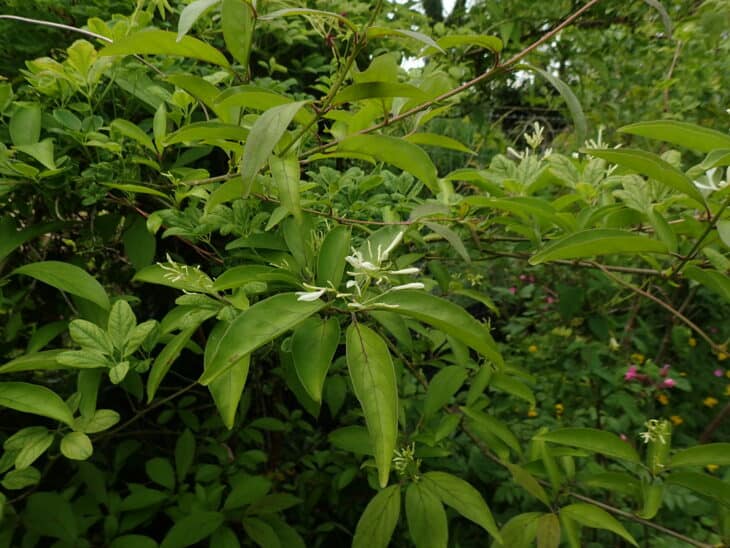
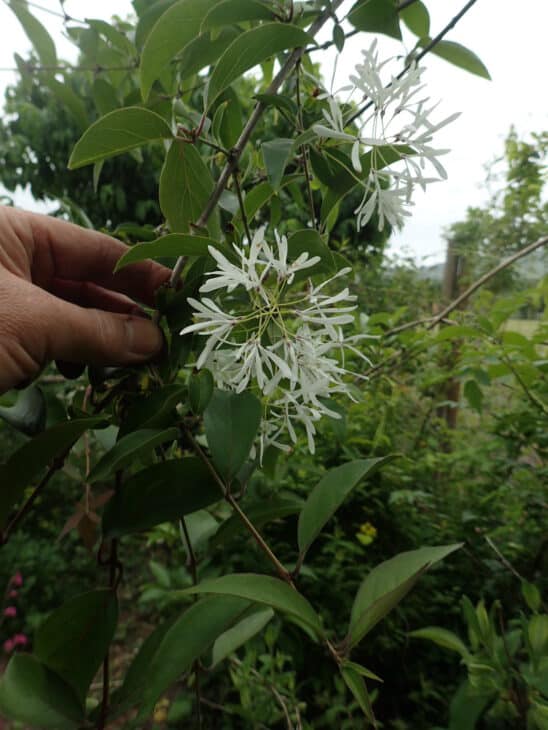
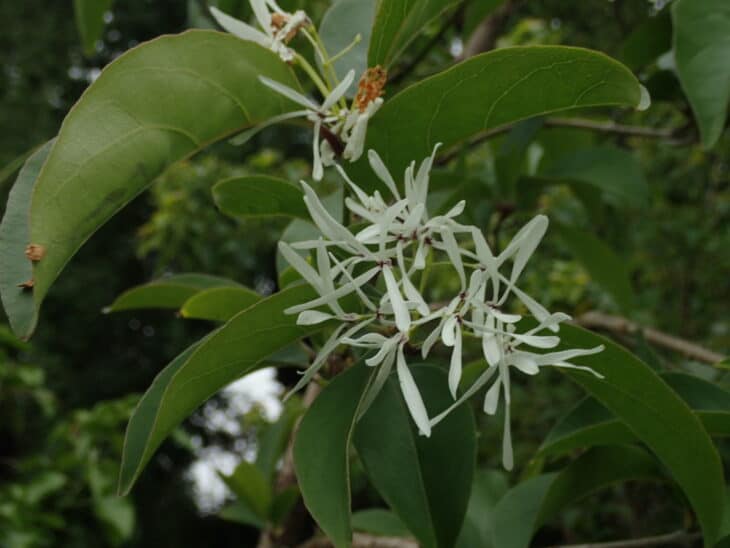
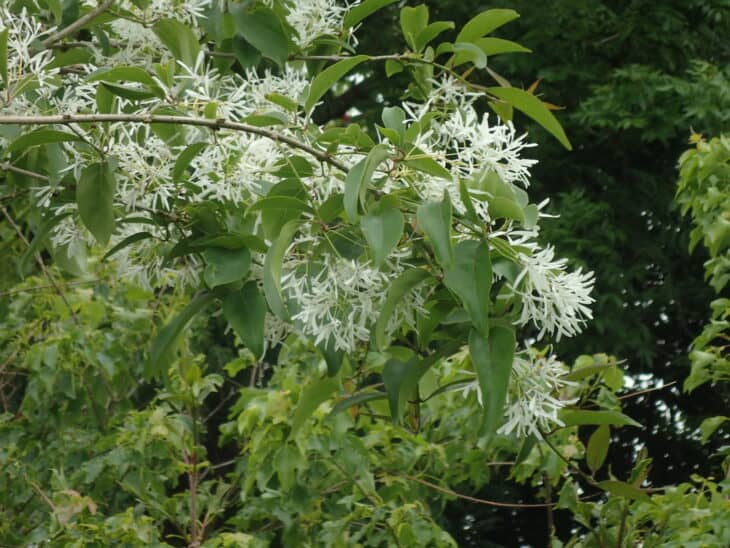
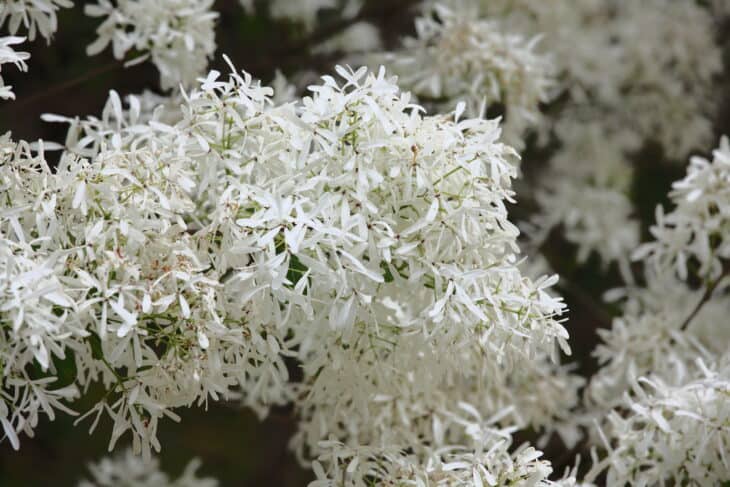
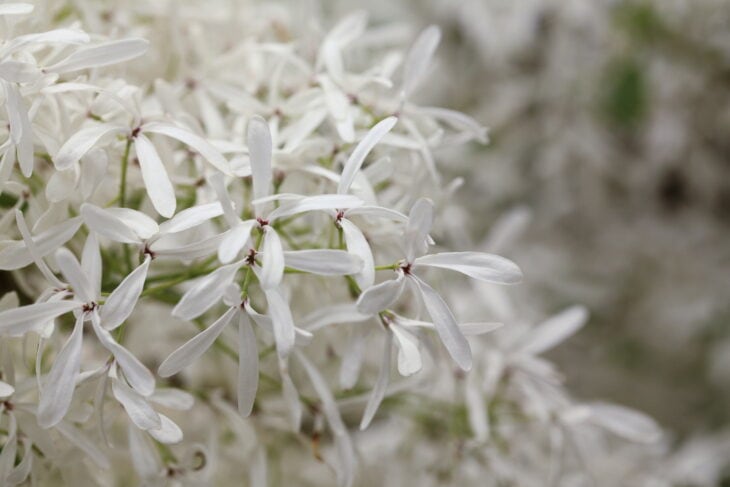
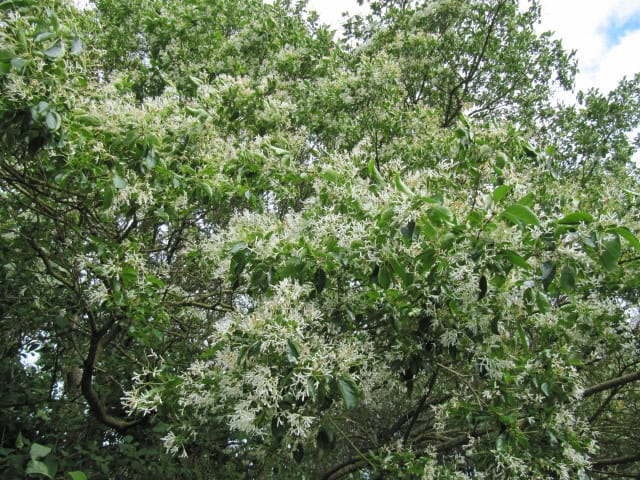
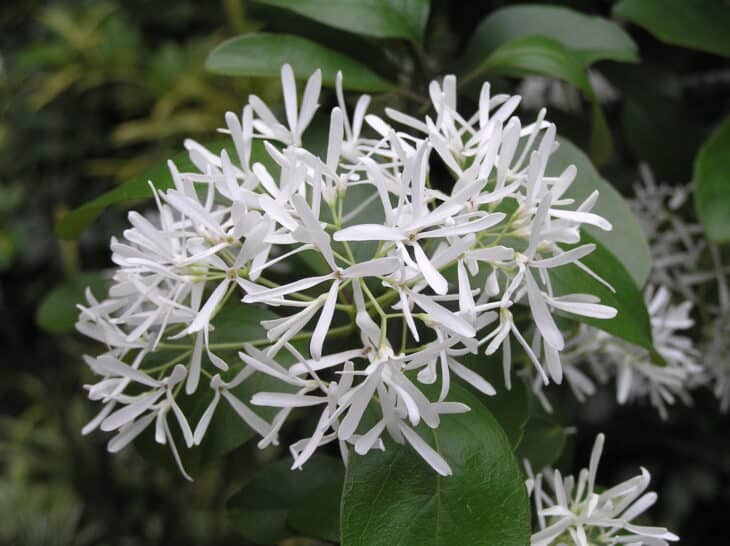
- Produces fragrant, narrow white fringe-like flowers in spring.
- Native to eastern Asia including China and Korea.
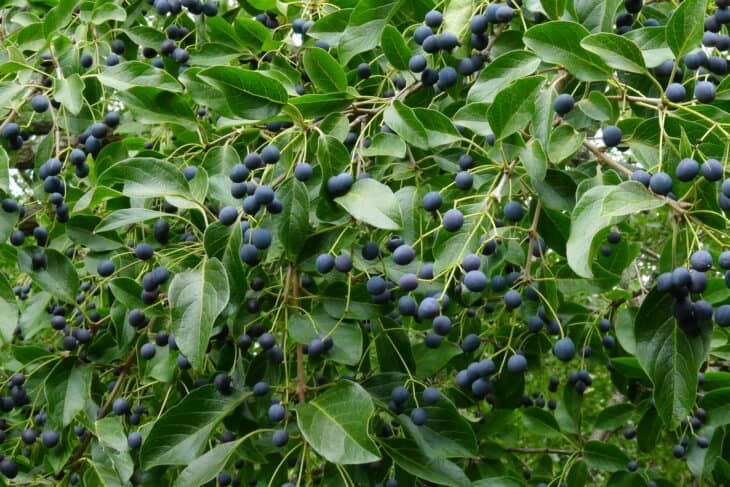
- Showy dark blue-black fruit follow flowers and attract birds.
- Tolerates a range of soils if drainage is adequate.
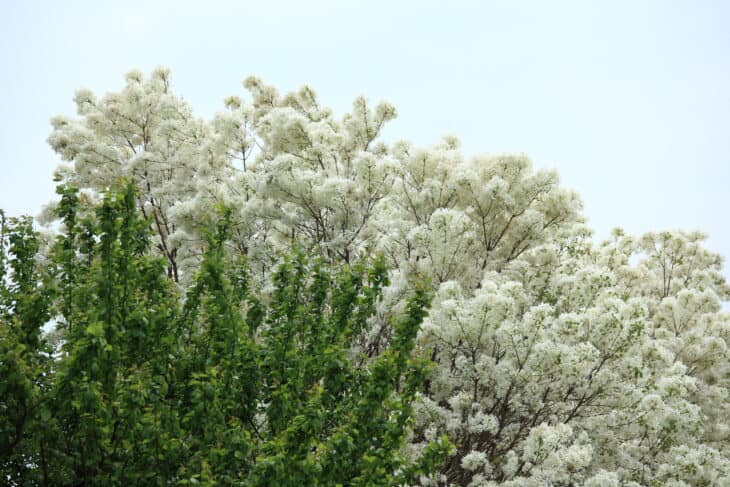
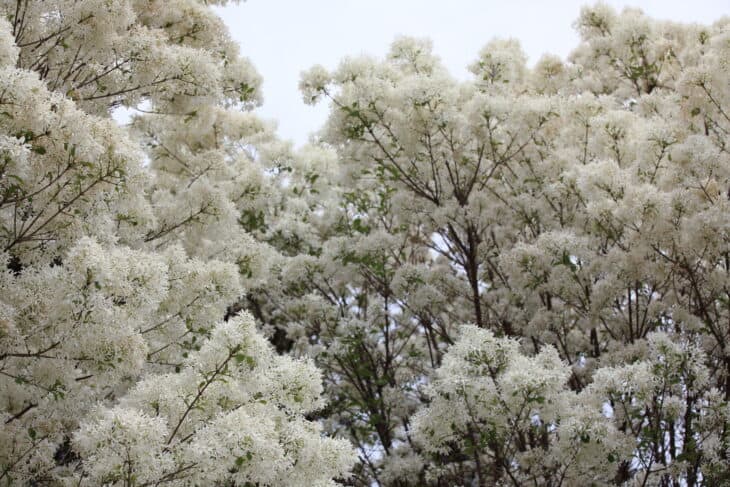
- Used in parks and streetscapes for spring floral display.
- Relatively low maintenance once established.
- Responds poorly to poorly drained soils and prolonged wet feet.
Chinese Fringe Tree is a small deciduous tree or multi-stemmed shrub prized for fragrant narrow white fringe-like flowers in spring and dark blue-black fruit that attract birds. It provides spring floral interest in small yards and streetscapes while requiring good drainage to avoid decline.
Identification
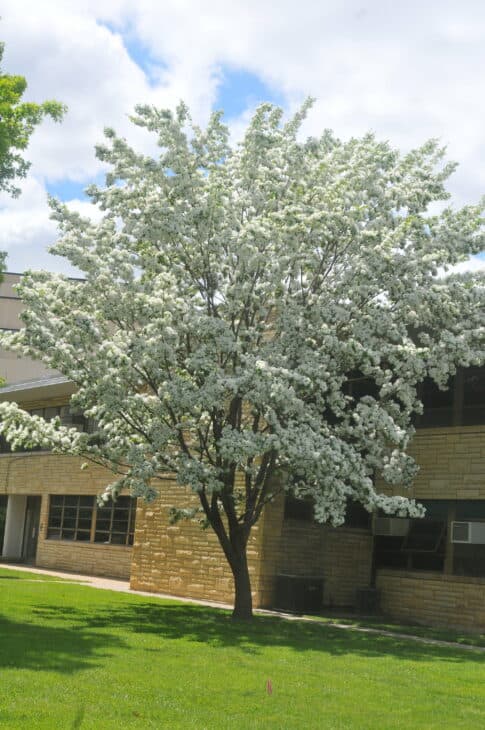
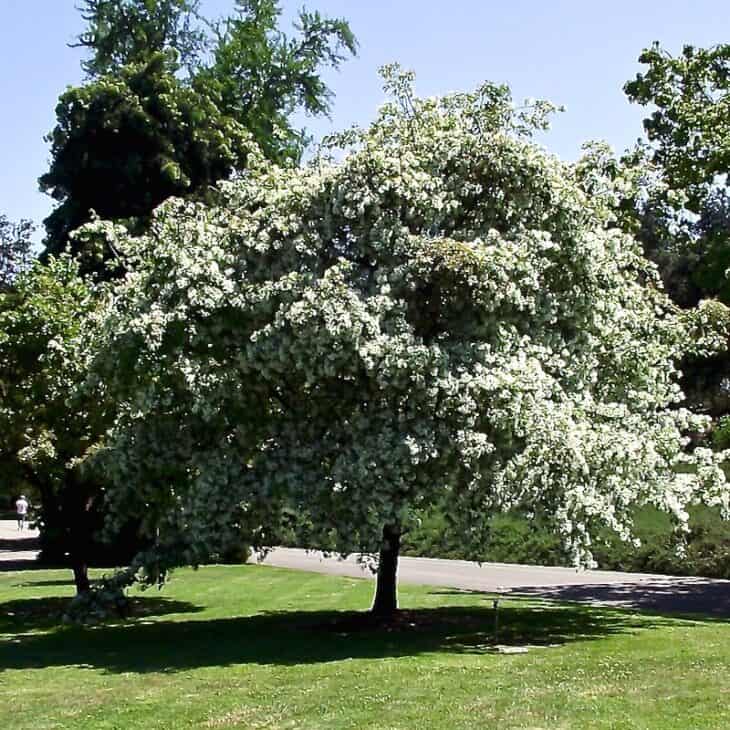
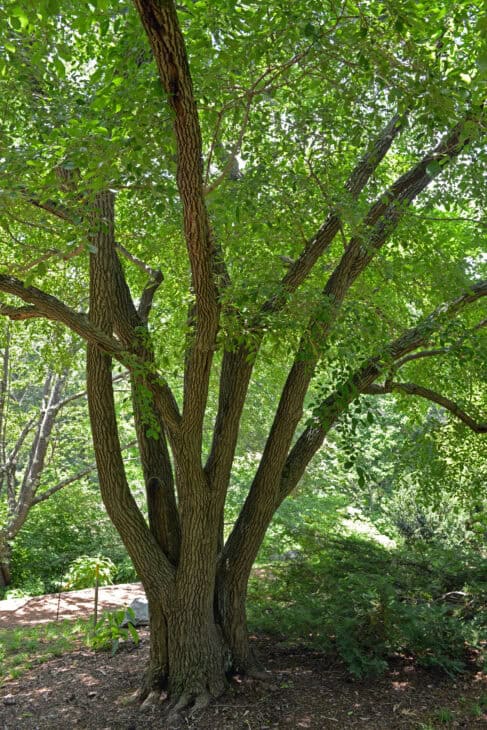
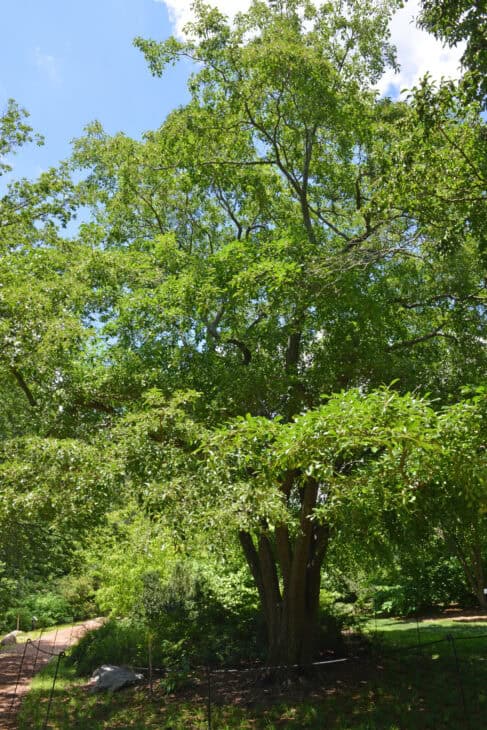
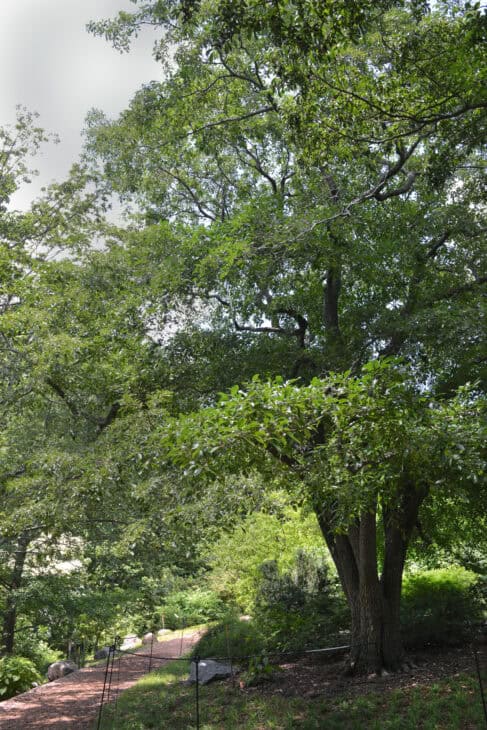
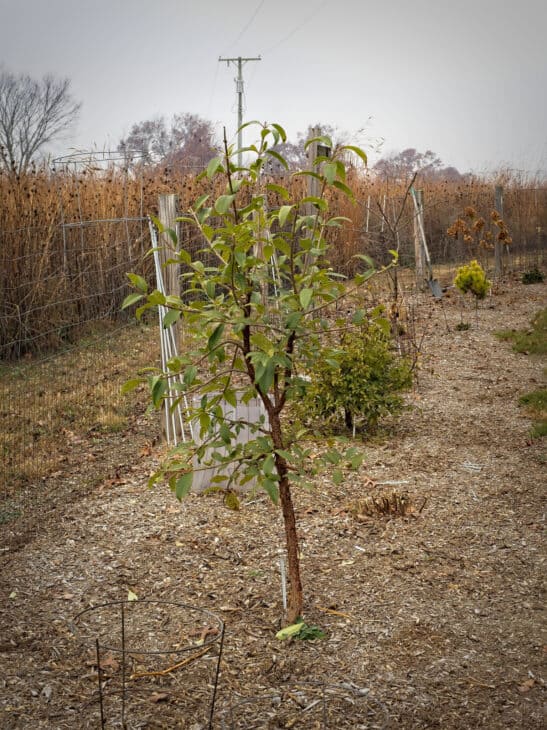
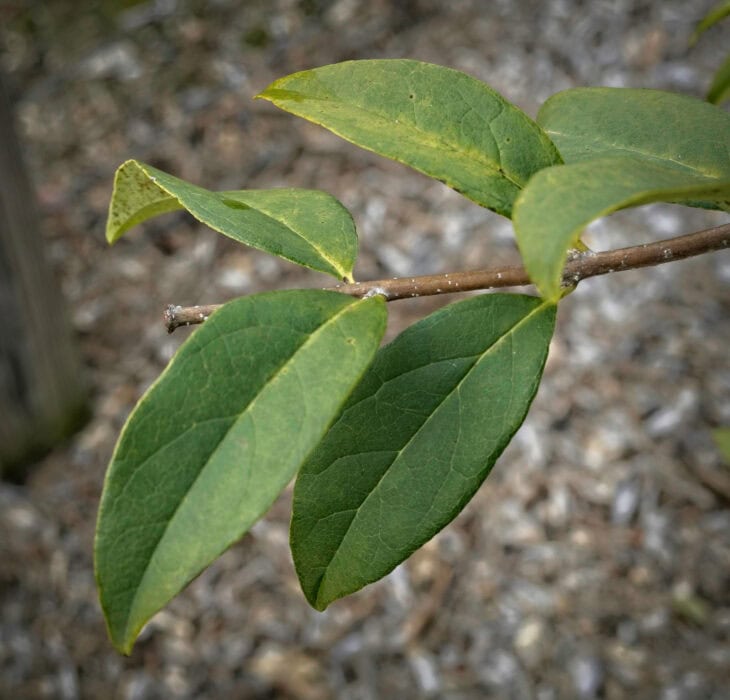
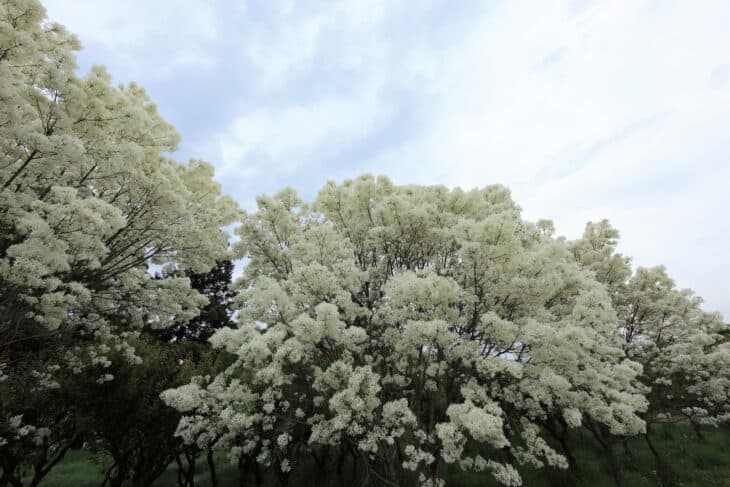
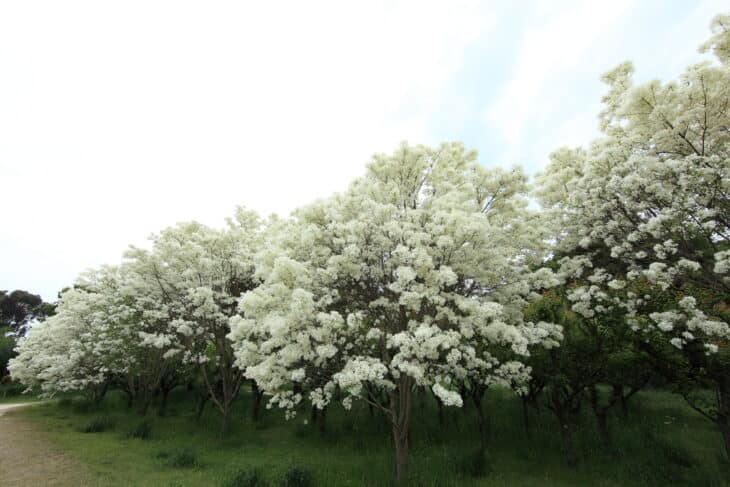
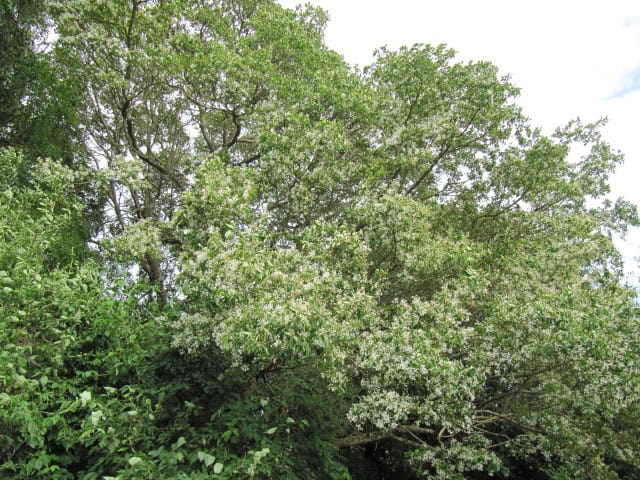
Chionanthus retusus is a deciduous small tree or large shrub typically 10 to 20 feet tall with a similar 10 to 15 foot spread. In spring it produces showy narrow white fringe-like blossoms followed by dark blue-black fruits. The multi-stemmed habit often creates a rounded crown used as a specimen or in mixed borders.
Best uses and where to grow
Use Chinese Fringe Tree as a spring-flowering specimen in small yards, mixed borders, parks or streetscapes where space is limited. It performs well in urban plantings and park settings, tolerating a range of soils provided drainage is adequate. Expect the best floral display in locations receiving full sun to part shade.
Soil light and watering
Prefers fertile moist but well-drained soil and tolerates clay when not waterlogged. Avoid low spots and poorly drained sites because prolonged wet feet cause root loss and decline. Plant in full sun to part shade; more sun improves flowering while afternoon shade helps leaf health in hot climates.
Planting and spacing
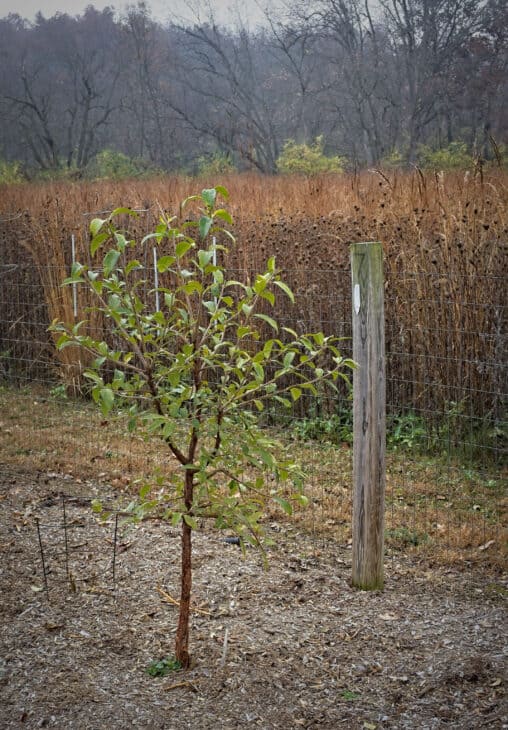
Select a planting site with good drainage and room for a 10 to 15 foot mature spread; space plants accordingly to avoid crowding. Plant at the same depth as the nursery rootball and firm soil gently around roots. Mulch to conserve moisture but keep mulch pulled slightly away from the trunk to reduce rot risk.
After-flowering care and maintenance
After flowering, remove any dead wood and thin congested stems to maintain shape and air flow since pruning influences ultimate spread. Routine maintenance is relatively low once established. Monitor wet spots and correct drainage issues promptly because long periods of saturated soil lead to decline.
Propagation and cultivars
Propagate Chinese Fringe Tree from seed, soft or semi-ripe cuttings, by layering or by grafting for named cultivars. Seedlings may not come true to type so grafting preserves cultivar traits. Division of suckers can be used where plants form multi-stemmed clumps.
Frequently asked questions
- How fast does Chinese Fringe Tree grow?
- Growth rate varies with site fertility and moisture. It commonly reaches its mature 10 to 20 foot height over several years, with pace depending on local conditions and care.
- What USDA zones are suitable?
- Chinese Fringe Tree is generally suitable for USDA zones 5 through 9, with local microclimate affecting survival and flowering intensity.
- Does it attract wildlife?
- Yes. The dark blue-black fruit that follow the flowers are eaten by birds and help attract wildlife to the landscape.
- Can it tolerate clay or poor soils?
- It tolerates clay and average garden soils if drainage is adequate. Very poorly drained or waterlogged sites cause decline and should be avoided.
- Is Chinese Fringe Tree toxic to pets or people?
- No major toxicity warnings appear in botanic profiles, but definitive confirmation from poison control or veterinary sources is recommended before advising on pet and child safety.
Gallery


Related Plants


Mentioned In (6)

Trees
8 Highly Disease Resistant Trees
Disease-resistant trees make gardening and garden care way simpler by eliminating the added stress of disease control. You can put…
Trees
30 Most Common Trees in Kansas
Kansas is home to a wide range of trees, from the tall and hardy oak tree that can grow up…
Trees
20 Beautiful Flowering Trees For Illinois Gardens
Are you looking to plant some exquisite flowering trees in your Illinois home? Well, you will be immensely pleased to…

Trees
30 Great Flowering Trees For Alabama Gardens
Have you been looking for breathtaking flowering trees to plant in your home garden in Alabama? Well, you’re in luck!…

Trees
27 Best Flowering trees For California by Color
Are you looking forward to planting breathtaking flowering trees in your Cali garden? You will be ecstatic to know that…

Trees
34 White Flowering Trees in Spring
Are you searching for white flowering trees to plant in your garden? Well, you’re in luck! There is a wide…