
Key Facts
- Native to the southeastern United States.
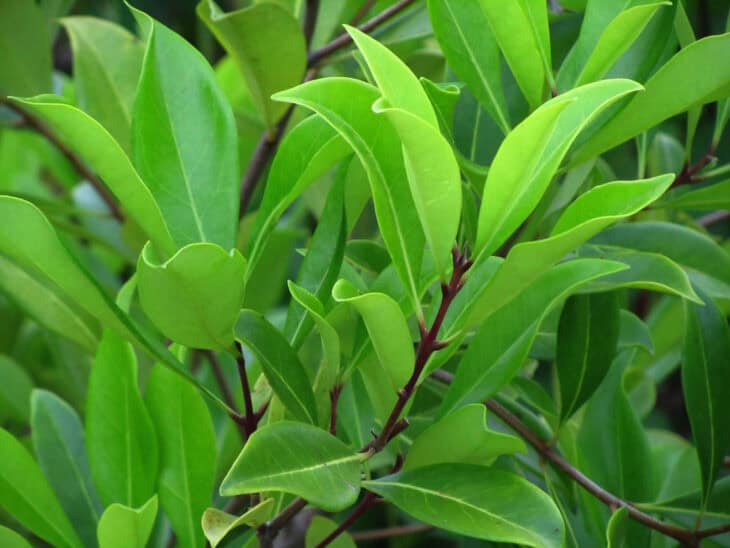
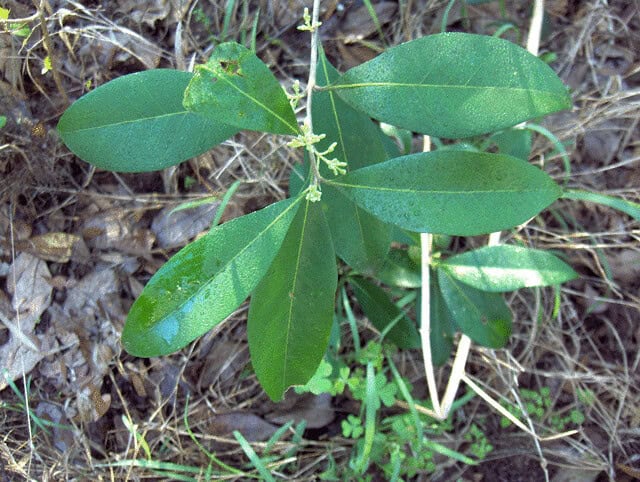
- Evergreen shrub or small tree with glossy leaves.
- Fragrant white flowers appear in spring.
- Produces small dark drupes that attract birds.
- Tolerant of shade and used in understory plantings.
- Performs best in moist well drained soils but tolerates heavier soils.
- Used as a screen shrub or informal specimen.
Devilwood is an evergreen shrub or small tree with glossy leaves and fragrant white spring flowers. It suits shaded or partially shaded sites as an understory plant or informal screen and produces small dark drupes that attract birds.
Identification
Evergreen foliage stays glossy year round and plants produce highly fragrant white flowers in spring, typically March to April in many parts of its range. Mature plants usually reach about 8 to 20 feet tall with a 6 to 12 foot spread, forming a dense multi-stemmed shrub or small tree used for screening or specimens.
Where to Grow Devilwood
Recommended for USDA hardiness zones 7 through 9, Devilwood performs best in part shade to shade and tolerates full sun only where soil moisture is adequate. It is well suited to understory plantings beneath taller trees, mixed shrub borders and informal hedges where a shade-tolerant evergreen is desired.
Planting time and spacing
Plant new specimens when soil is workable in spring or fall so roots can establish before extreme summer heat or winter cold. Space plants roughly equal to their mature spread, generally 6 to 12 feet apart, to allow a natural screen and reduce future pruning needs in established beds.
Soil and watering
Devilwood prefers moist, well drained soils and humus rich substrates but adapts to heavier clay soils when drainage is adequate. Avoid waterlogged sites. Keep young plants evenly moist until established. In sunnier sites maintain consistent soil moisture to prevent stress and reduced growth compared with shaded locations.
After-flowering care and pruning
Prune immediately after flowering to shape plants and control spread while avoiding removal of next season’s flower buds. Light thinning opens the canopy to improve air circulation and reduce shaded lower branches. Older plants respond well to rejuvenation pruning if reduced size is needed.
Propagation
Devilwood can be grown from seed, semi-hardwood cuttings and by layering. Seeds germinate slowly and may need stratification. Semi-hardwood cuttings taken in summer tend to root more reliably, especially when treated with rooting hormone. Choose the method that fits your timeline and available nursery stock.
Pests and safety notes
No widespread serious pest or disease problems are reported for this species, though local issues can occur as with any shrub. Fruit is eaten by birds. Toxicity to people and pets is not well documented and varies by source, so consult local poison control or animal health resources before asserting safety around children or pets.
Frequently asked questions
Short answers to common practical questions about planting and care.
- How fast does Devilwood grow?
- Growth is generally moderate. Many plants reach between 8 and 20 feet tall in cultivation depending on site conditions, fertility and pruning frequency.
- Is Devilwood evergreen?
- Yes. Leaves remain glossy and evergreen in suitable climates, especially within its hardiness range of zones 7 to 9.
- Can Devilwood grow in full shade?
- It tolerates deep shade and performs well in part shade. In full sun it can do well only if the soil remains consistently moist.
- Are the fruits attractive to wildlife?
- Yes. The small dark drupes are eaten by birds and help attract wildlife to the garden.
- Is Devilwood toxic to pets or children?
- Toxicity is not well documented in major poison control listings. Check local poison control or the ASPCA database to confirm safety for specific concerns.
Gallery
Related Plants


Mentioned In (2)

Trees
8 Salt Resistant Trees
High salt levels in the soil can prevent your tree from absorbing enough water, burn its leaves, and in worst…

Trees
31 Most Common Trees in Florida
Florida – the Sunshine State – is known for its beautiful sandy beaches and warm weather. Like several other U.S.…