
Key Facts
- Small ornamental tree or large multi-stemmed shrub.
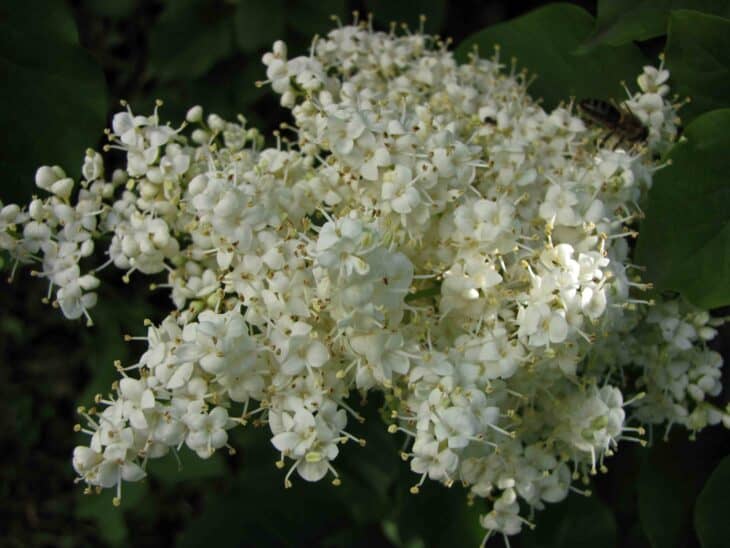
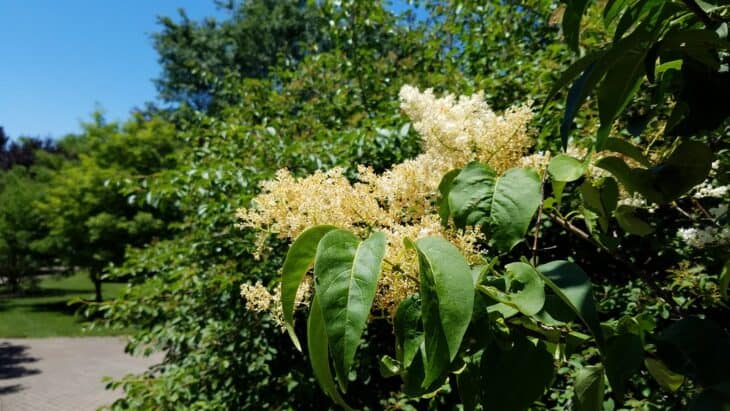
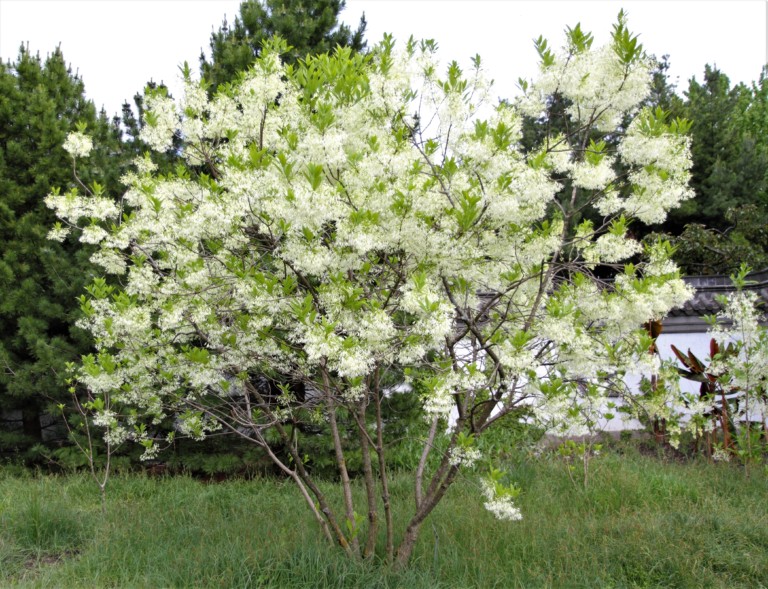
- Showy, fragrant clusters of creamy white flowers in late spring to early summer.
- Native to Japan and neighboring parts of northeastern Asia.
- Used as a street tree and specimen tree because it tolerates urban conditions.
- Prefers well drained soils but tolerates clay and alkaline soils.
- Best flowering occurs in full sun and it tolerates light shade.
- Prune after flowering to avoid cutting off developing flower wood.
- Propagated by seed, cuttings, layering and commonly by grafting for named cultivars.
Japanese Tree Lilac (Syringa reticulata) is a small ornamental tree or large multi stemmed shrub prized for fragrant creamy white flower clusters in late spring. It tolerates urban conditions and is commonly used as a street or specimen tree where hardiness and a strong flower show are needed.
Identification
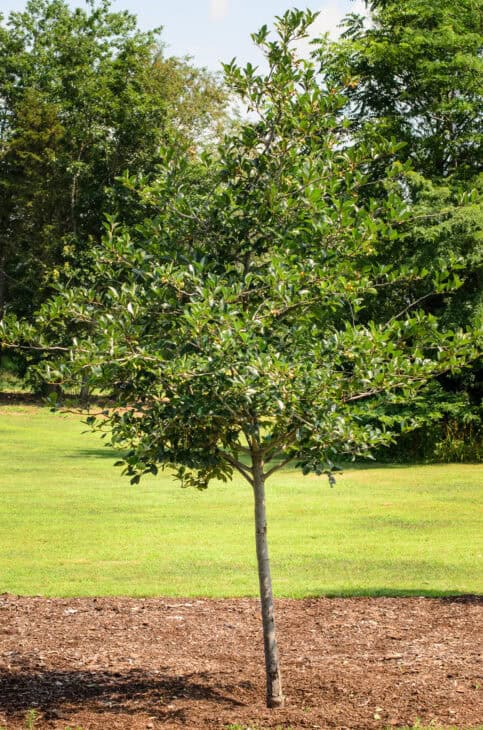
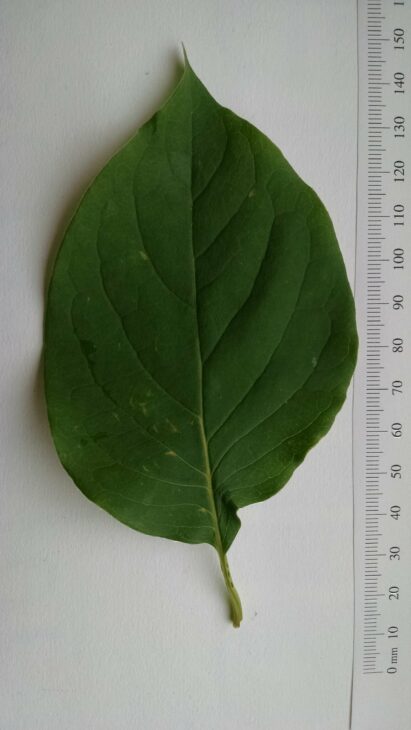
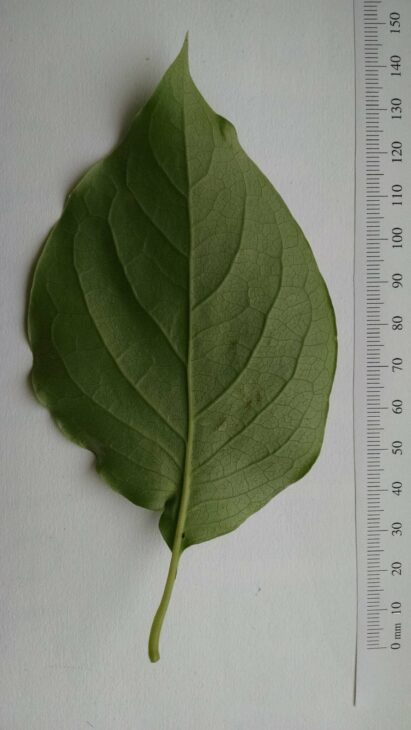
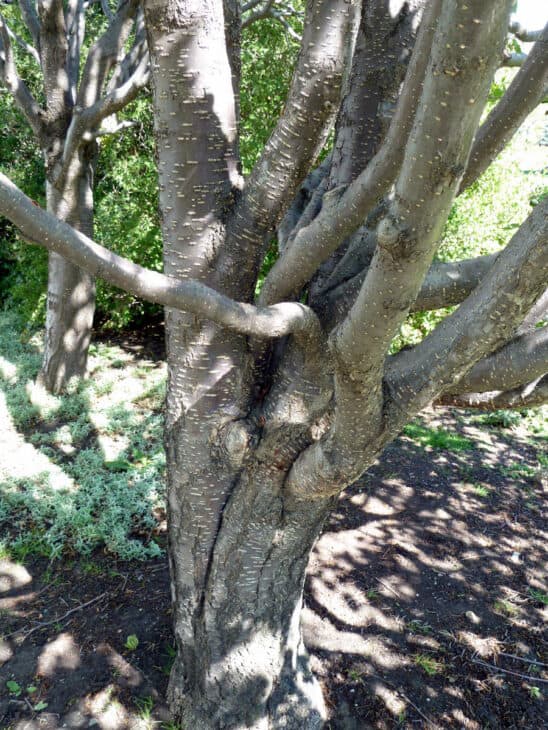
Japanese Tree Lilac grows as a small tree often 20 to 35 feet tall with a broad crown 15 to 25 feet across depending on form. In late spring to early summer it produces showy fragrant creamy white panicles that distinguish it from common shrub lilacs. Leaves are simple and glossy.
Where to grow and best uses
Use this lilac as a street tree specimen or a focal point in mixed borders because it tolerates urban soils and pollution. It does best in full sun for peak flowering yet will tolerate light shade at the cost of fewer blooms. Hardy in USDA zones 3 to 7 so it suits many temperate landscapes.
Planting and spacing
Plant where a mature crown of 15 to 25 feet will fit without crowding buildings or utility lines. Place the root flare at soil level and avoid deep planting that can stress the tree. Allow room for a trunk or multiple stems and space trees at least the lower end of their mature spread to prevent future crowding.
Soil light and watering
Prefers fertile well drained loam but tolerates clay and alkaline urban soils. Avoid waterlogged sites since poor drainage leads to root rot and decline. Give regular water while roots establish and then reduce frequency once the tree is established because mature trees tolerate typical urban moisture fluctuations.
After flowering care and pruning
Prune after flowering to avoid cutting off developing flower wood for next season. Remove dead or crossing branches to maintain a clear crown and thin any crowded stems if the tree is grown as a specimen. Light corrective pruning keeps a tidy shape without sacrificing the following year’s blooms.
Propagation and spread control
Propagate by seed, suckers, softwood and hardwood cuttings, layering and grafting with named cultivars usually grafted on rootstock. Some forms produce suckers so remove unwanted shoots at the soil level to prevent thickets. Grafting preserves cultivar traits while suckers can be used for replacement plants if needed.
Frequently asked questions
- How fast does Japanese Tree Lilac grow?
- Growth speed varies with site, rootstock and care. Under good conditions it reaches its typical mature height over several years rather than months.
- When does it bloom?
- Blooms appear in late spring to early summer, typically May to June in temperate Northern Hemisphere climates, with timing shifting by local climate.
- What hardiness zones suit it?
- Suitable for USDA zones 3 to 7. Local microclimates and rootstock can alter winter performance.
- Is it toxic to pets?
- Generally considered non toxic to dogs and cats though ingestion may cause mild gastrointestinal upset. Confirm severe exposures with local poison control.
- Can it be used in cities?
- Yes. It tolerates urban soils and pollution which makes it a common street tree and specimen choice.
Gallery

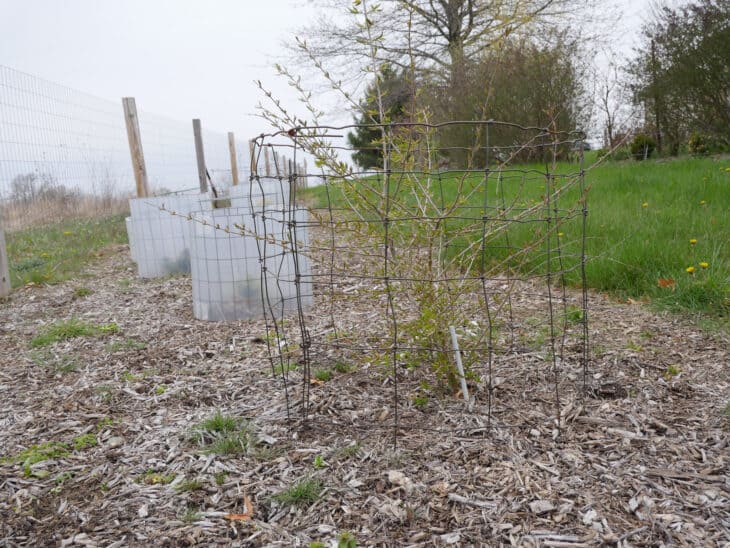
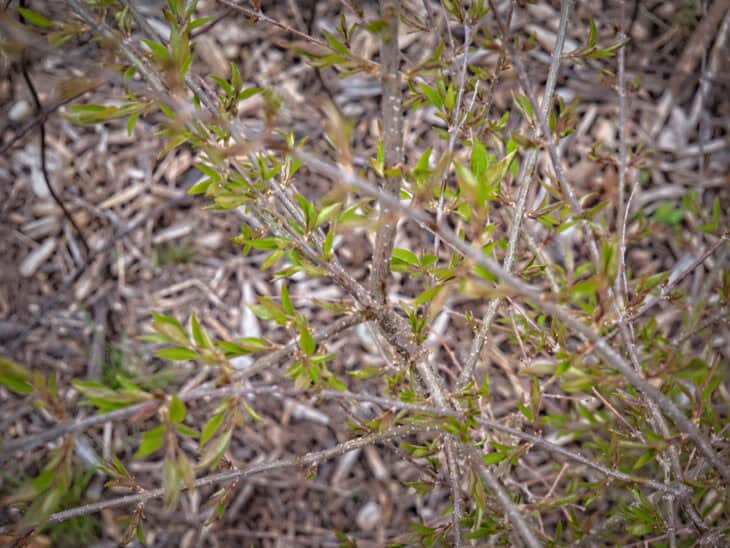
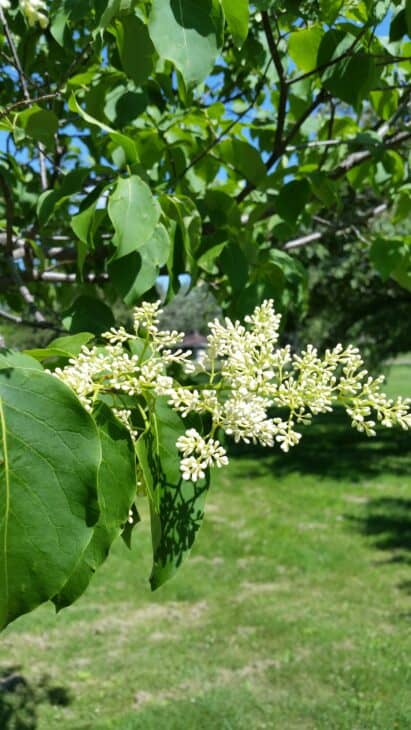
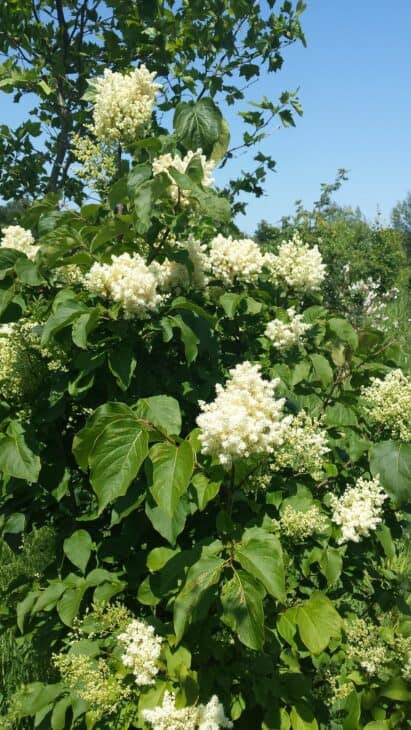
Related Plants


Mentioned In (1)

Trees
20 Flowering Trees for Ohio, by Color
Some of the best flowering trees for Ohio are native: eastern redbud, flowering dogwood, serviceberry, pagoda dogwood and fringe tree.…