
Key Facts
- Evergreen conifer native to coastal Japan and Korea.
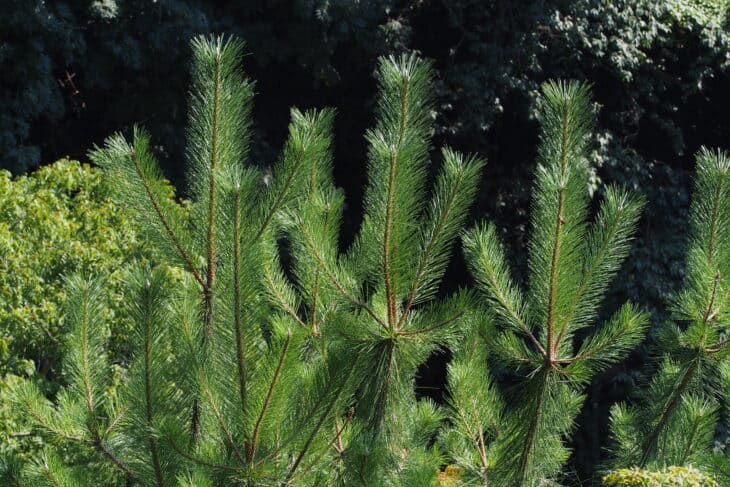
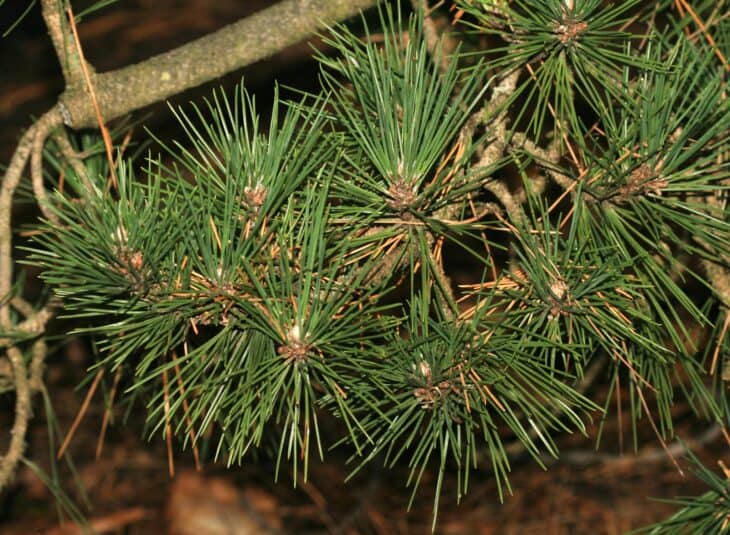
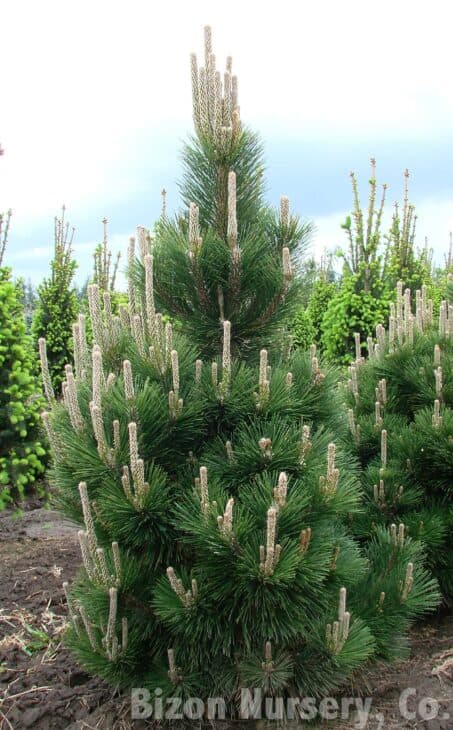
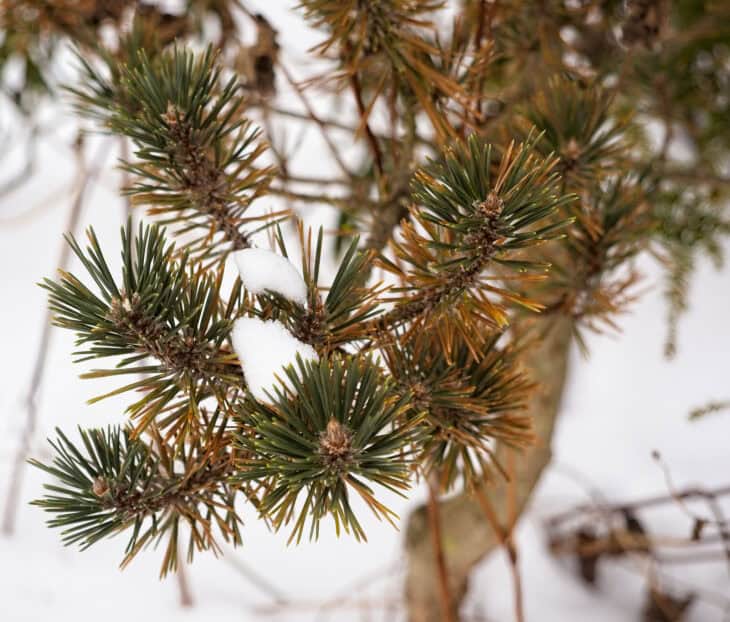
- Needles typically in bundles of two and dark green in color.
- Tolerant of salt spray and urban conditions.
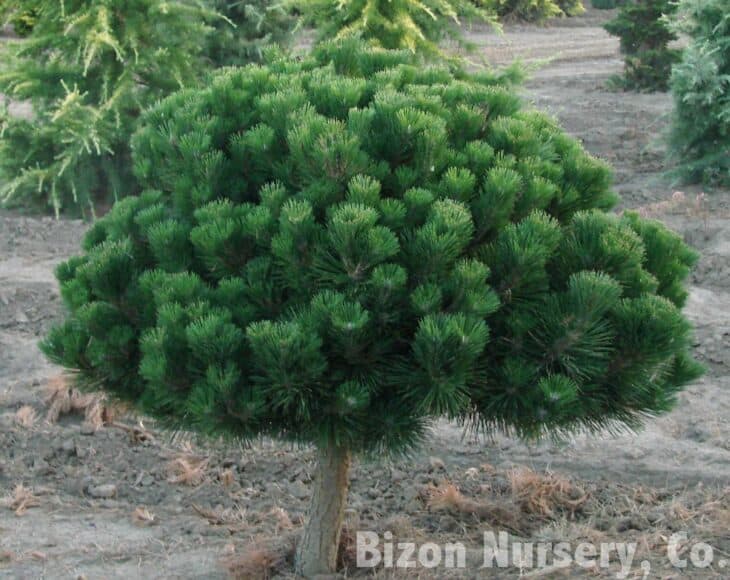
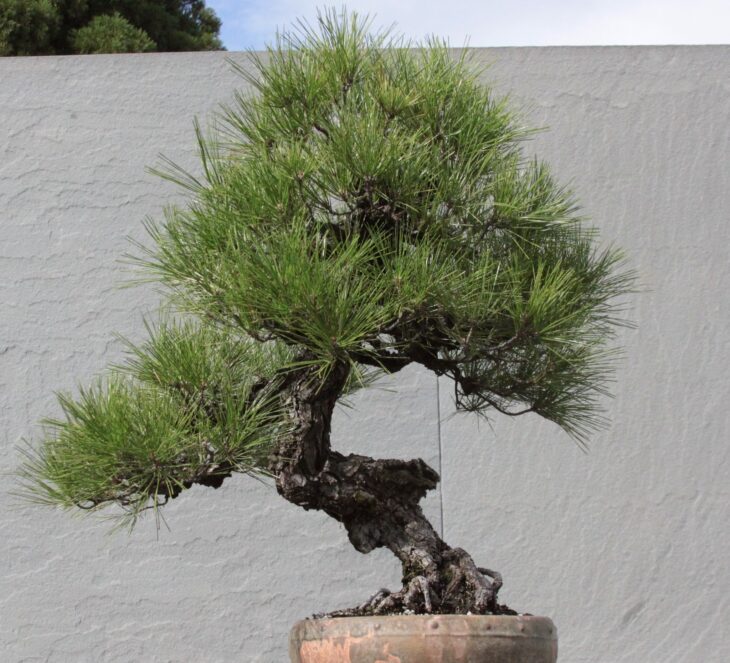
- Used widely in landscape planting and for bonsai.
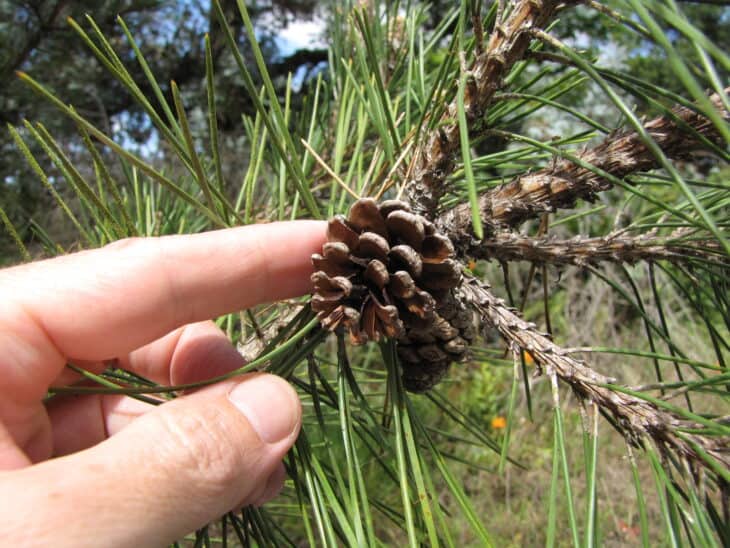
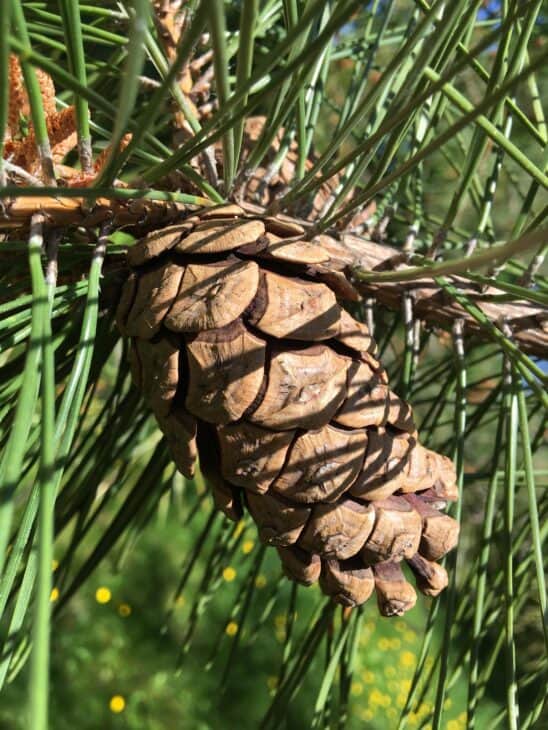
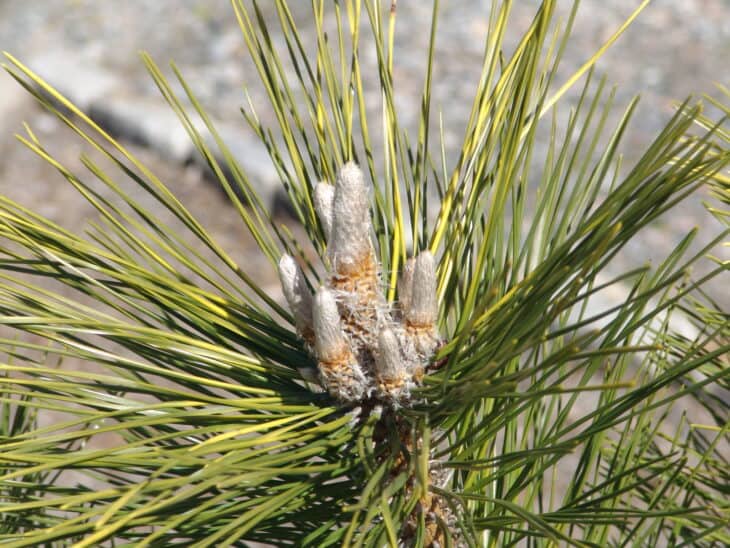
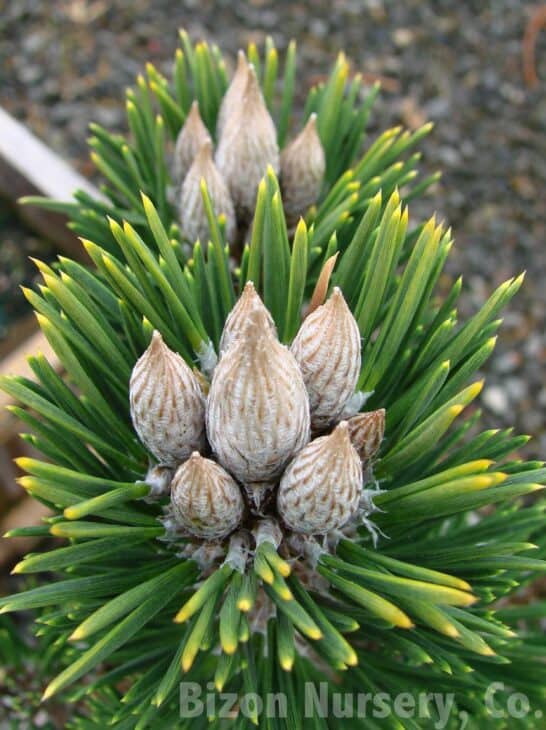
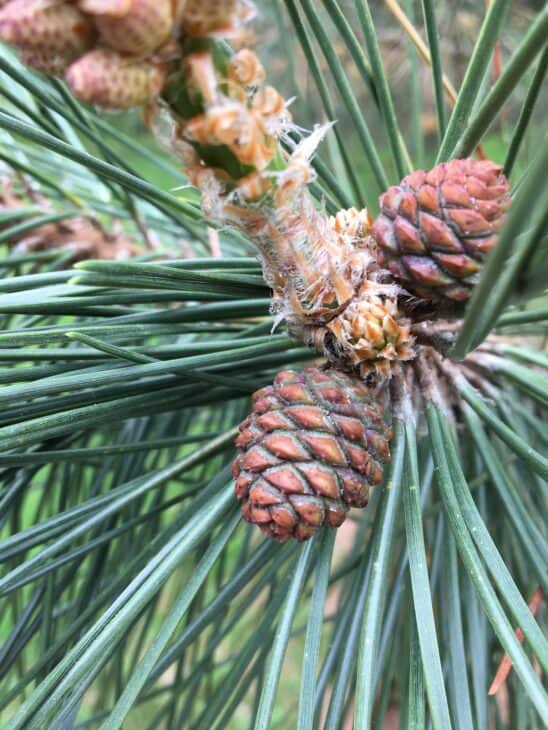
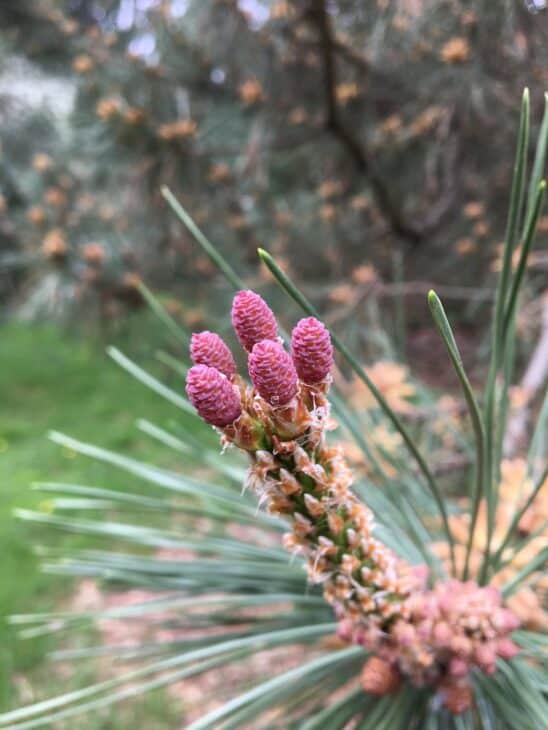
- Produces male and female cones rather than showy flowers.
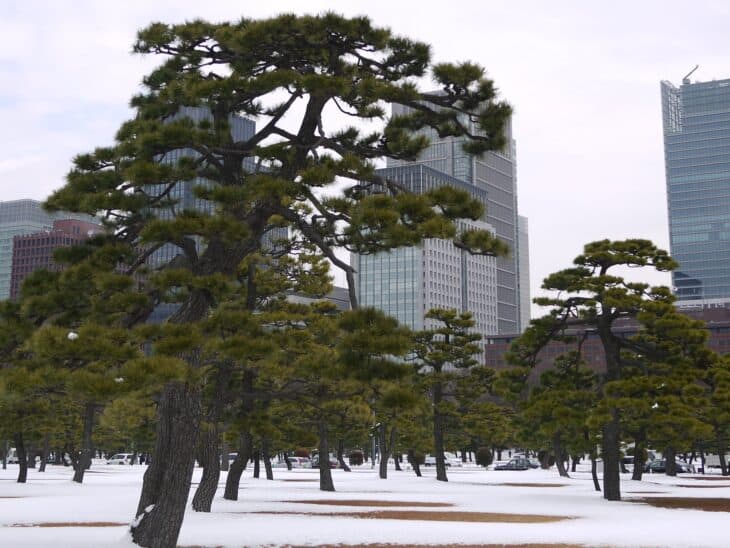
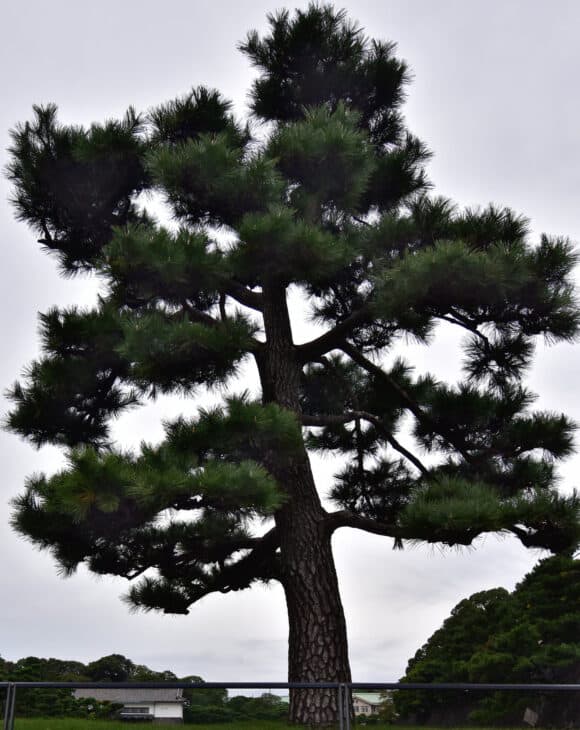
- Bark becomes rough and dark with age.
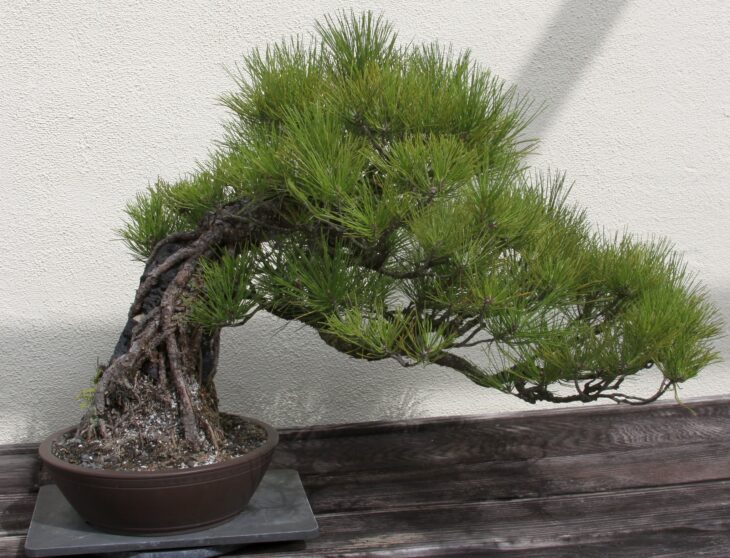
Japanese Black Pine is an evergreen coastal conifer prized for sculptural form in landscapes and for bonsai. It prefers full sun and well drained soils and stands up to salt spray and urban conditions while requiring good drainage to avoid root decline.
Identification
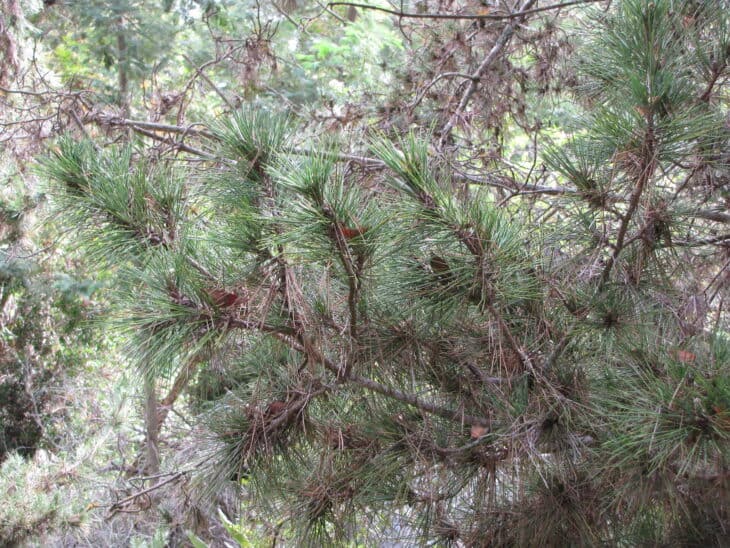
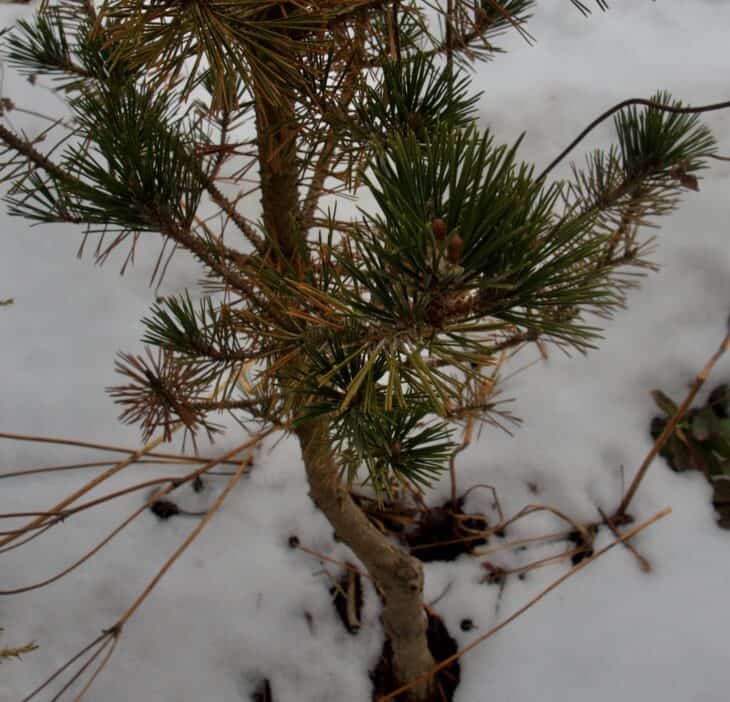
Needles occur in bundles of two and stay dark green year round. The tree produces male and female cones rather than showy flowers and relies on wind pollination. Bark becomes rough and dark with age which helps identify older specimens in a mixed planting.
Where to grow and best uses
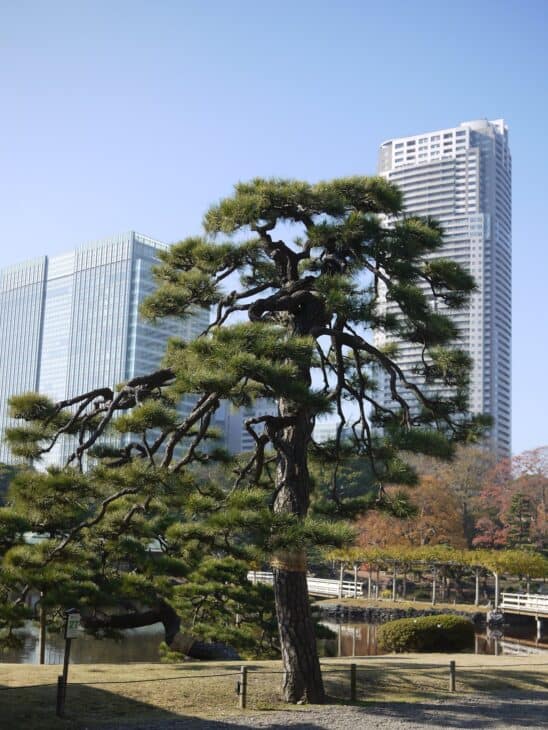
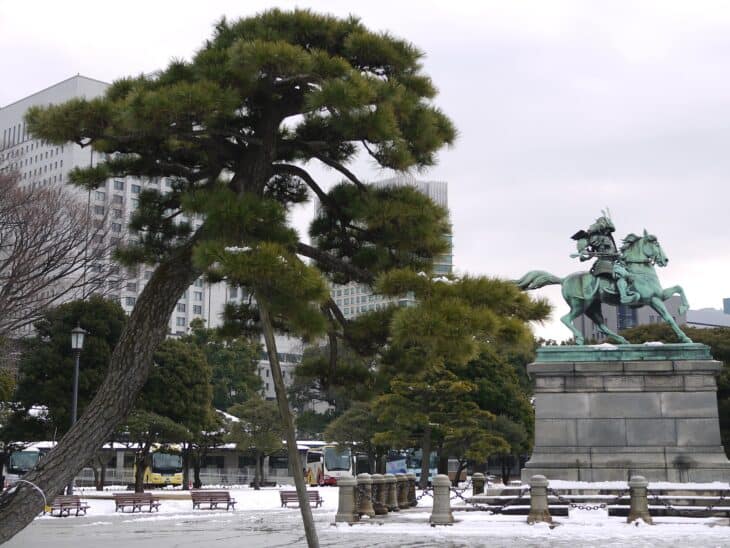
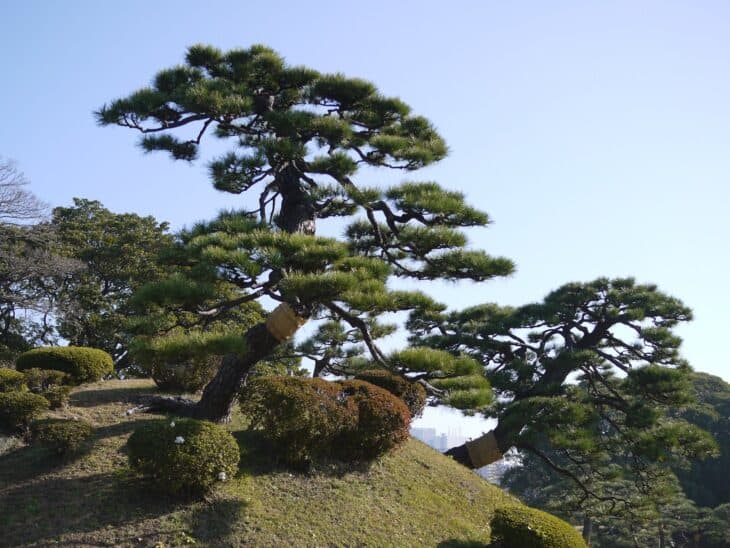
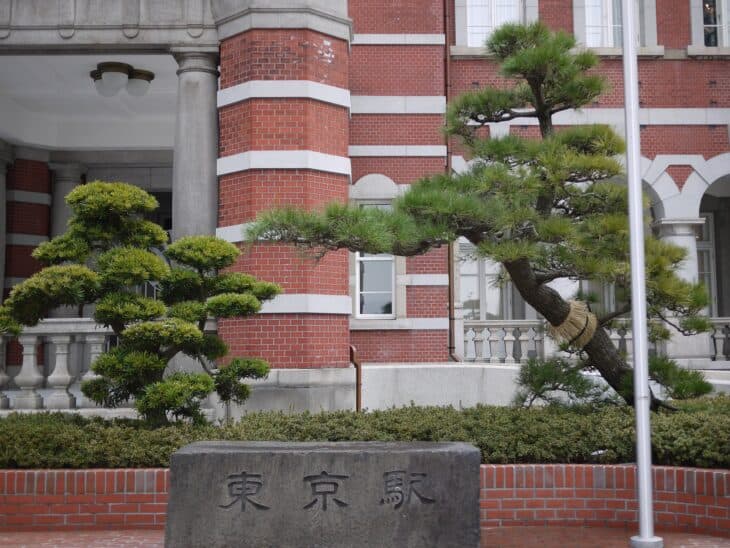
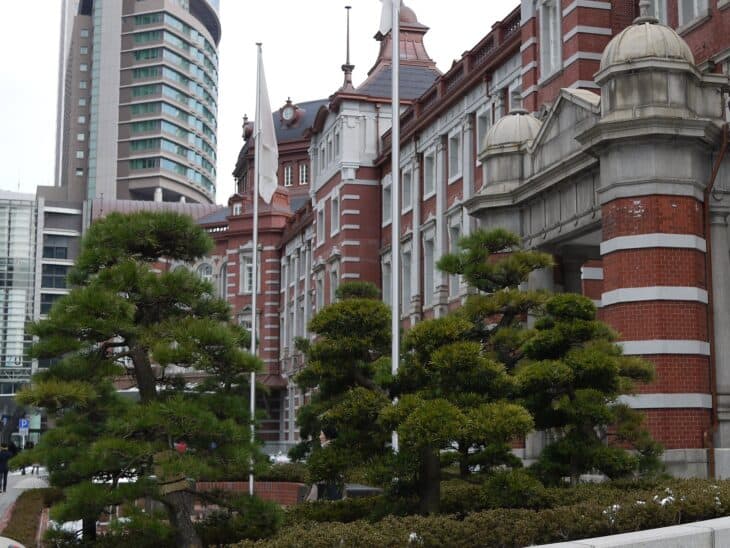
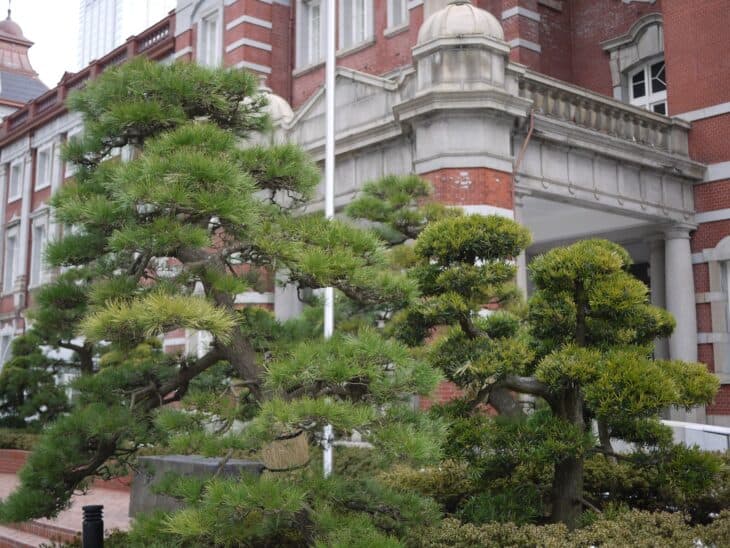
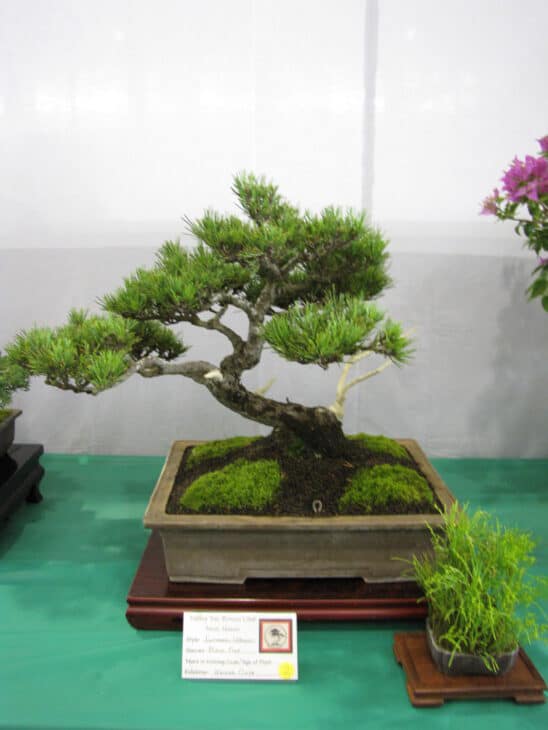
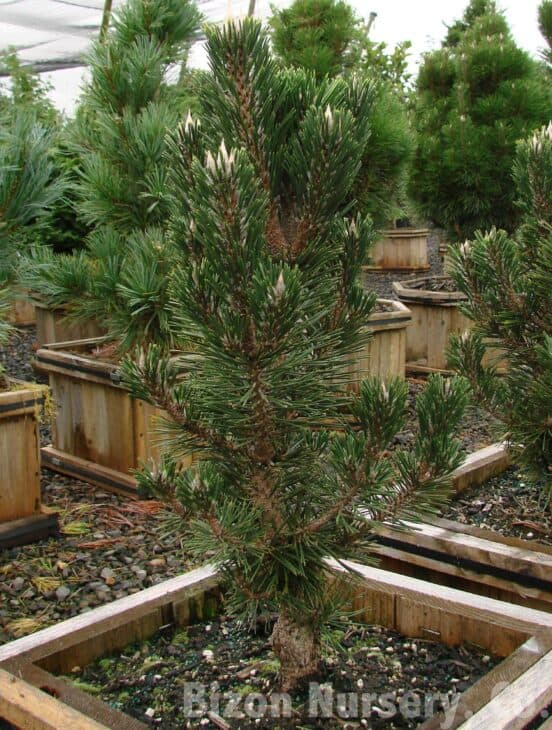
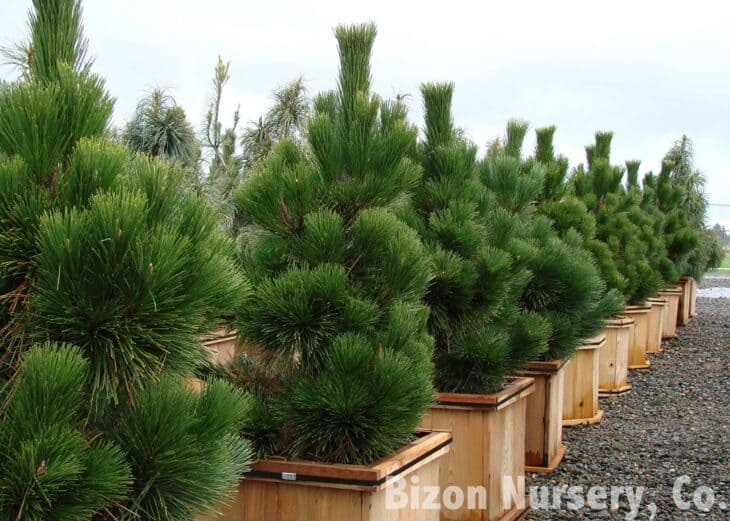
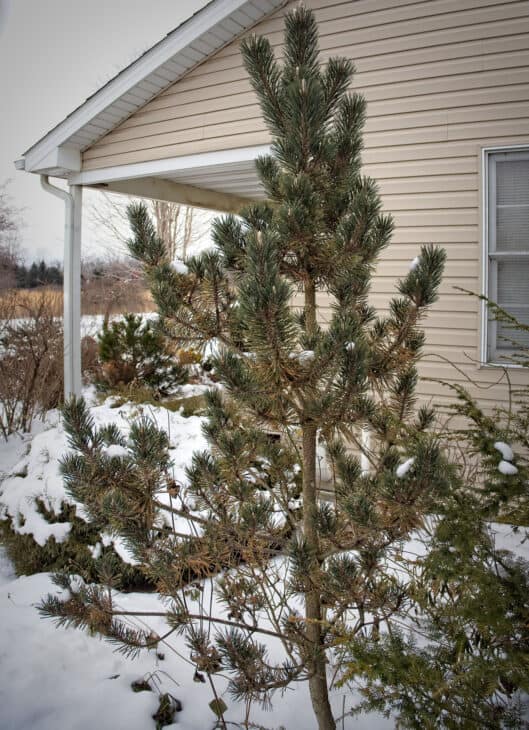
Use as a specimen for coastal or urban sites where salt tolerance is needed or as an informal street or park tree. Bonsai and trained specimen forms highlight its sculptural branching. Expect best performance in USDA zones 5 to 8 while exposed cold sites increase risk of winter dieback.
Planting and spacing
Allow room for a mature crown spread of about 20 to 40 feet or roughly 6 to 12 meters when planting multiple trees. Install trees on well drained soils and avoid low spots that hold water. Give young trees space from buildings and paved surfaces to prevent future pruning conflicts.
Soil light and watering
Prefers sandy to loamy well drained soils and a slightly acidic to neutral pH. Full sun produces the best form and density while heavy shade yields thin growth. Avoid prolonged waterlogged conditions which can cause root decline. Provide supplemental water for establishment but expect better drought tolerance once established.
Care and maintenance
Prune to remove dead or crossing branches and to maintain a desired shape. Light crown thinning preserves wind sculpted character typical of coastal specimens. Trained bonsai and formal trained forms require specialized pruning and wiring techniques. Resin and fresh sap can irritate skin and eyes so wear gloves when handling.
Pests and problems
Poor drainage leads to root rot and decline. Warmer edge climates can increase heat or drought stress and exposed cold sites raise the chance of winter dieback. Monitor for common conifer pests and treat according to local extension guidance. Salt spray tolerance makes it useful on exposed coastal sites.
Propagation
Propagate by seed for straight species and graft cultivars onto compatible rootstock for reliable cultivar traits. Semi hardwood cuttings and layering are used with variable success and are common in bonsai practice. Rooting and graft compatibility differ by cultivar so test methods on local stock for best results.
Frequently asked questions
Answers below cover common care and use questions for landscape planting and bonsai. If you need region specific advice verify hardiness and pest timing with local arboretum or extension resources.
- How fast does Japanese Black Pine grow?
- Growth is generally moderate and site dependent. In cultivation specimens typically reach about 20 to 50 feet tall over many years with slower rates on exposed or poor sites and much smaller size when trained as bonsai.
- Is Japanese Black Pine salt tolerant?
- Yes it tolerates salt spray and performs well in coastal settings while still needing well drained soils to avoid root problems.
- Can I use Japanese Black Pine for bonsai?
- Yes it is widely used for bonsai and for training into sculptural forms. Bonsai methods including wiring and pruning are commonly used and rooting or grafting success varies by cultivar.
- Are the needles or sap toxic to pets or people?
- It is not documented as highly toxic but ingestion may cause mild gastrointestinal upset. Resin and sap can irritate skin and eyes so check with local poison control or veterinary resources for definitive guidance.
- How do I control spread or prevent crowding?
- Provide planting space based on a mature crown spread around 20 to 40 feet. Regular pruning and selecting smaller cultivars or bonsai techniques prevent crowding in constrained sites.
Gallery
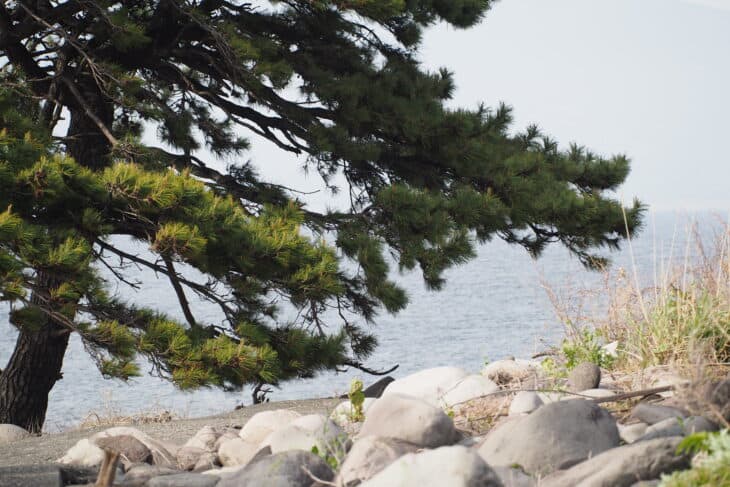
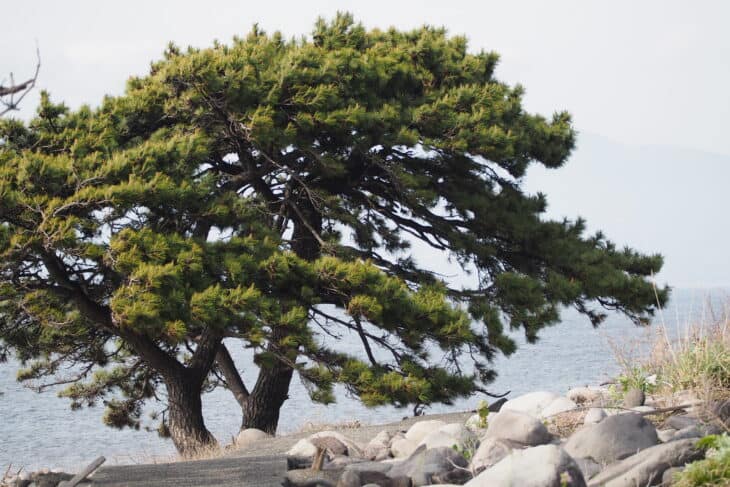
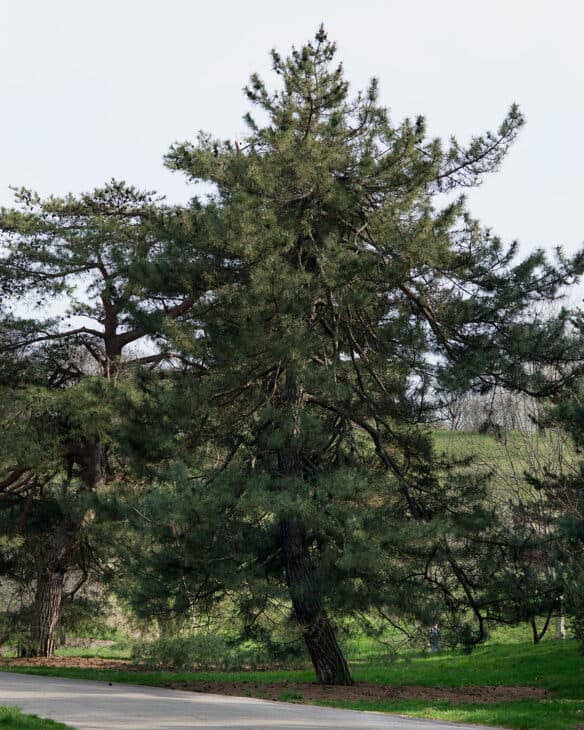
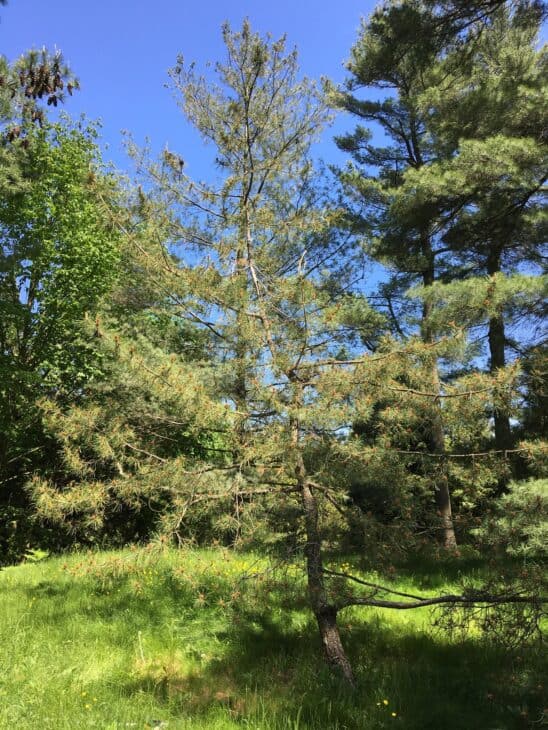
Related Plants


Mentioned In (6)

Trees
8 Salt Resistant Trees
High salt levels in the soil can prevent your tree from absorbing enough water, burn its leaves, and in worst…

Trees
31 Most Common Trees in Japan
In the land of the rising sun, trees are a major part of Japan's culture and history. Trees in Japan…
Pine
7 Different Types of Pine Trees in Missouri
The state of Missouri has 1,000 miles of trails, so you’ll naturally see a lot of trees while you’re hiking…

Pine
51 Common Types of Pine Trees in North America (photos)
Wherever you go in North America, it is difficult not to see pine trees. These are tall, elegant trees that…

Pine
17 Common Types of Pine Trees in Georgia
If you’re unfamiliar with the many species of pine trees in existence, they may all look alike to you but…

Pine
9 Typical Types of Pine Trees in Florida
Thanks in part to the amount of sunshine it gets, the state of Florida is home to dozens of different…