
Key Facts
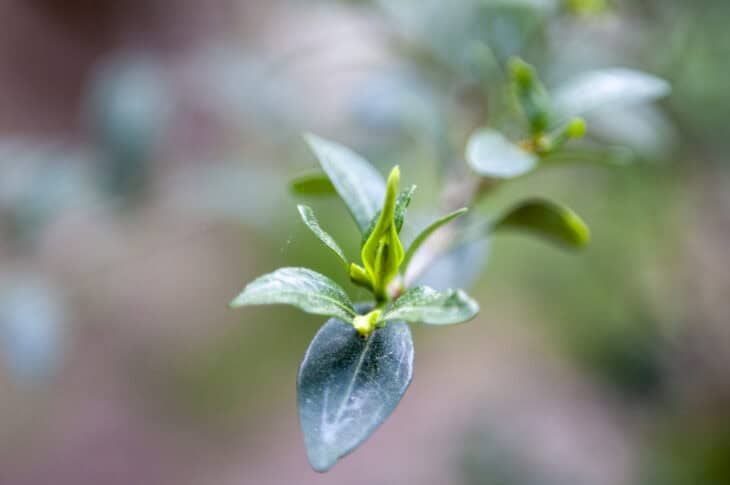
- Evergreen shrub with glossy dark green leaves.
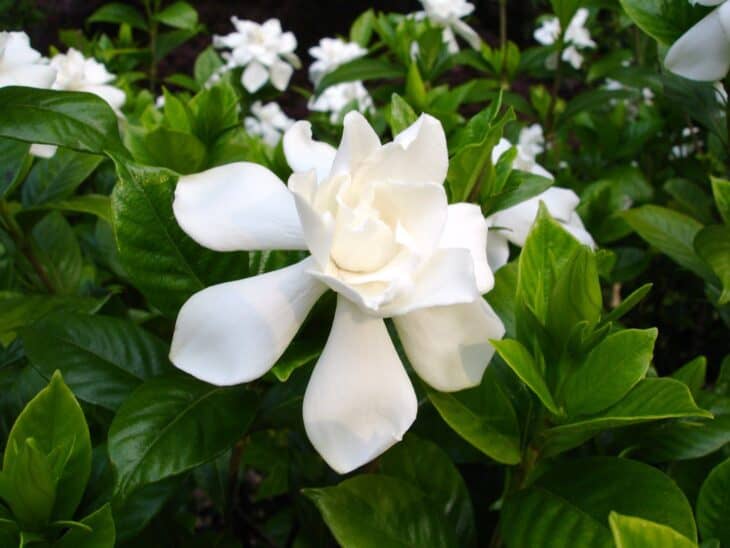
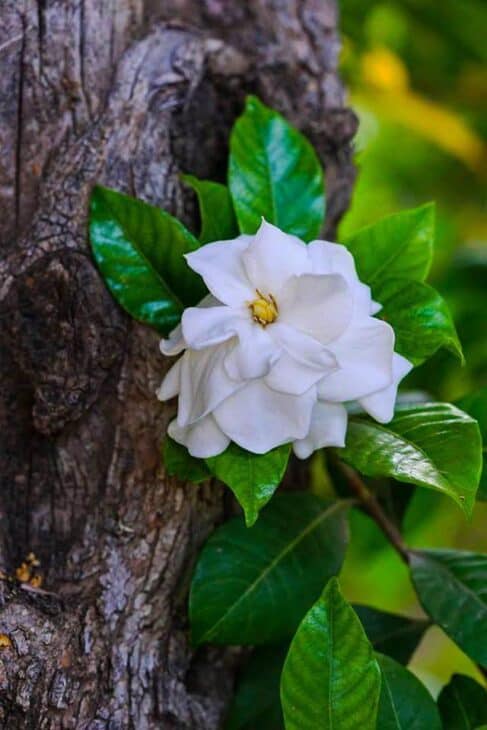
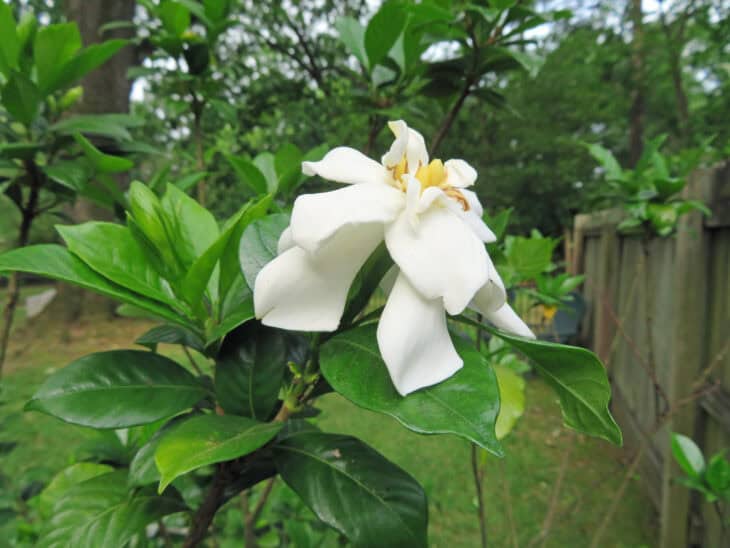
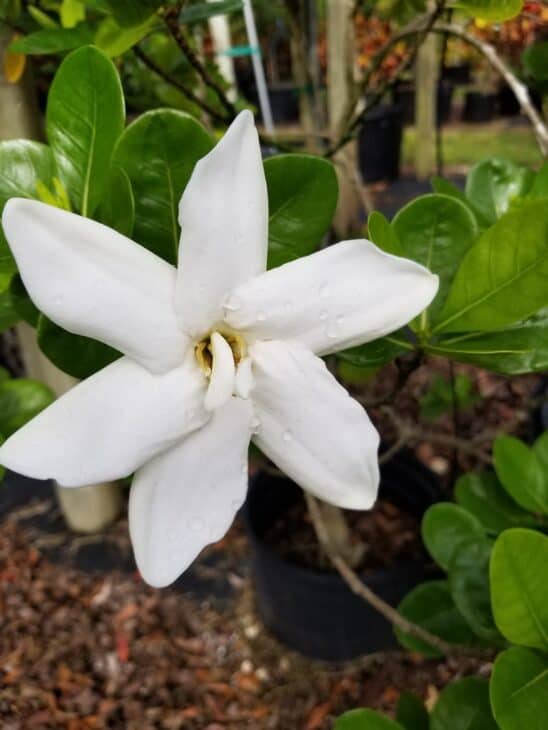
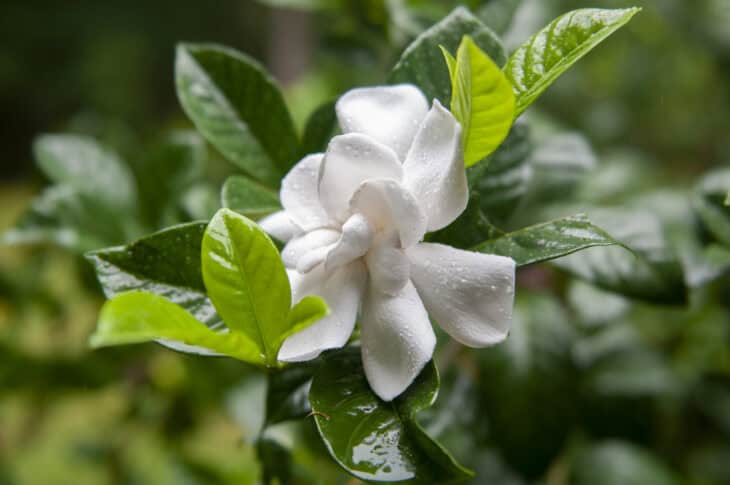
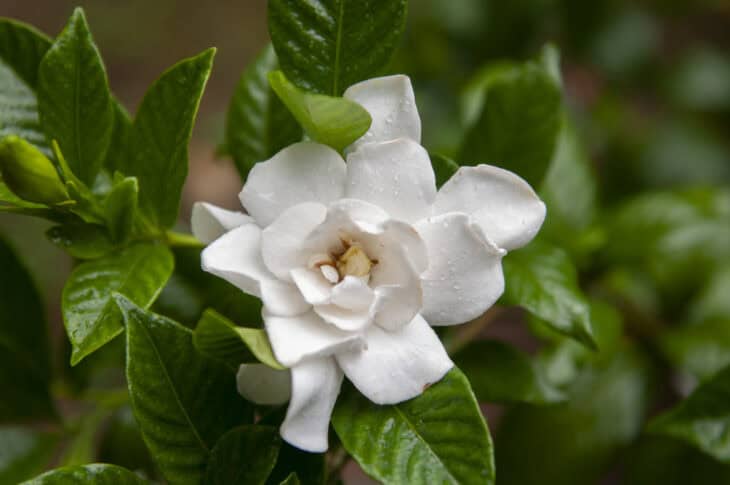
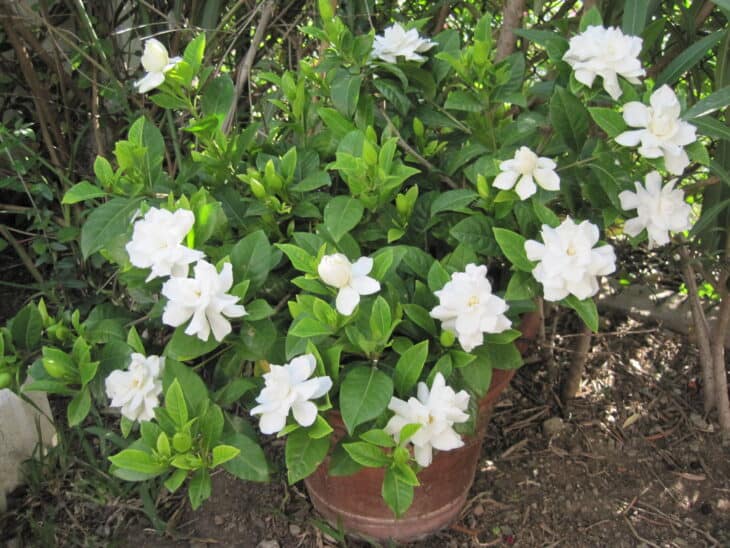
- Fragrant white to creamy flowers used in gardens and perfume.
- Prefers acidic, rich, consistently moist but well drained soil.
- Performs best with bright filtered light or morning sun and afternoon shade in hot climates.
- Commonly grown in containers or as a foundation or specimen shrub.
- Propagation is usually by semi‑hardwood cuttings or air layering.
- Susceptible to root rot in poorly drained soil and to leaf chlorosis in alkaline soils.
Gardenia is an evergreen shrub prized for glossy dark green leaves and intensely fragrant white to creamy flowers, often used as a specimen or foundation plant. It rewards careful siting with strong fragrance and flowers but needs acidic, consistently moist soil and protection from hot afternoon sun in warm climates.
Identification
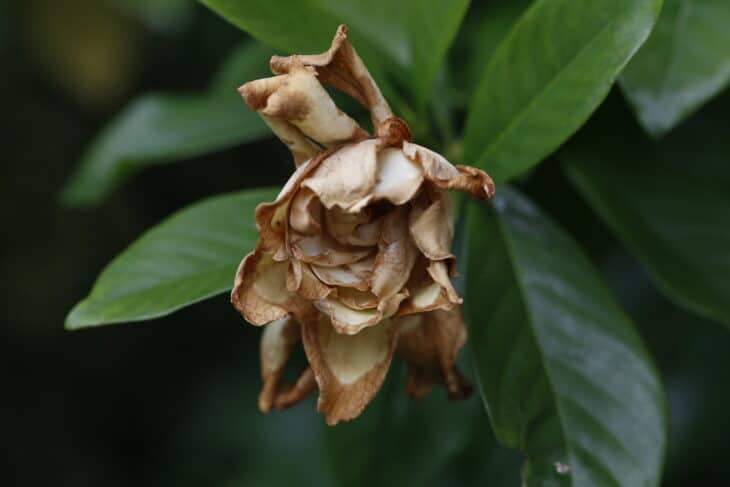
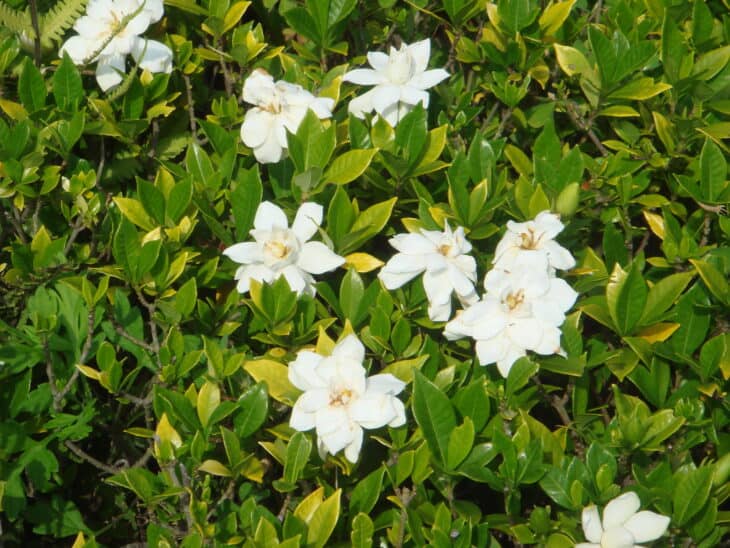
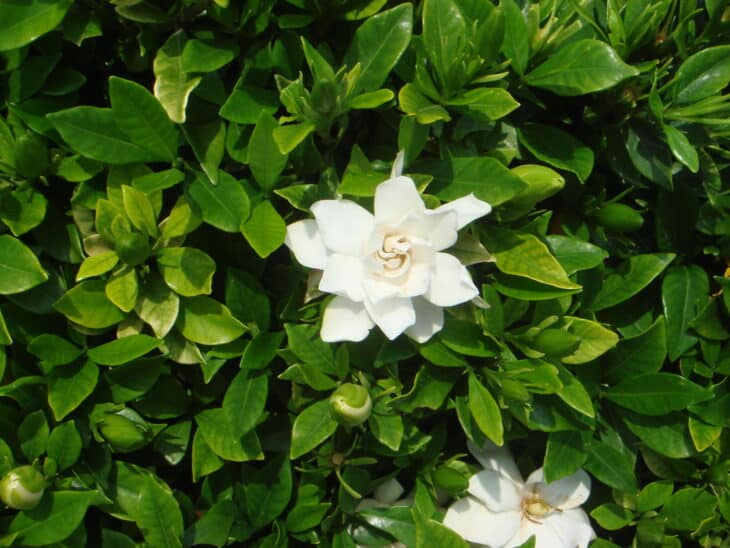
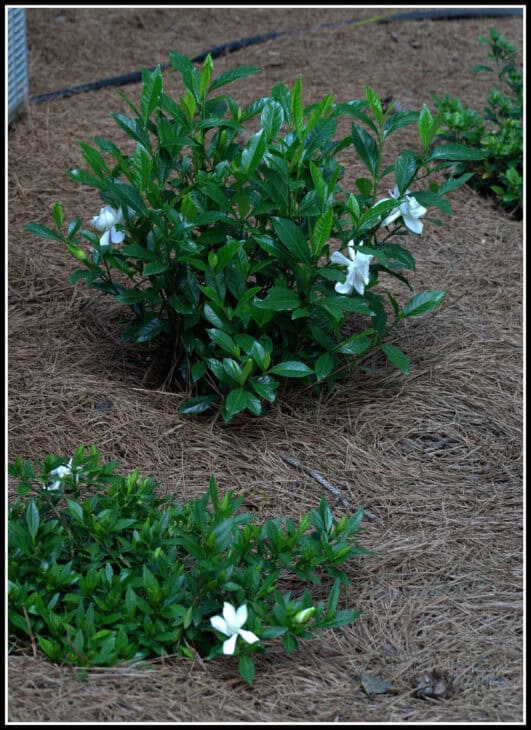
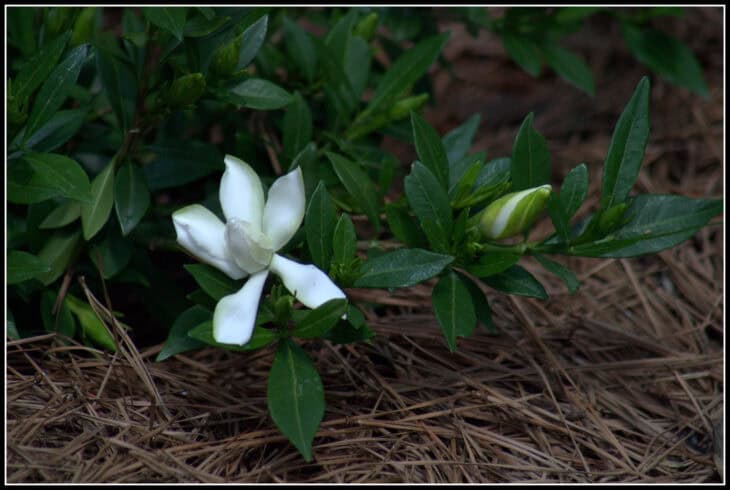
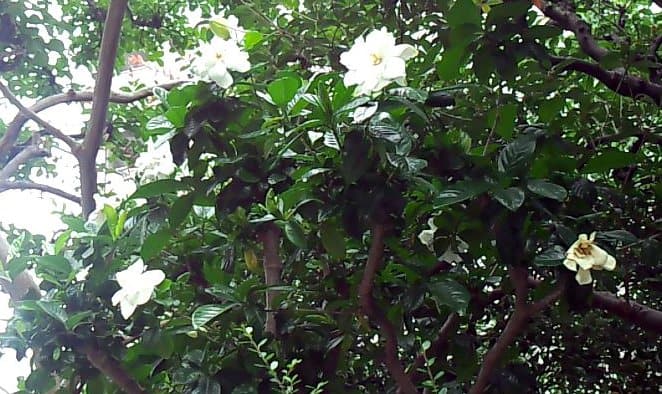
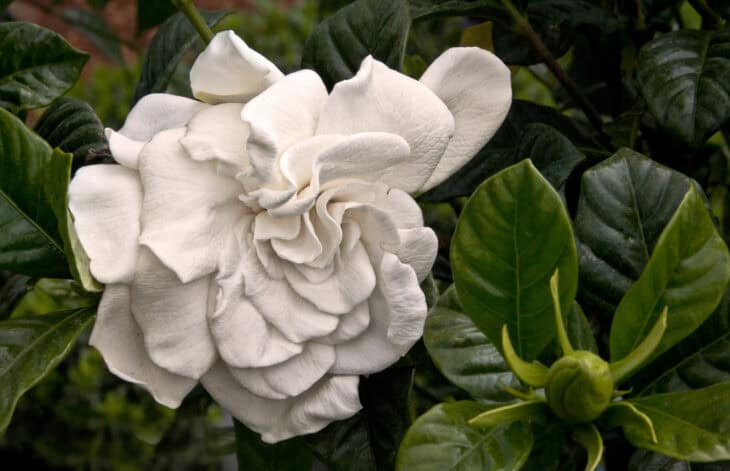
Gardenia has evergreen, glossy foliage and showy, fragrant white to creamy flowers that make it a fragrant focal point in the landscape. Many common cultivars grow roughly two to six feet tall and two to four feet wide depending on pruning and cultivar choice, forming a rounded shrub habit.
Best uses and where to grow
Use gardenia as a foundation shrub, specimen plant or in containers where its scent can be enjoyed. It performs best in bright filtered light or with morning sun and afternoon shade in hot climates. In cooler sites some cultivars tolerate more sun and will produce more blooms.
Soil and pH
Plant gardenia in acidic, rich loam with consistent moisture and good drainage and aim for pH about 5.0 to 6.5. Poor drainage encourages root rot while alkaline soil commonly causes yellowing leaves from iron deficiency. Amending soil with organic matter helps retain moisture without waterlogging the root zone.
Light and watering
Gardenia prefers bright filtered light or part sun with morning sun favored in warm areas. Keep soil evenly moist because drought reduces flowering and can cause leaf drop. Overwatering or poorly drained sites commonly lead to root rot with wilting and dieback as visible symptoms.
Planting and spacing
Space plants about two to four feet apart based on mature spread to allow airflow and maintain shape. Choose a site with protected light and acidic soil or use amended beds. Avoid planting in low spots that hold water because prolonged wet soil increases risk of root diseases.
Containers and winter care
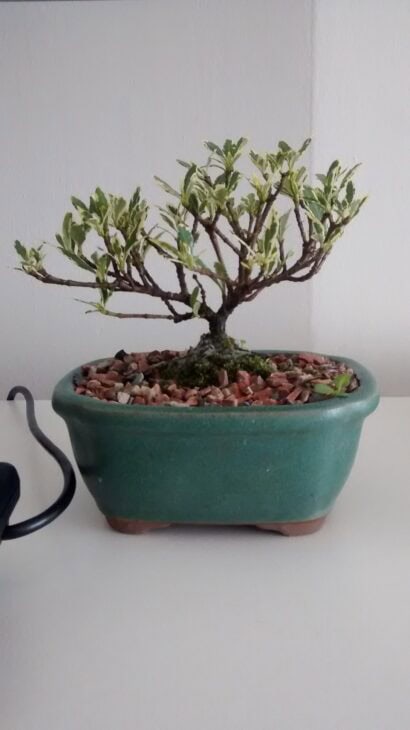
Gardenias are commonly grown in containers to control soil acidity and to move plants indoors for winter protection in colder areas. Many cultivars are hardy to about USDA zones seven to ten so container culture is a practical option where winter conditions cause dieback or require overwintering indoors.
After flowering care and pruning
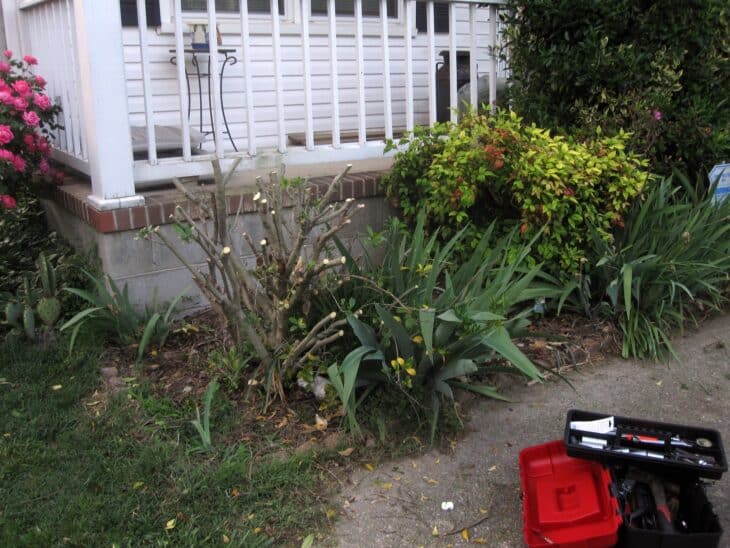
Remove spent flowers to keep the plant tidy and prune lightly after blooming to maintain size and shape. Heavy pruning is rarely needed for mature shrubs. Regular feeding with an acidifying fertilizer supports repeat bloom in warm climates.
Propagation
Gardenias are commonly propagated by semi hard wood cuttings and by air layering when true to type plants are desired. Seed propagation is possible but less used for maintaining cultivar characteristics. Success with cuttings depends on timing and a well drained rooting medium.
Pests and common problems
Root rot is a frequent problem in poorly drained soil and appears as wilting and dieback. Leaf chlorosis often signals alkaline soil and iron deficiency rather than insect damage. Protect foliage from hot afternoon sun in warm climates to avoid scorch and reduced flowering.
Frequently asked questions
- How fast does Gardenia grow?
- Growth is generally moderate and varies by cultivar and conditions. Many landscape types reach about two to six feet tall over several seasons with regular care and pruning.
- Are gardenias toxic to pets?
- Gardenia species are generally listed as non toxic to dogs and cats although ingestion may cause mild stomach upset. Check local poison control resources for specific reports or concerns.
- What soil pH do gardenias need?
- They prefer acidic soil with pH around 5.0 to 6.5. Neutral to alkaline soil commonly causes yellowing leaves from iron deficiency.
- How often should I water?
- Keep soil consistently moist but well drained. Water more often during hot weather and reduce standing water because overwatering leads to root rot with visible wilting and decline.
- Can gardenias be grown in containers?
- Yes. Containers allow control of soil acidity and make it easier to move plants indoors for winter protection when grown outside USDA zone recommendations.
Gallery
Related Plants


Mentioned In (1)

Plants
9 Plants That Look Like Camellia
Camellia is a dense shrub with large, brilliant flowers. Camellias grow between 6 and 12 feet tall. They have dark…