
Key Facts
- Deciduous ornamental tree in the pea family.
- Native to East Asia including China and Japan.
- Has pinnately compound leaves that may be bipinnate on young growth.
- Produces small, fragrant pea-type flowers in late spring to early summer.
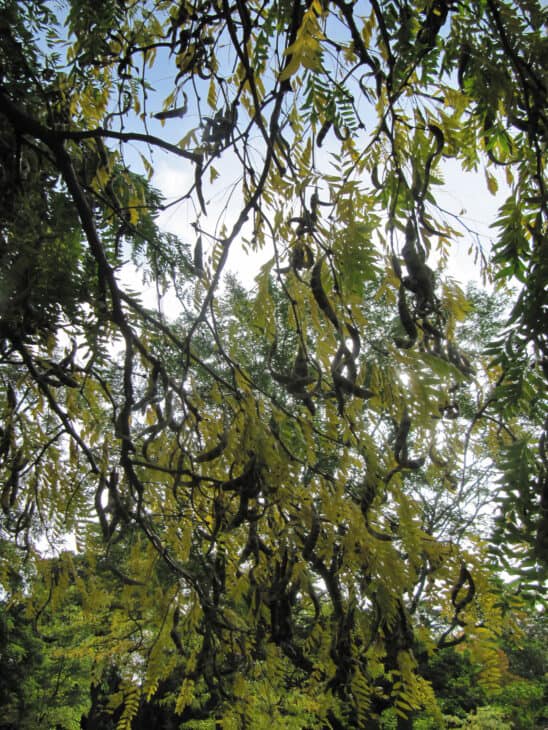
- Sets flattened pods that persist into autumn.
- Tolerates a wide range of soils and urban conditions.
- Prefers full sun for best flowering and form.
- Propagated from seed with scarification or by grafting for named cultivars.
Japanese Locust is a small to medium deciduous tree in the pea family valued for its compound foliage and late spring flowers. It adapts to a wide range of urban and garden soils and performs best in full sun for strongest form and flowering.
Identification
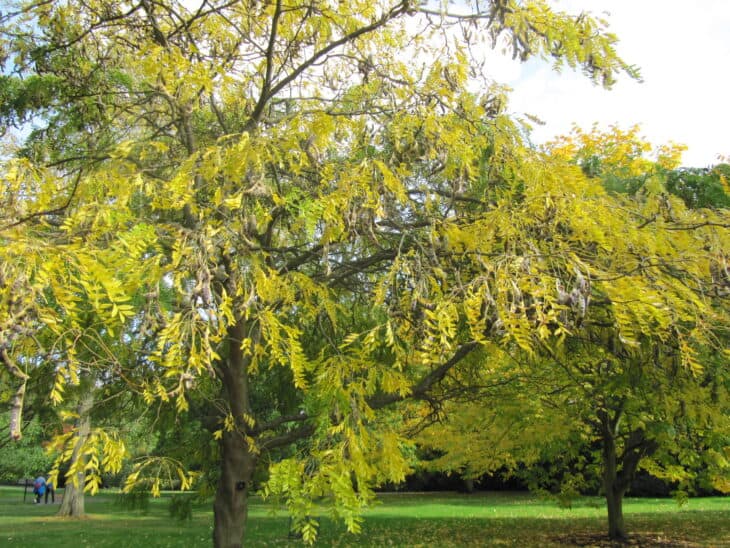
Leaves are pinnately compound and can be bipinnate on vigorous young growth. In late spring to early summer the tree produces small fragrant pea-type flowers and later sets flattened pods that often persist into autumn. Mature specimens commonly reach about 20 to 40 feet tall with a similar broad spread.
Where to grow and best uses
Plant Japanese Locust as a specimen or small shade tree in large yards, park strips and urban sites where soil varies. It tolerates poor, dry and compacted soils so it suits streets and formal plantings but prefers full sun for best form and flower display. Avoid waterlogged locations where root stress can occur.
Planting and spacing
Place trees where they can reach their mature spread of roughly 20 to 35 feet and allow room for a broad crown. Space multiple trees at least the expected mature spread apart to prevent crowding. Plant so the root crown sits at soil level and settle the soil firmly to remove air pockets before watering.
Water and soil
Japanese Locust prefers well drained soils and tolerates clay, loam and sandy sites as well as low fertility. Young trees need regular watering until established; once mature they tolerate drought. Avoid persistent wet or waterlogged soil because poor drainage increases root stress and decline.
After-flowering care and pruning
Light formative pruning keeps a balanced crown and controls spread; pruning influences final shape and width. Remove dead or crossing branches during the dormant season and thin crowded limbs to maintain airflow. Persistent seed pods create litter if that is a concern for the planting site.
Propagation
Propagate from seed after scarification or hot water treatment to break dormancy, and expect seedlings not to always match named forms. Grafting is used to preserve cultivar traits. Hardwood and semi-ripe cuttings have limited success and are not the primary propagation method for named trees.
Control and potential concerns
Thorniness and growth habit vary among cultivars so confirm the form you plan to plant. In warmer regions trees often grow more vigorously and set more seed pods. The species is generally listed for USDA zones 5 to 8 so colder sites may risk winter dieback; check local performance before large plantings.
Frequently asked questions
- How fast does Japanese Locust grow?
- Growth rate varies with site, soil and cultivar; under favorable conditions it reaches its typical 20 to 40 foot mature height over several years as a medium sized tree.
- Are Japanese Locust trees thorny?
- Thorniness varies by specimen and cultivar; some trees have thorns while others are effectively thornless, so choose material accordingly.
- When does Japanese Locust bloom?
- Flowers appear in late spring to early summer with small scented pea-type blooms, though exact timing varies by climate and latitude.
- Is it suitable for urban street planting?
- Yes. It tolerates a wide range of soils and urban conditions and can be used in park strips and streetscapes when given adequate root space and full sun.
- How should I propagate named cultivars?
- Use grafting onto suitable rootstock to preserve cultivar traits; seed propagation requires scarification and seedlings may not come true to the parent plant.
Gallery
Related Plants


Mentioned In (1)

Trees
7 Trees Similar To Honey Locust
The honey locust is an aggressive, invasive colonizer because it produces abundant seeds and root suckers and can grow in…