
Key Facts
- Native to mountains of western North America.
- Evergreen conifer with long flexible branches.
- Tolerant of cold, wind, and rocky soils.
- Produces edible seeds commonly called pine nuts.
- Often slow growing and long lived.
- Useful for erosion control and wildlife habitat.
- Prefers full sun and well drained soils.
Limber Pine is a cold tolerant mountain pine native to western North America. It has long flexible branches and slow growth and produces edible seeds that are a food source for wildlife.
Identification
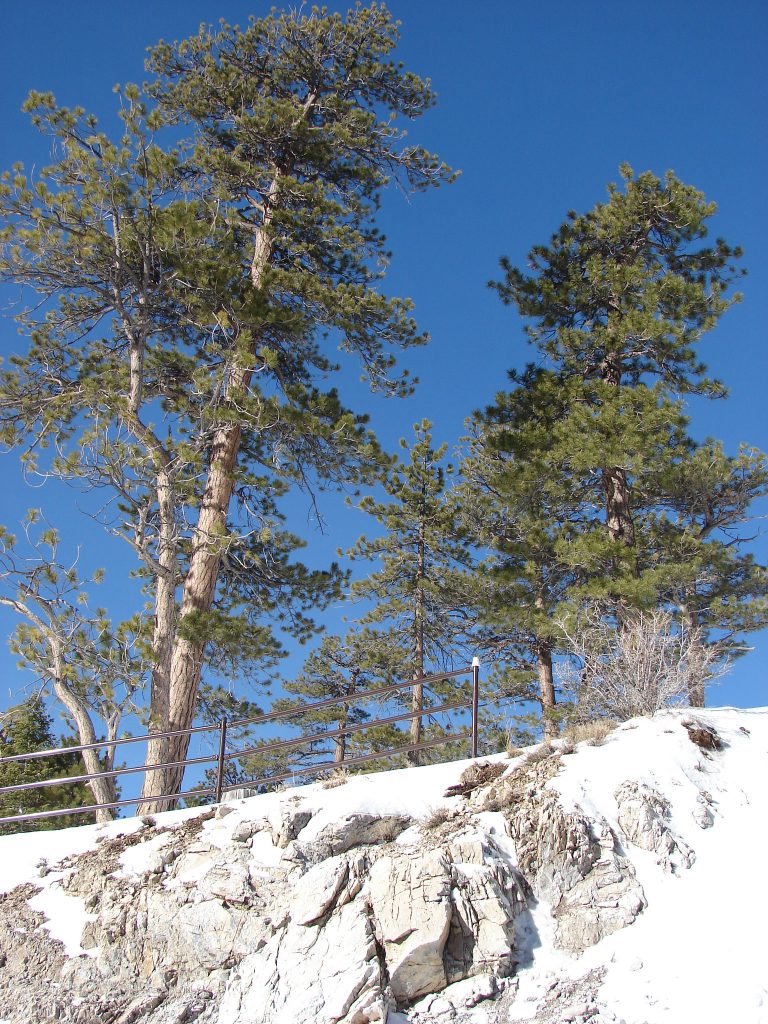
Evergreen conifer with long flexible branches that can appear wind swept on exposed sites. Typical mature height commonly ranges from 20 to 50 feet with a crown spread about 15 to 30 feet depending on site and exposure. Cones hold large seeds often called pine nuts which are eaten by birds and mammals.
Where to grow and best uses
Suited to USDA hardiness zones 2 to 7 and to high elevation landscapes where cold and wind tolerance matter. Prefers full sun on well drained rocky or sandy soils. Use for erosion control on slopes and for wildlife habitat rather than as a tight urban specimen where space or irrigation are limiting.
Planting and spacing
Plant container grown or balled nursery stock at the same depth they grew in the nursery and firm soil around roots. Space trees according to expected mature crown spread which is commonly 15 to 30 feet apart in open plantings. Avoid planting in areas with poor drainage to reduce risk of root problems.
Soil light and watering
Grows best in well drained rocky or sandy soils and tolerates low fertility and alkaline conditions. Full sun produces the best form and cone production while light shade can cause legginess. Water new trees regularly until established and avoid waterlogged soil since poor drainage increases the risk of root rot and dieback.
Care and maintenance
Minimal pruning is needed for most landscapes and pruning should be limited to dead wood. Leave cones in place where wildlife use is desired. The species is often slow growing and long lived so plan for gradual development and verify mature size for your local conditions before planting in small sites.
Propagation
Seed propagation is the most reliable method with cold stratification commonly used to break dormancy. Transplant nursery seedlings when young for the best establishment. Cuttings have mixed success and are not generally the preferred method for home propagation.
Frequently asked questions
- How fast does Limber Pine grow?
- Often slow growing with rate varying by elevation and site. Growth can be much slower in cold exposed locations and faster in sheltered, favorable soils.
- Is Limber Pine suitable for small yards?
- Not ideal for very small yards because mature height and spread commonly reach 20 to 50 feet and 15 to 30 feet respectively. Consider site exposure and long term space needs.
- Are the seeds edible?
- Seeds are edible and were used historically as food. Verify processing methods and allergy risks before human consumption and consult medical guidance for concerns.
- What soil does it prefer?
- Prefers well drained sandy or rocky soils and tolerates poor and alkaline soils. Avoid heavy clay or waterlogged sites to reduce root disease risk.
- Is Limber Pine invasive?
- Not known to be invasive. The species is valued for erosion control and wildlife habitat and does not typically display invasive behavior in its native range.
Related Plants


Mentioned In (7)

Trees
23 Most Common Trees in South Dakota
If you are looking to plant a tree in your garden, it is best to know what the most common…
Pine
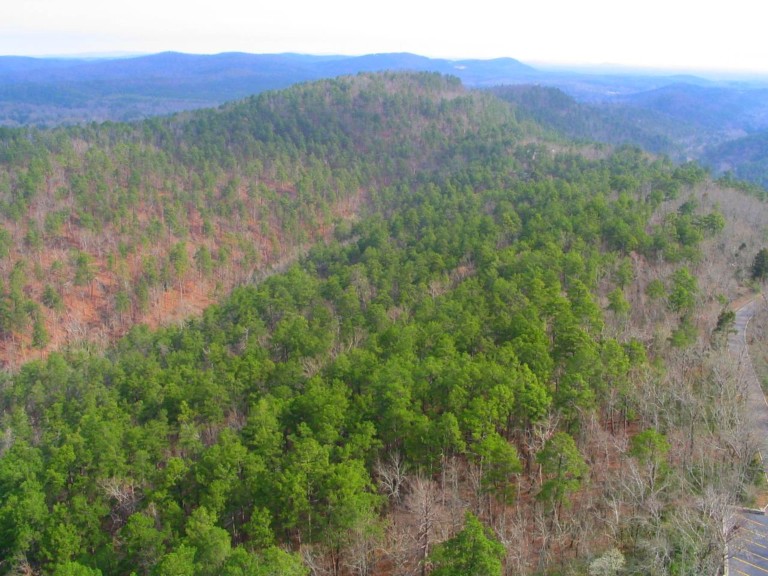
5 Types Of Pine Trees In Oklahoma
Evergreen pines are a popular choice in Oklahoma for a variety of landscapes, including home gardens, parks, sidewalks, and more.…

Pine
4 Different Types Of Pine Trees In Alberta
When we think of Alberta, golden wheat fields and cows grazing on lush green grass is usually what comes to…
Pine
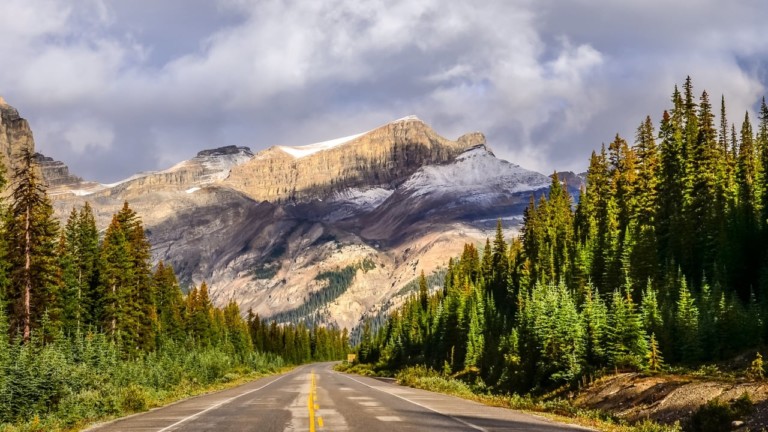
12 Most Common Types Of Pine Trees In Canada
Do you love collecting pine cones and smelling that fresh, evergreen smell of pine on your early morning jog? Well,…
Pine
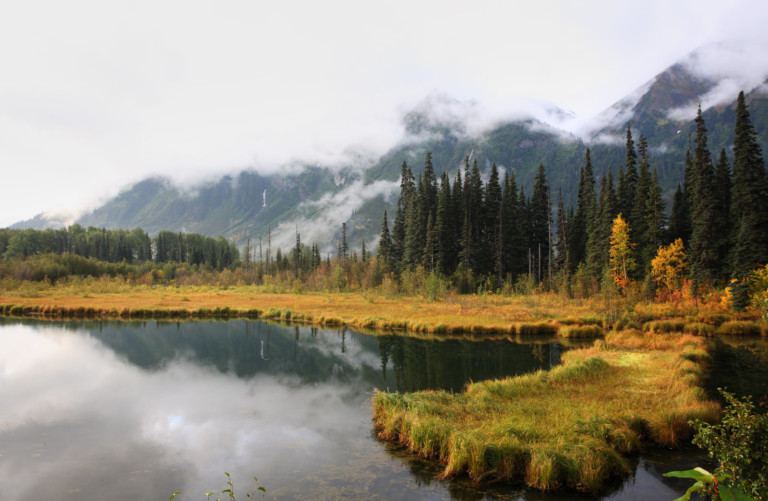
7 Types Of Pine Trees In British Columbia
People in British Columbia hold a deep appreciation for nature and the beauty it offers. From scenic landscapes to evergreen…
Pine
7 Different Types of Pine Trees in Missouri
The state of Missouri has 1,000 miles of trails, so you’ll naturally see a lot of trees while you’re hiking…

Pine
51 Common Types of Pine Trees in North America (photos)
Wherever you go in North America, it is difficult not to see pine trees. These are tall, elegant trees that…