
Key Facts
- Large long lived deciduous oak native to central and eastern North America.
- Noted for its large acorns with a fringed bur like cup.
- Tolerates a wide range of soils including dry, clay and alkaline sites.
- Typically grown as a specimen or park tree for shade and wildlife value.
- Produces male catkins and female flowers in spring before leaves fully expand.
- Can live for many decades and develop a broad, often rounded crown.
Bur Oak is a large deciduous oak native to central and eastern North America valued as a long lived shade and specimen tree. It tolerates dry, clay and alkaline soils and produces distinctive large acorns with a fringed bur like cup while supporting abundant wildlife.
Identification
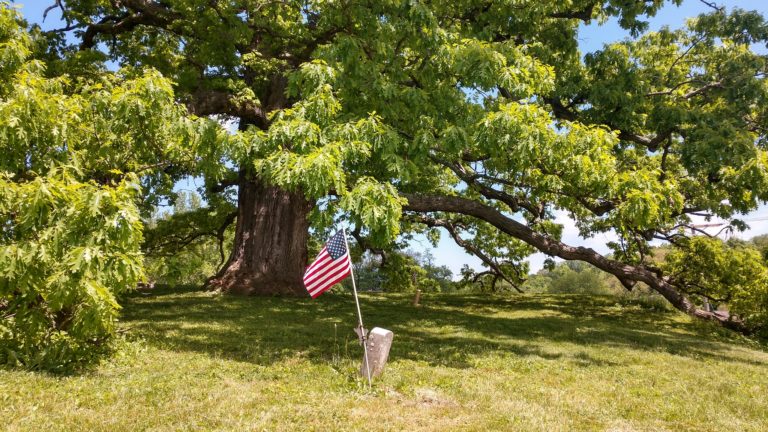
Bur Oak is a large deciduous oak that can reach 40 to 80 feet with a broad, often rounded crown. It is notable for very large acorns set in a fringed bur like cup and for spring flowering as inconspicuous male catkins and female flowers before leaves fully expand. Trees live many decades and develop substantial girth with age.
Where to grow and best uses
Grow bur oak in full sun to light shade in landscapes that can accommodate a wide crown. It performs well as a specimen or park tree for shade and for wildlife habitat where space allows. Hardy in USDA zones 3 to 8 and tolerant of dry, clay and alkaline soils makes it useful on sites where some oaks struggle.
Planting and spacing
Sow fresh acorns in fall or plant nursery stock with the root flare at soil level. Allow ample room for a mature crown which commonly reaches 40 to 70 feet so space trees at least that far from buildings and other trees. Avoid planting where the soil remains waterlogged, as prolonged wet feet reduce vigor and increase root rot risk.
Watering and establishment
Bur oak tolerates dry sites once established but benefits from regular watering during the first few seasons to develop deep roots. Drought stress on warm zone edges can limit vigor while soils that stay waterlogged reduce root health. Mulch to conserve moisture and reduce competition but keep mulch away from direct contact with the trunk.
Pruning and long term care
Prune sparingly to preserve natural form and wildlife value. Prune young trees for a strong scaffold structure and to remove dead or rubbing branches. Expect slow development of a massive crown; monitor for occasional winter twig dieback in colder sites and correct structural faults early rather than heavy pruning on mature trunks.
Wildlife value and toxicity
Bur oak acorns feed many birds and mammals and the species is valued for habitat. Acorns and foliage contain tannins that can be toxic to livestock and may cause gastrointestinal upset in pets if eaten in quantity. Humans can process acorns for food after leaching tannins. Confirm livestock and pet risk with local extension or a veterinarian.
Propagation
Propagate bur oak by seed using fresh acorns sown in fall or by cold stratification for spring planting. Nursery production often uses grafting or container grown liners to preserve named cultivars and consistent form. Hardwood cuttings are generally difficult, and seed provenance affects tree form and vigor so choose source material carefully for landscape use.
Frequently asked questions
- How fast does Bur Oak grow?
- Growth is moderate with trees taking decades to reach mature size; many specimens reach 40 to 80 feet over a long lifespan rather than quickly forming a full canopy.
- How large will a bur oak get?
- Mature trees typically reach 40 to 80 feet tall with a crown spread commonly 40 to 70 feet depending on site and competition.
- Can I grow bur oak in clay or alkaline soil?
- Yes. Bur oak tolerates clay, dry and alkaline soils and often performs where other oaks struggle, but avoid soils that remain waterlogged.
- Are bur oak acorns poisonous to dogs?
- Acorns contain tannins that can cause gastrointestinal upset in pets if eaten in quantity. Consult a veterinarian for specific exposure concerns.
- Is bur oak invasive?
- Bur oak is a native large shade tree in central and eastern North America and is not considered invasive, but it requires ample space and can outcompete small plantings under its canopy.
Gallery


Related Plants


Mentioned In (21)

Trees
23 Most Common Trees in South Dakota
If you are looking to plant a tree in your garden, it is best to know what the most common…
Trees
28 Most Common Trees in Utah
The state of Utah is hailed to have a lot of beautiful trees which creates a stunning landscape all over…
Trees
26 Most Common Trees in Oklahoma
The state of Oklahoma has many different ecoregions, including spruce-fir forests in the mountains, mesophytic forests in the eastern highlands,…
Trees
19 Most common trees in Iowa
Iowa is home to many common trees that are spread throughout the state. Most Iowans live in or near a…
Trees
23 Most Common Trees in Nebraska
Nebraska is known for its vast, rich landscapes that are absolutely teeming with wildlife and vegetation. There are approximately 10,000…
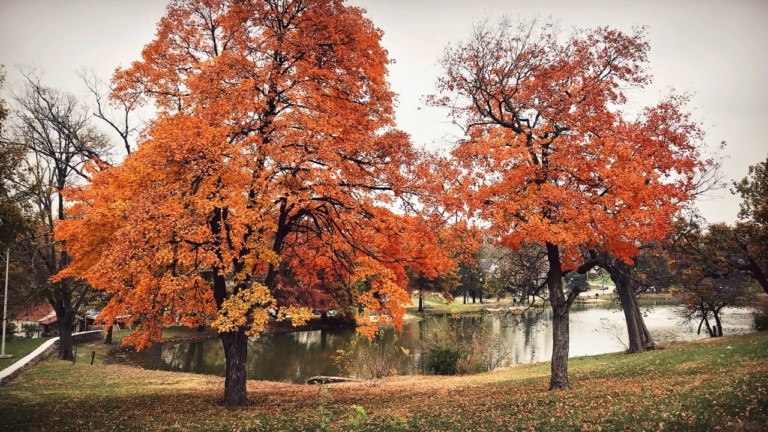
Trees
30 Most Common Trees in Kansas
Kansas is home to a wide range of trees, from the tall and hardy oak tree that can grow up…

Oak
5 Types of Oak Trees in New Mexico
Located in the heart of the gorgeous and vast American Southwest, New Mexico is a large and diverse state. Even…
Trees
27 Most Common Trees in Canada
There are many different types of trees in Canada. Some unique to certain regions, others common across the country. This…

Oak
9 Types of Oak Trees in Ontario
Do you plan to grow Oak Trees in your Ontario garden? Oaks are stately, tall, and attractive trees with dark…

Oak
8 Typical Types of Oak Trees in Kentucky
One of the best parts about being a gardener in Kentucky is the amazing variety of oak trees that you…
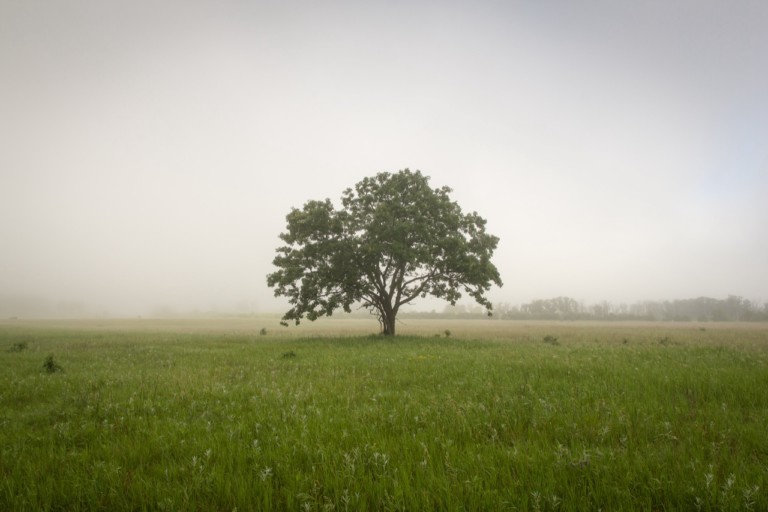
Oak
9 Common Types of Oak Trees in Minnesota
There are many different oak trees growing all across Minnesota, offering this state a gorgeous green cover for particularly sunny…
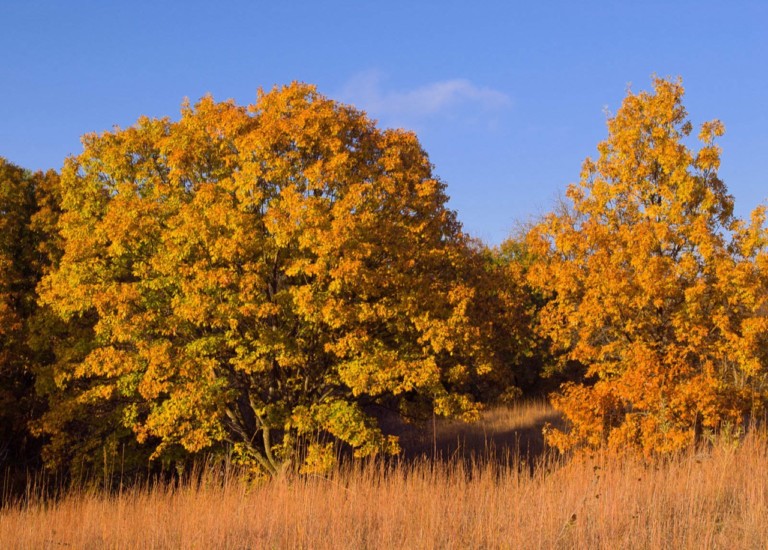
Oak
8 Common Types Of Oak Trees In Iowa
Do you want to plant an Oak Tree in your garden? Well, you will be pleased to know that you…
Oak
9 Types Of Oak Trees In Australia
Did you know that there are over 600 Oak species in the world? Oaks are part of the Quercus genus. They…

Oak
12 Common Types Of Oak Trees In Canada
Do you plan to grow Oak Trees in your garden? Well, you will be happy to know that there are…
Oak
19 Types of Oak Trees in Tennessee
Not only does the state of Tennessee have a lot of different trees, but the state is also home to…
Oak
19 Beautiful Types of Oak Trees in Illinois
The state of Illinois is home to more than four million acres of forested land, making it home to a…

Oak
8 Wonderful Types of Oak Trees in Wisconsin
Within Wisconsin’s forests, more than 43% include ash and maple trees, but the state is home to many other trees…
Oak
10 Prevalent Types of Oak Trees in Oklahoma
Trees in Oklahoma include everything from elms to black walnuts and pines to dogwoods, and that doesn’t even include the…
Oak
8 Types of Oak Trees in Ohio
The state of Ohio is home to more than 100 species of trees, and the most common tree in the…

Oak
6 Common Types of Oak Trees in Michigan
The majestic oak tree is written about in novels and displayed across the screen in hundreds of movies, and there…
Oak
76 Types of Oak Trees in North America (foliage photos)
Because of all the forests in North America, you can find just about every tree you can think of if…