
Key Facts
- Clump-forming herbaceous perennial in the bellflower family.
- Producing nodding bell-shaped flowers in summer.
- Grows in loose mounds of lance-shaped leaves.
- Valued for midseason to late season bloom color and texture.
- Prefer moist, humus-rich, well-drained soil.
- Tolerates part shade and performs best with some protection from hot afternoon sun.
- Propagated by seed or division.
Ladybells is a clump-forming perennial in the bellflower family prized for nodding bell-shaped blooms and loose mounds of lance-shaped leaves. It brings midseason to late season color and texture to borders and shaded edges while preferring cool, moisture-retentive sites.
Identification
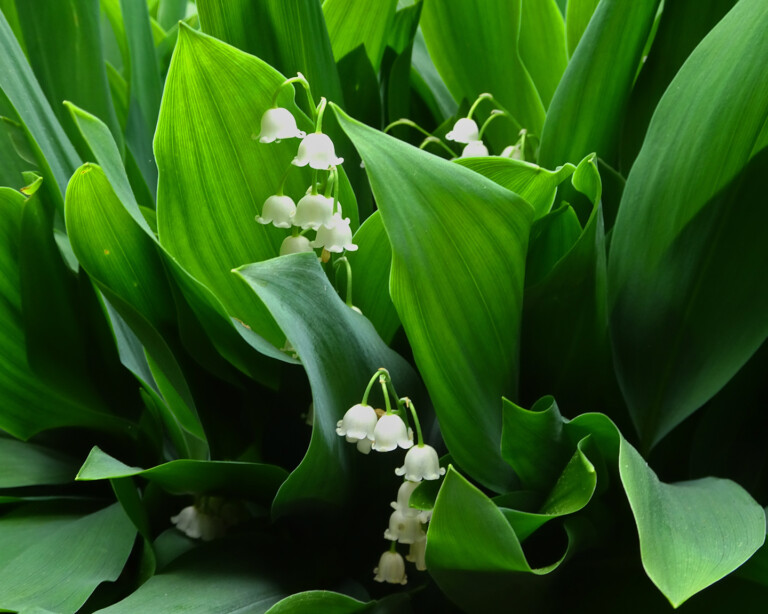
Ladybells produces nodding, bell-shaped flowers in summer above a mound of lance-shaped foliage. Mature clumps commonly reach about 2 to 3 ft tall and spread roughly 1 to 2 ft depending on cultivar and growing conditions. Plants have a tidy clumping habit that suits mixed perennial beds and naturalized spots.
Where to Grow and Best Uses
Use Ladybells in mixed borders, cottage garden beds and shaded or woodland-edge planting where midseason flowers are needed. It performs best in cooler sites with full sun and in warmer regions with part shade that shields leaves from hot afternoon sun. Typical hardiness is USDA zones 4 to 7.
Planting Time and Spacing
Install nursery transplants in spring after the last frost or in fall before ground freezes so roots can settle. Propagate by seed or by dividing established clumps in spring or fall. Space plants about 1 to 2 ft apart to match their mature spread and avoid crowding that reduces flowering.
Watering and Soil
Ladybells prefer moist, humus-rich soil that drains well. Poor drainage encourages crown rot while very dry, infertile soil leads to stunted plants and reduced flowering. Keep soil evenly moist through the growing season and add organic mulch to conserve moisture and improve soil texture.
After Flowering Care and Division
Remove spent flower stems to tidy the clump and let foliage die back naturally before cutting it away in fall. Divide congested clumps every few years to renew vigor and provide new plants for other beds. Division is the most reliable way to reproduce the parent plant true to type.
Spread and Naturalizing Control
Ladybells forms compact clumps and does not rely on aggressive runners to spread. Control its spread by lifting and dividing clumps or removing stray seedlings. Regular division keeps centers from thinning and maintains compact, floriferous plants.
Frequently asked questions
- How fast does Ladybells grow?
- It forms loose mounds and commonly reaches the 2 to 3 ft height range over a few seasons. Growth rate varies with soil fertility, light and moisture.
- When does Ladybells bloom?
- Ladybells blooms in summer, typically mid to late summer in temperate climates, with exact timing varying by latitude and season.
- What soil does Ladybells prefer?
- Moist, humus-rich and well-drained soil with neutral to slightly acidic pH produces the best growth and flowering.
- Can Ladybells grow in shade?
- Yes it tolerates part shade and performs best with protection from hot afternoon sun in warmer climates. In cooler areas fuller sun encourages better flowering.
- How do I propagate Ladybells?
- Propagate by seed or by division in spring or fall. Basal cuttings may work for some selections, and division gives true-to-type plants quickly.
Related Plants


Mentioned In (1)
Plants
9 Plants That Look Like Lily of the Valley
Have you ever experienced the irresistible charm of the lily of the valley? This attractive groundcover is a hard match…