
Key Facts
- A low growing native sedge used as a shade groundcover.
- Forms dense, slowly spreading colonies by short rhizomes.
- Leaves are fine textured and often semi evergreen.
- Flowers are inconspicuous spring spikes rather than showy blooms.
- Prefers dry to medium moisture well drained soils.
- Tolerates part shade to full shade and light sun in cool climates.
- Low maintenance and useful for erosion control on slopes.
Pennsylvania Sedge Grass (Carex pensylvanica) is a fine textured native sedge used as a low shade groundcover that forms slowly spreading colonies. Its tidy, low clumps work well under trees and on dry slopes where low maintenance erosion control is needed.
Identification
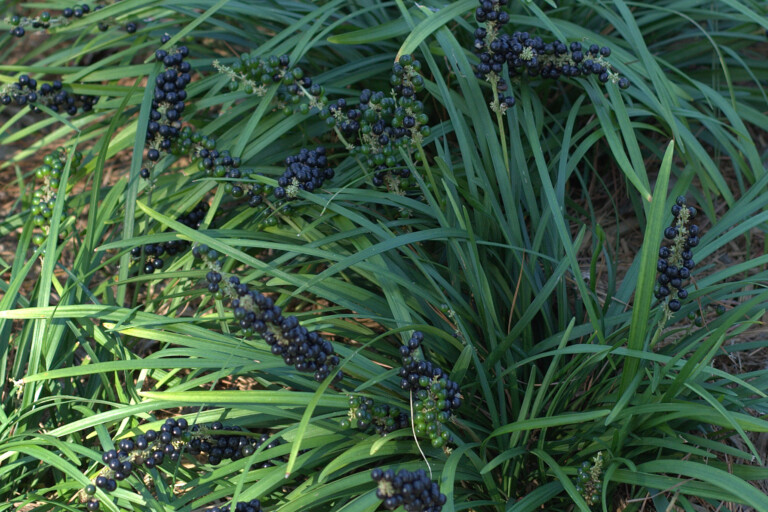
This sedge forms fine, grasslike leaves often semi evergreen and typically reaches 6 to 12 inches tall. Flowers are small spring spikelets rather than showy blooms so the plant reads as a textured grassy mat when not in flower. Expect a low, delicate habit rather than tall blades.
Best uses and where to grow
Use Pennsylvania Sedge Grass as a shade groundcover beneath trees, in woodland edges and on dry to moderate slopes for erosion control. It tolerates part shade to full shade and can take light sun in cooler sites. It is generally hardy in USDA zones 3 to 8 and performs best in well drained locations.
Planting time and spacing
Sow seed in fall or after cold stratification and divide established clumps in spring or fall. When planting nursery plugs space them roughly 12 to 24 inches apart so each plant can form its natural colony without overcrowding. Avoid deep planting; match the crown to the soil surface.
Soil and watering
Pennsylvania Sedge prefers dry to medium moisture well drained soils and tolerates sandy or rocky low fertility sites. Poor drainage and waterlogged clay reduce vigor and lead to decline. Once established it needs minimal supplemental water except during prolonged drought or when used in sunnier exposures.
Maintenance and after-flowering care
Maintenance is low. Flowering is inconspicuous in spring and requires no special grooming. Remove heavy leaf litter or pull back thatch if it forms dense mats, and divide congested patches in spring or fall to refresh growth. Minimal fertilization helps keep spread moderate.
Controlling spread and naturalizing
The species spreads slowly by short rhizomes to form colonies roughly 12 to 24 inches across but can expand patch size over multiple seasons. Control spread by reducing soil fertility, dividing clumps, removing runners, or installing edging. Rate of expansion depends strongly on light, soil and moisture conditions.
Propagation
Propagate by seed, division or nursery plugs. Seed is commonly sown in fall or stratified before sowing. For rapid establishment use plugs or divided sections of existing colonies planted at the same depth they were growing. Short rhizomes also allow natural patch expansion over time.
Frequently asked questions
- How fast does Pennsylvania Sedge Grass grow?
- It spreads slowly by short rhizomes and builds visible colonies over multiple seasons. Rate varies with soil fertility, light and moisture.
- Is Pennsylvania Sedge Grass good for deep shade?
- Yes. It tolerates part shade to full shade and is well suited to woodland groundcover situations.
- Can it handle sun?
- It tolerates light sun in cooler, well drained sites but may thin in hot afternoon sun unless moisture is adequate.
- Is it invasive?
- Not typically. It forms slowly spreading colonies rather than aggressive runners, though patch size can increase over time depending on site conditions.
- When does it bloom?
- Bloom is in spring, often April to May in temperate North America, producing small spikelets rather than showy flowers.
- How can I propagate it?
- Grow from seed, by dividing established clumps in spring or fall, or plant nursery plugs for quicker coverage.
Related Plants


Mentioned In (1)
Plants
10 Plants That Look Like Monkey Grass
Monkey grass is a favored ornamental grass for coastal gardens as it is salt tolerant. There are two main options…