
Key Facts
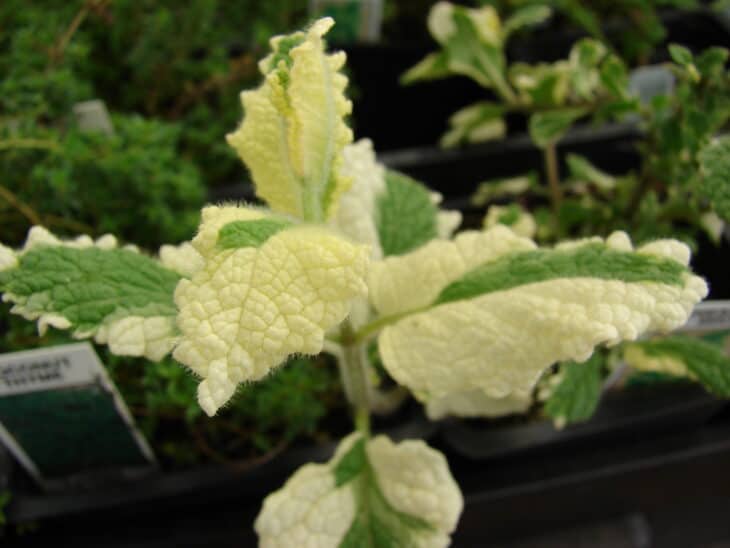
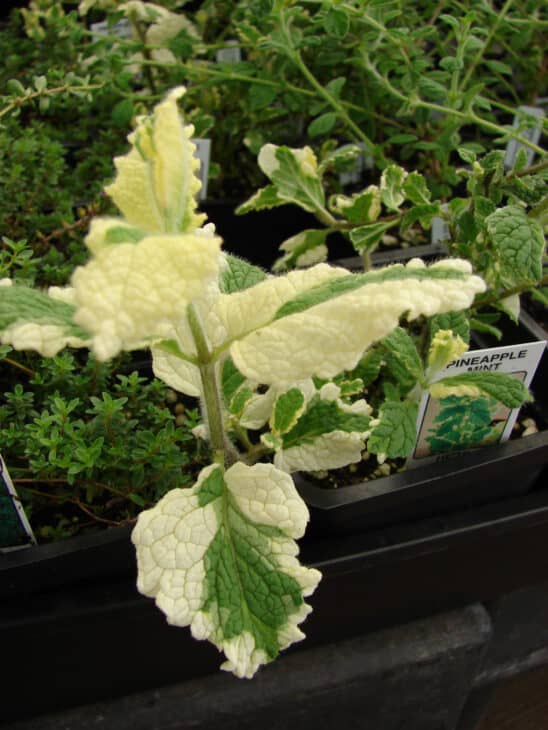
- A variegated cultivar of apple mint.
- Cream margined fragrant leaves that brighten borders.
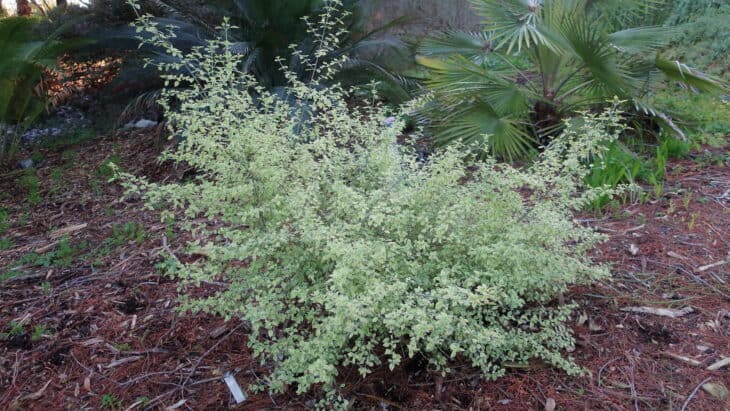
- Forms low mounds of foliage.
- Spreads vigorously by rhizomes and runners.
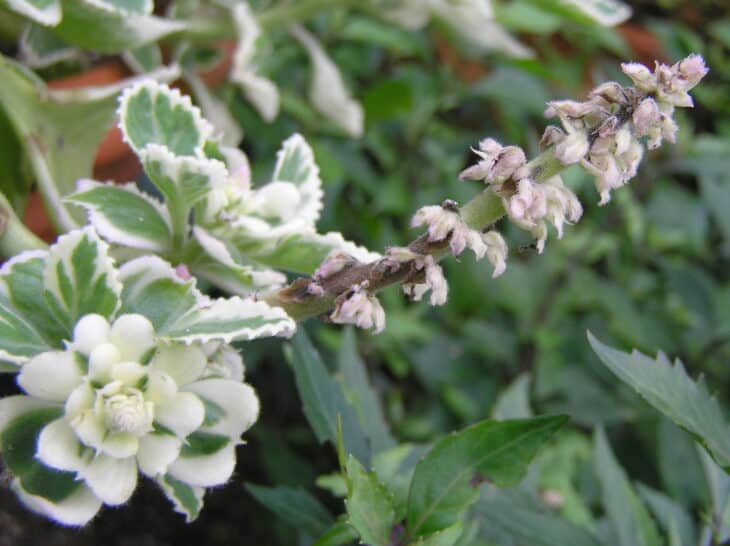
- Produces pale purple to pink flower spikes in summer.
- Attracts bees and other pollinators when in bloom.
- Useful in containers to contain its spread.
Variegated Mint is a variegated form of apple mint prized for cream margined fragrant leaves that brighten beds and borders while forming low mounds. It spreads vigorously by rhizomes and runners so containers or barriers are often used to keep it from taking over nearby plantings.
Identification
Variegated Mint has fragrant, cream edged leaves on low mounds that typically reach 12 to 24 inches tall. In summer it produces pale purple to pink flower spikes that attract bees and other pollinators. The cultivar spreads outward by runners and underground rhizomes and will form patches if unchecked.
Best uses and places to grow
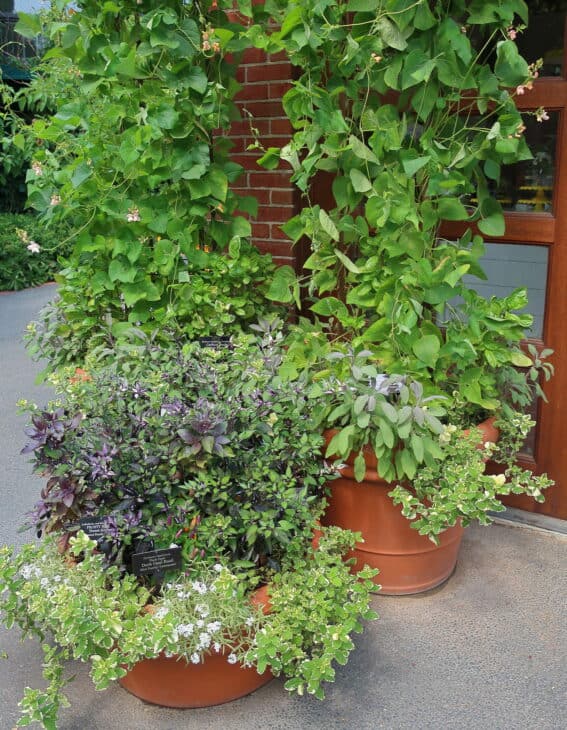
Use Variegated Mint as a fragrant edging or in mixed containers where its bright foliage can be contained. It works well in pollinator pockets and informal herb gardens. Avoid planting it where low growing native plants could be overwhelmed since it spreads rapidly under favorable moisture and fertility.
Where it grows and hardiness
This mint is generally hardy in USDA zones 5 to 9 and tolerates cool winters with dieback to the ground followed by spring regrowth. It adapts to a range of soils but performs best where soil stays moderately moist and winters are not unusually severe.
Planting and spacing
Space plants to allow for a mature spread of about 24 to 48 inches so crowns have room to form low mounds without immediate competition. Set transplants at the same level they grew in the pot, firm soil around roots gently and water in. Containers reduce spread and simplify maintenance.
Soil and watering
Variegated Mint prefers moist fertile, well drained soil but tolerates heavier soils. Regular moisture supports vigor and flowering while prolonged drought reduces growth and bloom. Avoid waterlogged crowns because poor drainage can cause rot, and amend very sandy soils to help retain moisture.
Light and temperature
Grow in full sun to part shade, with afternoon shade beneficial in hot dry climates to reduce heat stress. In shadier sites the plant may grow leggier and flower less, while full sun and consistent moisture produce the most compact, fragrant foliage.
After flowering care
Remove spent flower spikes to keep plants tidy and to encourage fresh foliage. Cutting back after bloom prevents seed set and reduces legginess. Periodic trimming keeps the mound compact and refreshes new growth through the season.
Containment and control
Variegated Mint spreads vigorously by rhizomes and runners so contain with pots, buried root barriers, or frequent edging and division. Regularly remove errant runners from beds and divide crowded patches to prevent it from overtaking other plants.
Propagation
Propagate easily by division, stem cuttings, or rooting runners. Division is the fastest way to establish a known cultivar, while cuttings root readily in water or a moist medium. Rooted runners make quick new plants for other containers or beds.
Frequently asked questions
- How fast does Variegated Mint grow?
- It spreads vigorously by runners and rhizomes and can form large patches within a single growing season in favorable conditions, especially with consistent moisture and fertile soil.
- Is Variegated Mint invasive?
- Yes it can be invasive in beds because of aggressive rhizome growth. Use containers or root barriers and divide regularly to keep it under control.
- When does Variegated Mint bloom?
- It typically blooms in summer with pale purple to pink flower spikes, though exact timing varies by climate and latitude.
- Can pets eat Variegated Mint?
- Fresh mint is generally edible for people, but concentrated mint oils can irritate skin and may cause gastrointestinal upset in pets. Check ASPCA or local poison control for specific pet safety guidance.
- How do I keep plants compact?
- Trim flower spikes and prune back foliage regularly, grow in containers to limit root spread, and divide crowded plants to renew compact growth.
Gallery
Related Plants


Mentioned In (2)

Plants
6 Plants That Look Like Lemon Balm
Lemon balm is one of more than seven thousand species in the mint plant family (Lamiaceae). Lemon balm is also…

Plants
Top 12 Insect Repelling Plants
Want to enjoy your patio without the constant buzz and bite of mosquitoes? While no plant alone will eliminate these…