
Key Facts
- Perennial herb in the mint family.
- Leaves and stems produce a minty aromatic oil attractive to many cats.
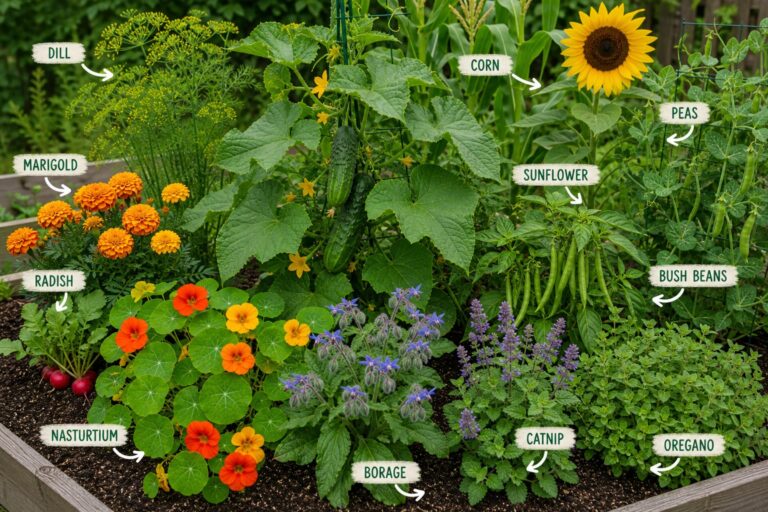
- Small tubular white to pale lavender flowers attract bees and other pollinators.
- Prefers well drained soil and tolerates poor, dry, or rocky sites.
- Grows easily from seed and can self seed and spread if not managed.
- Performs best in full sun and tolerates some light shade.
- Generally regarded as non toxic to cats and dogs though large amounts may cause mild stomach upset.
Catnip is a fragrant perennial herb in the mint family grown for its aromatic foliage and small pale flowers. It is commonly used in herb and pollinator gardens and as a cat attractant, though plants can self seed and spread if not managed.
Identification and size
Catnip has a minty aroma from oils in its leaves and stems and bears small tubular white to pale lavender flowers that attract bees. Plants typically reach about 1 to 3 feet tall and spread roughly 1 to 3 feet, with exact size varying by cultivar and site fertility.
Best uses and where to grow
Use Catnip in herb beds, pollinator borders, and informal cottage plantings where its scent and flowers add interest. It performs best in full sun with some light shade accepted and is hardy in USDA zones 3 to 9, showing winter dieback in colder zones and more persistent growth in warmer areas.
Planting and spacing
Start plants from seed or transplants and allow 1 to 3 feet between plants to match mature spread. Catnip grows easily from seed and will self seed, so space plants where volunteers are acceptable or plan for deadheading and occasional division to keep colonies in check.
Soil and watering
Plant in well drained soil and avoid heavy wet sites that lead to decline or root rot. Catnip tolerates average to poor dry or rocky soils. Water regularly until established and then reduce watering to prevent soft, floppy growth and root problems associated with overwatering.
After flowering and maintenance
Deadhead spent flowers to limit self seeding and to encourage additional bloom. Cut plants back after heavy flowering to renew foliage and maintain a compact habit. Divide congested clumps to restore vigor and to control spread while salvaging new transplants for other parts of the garden.
Propagation and controlling spread
Propagate by seed, by dividing established clumps, or from softwood cuttings. Because Catnip readily self seeds it can naturalize in favorable sites. Manage volunteers with deadheading, timely division, or by pulling seedlings before they set seed.
Containers and small space use
Catnip can be grown in containers when using a free draining mix to avoid soggy soil. Containers help limit spread and make it easier to remove plants that begin to self seed. Choose a pot that allows 1 to 3 feet of mature spread or plan to prune and repot as needed.
Frequently asked questions
- How fast does Catnip grow?
- Catnip establishes readily from seed and will form clumps that reach roughly 1 to 3 feet in height and spread within a growing season depending on site and cultivar.
- Is Catnip safe for my cat?
- Catnip is generally regarded as non toxic to cats and dogs. Large amounts of ingestion can cause mild stomach upset, so observe pets and limit access if needed.
- Will Catnip become invasive?
- Catnip self seeds and can form colonies if allowed to set seed. In many gardens it naturalizes rather than aggressively displaces other plants, but deadheading and division help control spread.
- How do I propagate Catnip?
- Propagate by direct seeding, by dividing established clumps, or from softwood cuttings. Division is useful to control spread and to renew plant vigor.
- When does Catnip bloom?
- Flowering typically occurs from late spring into early fall in many climates, with exact timing varying by locale and cultivar.
Related Plants


Mentioned In (2)
Plants
Companion Plants for Cucumber: What Works (and what Doesn’t)
Cucumber beetles are one of the most destructive forces in the vegetable garden — and they don't just eat foliage.…

Plants
13 Plants That Look Like Salvia, and How to Tell Them Apart
The plants most often mistaken for salvia are its relatives in the mint family: catmint, catnip, anise hyssop, hyssop, betony,…