
Key Facts
- Deciduous oak native to much of Europe and parts of western Asia.
- Produces acorns that sit nearly stalkless on the twig.
- Long lived tree commonly used for timber and landscape planting.
- Flowers in spring as inconspicuous catkins and is wind pollinated.
- Prefers well drained soils and tolerates heavier soils that are not waterlogged.
- Supports a wide range of wildlife and invertebrates.
- Propagated by seed and by nursery grown transplants.
- Leaves are lobed and turn late autumn colors in temperate climates.
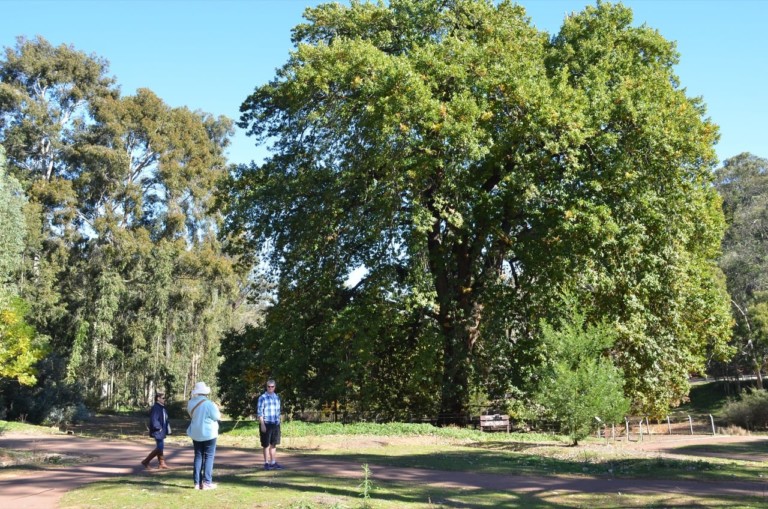
French Oak (Quercus petraea), also called sessile oak or durmast oak, is a large deciduous tree native to much of Europe. It is grown for durable timber, a broad shady canopy and abundant wildlife value, but needs space and well drained soil to avoid long term decline.
Identification
Leaves are lobed and turn late autumn colors in temperate climates. Flowers appear in spring as inconspicuous catkins that are wind pollinated. Acorns sit nearly stalkless on the twig. Mature height commonly reaches about 15 to 25 meters with a broad crown often similar in width to the tree height.
Best uses and where to grow
Use French Oak as a specimen or park tree where there is room for a large canopy and deep roots. It suits temperate landscapes and is widely used for timber and habitat planting. Avoid small urban plots and locations with chronic waterlogging; poor drainage and compacted soils reduce vigor and lifespan.
Planting and spacing
Allow plenty of room for a mature crown spread of roughly 9 to 18 meters. Space trees at least the expected mature crown distance from buildings, other trees and overhead utilities to prevent future conflicts. When planting nursery stock set the root flare at soil level and avoid burying the trunk to reduce risk of decline.
Soil and light
French Oak prefers deep, well drained acidic to neutral soils and tolerates heavier loams and clays provided they are not waterlogged. It performs best in full sun but will tolerate partial shade when young. Poor drainage and prolonged wet feet are common causes of decline, so site choice matters more than fertilizer for long term health.
Watering and establishment
Keep newly planted trees watered through the first two to three growing seasons until roots establish, especially during dry spells. In drier or warmer regions watch for drought stress which can cause reduced growth and leaf browning. Once established the species tolerates a range of conditions but young trees remain most vulnerable to prolonged drought or waterlogging.
After flowering and pruning
Flowering is inconspicuous and does not require follow up care. Prune sparingly to remove dead, diseased or crossing branches and carry out major pruning in dormancy to reduce stress. Avoid excessive crown reduction which can lead to decay and poor form in a long lived timber tree.
Propagation
Propagate by seed using acorns collected in autumn then cold stratified before sowing, or plant nursery grown transplants and grafted stock for faster establishment. Cuttings are generally difficult. Collect acorns after they fall and confirm local stratification timing and viability for best results in your climate.
Wildlife value and safety
French Oak supports a wide range of wildlife and invertebrates and produces acorns that feed birds and mammals. Acorns and young leaves contain tannins and can cause digestive upset or poisoning in livestock and pets if eaten in large quantities. Keep animals away from heavy mast and consult local animal health guidance for risks.
Spread and naturalizing control
The species readily produces seedlings from acorns and can naturalize in suitable sites. To prevent unwanted spread remove seedlings while small and manage understory competition. In larger plantings accept natural regeneration where ecological value is desired or plan for periodic removal if landscape control is needed.
Frequently asked questions
- How fast does French Oak grow?
- Growth rate varies with soil, climate and site. Trees often grow faster on deep fertile soils and slower in cold or poor sites; long lived trees develop substantial size over many decades.
- When does French Oak flower?
- It flowers in spring, producing inconspicuous catkins that are wind pollinated. Exact months vary by climate and hemisphere.
- Are the acorns edible?
- Acorns are bitter to humans because of tannins and require processing to remove tannins before eating. They are an important wildlife food.
- Is French Oak suitable for small gardens?
- No. Its mature height and 9 to 18 meter crown spread make it unsuitable for small yards; choose it only where space allows a large canopy and root system.
- How do I propagate French Oak?
- Collect acorns in autumn and cold stratify before sowing, or buy nursery transplants. Cuttings are generally difficult and less reliable.
Related Plants


Mentioned In (2)
Oak
9 Types Of Oak Trees In Australia
Did you know that there are over 600 Oak species in the world? Oaks are part of the Quercus genus. They…

Oak
76 Types of Oak Trees in North America (foliage photos)
Because of all the forests in North America, you can find just about every tree you can think of if…