
Key Facts
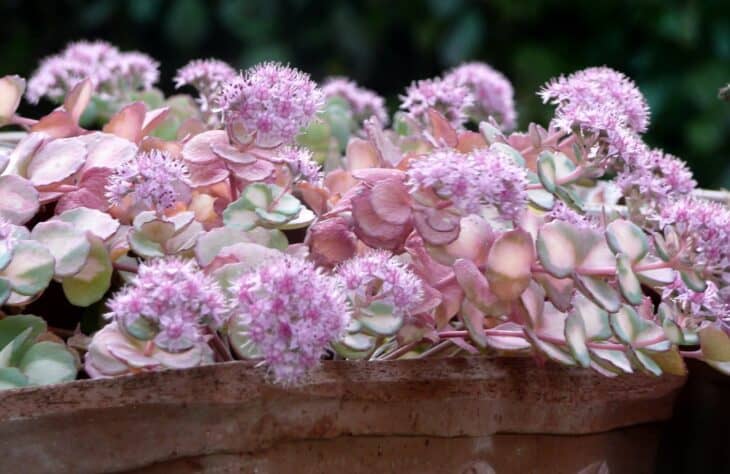
- A low growing succulent groundcover with rounded leaves.
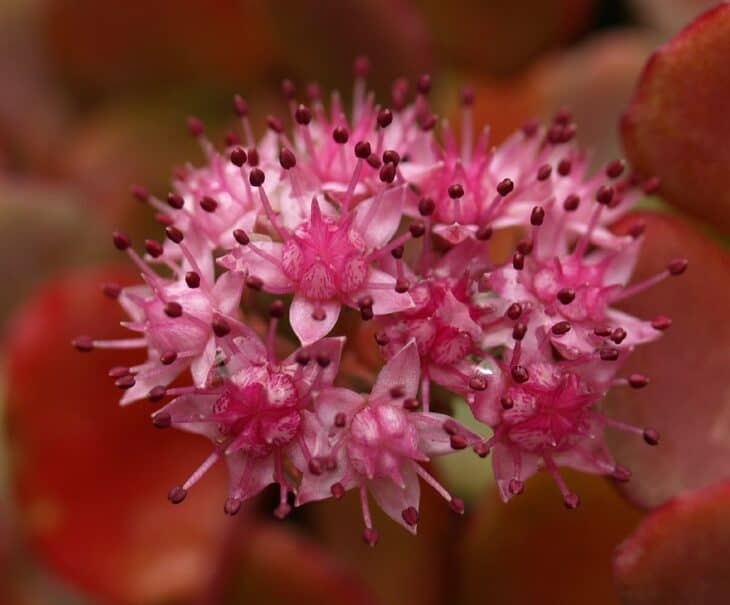
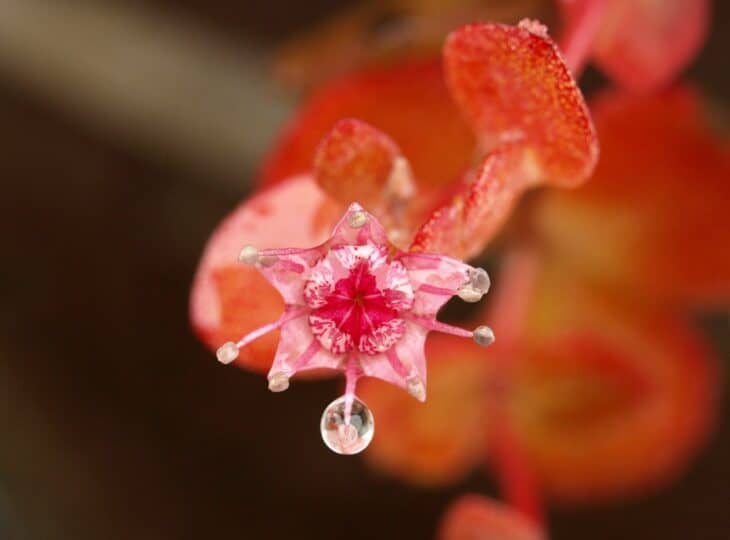
- Produces small pink flowers in late summer into fall.
- Leaves often take on reddish tones in cool weather.
- Prefers well drained soil and resists drought once established.
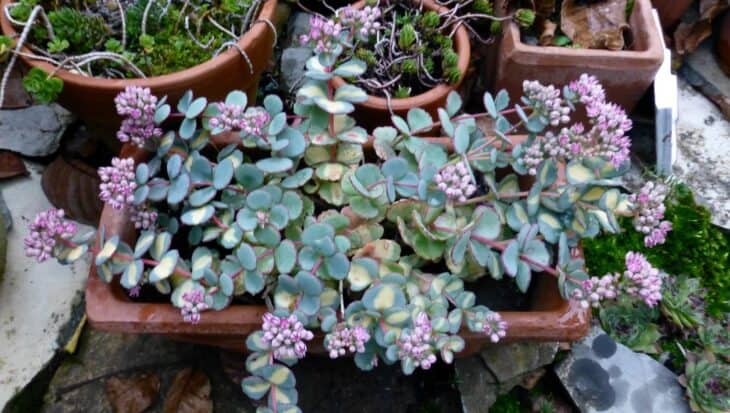
- Useful in rock gardens, borders, and containers.
- Spreads slowly by short stolons or clump division.
- Attractive to pollinators when in bloom.
- Easy to propagate from cuttings or division.
October Daphne Stonecrop (Sedum sieboldii) is a low succulent groundcover with rounded leaves and late summer to fall pink flowers. It works well in rock gardens, borders and containers but needs well drained soil to avoid rot.
Identification
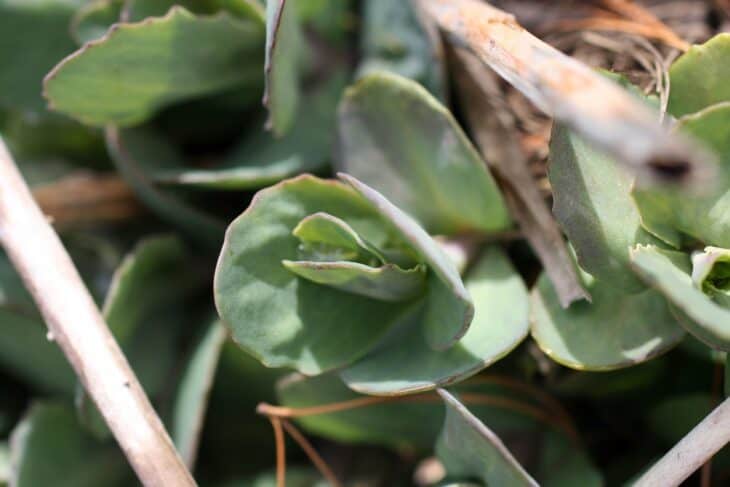
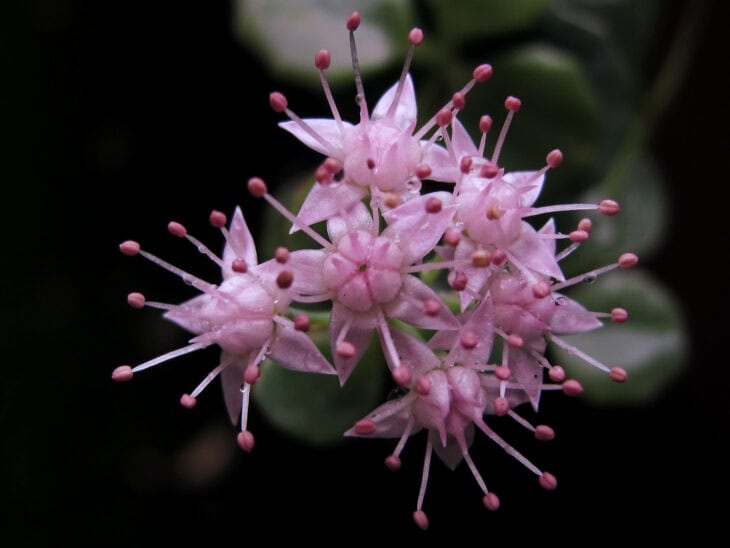
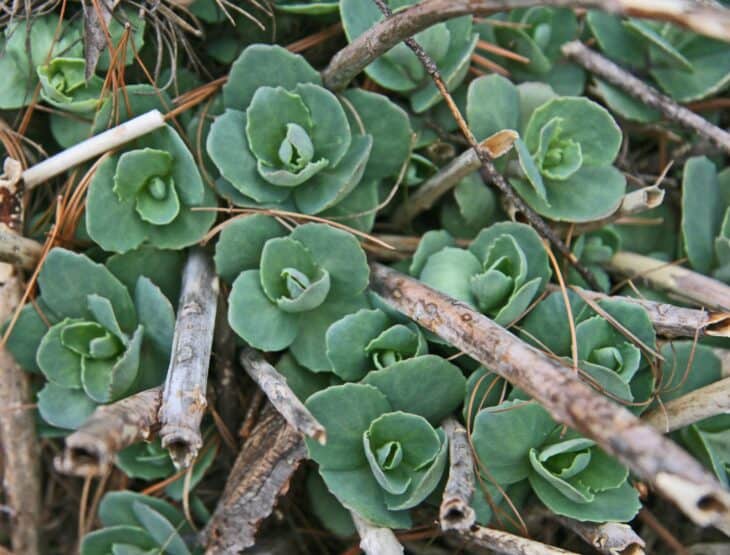
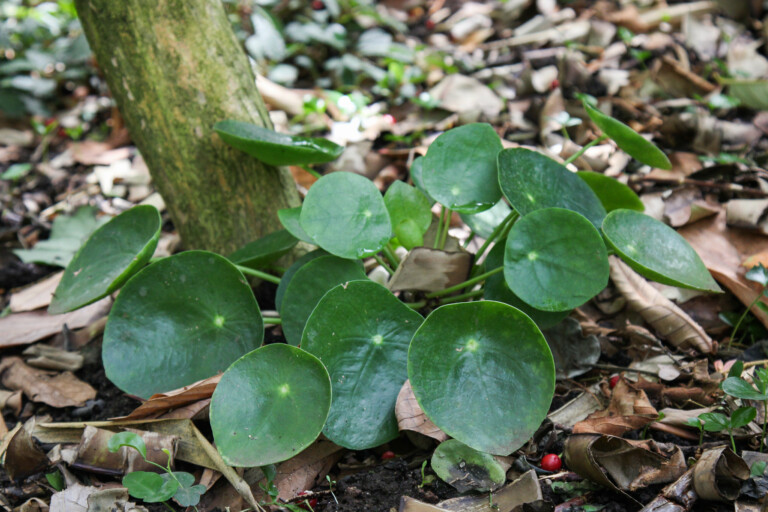
Leaves are small, rounded and succulent and often take on reddish tones in cool weather. Small pink star shaped flowers appear in late summer into fall and draw pollinators. The plant forms low mats and spreads slowly by short stolons or by dividing clumps.
Best uses and where to grow
Use it as a drought tolerant groundcover in rock gardens, edging for borders or in mixed containers where low texture and late season color are wanted. It performs in full sun to part shade and full sun encourages stronger flowering and autumn leaf color. Hardiness is widely treated as roughly USDA 5 to 9 but confirm for your location.
Soil and planting
Choose a free draining soil with lean to average fertility and avoid heavy clay or waterlogged sites. Plant so the crown sits level with the soil surface and give plants room to form mats. Good drainage is the single most important site requirement because poor drainage commonly leads to rot in succulent sedums.
Watering and routine care
Plants resist drought once established so water sparingly and allow the soil to dry between waterings. Overwatering produces yellowing fleshy leaves, soft stems and rot. After flowering trim spent flower stems to tidy the mat and divide congested clumps in spring to renew vigor and control spread.
Containers and winter care
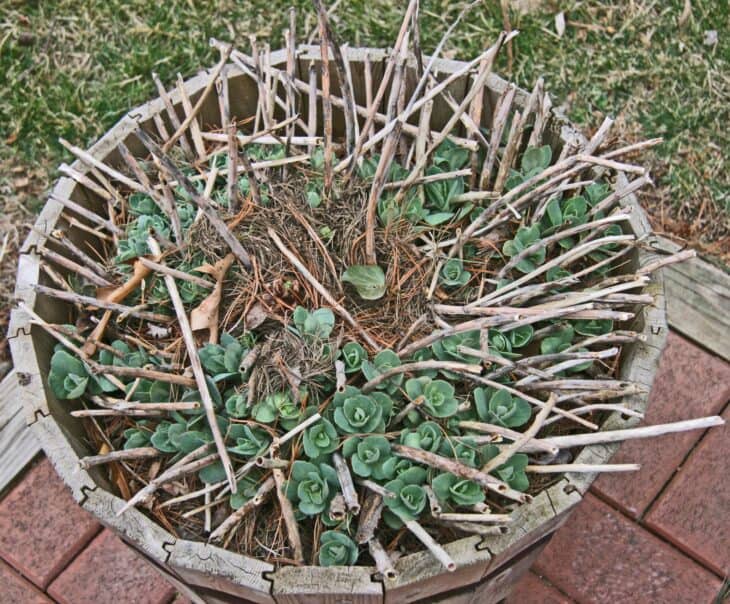
October Daphne Stonecrop suits shallow or wide containers if you use a fast draining potting mix and provide adequate sun. Let the potting mix dry between waterings to prevent rot. In colder areas keep container grown plants protected from prolonged wet cold and consider moving pots to a sheltered spot for winter.
Controlling spread and naturalizing
The species spreads slowly by short stolons and by clump division so it rarely becomes aggressive. Control is simple by lifting and dividing or removing runners where they are unwanted. Regular division also refreshes plants and keeps mats dense and attractive.
Toxicity and wildlife
October Daphne Stonecrop is not widely listed as highly toxic but ingestion could cause mild stomach upset. Verify current guidance with your local poison control or the ASPCA before planting around pets or small children. Flowers attract bees and other pollinators when in bloom.
Frequently asked questions
- How fast does October Daphne Stonecrop grow?
- It spreads slowly by short stolons and by dividing clumps. Expect gradual mat formation over seasons rather than rapid coverage.
- When does it bloom?
- Bloom is in late summer into fall. In the northern hemisphere the typical months are August through October but timing shifts with climate.
- Is it drought tolerant?
- Yes once established it resists drought. Young plants need regular moisture until roots are settled and all plants require well drained soil to avoid rot.
- Can I propagate it from cuttings?
- Yes. Stem cuttings, leaf rooting and division are all reliable. Take cuttings in spring or summer for quickest rooting and divide established clumps to expand plantings.
- Will it survive winter in pots?
- It is widely treated as hardy in temperate zones roughly around USDA 5 to 9 but protect container grown plants from prolonged wet cold and confirm hardiness for your cultivar and site.
Gallery
Related Plants


Mentioned In (1)
Plants
10 Plants That Look Like Pilea Peperomioides (Chinese Money Plant)
Pilea peperomioides got its common name, the Chinese money plant, from its leaves which are round and shaped like coins.…