
Key Facts
- Member of the mint family Lamiaceae.
- Described as a small aromatic perennial herb.
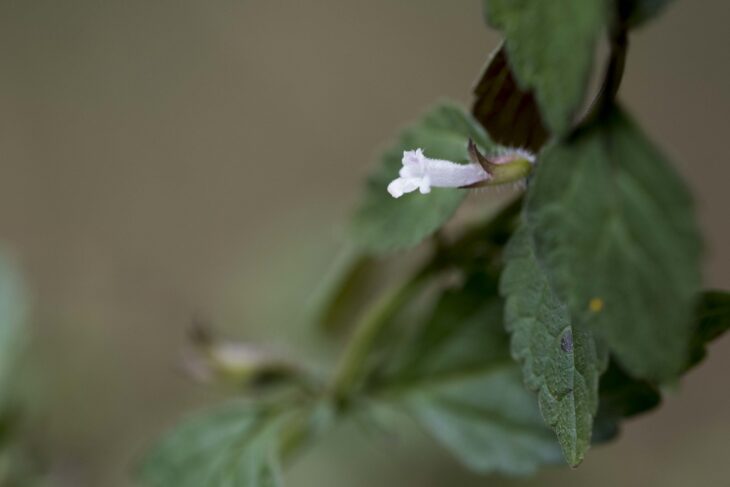
- Flowers are borne in the leaf axils and are relatively small.
- Used in some regions as an ornamental and aromatic plant.
- Prefers well drained garden soil and some sun.
- Can be propagated by seed and by vegetative cuttings.
- Leaves are opposite which is typical for mint family plants.
Small-Flowered Melissa (Melissa axillaris) is a small aromatic perennial in the mint family with opposite leaves and small flowers borne in the leaf axils. It is grown for foliage and scent and performed as a low-mounded ornamental where a compact aromatic herb is wanted, though exact behavior varies with climate and site.
Identification
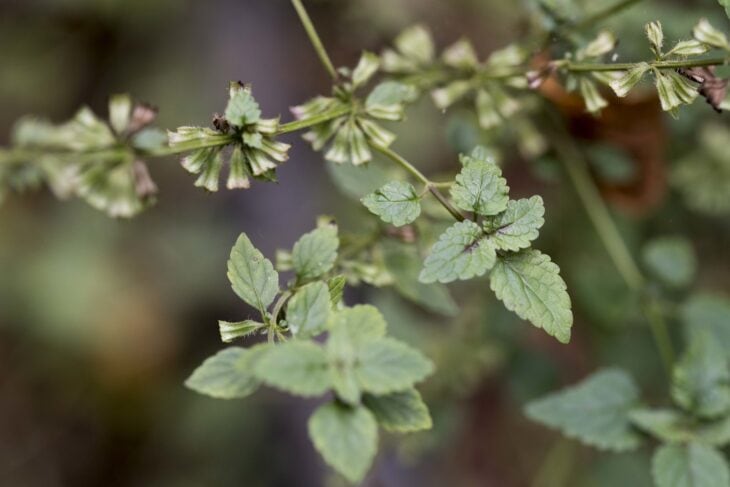
Member of the Lamiaceae or mint family, this species is a small aromatic perennial herb. Leaves are opposite which is typical of mints and the flowers are relatively small and appear in the leaf axils. The overall habit is low and clumping rather than upright or vining.
Where to grow and best uses
Used in some regions as an ornamental and aromatic plant, Small-Flowered Melissa suits low borders, mixed herb beds and small-scale groundcover areas. Its compact size and scent make it useful near paths and patios where foliage can be appreciated at close range.
Planting and spacing
Expect a compact clump habit with typical mature height around 15 to 45 cm and spread commonly 30 to 60 cm in cultivation. Space plants roughly 30 to 60 cm apart to allow a low, even mound to form. Planting during the local active growth season helps establishment.
Soil and light
Prefers well drained, fertile garden soil and tolerates average soils. Plant in full sun to part shade and provide some afternoon shade in hot climates to reduce leaf scorch and preserve aroma. Avoid waterlogged sites that cause root decline.
Watering and maintenance
Moderate watering on well drained soil supports steady growth. Overwatering or persistently wet soil leads to poor growth and root problems. Light trimming keeps a tidy mound and removing old or leggy stems promotes fresh foliage.
Propagation and after-flowering care
Propagation is commonly by seed and by vegetative cuttings. Division or stem cuttings in spring or summer are likely to be successful. After flowering, removing spent flowering stems and selectively dividing crowded clumps refreshes vigor.
Spread and control
Often forms a low clump roughly 30 to 60 cm across in cultivation but local spread can vary with site and cultivar. Control spread by regular division, hand removal of unwanted shoots and by edging in beds where containment is required.
Frequently asked questions
- How fast does Small-Flowered Melissa grow?
- Growth rate varies with soil, light and climate. In cultivation it commonly reaches the typical mature size of about 15 to 45 cm tall and 30 to 60 cm across under favorable conditions, often within a single active growing period.
- Is Small-Flowered Melissa invasive?
- No authoritative invasive status is provided here. Spread behavior varies by region and site, so monitor new plantings and control by division or edging if it spreads more vigorously than desired.
- Can Small-Flowered Melissa be grown in containers?
- Its compact habit and aromatic foliage make it suitable for containers and small beds where a low, scented plant is wanted. Ensure good drainage and moderate watering in pots.
- How do I propagate Small-Flowered Melissa?
- Propagate from seed or by vegetative cuttings. Division and stem cuttings taken in spring or summer are commonly used and typically successful in cultivation.
- Is Small-Flowered Melissa safe for pets?
- No authoritative reports of severe toxicity are cited here but pet safety is not confirmed. Avoid ingestion and verify safety with a poison control authority or veterinary toxicology source before assuming non toxicity.
Gallery
Related Plants


Mentioned In (1)

Plants
6 Plants That Look Like Lemon Balm
Lemon balm is one of more than seven thousand species in the mint plant family (Lamiaceae). Lemon balm is also…