
Key Facts
- Evergreen conifer native to mountainous regions of Mexico and Central America.
- Grown for timber and as an ornamental specimen tree.
- Has a straight trunk and a relatively narrow crown compared with some pines.
- Prefers well drained soils and regular moisture when young.
- Propagated mainly by seed and by grafting for named cultivars.
- Not grown for showy flowers and reproduces using male and female cones.
Mexican Pine (Pinus ayacahuite) is an evergreen conifer from mountainous Mexico and Central America grown for timber and as an ornamental specimen tree. It has a straight trunk and a relatively narrow crown which makes it useful where a taller, tighter form is wanted.
Identification
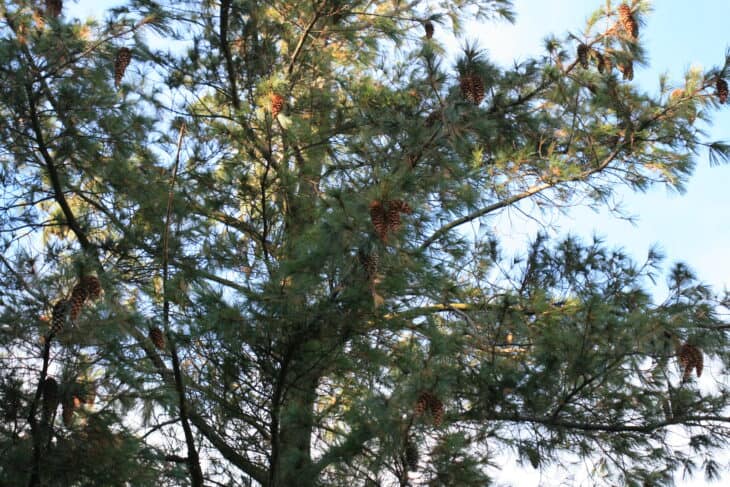
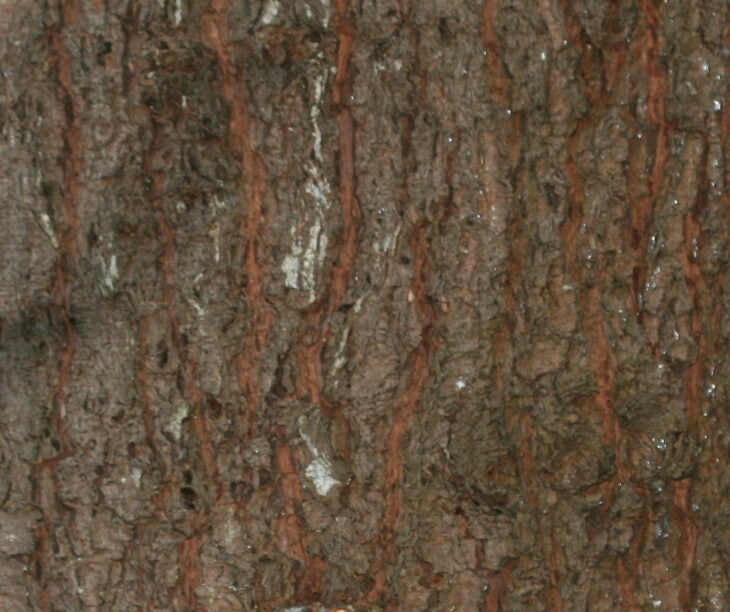
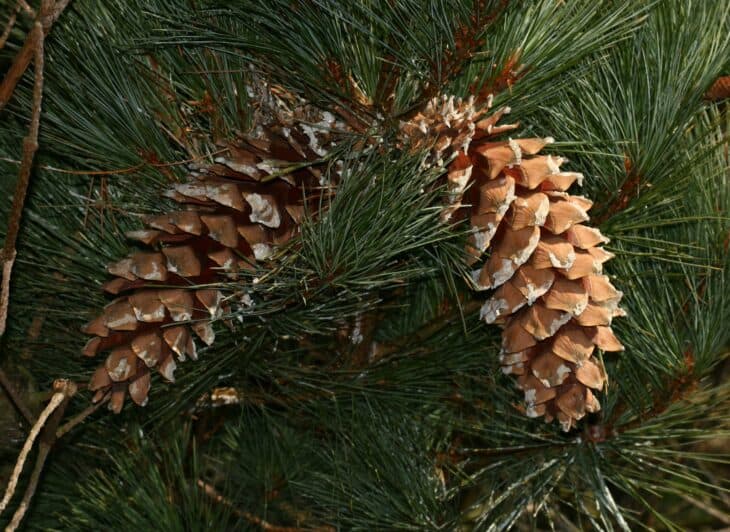
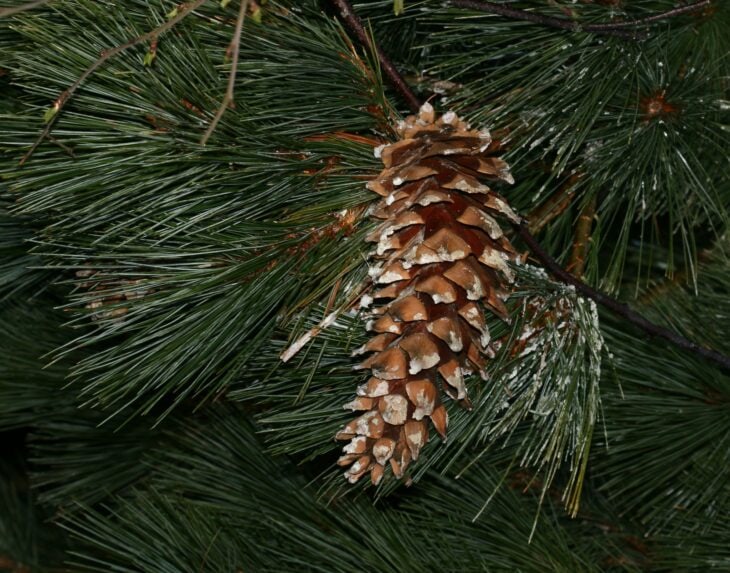
Reach and form vary with provenance but mature trees in cultivation and native stands commonly reach between 40 and 100 feet tall with a narrower crown than some other pines. Needles and cones are the reproductive structures rather than showy flowers. The trunk is typically straight which aids its use as a specimen or timber tree.
Best uses and landscape placement
Use Mexican Pine as a specimen tree or for small windbreaks where height is desired without an overly broad crown. It is grown for timber and as an ornamental specimen. Allow room for a crown spread typically in the 25 to 40 foot range when siting the tree so neighboring plants are not crowded as the tree matures.
Where to grow and spacing
USDA hardiness around zones 7 to 9 is commonly reported but check local sources for your provenance. Space trees at least the expected mature crown spread apart from other trees and structures. In open plantings give 25 to 40 feet between trees so crowns do not compete and root zones have room to develop.
Planting time and method
Plant young container trees or ball and burlap stock during the cooler part of the year for easier establishment in temperate regions. Set the root flare at ground level and do not bury the trunk. Backfill with native soil and water in to remove air pockets while keeping drainage good.
Soil and watering
Mexican Pine prefers well drained loam to sandy soils with moderate acidity and tolerates poorer soils if drainage is good. Provide regular moisture while trees are establishing to prevent drought stress. Avoid waterlogged heavy clay which can cause root loss and poor establishment.
Light and general care
Full sun produces the best growth and form. Young trees tolerate light shade but will develop more slowly. After establishment routine care is mainly ensuring good drainage and occasional supplemental water in prolonged dry periods. Mulch the root zone sparingly keeping mulch away from the trunk to reduce rot risk.
Propagation
Propagate Mexican Pine mainly from seed with cold stratification for best germination. Grafting is used to propagate named cultivars and selected material. Cuttings are generally difficult and unreliable so seed and grafting are the preferred methods for establishing new trees.
Pests and problems
Poor drainage increases risk of root rot and establishment failure especially in young trees. Monitor new plantings for stress from drought or winter dieback in colder sites near the lower end of its hardiness range. Consult local forestry or extension services for region specific pests and disease guidance.
Frequently asked questions
- How fast does Mexican Pine grow?
- Growth rate varies with provenance and site conditions. Trees grow faster in warmer, fertile sites and more slowly in colder or poor soils. Mature heights of 40 to 100 feet are reported in cultivation and native stands.
- What soil does Mexican Pine prefer?
- Well drained loam to sandy soils with moderate acidity are preferred. It tolerates poorer soils provided drainage is good. Avoid heavy clay and waterlogged sites to reduce root problems.
- Is Mexican Pine suitable for containers?
- No, this species becomes a large tree and is not suitable for long term container culture. Containers limit root development and will restrict ultimate size and health.
- How should I space Mexican Pine when planting several?
- Allow for the typical crown spread of 25 to 40 feet by spacing trees at least that distance apart in open plantings. Closer spacing will produce narrower crowns but can increase competition.
- Can I propagate Mexican Pine from cuttings?
- Cuttings are generally difficult and unreliable. Seed with cold stratification and grafting for named cultivars are the standard propagation methods.
Gallery
Related Plants


Mentioned In (2)

Pine
51 Common Types of Pine Trees in North America (photos)
Wherever you go in North America, it is difficult not to see pine trees. These are tall, elegant trees that…

Pine
17 Common Types of Pine Trees in Georgia
If you’re unfamiliar with the many species of pine trees in existence, they may all look alike to you but…