
Key Facts
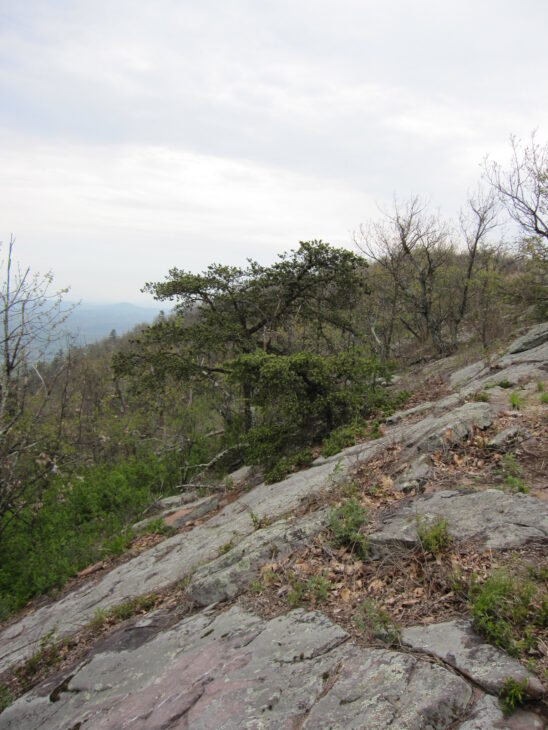
- Native to rocky ridge lines of the Appalachian Mountains.
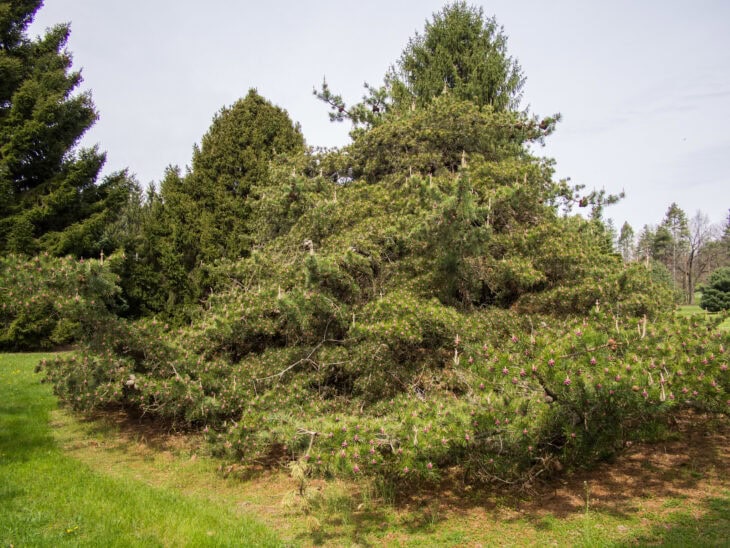
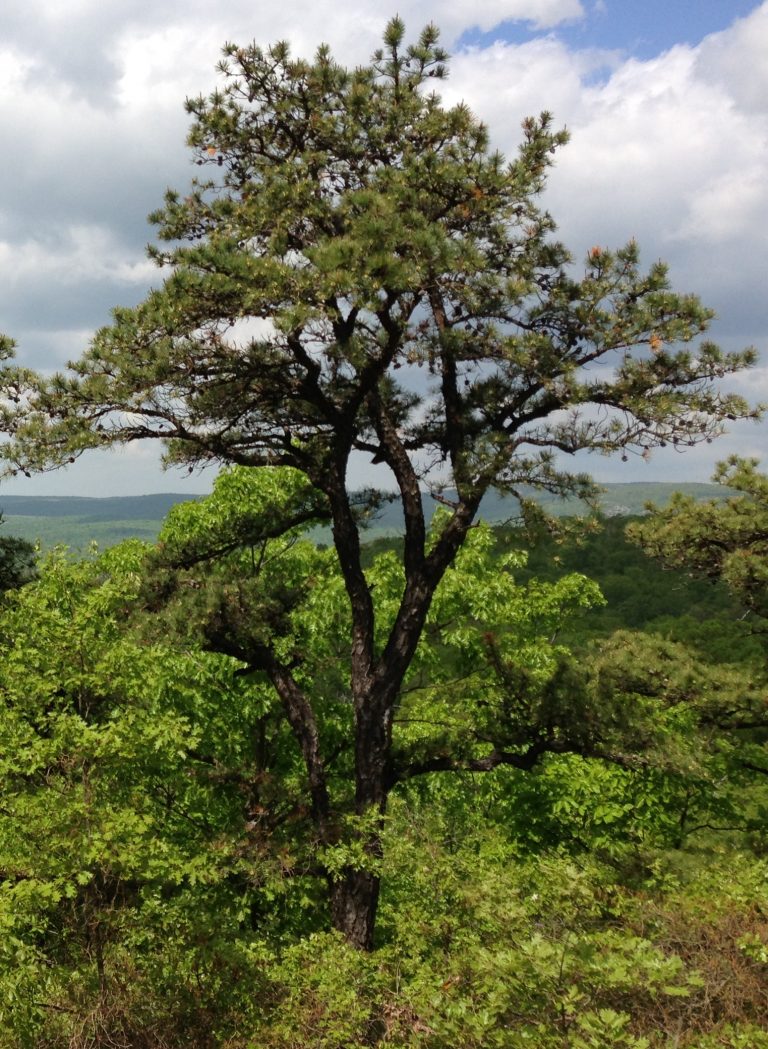
- A small evergreen pine that grows as a shrub or small tree.
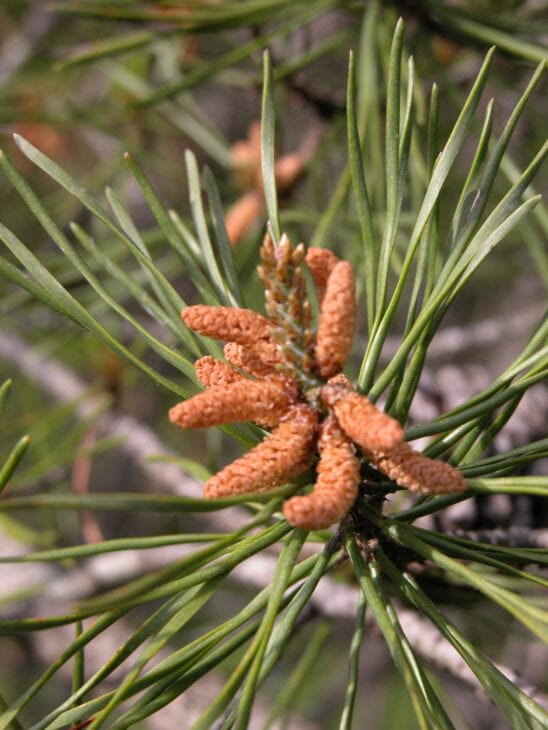
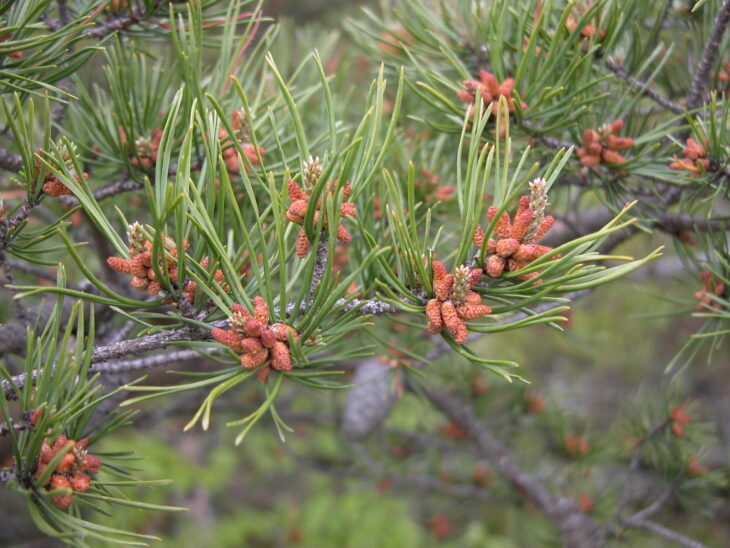
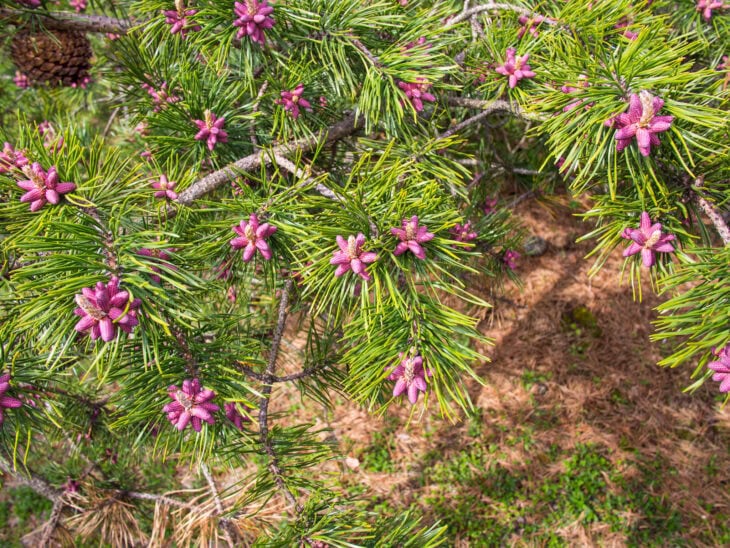
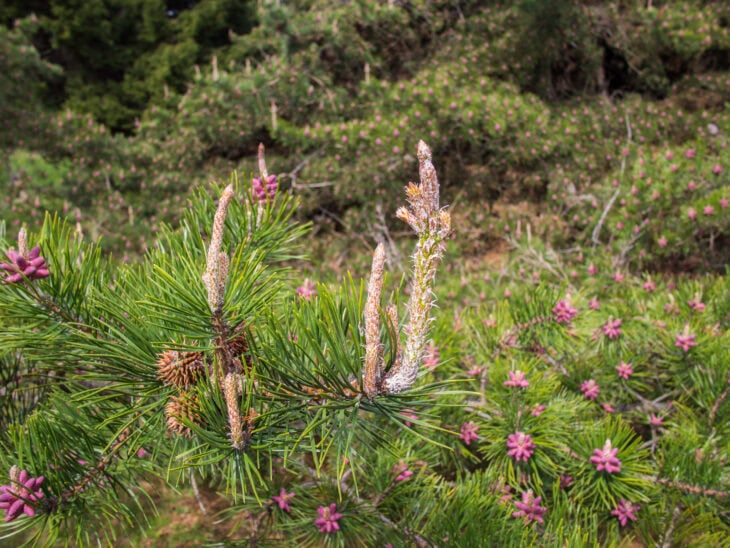
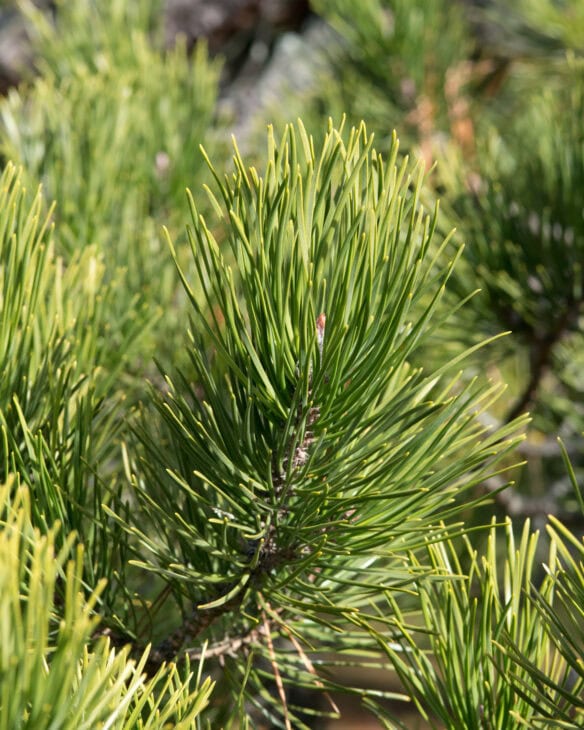
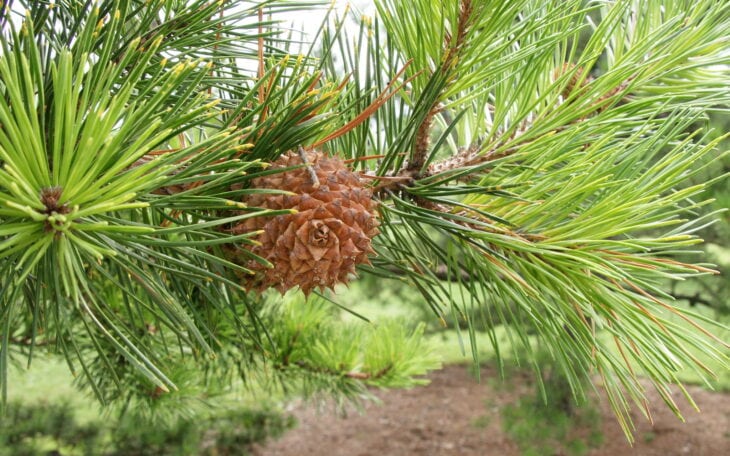
- Needles in bundles of two that are stout and sharp.
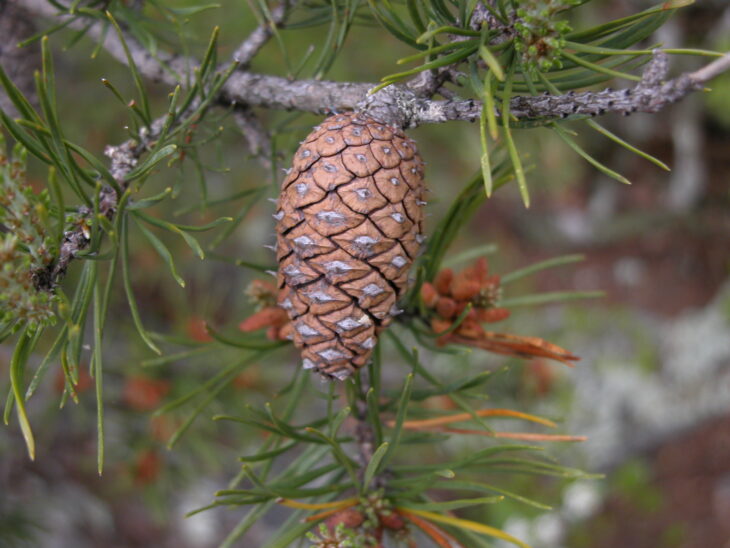
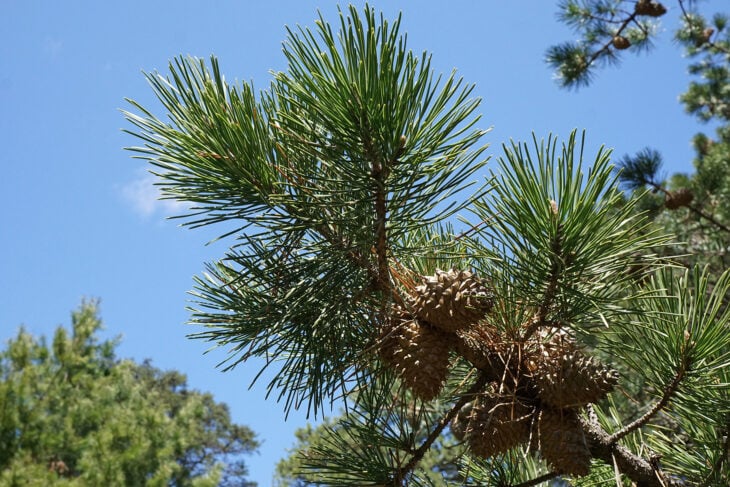
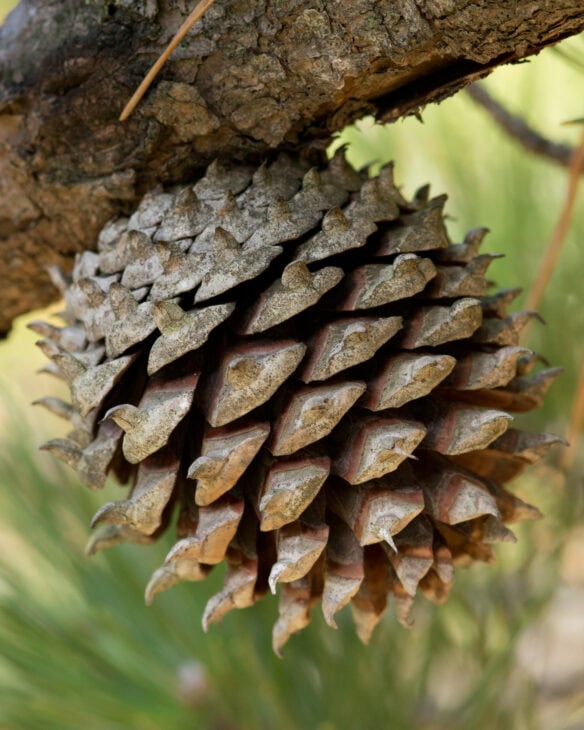
- Cones are commonly serotinous and adapted to release seed after heat.
- Prefers well drained acidic, sandy or rocky soils.
- Tolerant of dry, nutrient poor sites and exposed conditions.
- Best grown in full sun.
- Valued for erosion control and wildlife cover on poor mountain soils.
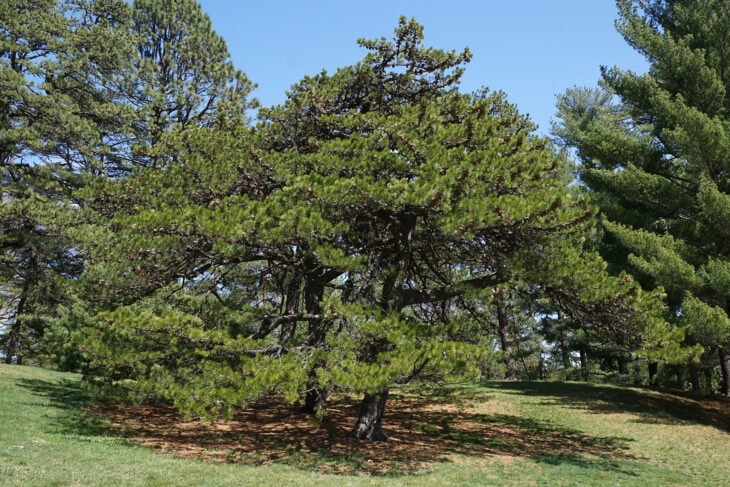
Table Mountain Pine (Pinus pungens) is a small evergreen native to rocky ridge lines of the Appalachian Mountains, often growing as a rounded shrub or a short tree. It thrives on thin, well drained acidic soils and commonly bears cones that open after exposure to heat.
Identification
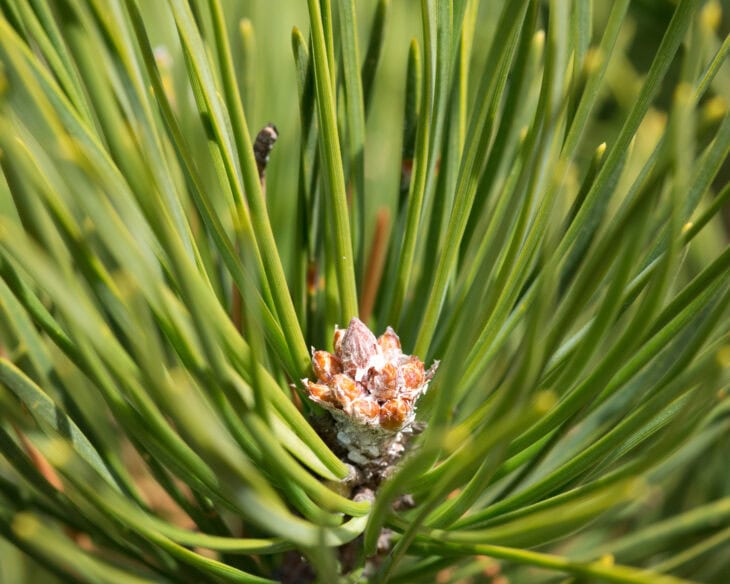
Needles occur in bundles of two and are stout and sharp, giving the plant a dense, bristly texture. Mature plants typically range from 6 to 20 feet tall with a similar spread of about 6 to 15 feet, though specimens on sheltered sites can grow larger than those on exposed crests.
Best uses and where to grow
Use Table Mountain Pine on sunny, exposed slopes where other trees struggle; it is valued for erosion control and wildlife cover on poor mountain soils. It is suited to USDA zones 4 to 7 approximately and performs best in full sun on ridges, rocky slopes and sandy, acidic sites.
Soil and light
Plant in very well drained sandy or rocky acidic soils. The species tolerates dry, nutrient poor conditions and exposed situations. Avoid heavy wet clay because poor drainage leads to root stress and increased susceptibility to dieback and pests.
Planting and spacing
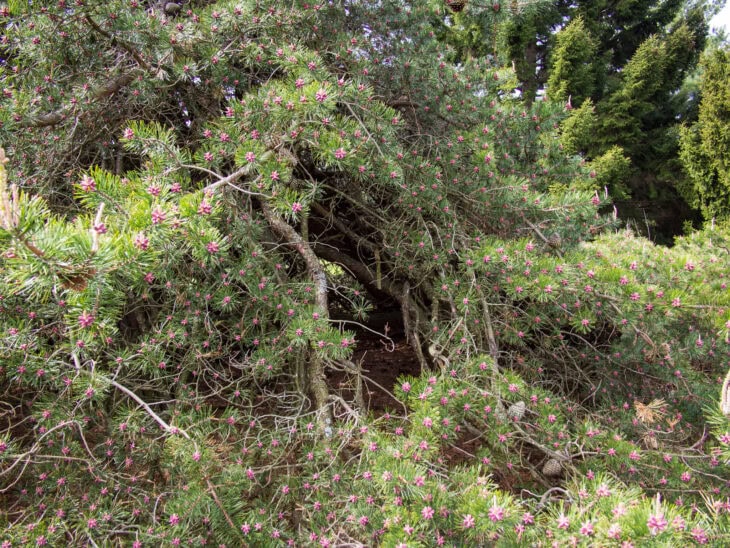
Select an open, sunny spot and allow 6 to 15 feet between plants depending on whether you want single stems or a multi stemmed shrub. On exposed sites plants often remain low and shrubby, while sheltered locations let them take on a taller small tree form.
Watering and ongoing care
Once established the pine is drought tolerant and needs little supplemental water; overwatering or poorly drained soils cause decline. Minimal pruning is required beyond removing dead wood. Monitor exposed plants for wind or winter dieback and protect young transplants until roots are established.
Propagation and cones
Propagation is normally by seed. Cones are commonly serotinous and adapted to release seed after heat; persistent cones may require manual opening or heat to free seeds. Cold stratifying seed improves germination success. Root cuttings are difficult and not commonly used for propagation.
Containment and landscape behavior
Table Mountain Pine does not behave as an aggressive invasive but can form multi stem thickets on poor soils if left to naturalize. Control spread by selective thinning to maintain single trunks or to keep plants within a desired footprint in restoration or ornamental plantings.
Frequently asked questions
- How fast does Table Mountain Pine grow?
- Growth is generally slow to moderate. Plants often remain shrubby on exposed sites and commonly reach between 6 and 20 feet over many years, with sheltered specimens sometimes growing faster.
- Is Table Mountain Pine good for erosion control?
- Yes. Its tolerance of thin, rocky soils and exposed conditions makes it useful on slopes and ridge lines for stabilizing soil and providing wildlife cover.
- Do the cones need fire to open?
- Cones are commonly serotinous and adapted to open after heat. In practice cones often release seed after exposure to high temperatures or can be opened manually to collect seed.
- What soil and light does it prefer?
- It prefers very well drained sandy or rocky acidic soils and full sun. Poor drainage and heavy clay cause decline and increase pest problems.
- Can I grow it in a home landscape?
- Yes, where you can provide full sun and very well drained, acidic soil. Allow roughly 6 to 15 feet of space depending on desired form and expect low maintenance once established.
Gallery
Related Plants


Mentioned In (6)
Trees
33 Most Common Trees in Virginia
Let's have a look at the 33 most common trees in Virginia. Which of the names of these tree species…
Pine
3 Common Types of Pine Trees in New Jersey
Pine Trees are inarguably one of the best-known trees across the world. They are native to many regions throughout the…
Pine
7 Different Types of Pine Trees in Missouri
The state of Missouri has 1,000 miles of trails, so you’ll naturally see a lot of trees while you’re hiking…

Pine
51 Common Types of Pine Trees in North America (photos)
Wherever you go in North America, it is difficult not to see pine trees. These are tall, elegant trees that…

Pine
17 Common Types of Pine Trees in Georgia
If you’re unfamiliar with the many species of pine trees in existence, they may all look alike to you but…
Pine
7 Common Types of Pine Trees in Pennsylvania
As with so many other states, Pennsylvania is home to numerous types of trees and this is one of the…