
Key Facts
- Evergreen conifer native to eastern North America.
- Needles in bundles of three.
- Fire adapted and can resprout from trunk and basal buds.
- Tolerates poor dry sandy or rocky acidic soils.
- Commonly used for restoration and coastal plantings.
- Cones small and not showy compared with flowering plants.
- Valued for ruggedness rather than ornamental flowering.
Pitch Pine is an evergreen conifer native to eastern North America that tolerates poor dry sandy or rocky soils. It is valued for ruggedness and for restoration or coastal plantings where few other trees thrive.
Identification
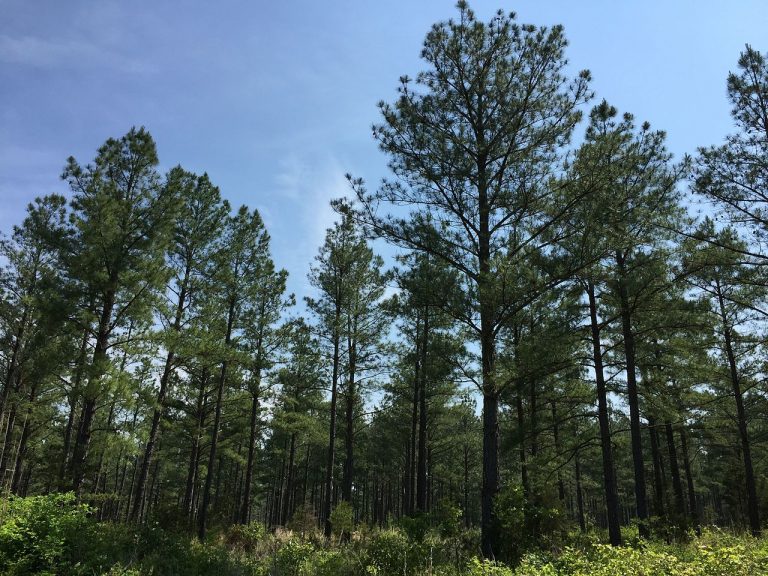
Needles occur in bundles of three and remain on the tree year round. Cones are small and not showy compared with flowering plants. Mature trees often show a rugged, irregular crown especially on exposed sites where wind and poor soils shape the form.
Best uses and where to grow
Use Pitch Pine for restoration, coastal buffer plantings and dry or acidic sites where minimal soil amendment is desired. It tolerates salt spray and low fertility while avoiding sites that stay waterlogged. Suitable climates fall roughly within USDA zones 3 to 7.
Planting and seasonal timing
Plant during the cooler planting seasons in your region to reduce transplant stress. Give young trees full sun and space them so crowns can develop without shade. Planting into well drained soil improves establishment compared with heavy, poorly drained locations.
Soil sun and watering
Pitch Pine prefers well drained sandy or rocky acidic soils and performs best in full sun. It tolerates dry conditions once established. Overwatering or planting in heavy clay leads to root decline and poor long term vigor.
Growth and size
Typical mature height ranges from about 30 to 60 feet with a crown spread often 20 to 35 feet depending on site and provenance. Trees on exposed or nutrient poor sites grow more slowly and are often shorter and more twisted than those in sheltered locations.
After cones and maintenance
Male pollen cones appear in spring and female cones develop after pollination but flowering is inconspicuous. Maintenance needs are minimal. Remove dead wood and avoid heavy pruning into old wood. Monitor poorly drained areas where decline can start at the roots.
Controlling spread and naturalizing
Natural regeneration occurs by seed and by sprouting from basal or epicormic buds after fire. In restoration settings this trait helps recovery after disturbance. In landscaped sites control seedlings promptly and remove resprouts if you need to limit naturalizing patches.
Frequently asked questions
- How fast does Pitch Pine grow?
- Growth rate varies by site and provenance. On favorable sites trees reach the typical height range over decades while on poor exposed sites growth is much slower and trees often remain shorter.
- What soil does Pitch Pine prefer?
- It prefers well drained sandy or rocky acidic soils and tolerates low fertility. Avoid heavy, waterlogged clay which often leads to root problems.
- Is Pitch Pine salt tolerant?
- Yes it tolerates salt spray and is commonly used in coastal plantings where salt exposure limits other tree choices.
- Can Pitch Pine regrow after fire?
- Yes the species resprouts from basal and epicormic buds after fire and also regenerates from seed, which helps it persist after disturbance.
- What light does Pitch Pine need?
- Full sun produces the best growth form and vigor. Shade tends to produce poor form and reduced health.
Related Plants


Mentioned In (15)
Trees
33 Most Common Trees in Virginia
Let's have a look at the 33 most common trees in Virginia. Which of the names of these tree species…
Pine
3 Common Types of Pine Trees in New Jersey
Pine Trees are inarguably one of the best-known trees across the world. They are native to many regions throughout the…
Trees
25 Most Common Trees in West Virginia
West Virginia's ecology and wildlife benefit from vegetation. Pollutants are filtered away by vegetation, which also helps to prevent erosion.…
Trees
19 Most Common Trees In New Jersey
When you think of New Jersey, the most heavily populated state in the country, your first thought might not be…

Pine
6 Types Of Pine Trees In Ontario
Many different types of long and short-needles pines are found in the rich, green forests in Ontario. If you're looking…
Pine
5 Prevalent Types Of Pine Trees In New England
One of the best parts about life in New England is getting to enjoy the bountiful local flora and fauna.…
Pine
12 Most Common Types Of Pine Trees In Canada
Do you love collecting pine cones and smelling that fresh, evergreen smell of pine on your early morning jog? Well,…
Pine
4 Prevalent Kinds of Pine Trees in Kentucky
Kentucky is known as the blue grass state and indeed, some of the grass is such a deep shade of…

Pine
3 Great Types of Pine Trees in Massachusetts
Although small in size, the state of Massachusetts still manages to have more than 3.2 million acres covered in forests.…
Pine
3 Prevalent Kinds of Pine Trees in Maine
There’s no doubt in anyone’s mind that a beautiful pine tree can lend any outdoor area some ambiance. Pines are…

Pine
51 Common Types of Pine Trees in North America (photos)
Wherever you go in North America, it is difficult not to see pine trees. These are tall, elegant trees that…

Pine
5 Common Kinds of Pine Trees in Tennessee
When it comes to trees that are native to Tennessee, there are both types that are found frequently in home…
Pine
9 Different Types of Pine Trees in Virginia
Since almost two-thirds of the state of Virginia consists of forests, it isn’t surprising that there are tons of pine…

Pine
17 Common Types of Pine Trees in Georgia
If you’re unfamiliar with the many species of pine trees in existence, they may all look alike to you but…
Pine
7 Common Types of Pine Trees in Pennsylvania
As with so many other states, Pennsylvania is home to numerous types of trees and this is one of the…