
Key Facts
- Aromatic perennial with grasslike leaves and creeping rhizomes.
- Prefers wet or boggy ground and tolerates shallow standing water.
- Spreads by thick rhizomes and can form dense colonies.
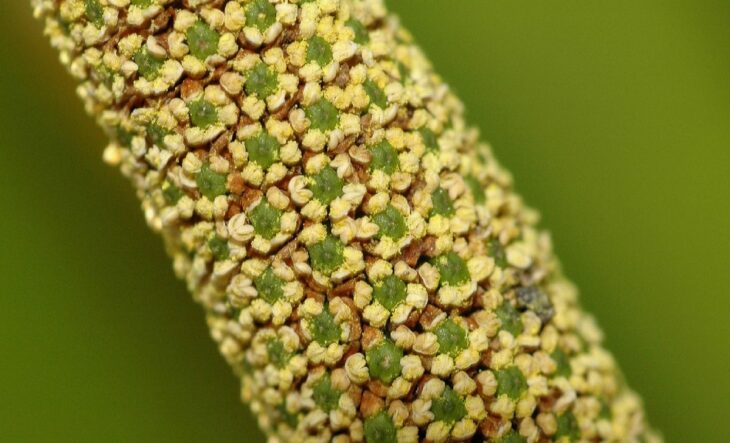
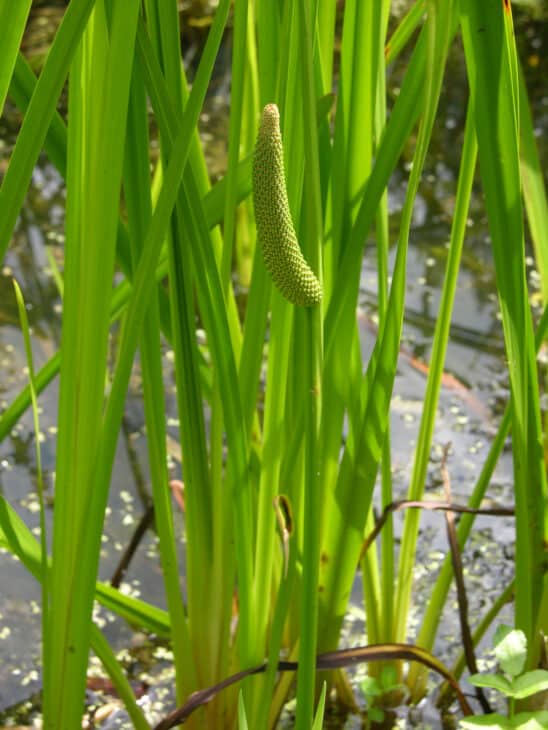
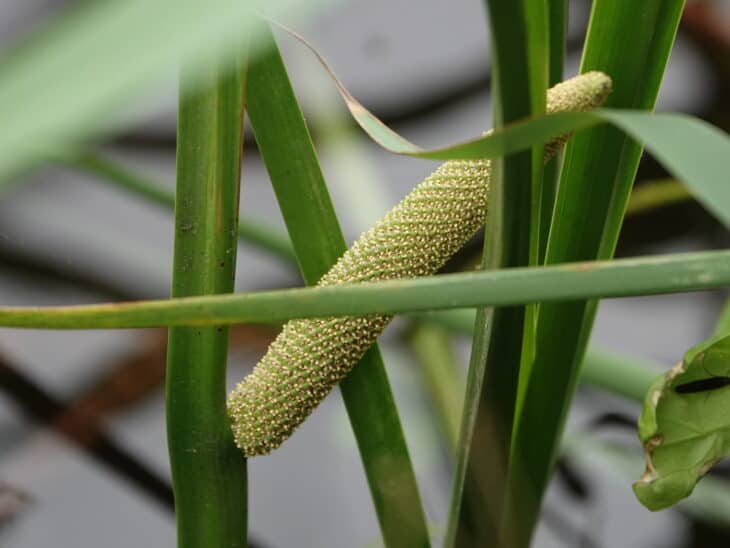
- Produces a small spadixlike flower in spring to early summer.
- Commonly used at pond edges, in rain gardens, and in moist borders.
- Rhizomes have been used historically for flavoring and medicine.
- Rhizomes contain compounds that have raised safety concerns.
- Propagated easily by dividing rhizomes.
Sweet Flag (Acorus calamus) is an aromatic clumping perennial with grasslike leaves and creeping rhizomes that suits wet sites. It is often placed at pond edges or in rain gardens because it tolerates shallow standing water, though its spreading habit requires planning.
Identification
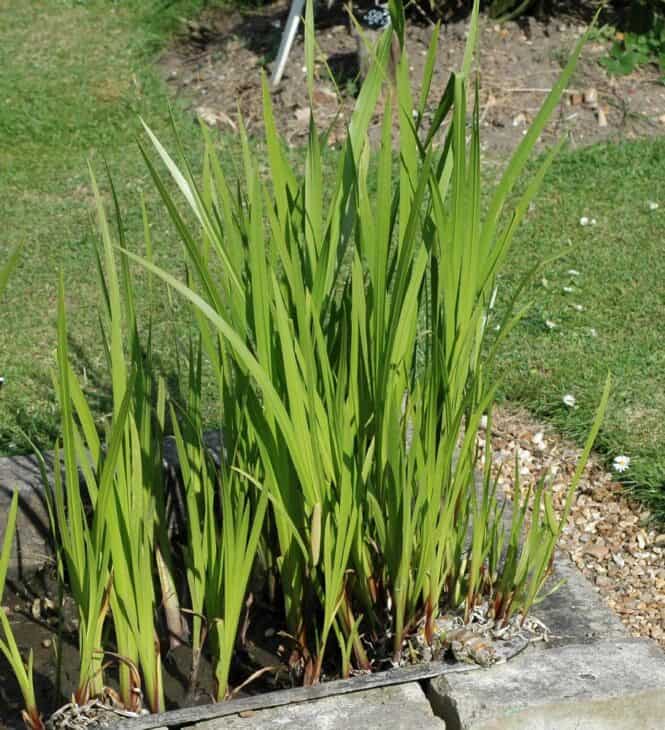
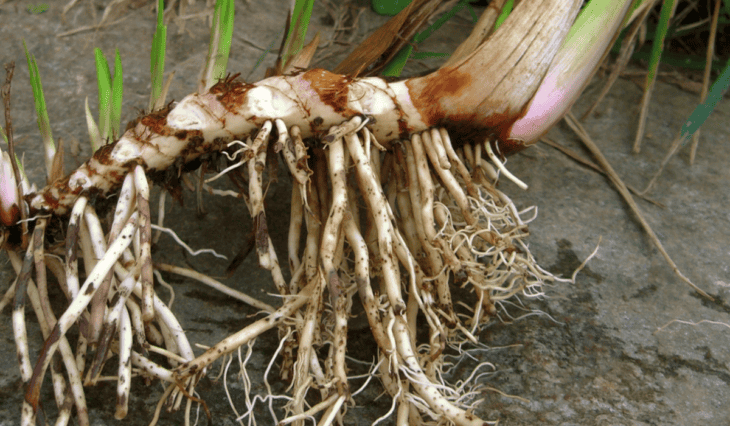
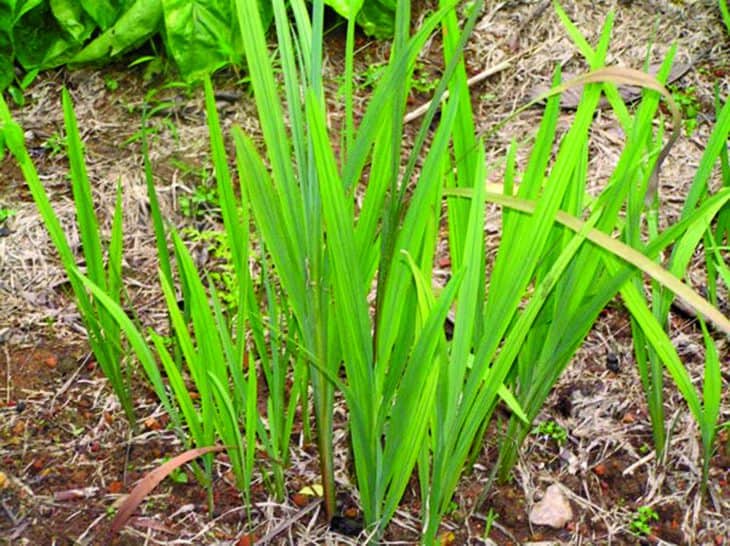
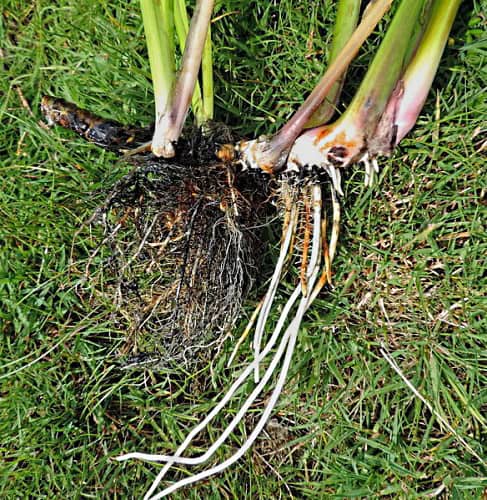
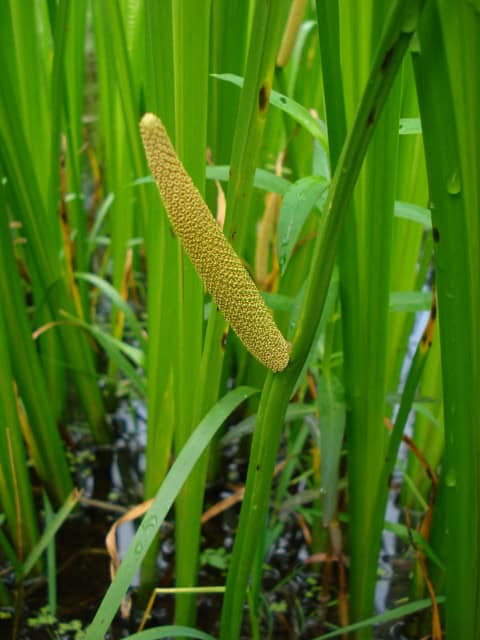
Leaves are sword shaped and form dense, upright clumps reaching about 24 to 48 inches tall. A small spadixlike flower appears in spring to early summer. Thick creeping rhizomes run underground and give the plant its aromatic rootstock, which has been used historically for flavoring and medicine.
Best uses and where to grow
Use Sweet Flag along pond margins, in rain gardens, and in moist borders where soil stays consistently wet. Plant in full sun to part shade for best foliage. Expect vigorous colonizing in suitable sites and consider it a strong choice for wet soil tolerance rather than a low maintenance groundcover in dry beds.
Planting and spacing
Plant divisions in spring or autumn when the soil is workable. Space divisions to match typical clump spread of about 24 to 48 inches so each clump has room to establish. Do not plant in dry soil because poor moisture reduces vigor and can prevent establishment.
Light and watering
Sweet Flag grows best in full sun to partial shade. It prefers rich, consistently moist to wet soil and tolerates shallow standing water. In dry conditions the plant becomes weak and sparse, while in sunny moist sites it produces denser foliage and spreads more rapidly.
After flowering and routine care
Remove any damaged or collapsing foliage to keep clumps tidy and allow fresh growth to emerge. Dividing clumps every few years refreshes vigor and gives material for new plantings. Cut back spent flowering stems if you want a neater edge at season end.
Controlling spread and invasive risk
Spreading rhizomes can form dense colonies that crowd other plants. Use root barriers, plant in containers sunk into the ground, or divide regularly to hold it in check. Regional invasive status varies so confirm local recommendations before planting in natural areas.
Containers and pond edges
Sweet Flag performs well in containers at pond margins where soil remains wet or in bog planters. Containers limit rhizome escape and make division or removal easier. Keep container media consistently moist and choose a large pot to allow room for the rhizomes.
Propagation
Propagation is easiest by dividing thick rhizomes in spring or autumn. Separate sections that have buds or shoots and replant at the same depth. Seed is rarely used for garden propagation and is not the common method for establishing new plants.
Safety and toxicity
Rhizomes contain beta asarone and related compounds that have raised safety and regulatory concerns. Avoid internal use and do not use rhizomes as a home remedy or food without confirmation from authoritative regulatory guidance. If pets ingest the plant consult a veterinary poison control source for specifics.
Frequently asked questions
- How fast does Sweet Flag grow?
- Growth occurs by creeping rhizomes and it spreads steadily from year to year. Spread is faster in warm, sunny moist sites and slower in colder or drier conditions, with colonies building over multiple seasons.
- Is Sweet Flag invasive?
- It can be aggressive and form dense colonies in favorable wet soils. The plant is naturalized or listed as invasive in some regions so check local guidelines before planting near natural waterways or wild areas.
- Can I grow Sweet Flag in a container?
- Yes. Containers are a practical way to enjoy it at pond edges while preventing unwanted spread. Use a large container and keep the soil consistently moist.
- When should I divide Sweet Flag?
- Divide rhizomes in spring or autumn to maintain clump vigor and to control spread. Replant divisions promptly into moist soil or containers.
- Is Sweet Flag safe for pets?
- Rhizomes may cause gastrointestinal upset and contain compounds of concern. Confirm pet toxicity details with a regional poison control or veterinary source before assuming safety.
Gallery
Related Plants


Mentioned In (1)

Plants
5 Plants That Look Like Cattails
Cattails are plants with many names and countless uses. They can be used for stuffing pillows, jackets, and moccasins. The…