
Key Facts
- A large, bananalike perennial grown for bold tropical foliage.
- Forms a single stem or pseudostem rather than multiple suckering stems in many climates.
- Can reach several meters tall in warm climates.
- Often grown as an ornamental in containers where winters are cold.
- Has a starchy pseudostem and corm that are used as food in parts of Ethiopia.
- Flowers infrequently in cultivation and may flower once then decline.
- Prefers fertile, moisture retentive but well drained soil.
- Tolerates full sun to part shade depending on heat stress.
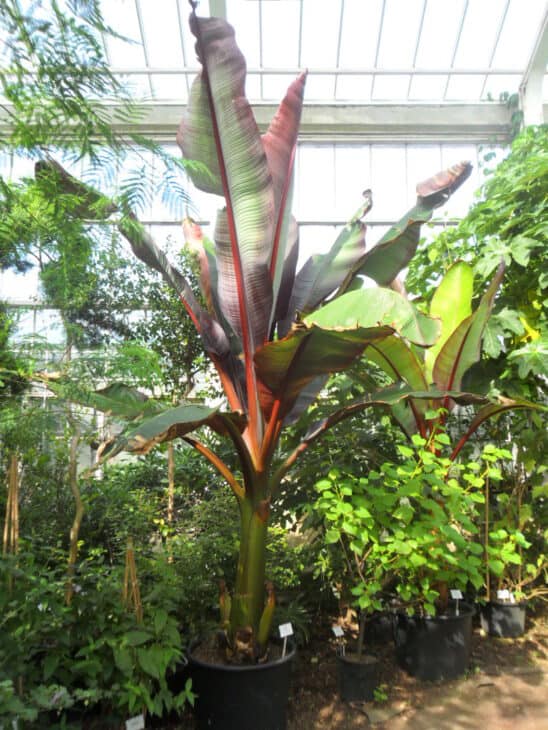
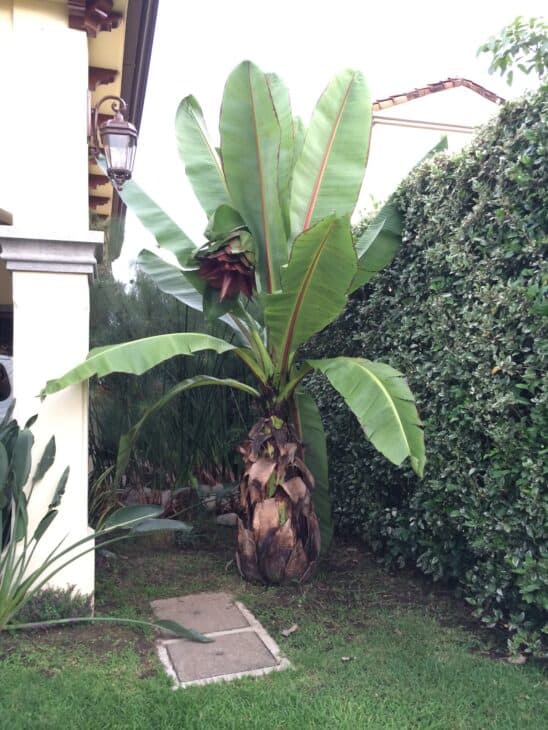
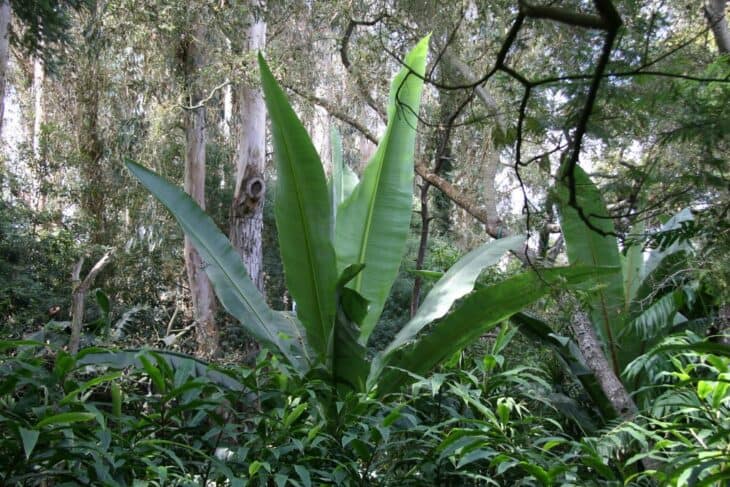
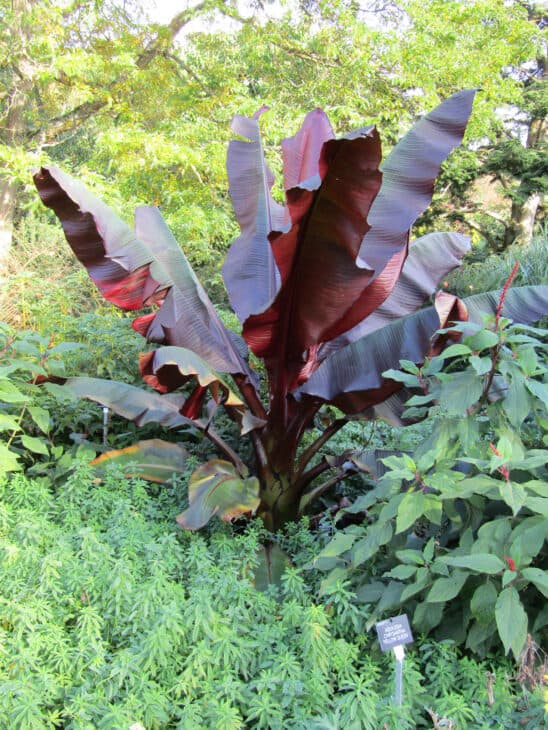
Abyssinian Banana (Ensete ventricosum) is a large bananalike perennial grown for dramatic tropical foliage. It makes a bold focal specimen in warm gardens and is commonly container grown or overwintered where frost is a risk.
Identification and habit
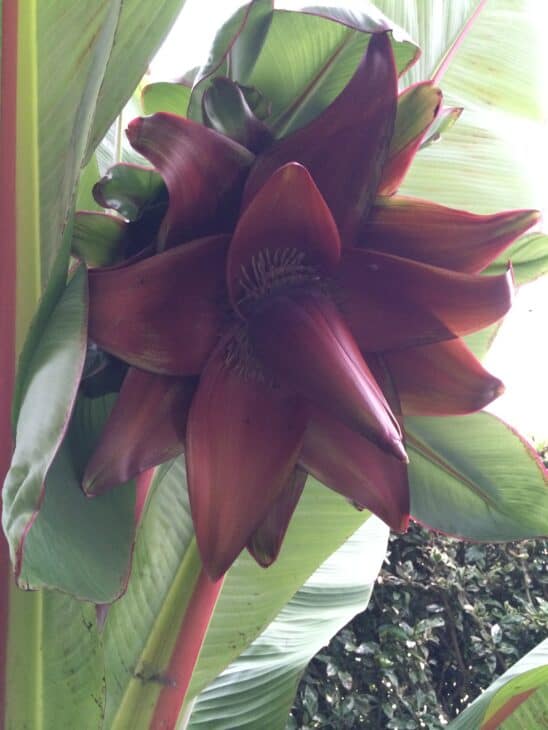
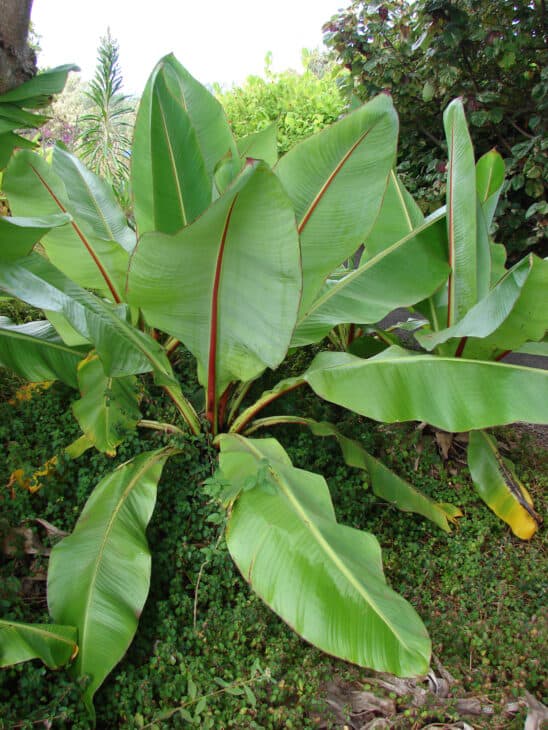
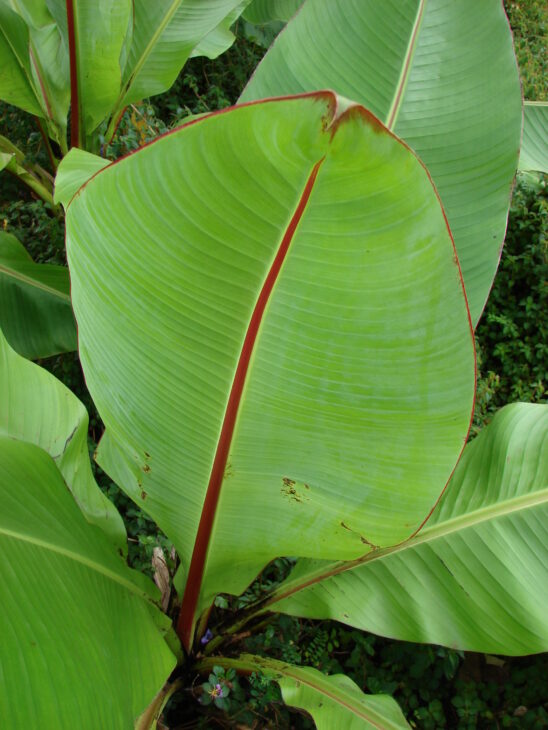
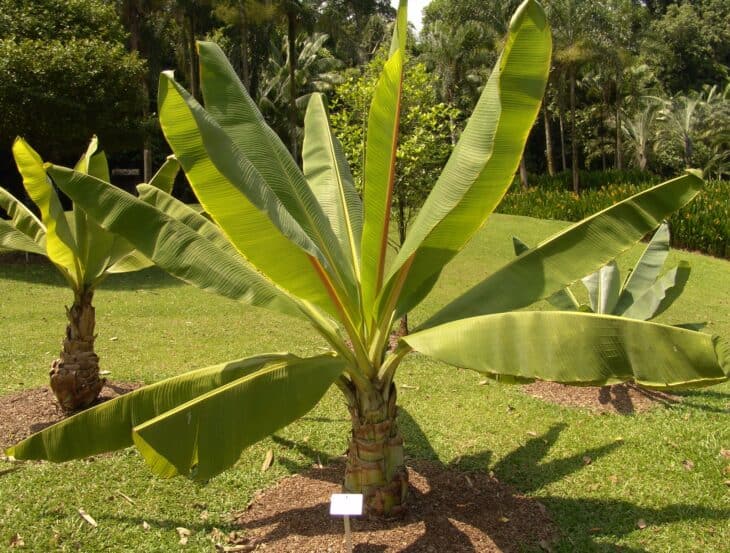
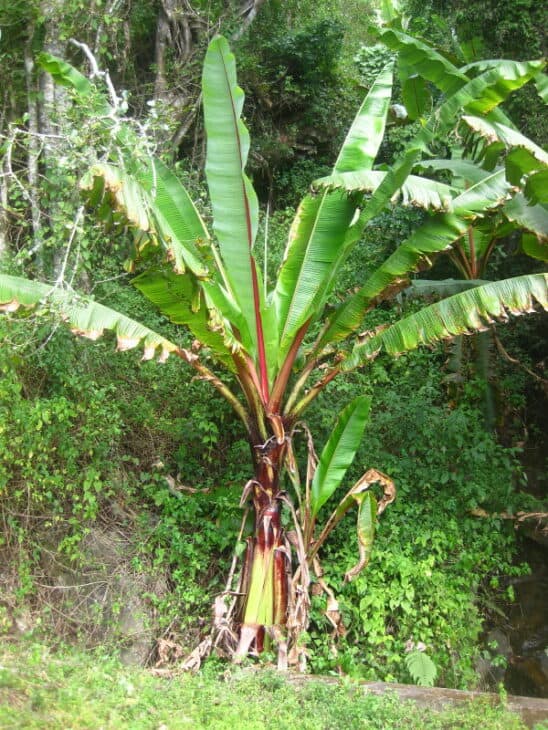
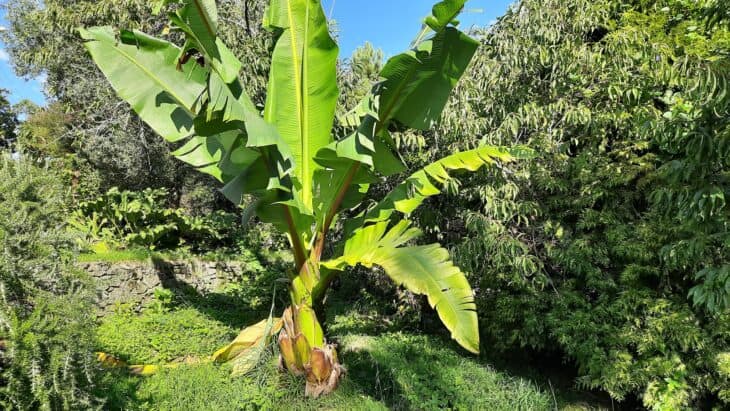
Large paddle shaped leaves form a broad rosette with a single tall pseudostem in many climates rather than multiple suckering stems. Mature plants often reach several meters tall with a leaf span around two to three meters. Flowering is uncommon in nonnative gardens and may occur only after many years.
Where to grow and best uses
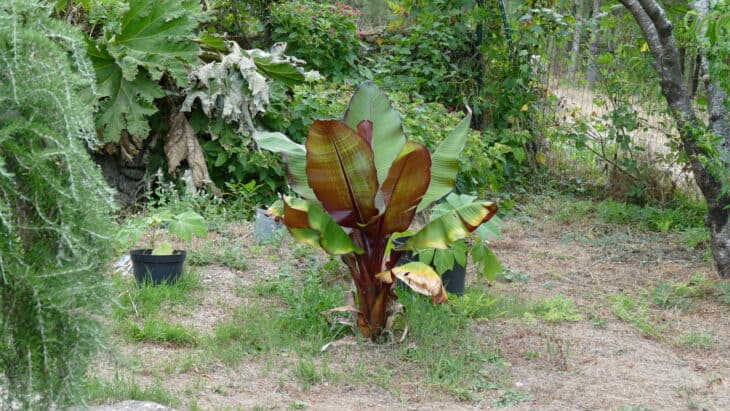
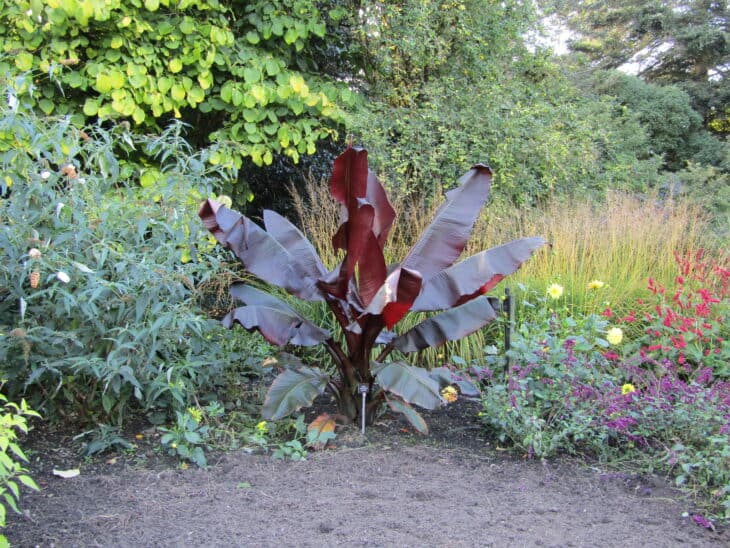
Use as a specimen for tropical beds or as a dramatic backdrop for beds and patios. In cooler areas grow in large containers on terraces or in greenhouses and move plants under cover for winter. Its size makes it unsuitable for small urban plots where height or leaf drop could overwhelm nearby plants.
Planting and spacing
Plant after risk of frost has passed in cooler climates to avoid cold damage. Allow at least the mature leaf span of six to ten feet between specimens so leaves do not crowd. In containers choose a pot that allows room for the corm and future growth and place where drainage is reliable.
Soil and watering
Plants prefer fertile soil that holds moisture but drains well. Poor drainage causes root damage and can lead to collapse of the corm. Water regularly during the growing season so the root zone stays evenly moist and reduce frequency when growth slows, especially in winter when the plant is less active.
Light and temperature
Abyssinian Banana thrives in full sun to part shade. In very hot locations afternoon shade reduces leaf scorch and stress. USDA hardiness approximately zone 8b through 11 means plants are tender to light frost and are usually damaged below freezing, so protect or containerize outside that range.
Containers and winter protection
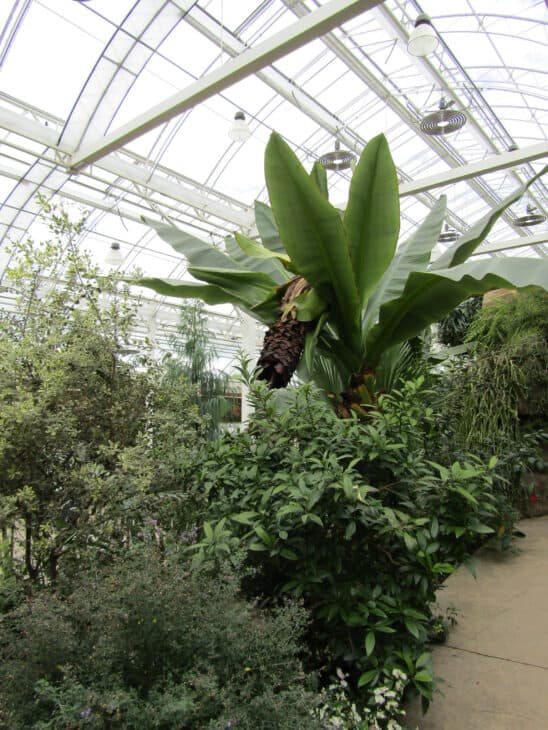
Container culture is common where winters are cold. Large pots allow lifting and moving to an unheated greenhouse or sheltered area before frost. Reduce watering in winter and keep plants where they receive bright light. In-ground specimens need frost cloth, mulch at the base, or a temporary shelter in marginal climates.
After flowering and long term care
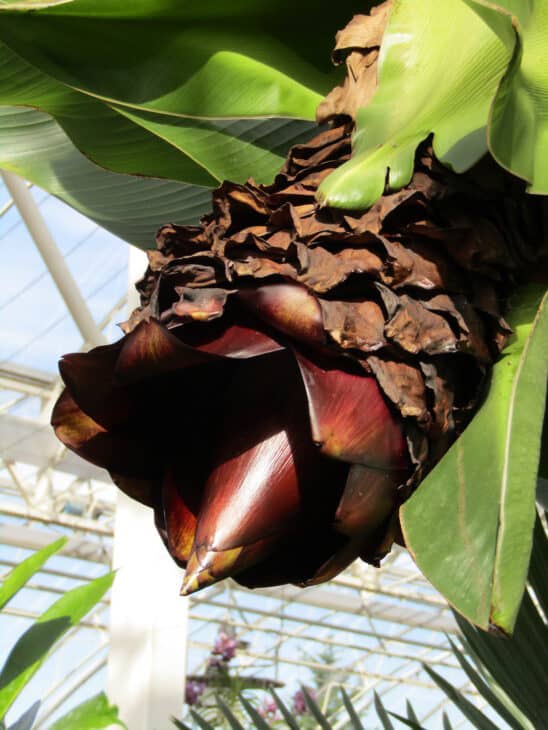
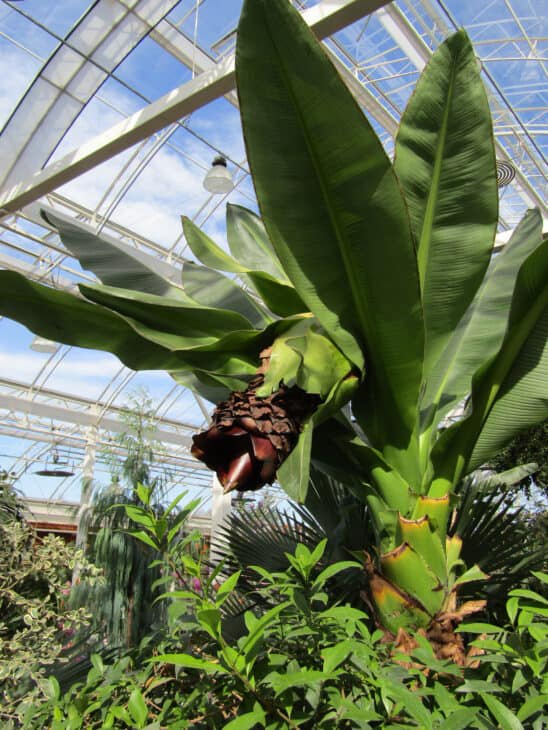
Flowering is rare in cultivation and when it occurs the plant may decline or die back afterward. If an inflorescence appears collect seed if desired and cut back the spent stem when it dies. Maintain regular feeding and remove tattered leaves to keep the clump tidy and strong.
Propagation
Raised from seed or by vegetative methods such as division of the corm and removal of offsets when present. Nurseries also use corm cuttings in container production. Choose the method that suits your scale and local regulations and source healthy material from reputable suppliers.
Control and maintenance
In many climates the species forms a single stem rather than rampant suckers so it is not typically invasive. Prune dead or damaged leaves and protect the trunk base from prolonged wet conditions. Monitor for heat stress and provide supplemental water and mulch to support fast growth in fertile sites.
Frequently asked questions
- How fast does Abyssinian Banana grow?
- Growth rate varies with climate and fertility. In warm fertile sites plants can grow rapidly and reach several meters tall over a number of growing seasons, while growth is slower in cooler or containerized situations.
- What USDA zones will it tolerate?
- Hardiness is approximately zone 8b through 11. Plants are tender to light frost and usually sustain damage below freezing so protect or move to containers in colder areas.
- Will it flower and then die?
- Flowering in cultivation is uncommon and when it happens the plant may decline afterward. Expect a possible one time flowering event rather than regular blooms in temperate gardens.
- How should I overwinter a potted Abyssinian Banana?
- Move pots to a sheltered bright spot or an unheated greenhouse before frost. Reduce watering and avoid exposing the corm to prolonged cold wet soil during winter.
- Is Abyssinian Banana toxic to pets?
- Authoritative information is limited. Verify safety with local poison control or a veterinarian before permitting pets or small children to ingest plant parts.
Gallery
Related Plants


Mentioned In (1)

Plants
5 Plants That Look Like Banana Trees
Banana trees are what most people think of when speaking about tropical plants. Surprisingly bananas are classified botanically as berries,…