
Key Facts
- Evergreen oak native to the Mediterranean region.
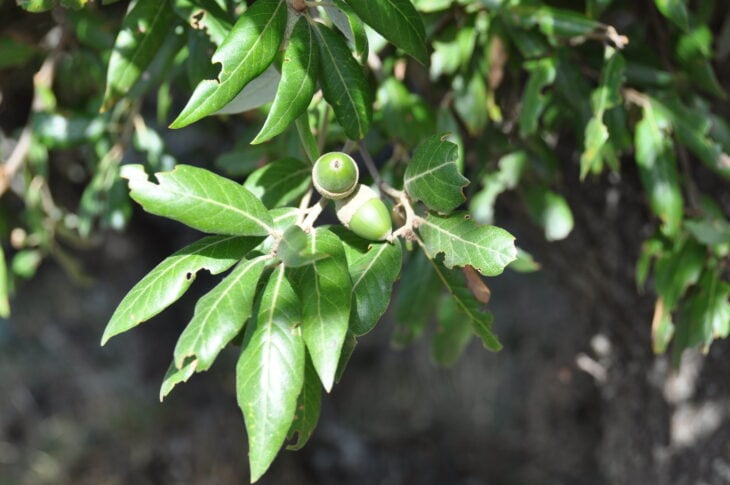
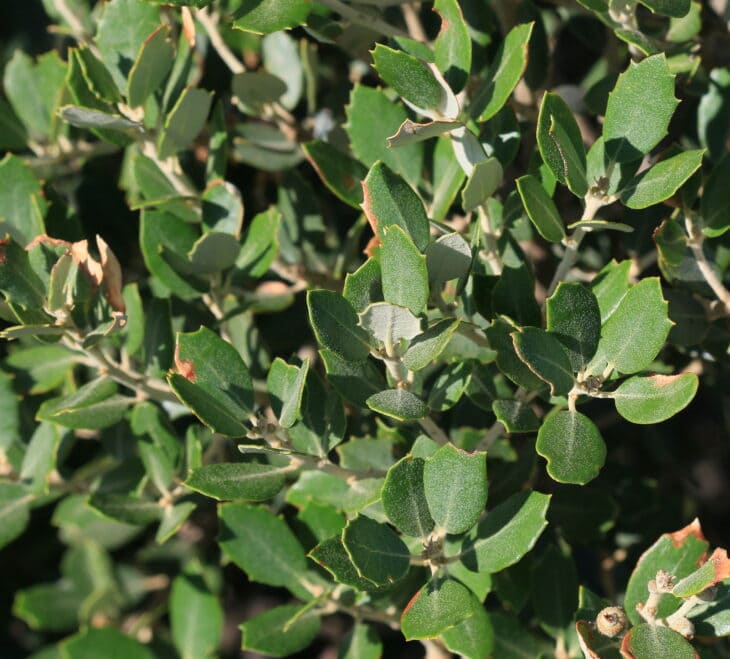
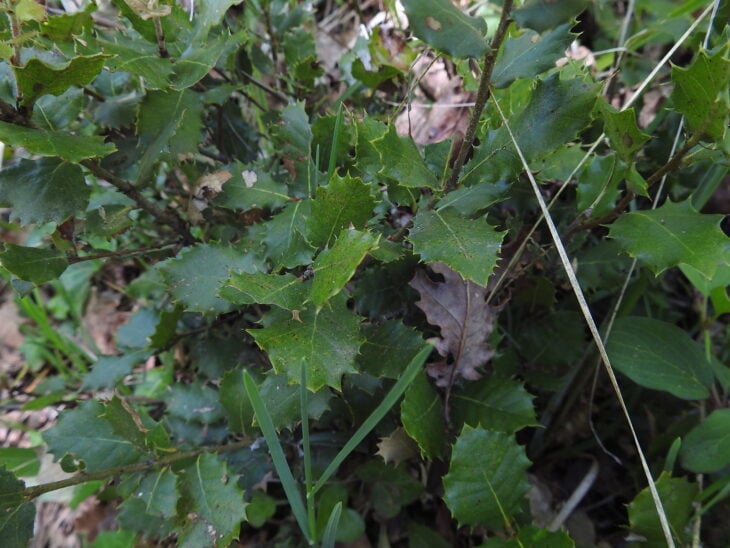
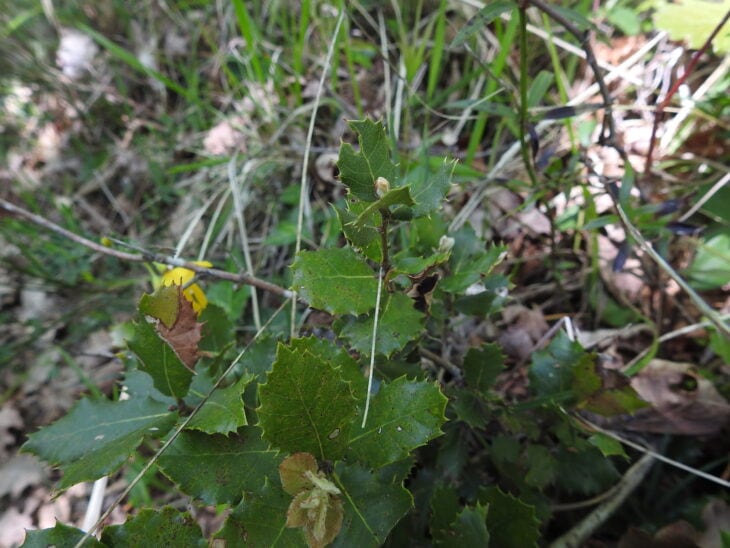
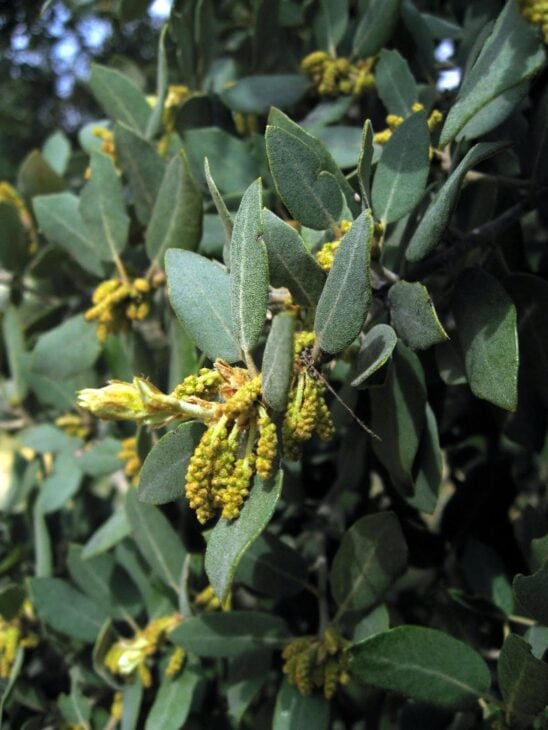
- Glossy leathery leaves often with a lighter underside.
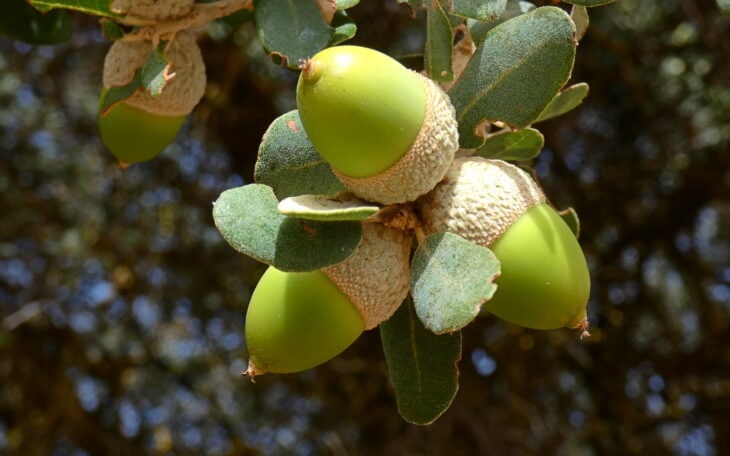
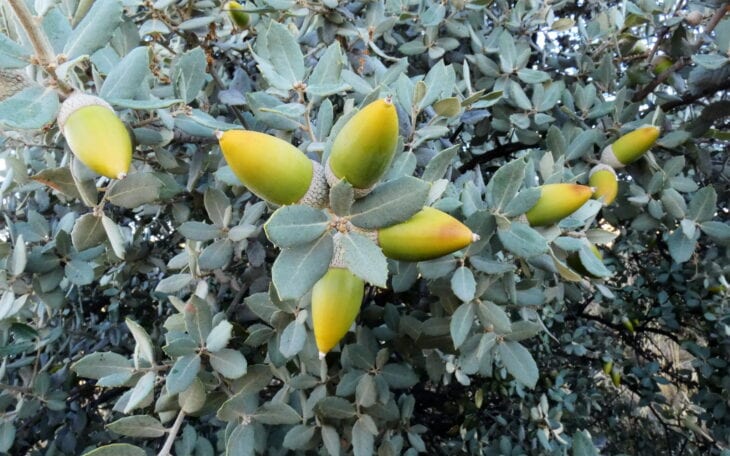
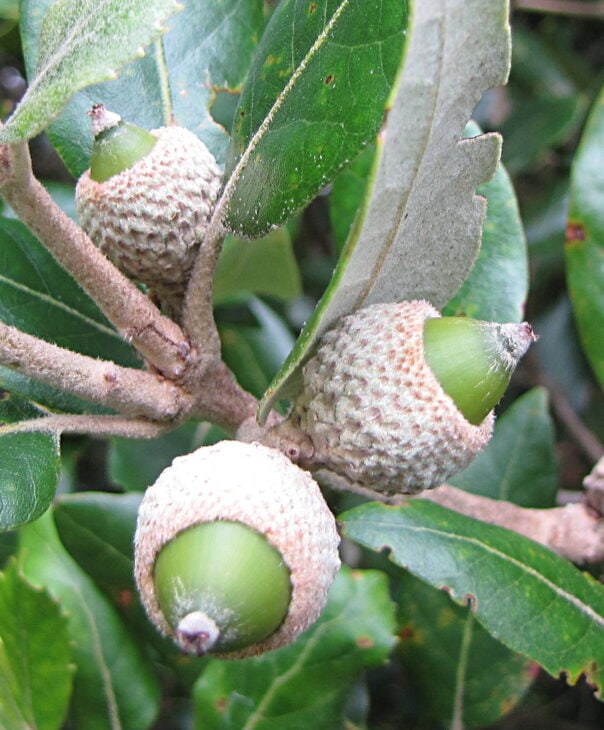
- Produces acorns that mature in a single season.
- Valued as a shade and ornamental tree in warm climates.
- Tolerant of drought and coastal conditions once established.
- Prefers well drained soils and can tolerate poor or alkaline soils.
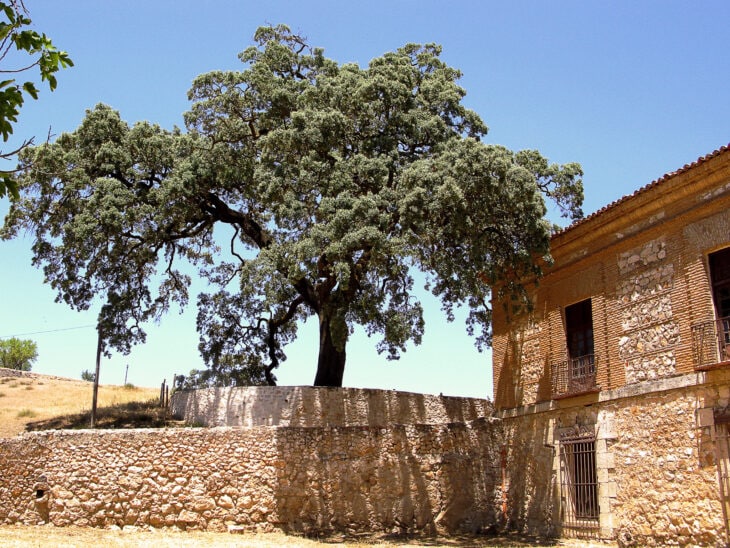
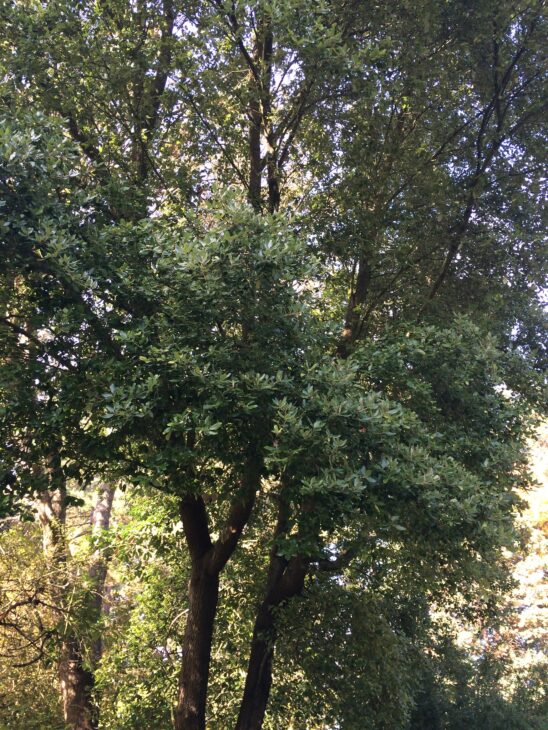
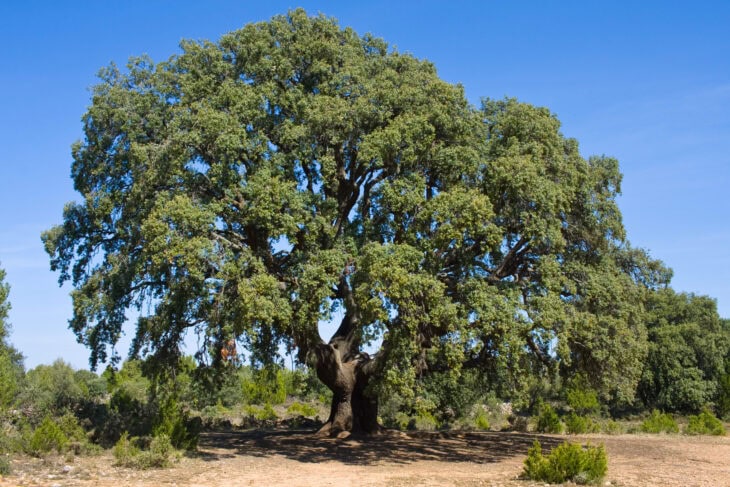
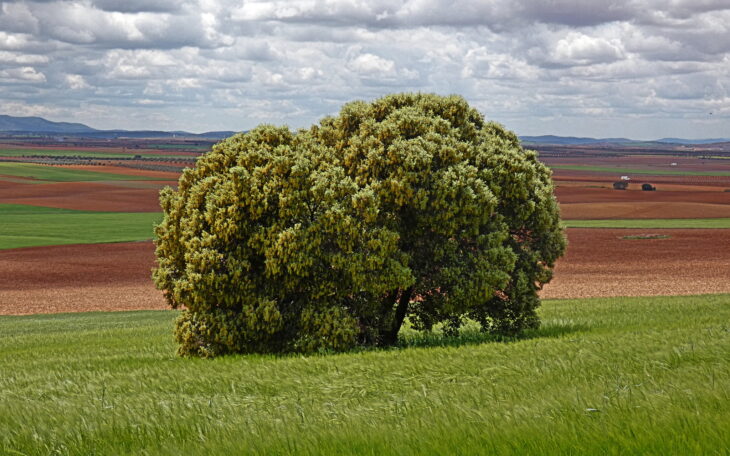
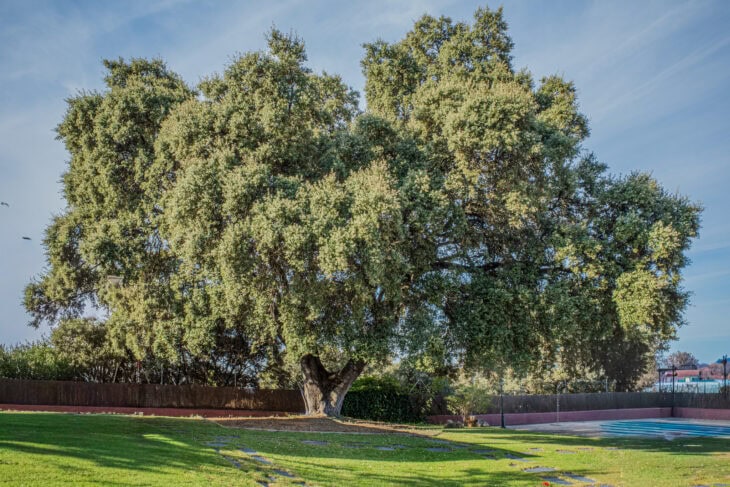
- Long lived and capable of forming a broad canopy.
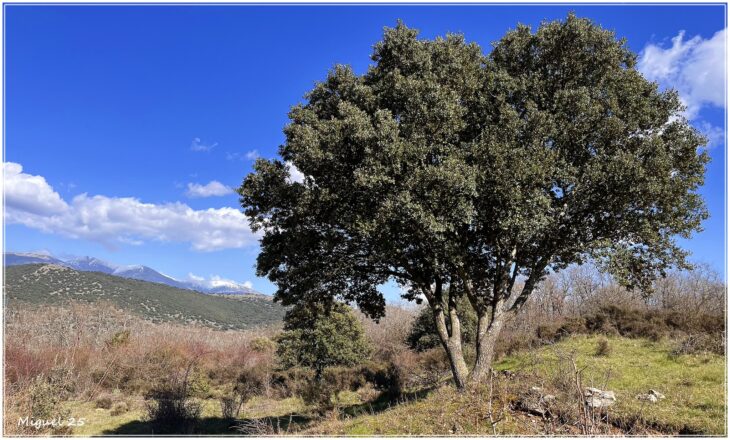
Holm Oak (Quercus ilex) is an evergreen Mediterranean oak prized for a broad shade canopy and glossy, leathery leaves that tolerate coastal exposure and drought once established. It produces spring catkins and acorns that mature in a single season, but the tree can become large and needs room for a wide crown.
Identification
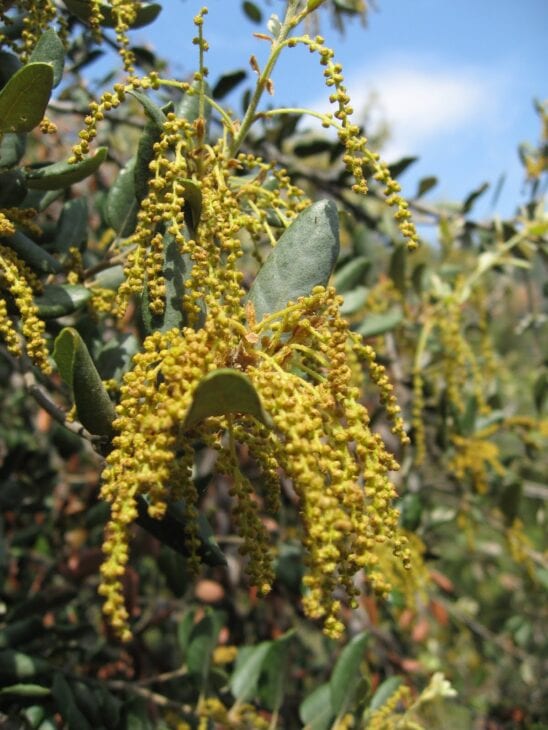
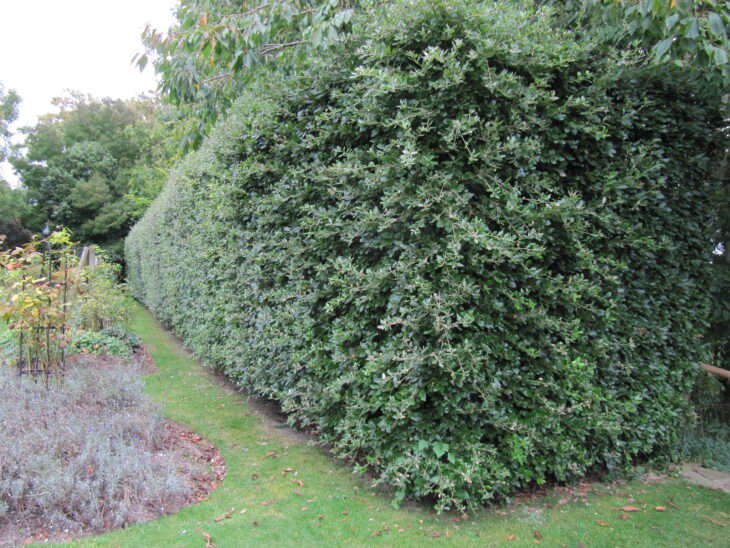
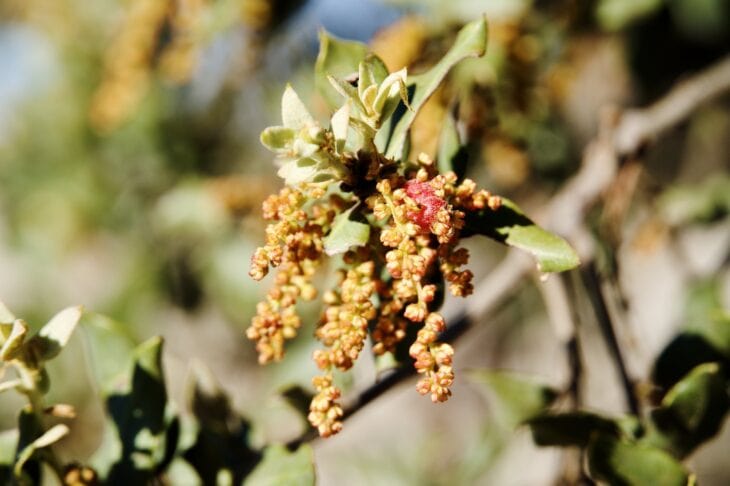
Quercus ilex is evergreen with dark glossy leaves often lighter underneath and a leathery texture. Flowers appear as inconspicuous catkins in spring and acorns follow, maturing in one season. The dense crown and persistent foliage give a solid, year-round presence that distinguishes it from deciduous oaks and makes it obvious as a shade or ornamental specimen.
Best uses and where to grow
Use Holm Oak as a shade tree, avenue planting or specimen in warm temperate and coastal landscapes where its drought tolerance and evergreen habit are valued. It performs well in milder winter climates and is generally suitable for USDA zones 7 to 10. Allow ample space for a broad crown and avoid tight urban sites without room for canopy spread.
Soil light and watering
Quercus ilex prefers full sun to light shade and well drained loamy to sandy soils and tolerates poor and alkaline ground. It will not tolerate permanently waterlogged conditions so drainage matters more than soil fertility. Once established it tolerates drought, but poor drainage or extended wet soils leads to root decline and reduced vigor.
Planting and seasonal notes
Choose a planting site with room for a wide canopy and well drained soil. Nursery trees establish more reliably than direct-sown acorns in some climates. Avoid low, waterlogged spots and consider raised soils or amended planting holes where drainage is poor. Flowering occurs in spring as catkins and acorn set follows, timing varying with local climate.
After-flowering care and acorn management
After spring flowering acorns develop and can create litter and volunteer seedlings under the canopy. Rake and dispose of excess acorns to reduce seedlings and remove food sources if livestock are present. Mulch conservatively to retain moisture for young trees but keep mulch away from the trunk to avoid crown rot in poorly drained soils.
Size, growth and controlling spread
Mature Holm Oaks commonly reach about 20 to 40 feet 6 to 12 meters in height with a similar spread, forming a broad rounded crown. Growth rate varies with site fertility, water and climate, with slower development in colder locations. Control canopy spread through selective pruning and plan planting distances to prevent crowding of structures and other trees.
Propagation
Propagate Quercus ilex by seed using acorns, which benefit from cold stratification to improve germination, or by grafting to preserve named cultivars. Semi-ripe cuttings and layering work in some cases but success varies with local conditions. Fresh seed and proper storage improve results when raising trees from acorns.
Toxicity and livestock concerns
Acorns and young foliage contain tannins that can be toxic to livestock if eaten in quantity and may cause gastrointestinal upset in animals. Manage access for grazing animals and consult local veterinary or poison control sources for pet guidance before making decisions about animal exposure to fallen acorns or wilted foliage.
Frequently asked questions
- How fast does Holm Oak grow?
- Growth rate varies by site, water and climate. Mature size commonly reaches about 20 to 40 feet 6 to 12 meters, but the pace of reaching that size differs across locations.
- Is Holm Oak evergreen?
- Yes. Quercus ilex is evergreen with persistent leathery leaves that provide year-round foliage in suitable climates.
- What hardiness zones suit Holm Oak?
- Generally suitable for USDA zones 7 to 10, with best performance in milder winter climates and slower growth or dieback possible at the cold edge.
- Are acorns toxic to pets and livestock?
- Acorns contain tannins that pose a poisoning risk for livestock if consumed in large amounts. Guidance for pets like dogs and cats is less standardized so consult local veterinary or poison control resources.
- How can Holm Oak be propagated?
- Propagate from acorns with cold stratification, by grafting for named cultivars, and in some cases by cuttings or layering. Success varies with seed freshness and local conditions.
Gallery
Related Plants


Mentioned In (1)

Oak
76 Types of Oak Trees in North America (foliage photos)
Because of all the forests in North America, you can find just about every tree you can think of if…