
Key Facts
- Warm season annual legume grown for edible seeds and forage.
- Edible pods, leaves and dried seeds are used in many cuisines.
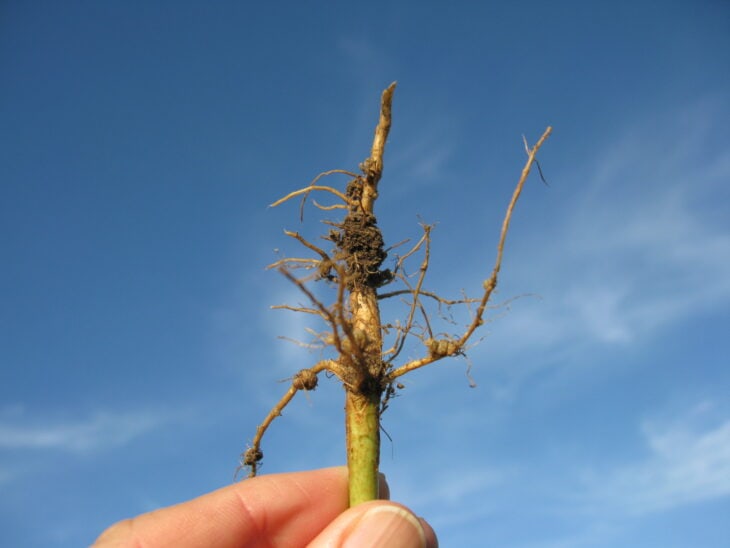
- Fixes atmospheric nitrogen and can improve soil fertility.
- Many cultivar types exist including bush and vining forms.
- Drought tolerant and adapted to hot, dry climates.
- Prefers well drained soils and full sun.
- Commonly direct sown after last frost.
Cowpea (Vigna unguiculata) is a warm season legume grown for edible pods, leaves and dried seeds and for improving soil fertility through nitrogen fixation. It suits hot, dry gardens where full sun and well drained soil are available and is most often direct sown after the risk of frost has passed.
Identification
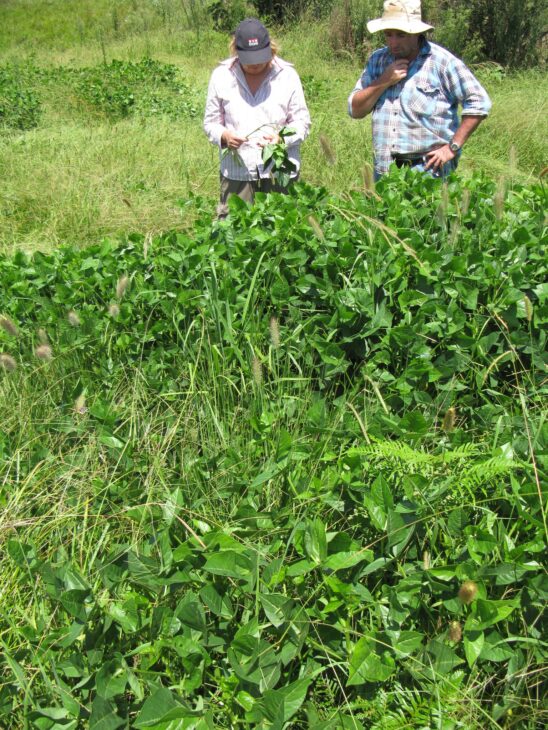
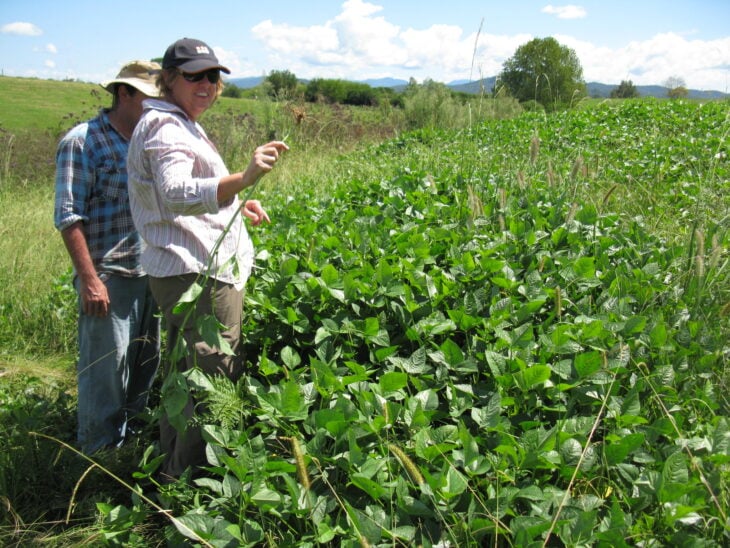
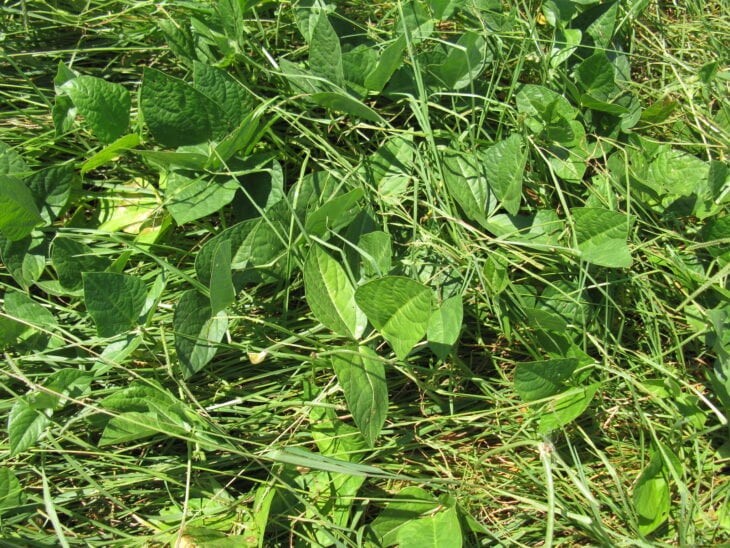
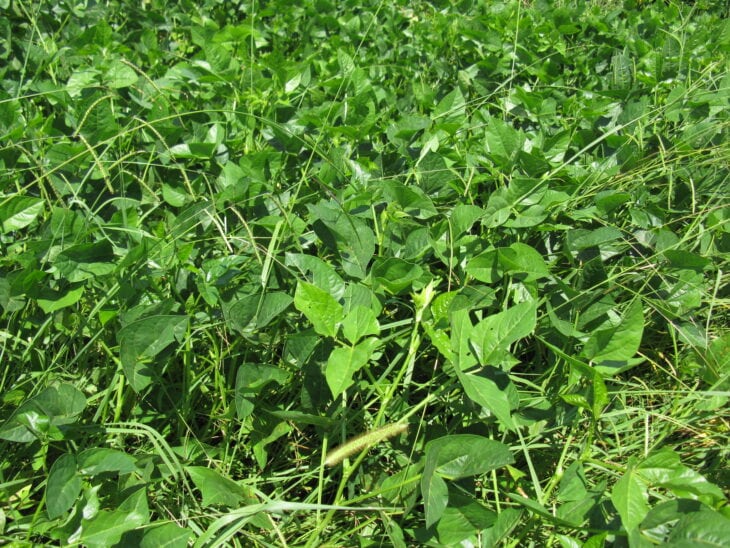
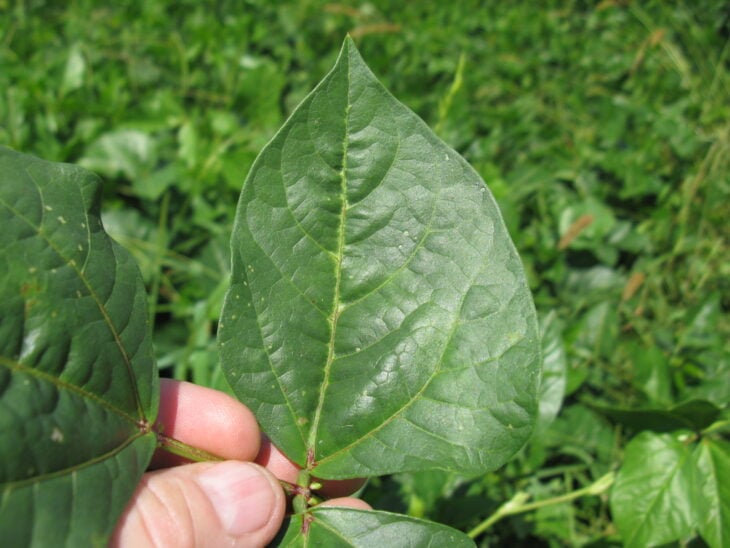
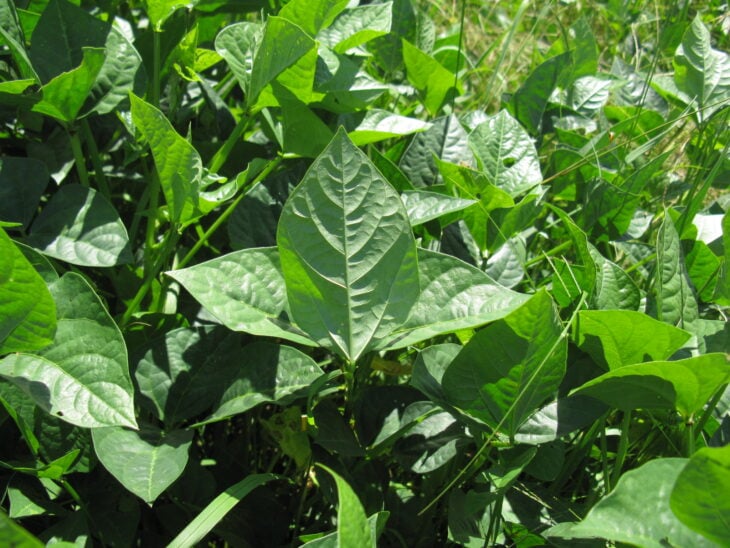
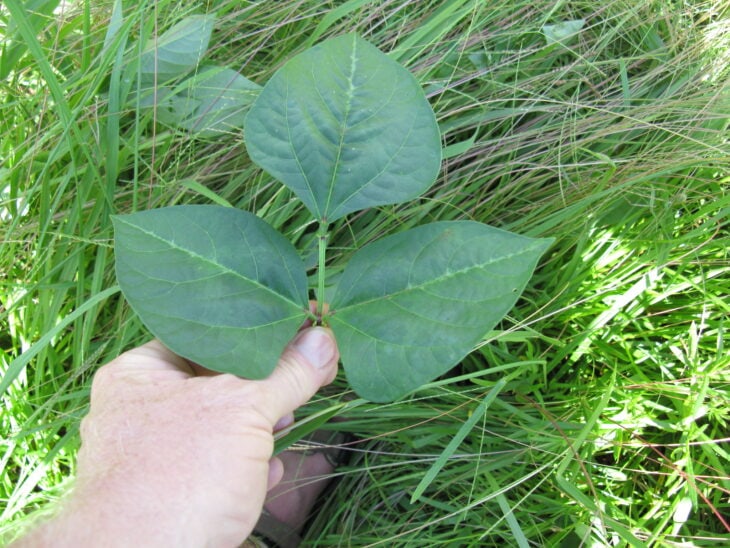
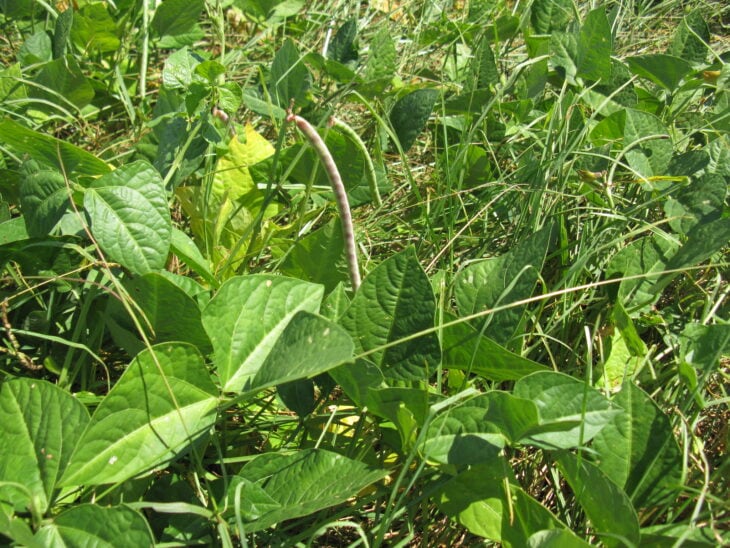
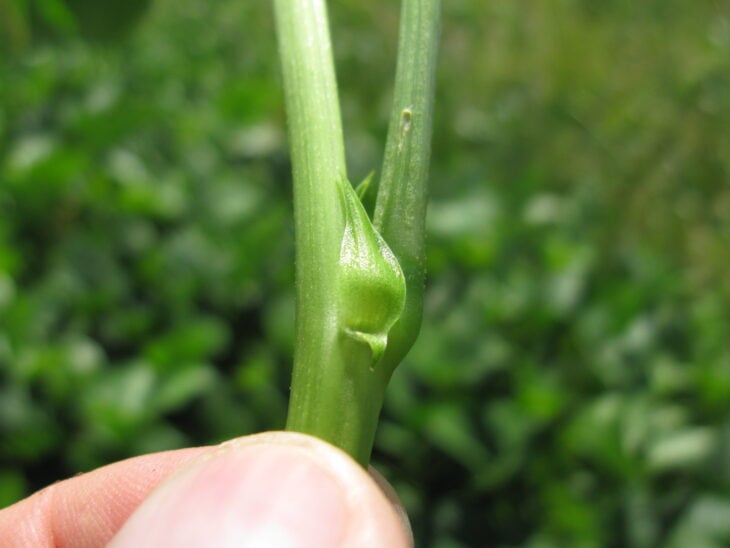
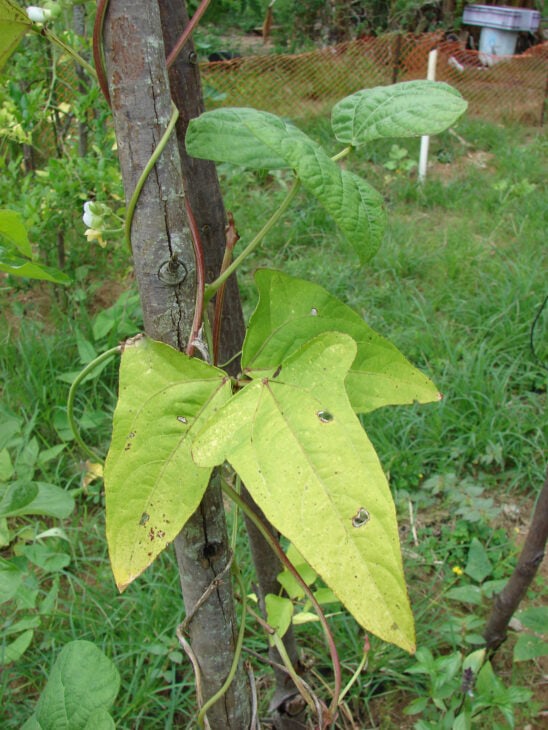
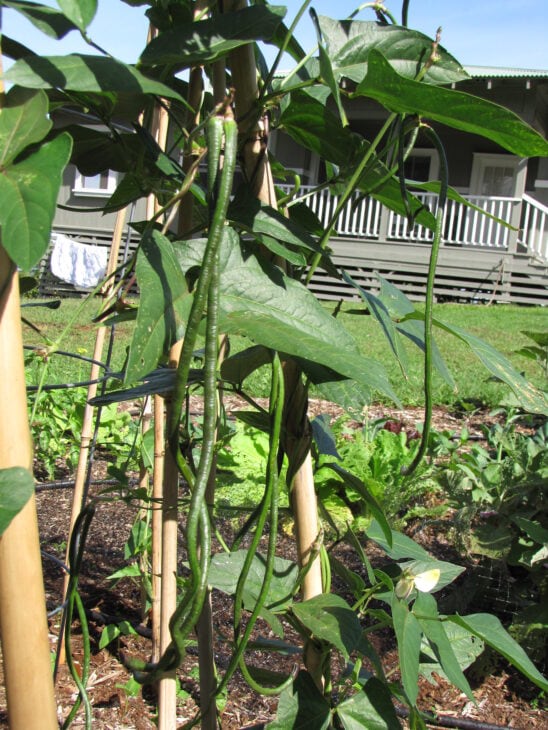
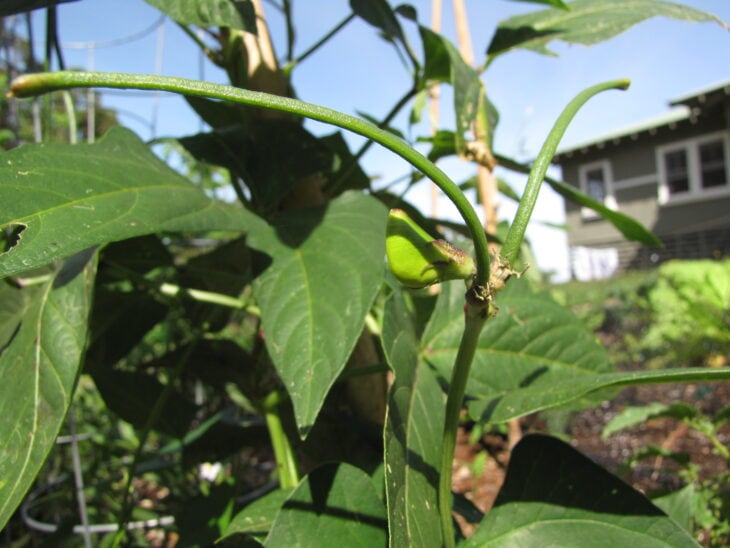
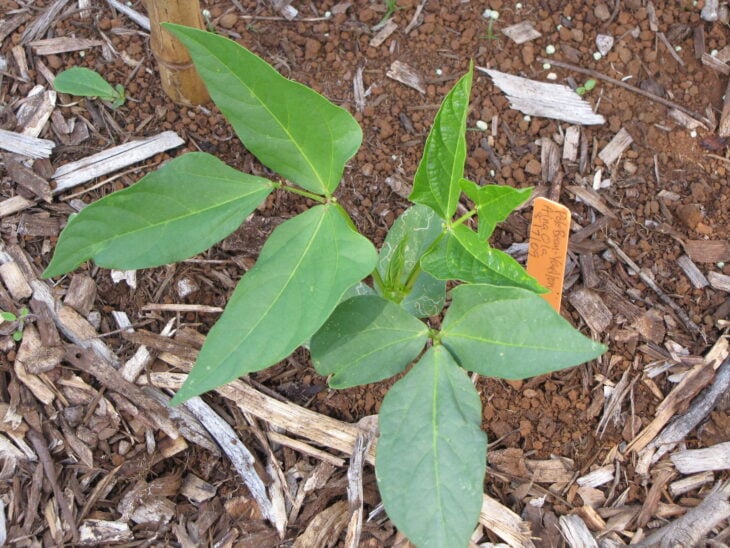
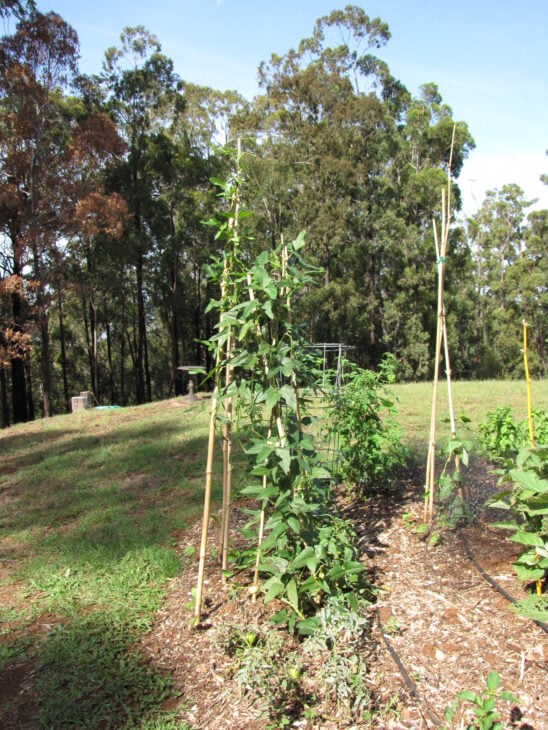
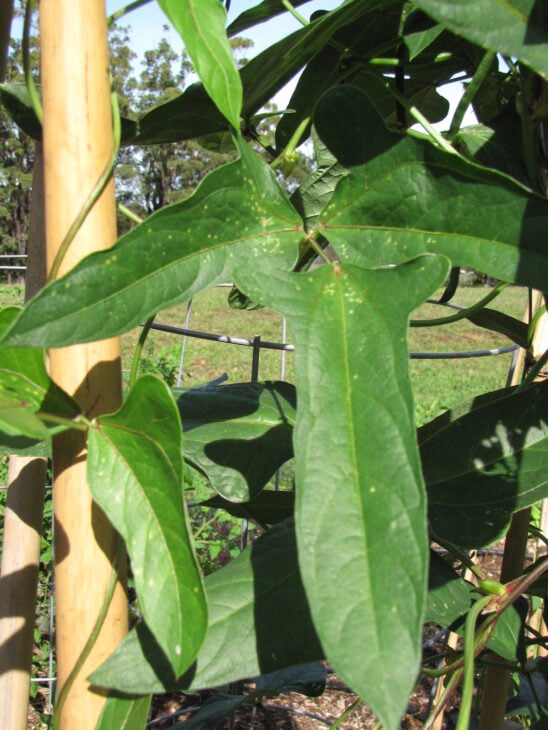
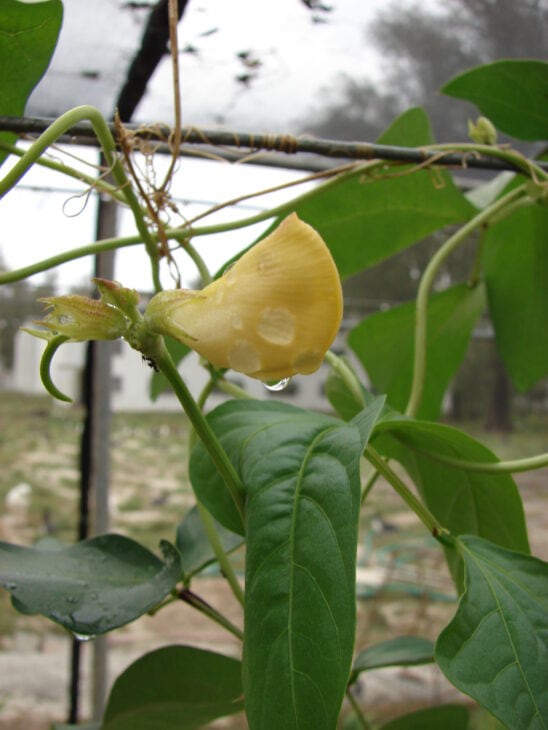
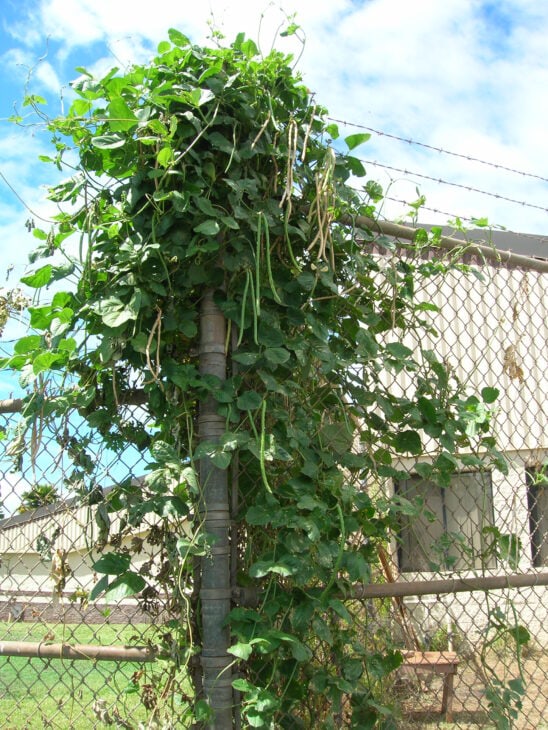
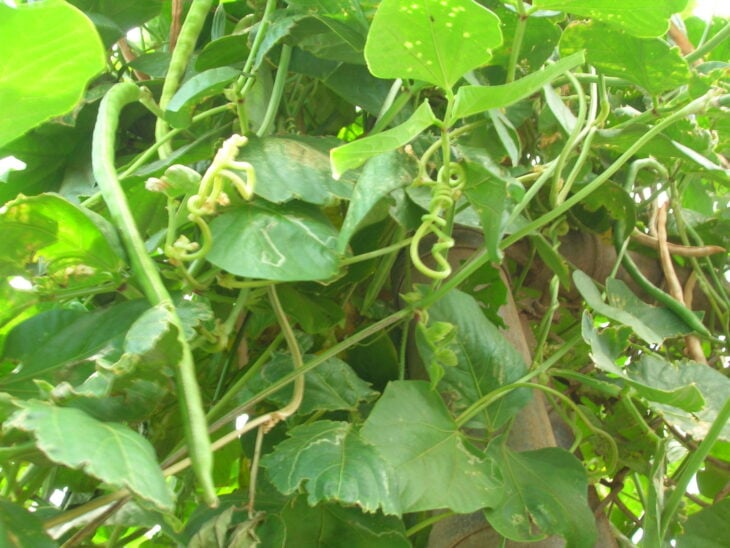
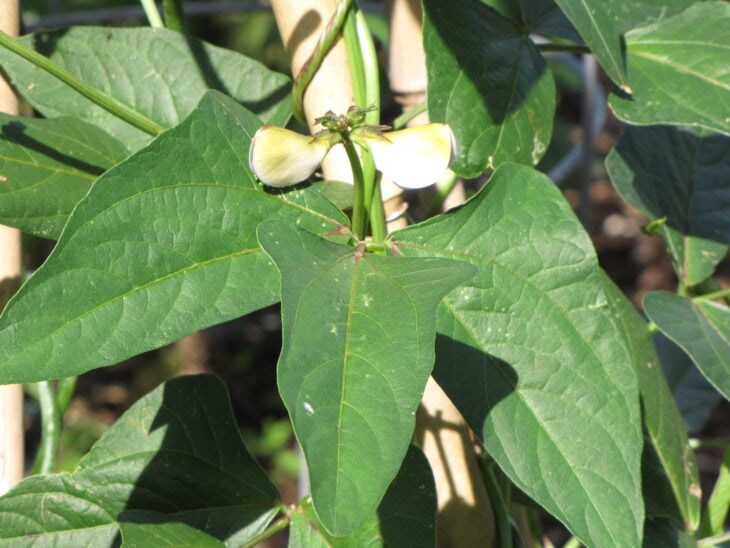
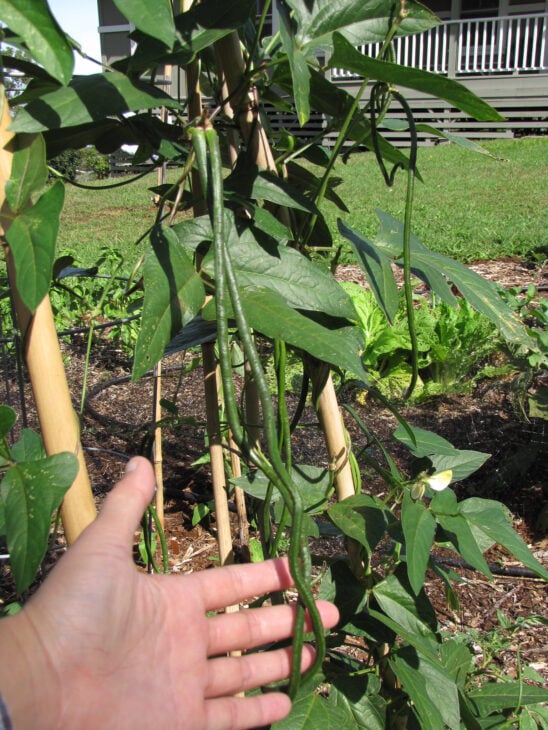
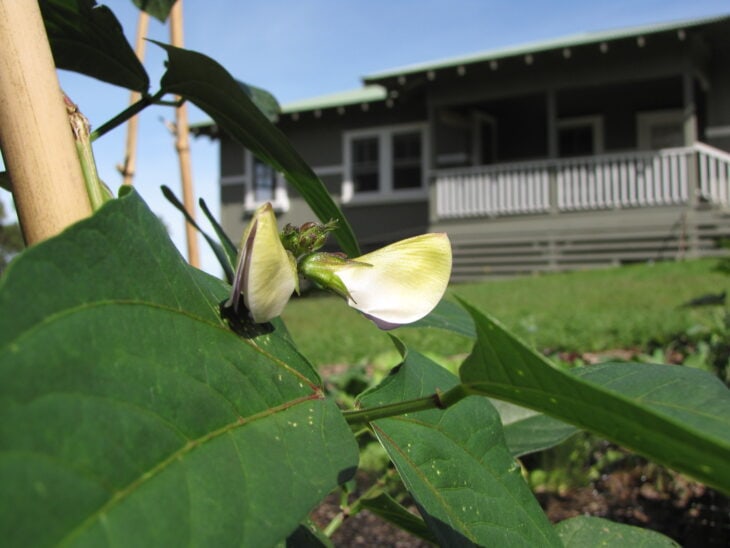
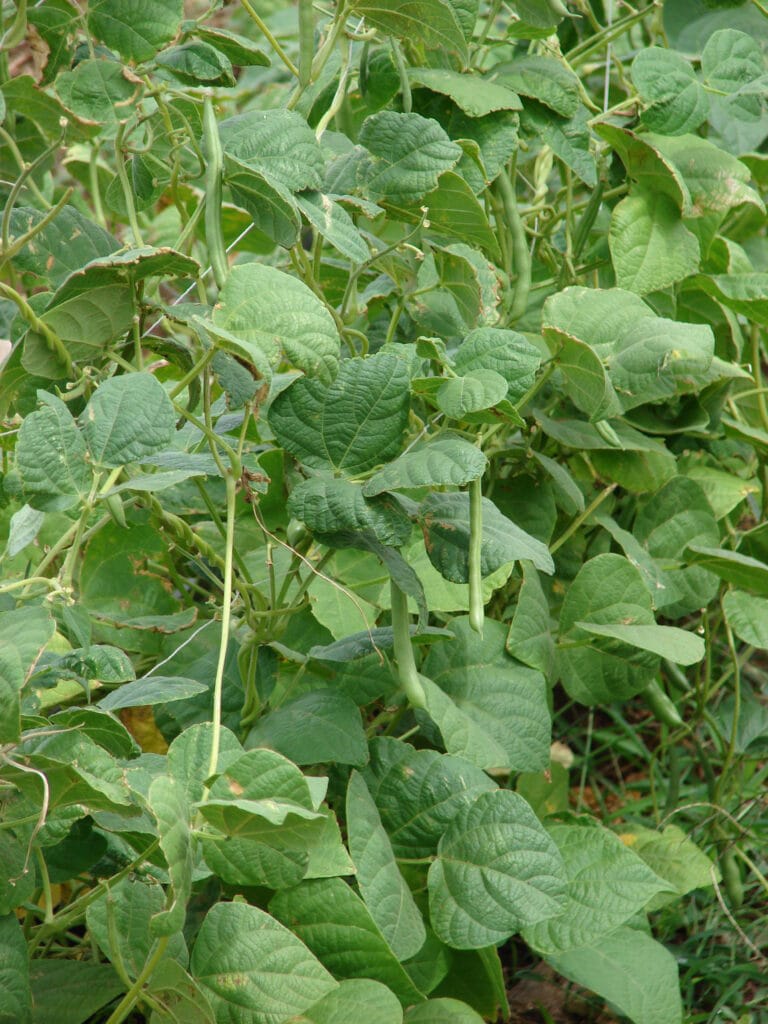
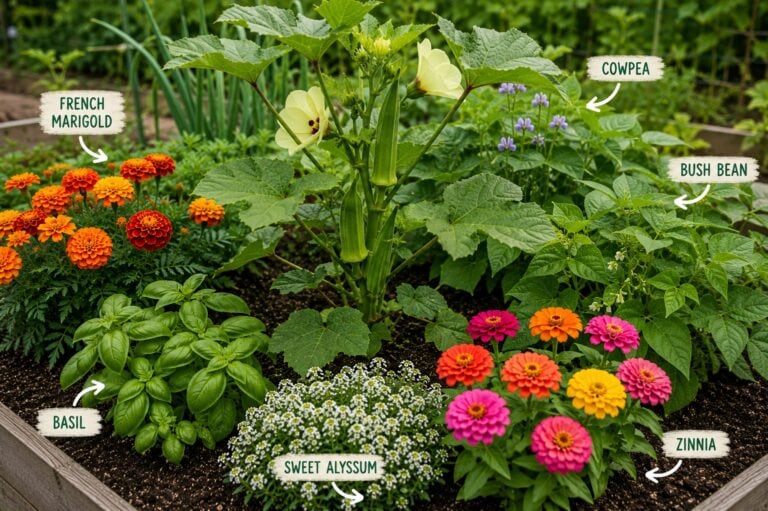
Cowpea, Vigna unguiculata, includes many cultivar types from compact bush plants to long vining types. Flowers appear in warm months and set edible pods and seeds. Plants commonly reach roughly 12 to 36 inches depending on cultivar so check the seed packet for the habit of the variety you choose.
Best places to grow and common uses
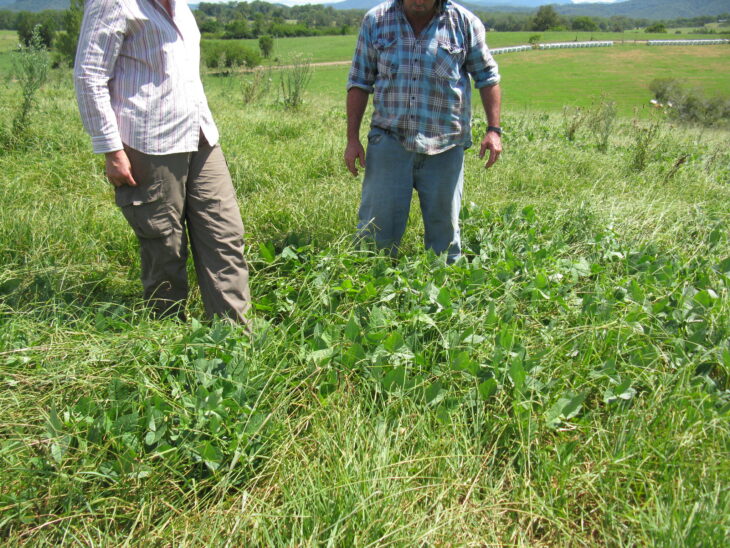
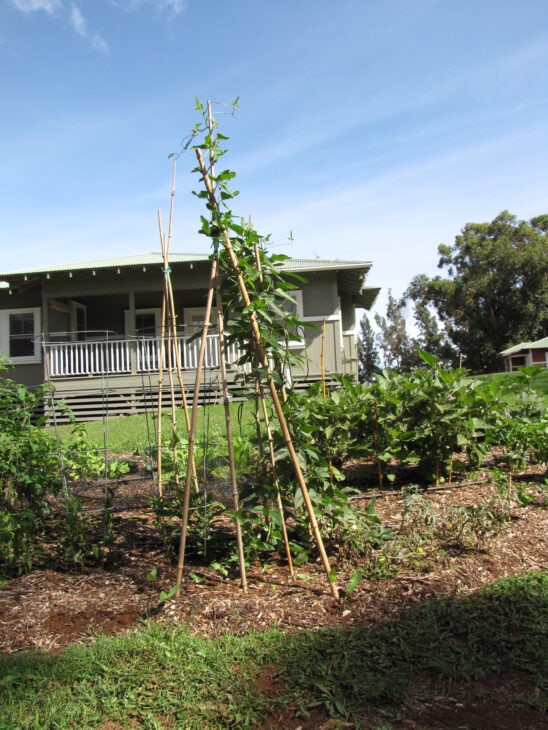
Grow cowpeas in vegetable beds, warm-season rotations and cover crop mixes where drought tolerance and quick soil improvement are useful. They supply fresh pods and leaves for cooking and dried seeds for storage while fixing atmospheric nitrogen to benefit following crops. Vining types work on trellises; bush types fit small beds and containers with enough root volume.
Planting time and propagation
Direct sow seeds after the last frost when soil has warmed. Seeds can be started indoors and transplanted if an early start is needed, but transplanting is less common than direct seeding. Choose planting dates so flowering and pod set occur during the warm part of the season for best yields.
Soil, light and spacing
Cowpeas prefer well drained loam to sandy loam and tolerate poorer, sandy soils but avoid waterlogged sites. Plant in full sun for best yields; light afternoon shade is acceptable in extremely hot climates. Spacing varies by habit from about 12 to 36 inches apart depending on whether the cultivar is bushy or vining, and vining types need more room or support.
Watering and feeding
Cowpeas are drought tolerant once established but benefit from regular moisture during flowering and pod fill to prevent flower drop and poor pod development. Avoid overwatering and poorly drained soils which can cause root problems. Because cowpea fixes nitrogen, heavy nitrogen fertilizers are usually unnecessary and can reduce seed production.
After flowering and harvest
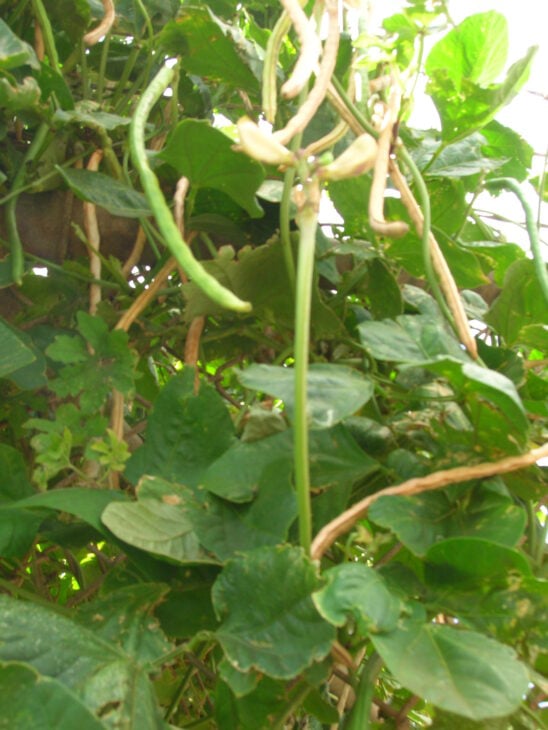
Harvest green pods for fresh use or let pods mature and dry for storage; harvesting frequency and timing depend on cultivar and planting date. Allowing some plants to mature seed can provide saved seed for next season and contributes organic matter when residues are incorporated into the soil after harvest.
Pests, diseases and toxicity
Cowpeas face common legume pests and diseases in warm season gardens; control starts with good drainage, crop rotation and selecting adapted cultivars. Seeds, pods and leaves are edible when cooked and are not known to be systemically toxic, though raw or undercooked beans can cause digestive upset in some people and allergic reactions are possible.
Controlling spread and volunteers
Cowpea is a warm season annual in most climates and is usually killed by hard frost, limiting unwanted persistence. Volunteer seedlings can appear from dropped seed; remove or hoe them if you do not want self-sown plants. In frost free or tropical areas monitor for persistence and follow local guidance on management.
Frequently asked questions
- How fast does cowpea grow?
- Growth rate varies by cultivar and growing conditions. Bush types typically reach productive size sooner than vining types, and warm, well drained sites speed establishment and flowering.
- When should I plant cowpeas?
- Sow after the last frost when soil has warmed. They are a warm season crop so planting too early in cool soil delays emergence and growth.
- How deep should I plant the seeds?
- Plant seeds shallowly according to the seed packet and local recommendations for bean crops. If starting indoors transplant seedlings once outdoor temperatures are reliably warm.
- Can cowpeas improve my soil?
- Yes. As a legume cowpeas fix atmospheric nitrogen and can improve soil fertility for subsequent crops when residues are returned to the soil.
- Are cowpeas safe for pets and livestock?
- Seeds, pods and leaves are commonly eaten when cooked. Confirm any region or cultivar specific concerns with local poison control or veterinary resources before using as animal feed.
Gallery
Related Plants
Mentioned In (1)
Plants
Companion Plants for Okra: What Works (and what doesn’t)
Root-knot nematodes, aphids, and pod-feeding stink bugs are the pressure points that make okra companion planting worth planning carefully. The…