
Key Facts
- Deciduous shrub or small multi-stemmed tree native to eastern North America.
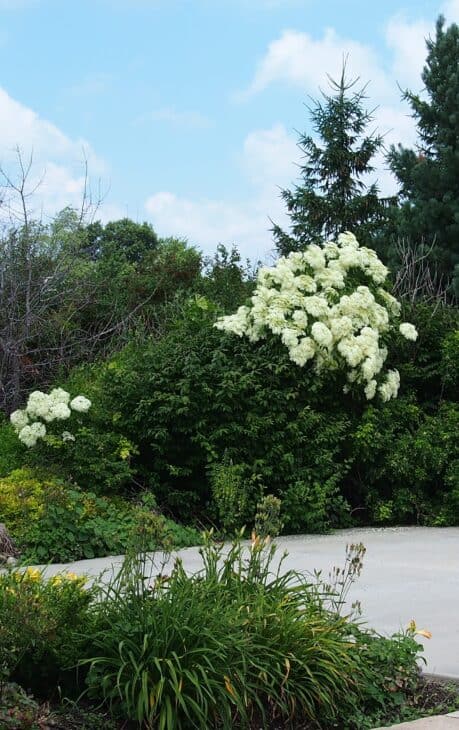
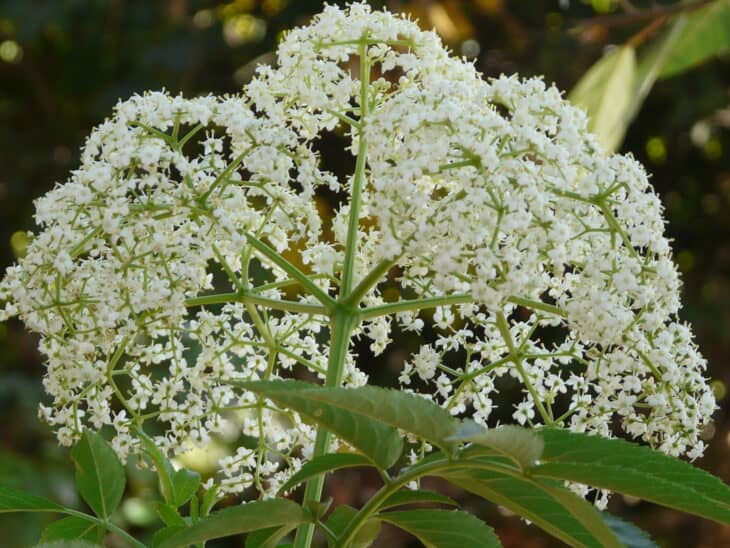
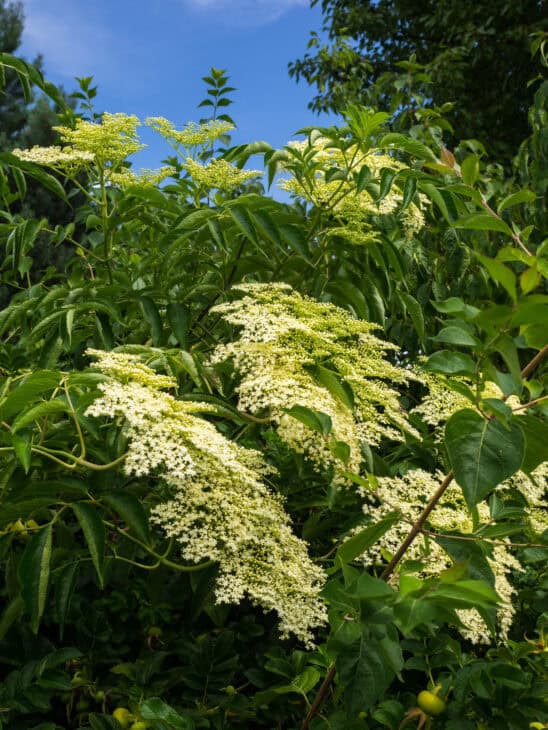
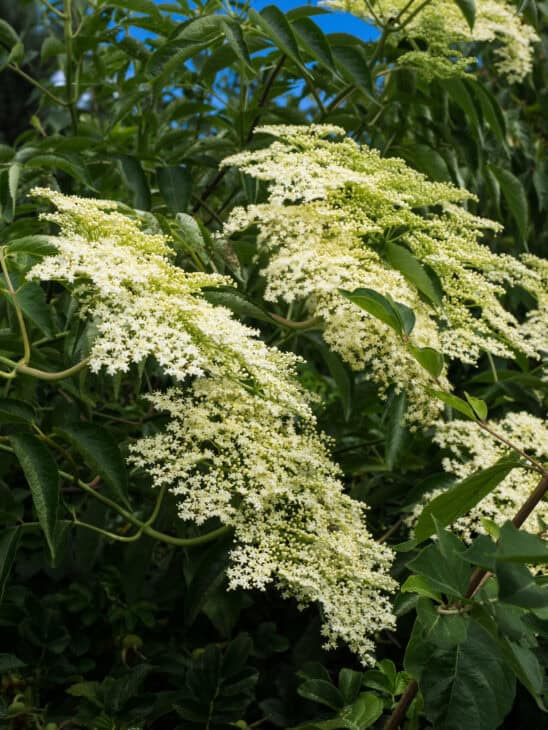
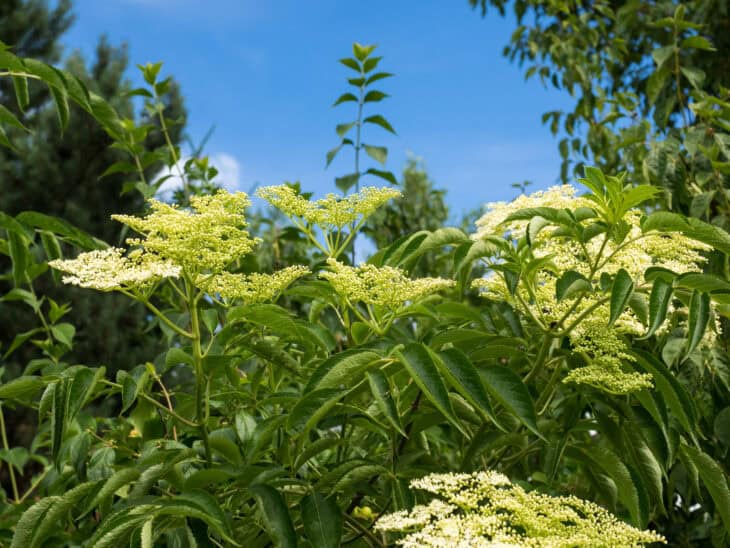
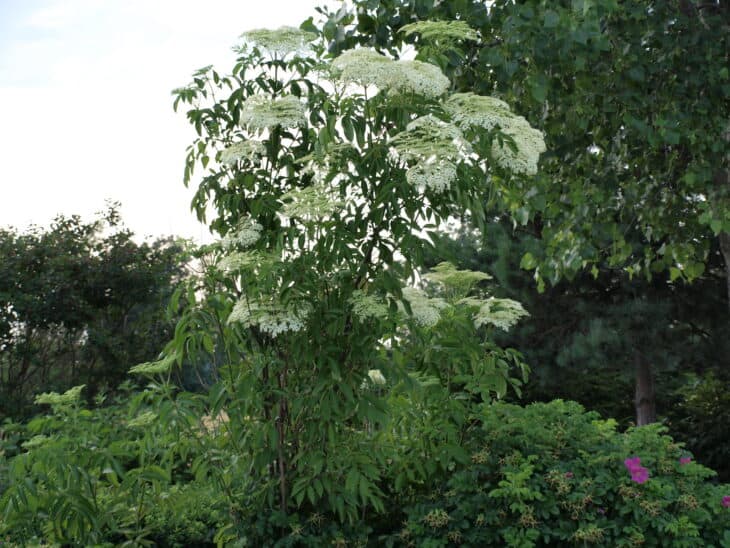
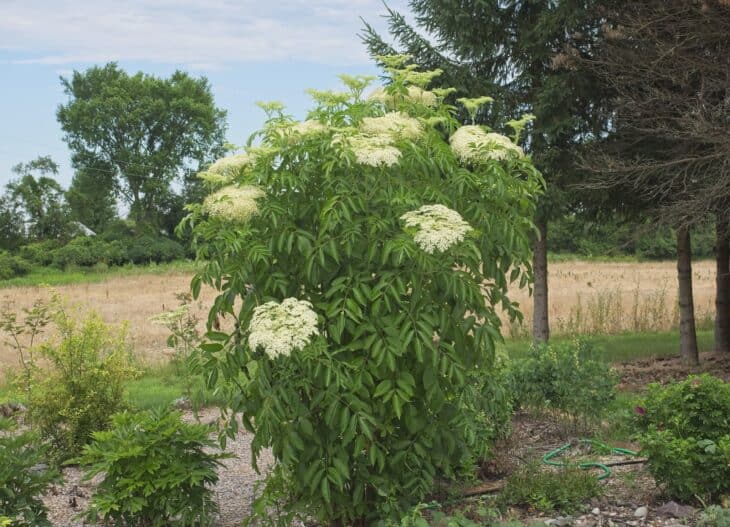
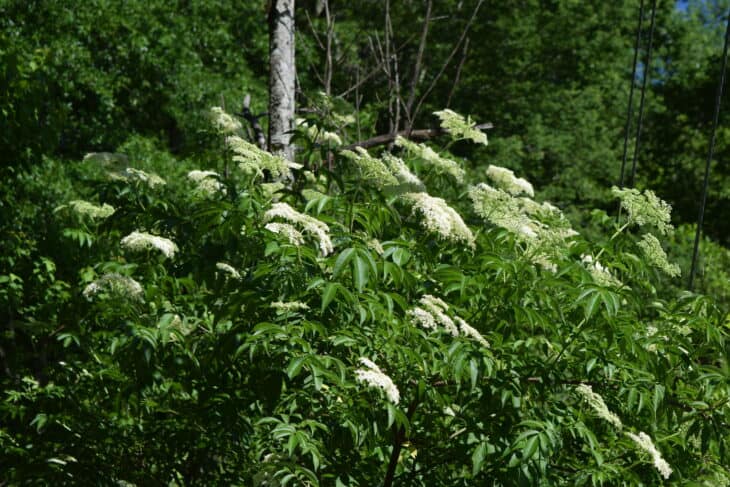
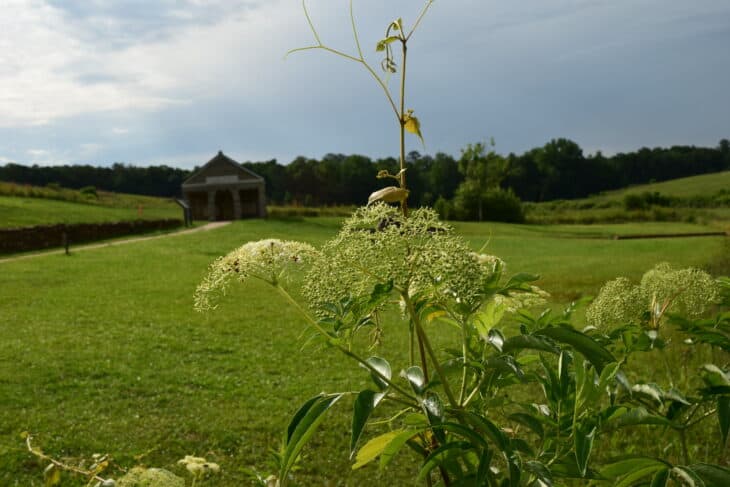
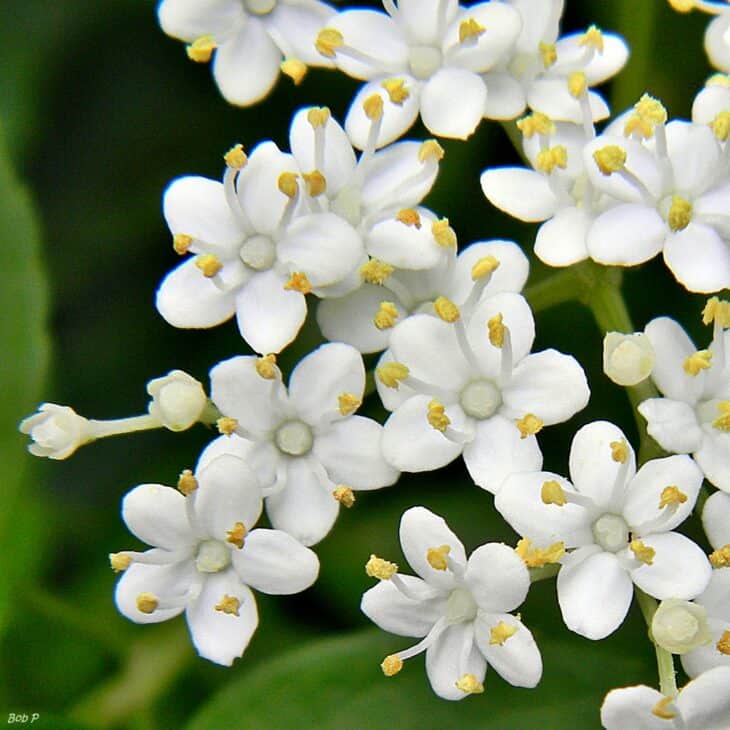
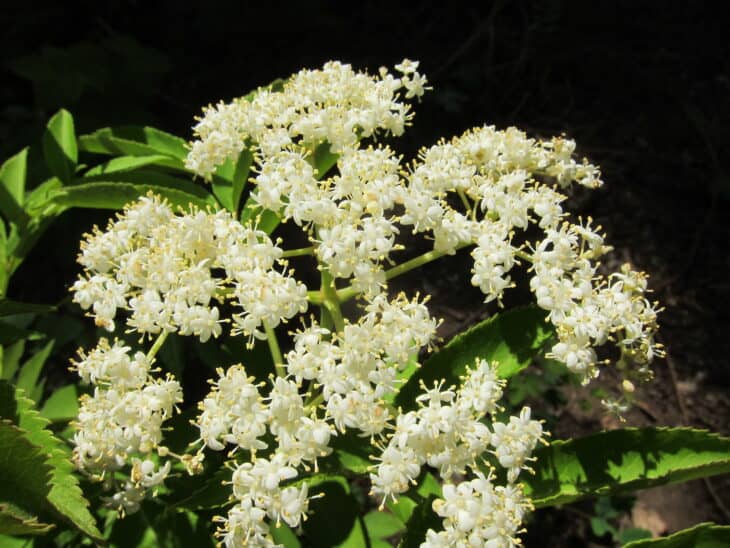
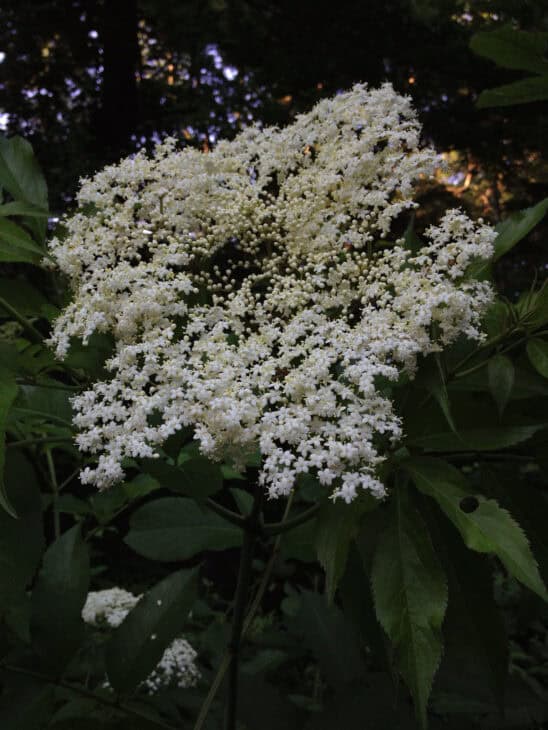
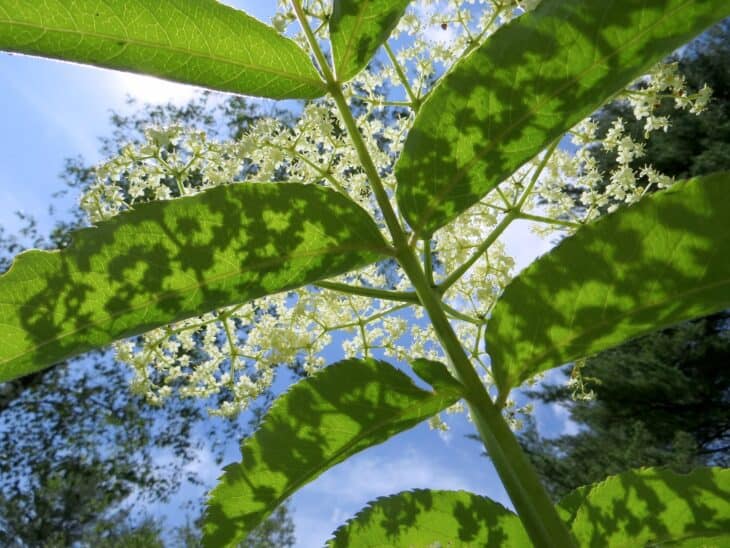
- Large flat-topped clusters of white to cream flowers appear in late spring to early summer.
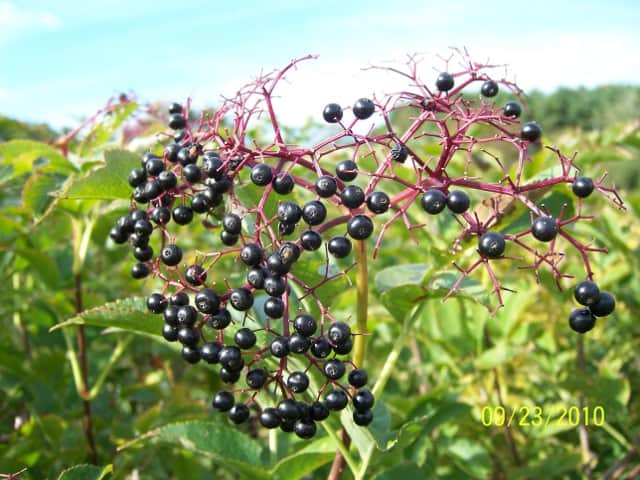
- Dark purple berries form after flowering and are used cooked for syrups and preserves.
- Raw berries and other green parts contain compounds that can cause nausea and vomiting.
- Attracts birds and wildlife that feed on the fruit.
- Prefers moist, fertile soils and tolerates wet or poorly drained sites.
- Grows from suckers and can form colonies if left unchecked.
- Propagated by seed, suckers, and cuttings.
American Elderberry is a multi stemmed deciduous shrub prized for flat clusters of white flowers in late spring and dark purple berries later in the season. It fits moist sites and wildlife plantings while raw plant parts are mildly toxic until berries are cooked.
Identification
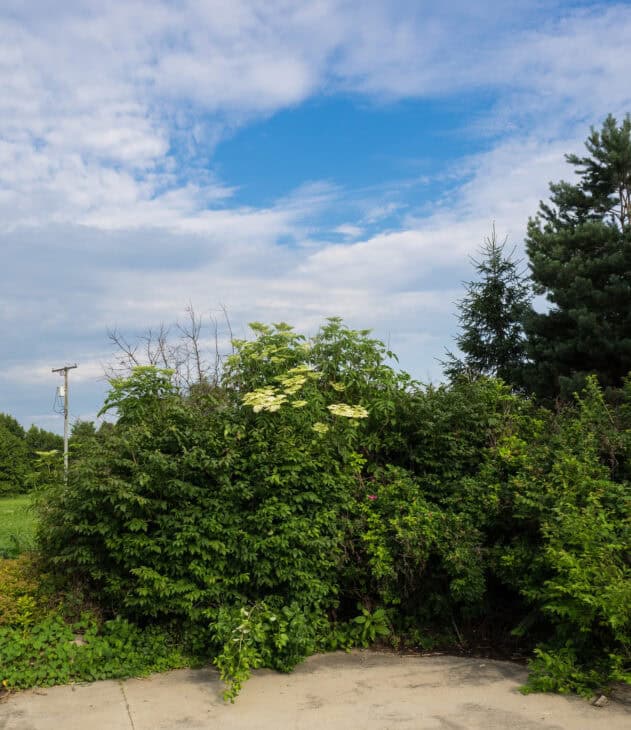
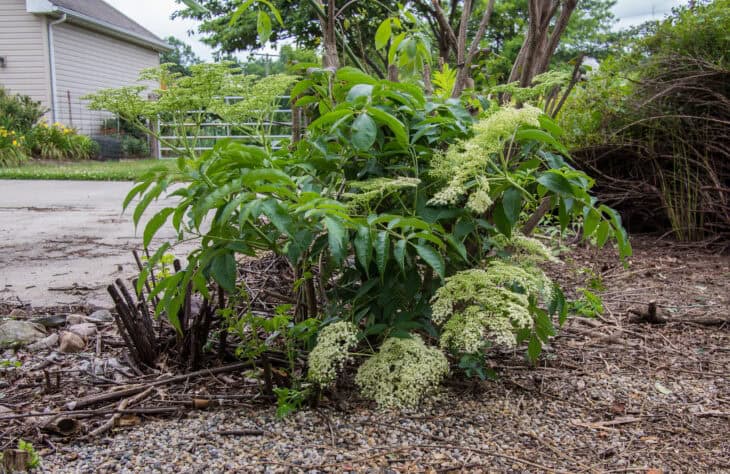
American Elder is a deciduous shrub or small multi stemmed tree native to eastern North America. Large flat topped clusters of white to cream flowers appear in late spring to early summer and these give way to dark purple berries. Plants commonly reach 6 to 12 feet tall and spread about the same when allowed to form a broad habit.
Best uses and where to grow
Use American Elder in wildlife plantings hedgerows and naturalized edges where soil stays moist. It performs well in USDA zones 3 to 7 and tolerates wet or poorly drained sites that some shrubs avoid. Fruit attracts birds and cooked berries are used for syrups and preserves when harvested and prepared properly.
Planting time and spacing
Planting season varies with climate so choose a time when soil is workable and extremes of heat or frost are unlikely. Space plants 6 to 12 feet apart depending on whether you want individual shrubs or a thicket. Remove extra root suckers to keep single specimens or allow them to form dense wildlife cover where desired.
Soil light and watering
American Elder prefers moist fertile soils and adapts to heavy and seasonally wet ground. It tolerates poor drainage but constant standing water may reduce vigor. Plant in full sun for best berry set though it tolerates part shade. Water regularly while plants establish and avoid prolonged drought which lowers growth and fruiting.
After flowering and pruning
Flowers appear in late spring to early summer and fruit develops on the same season. Prune to manage size and remove unwanted suckers in the dormant season to keep form tidy. Thinning older stems opens the shrub and encourages fresh growth while keeping colonies controlled maintains the planting design.
Controlling spread and naturalizing
American Elder spreads readily by root suckers and can form colonies if left unchecked. Remove or separate suckers at the crown to prevent unwanted expansion or to propagate new plants. For naturalized plantings allow spread to create thickets but monitor boundaries to protect adjacent beds or lawns.
Propagation
Propagate by seed root suckers division and both softwood and hardwood cuttings. Layering is effective in the landscape and separating established suckers yields ready transplants. Choose propagation methods based on whether you want individual specimen plants or to expand a wildlife hedge or thicket.
Toxicity and wildlife
Raw leaves stems roots and unripe berries contain compounds that can cause nausea and vomiting. Ripe berries are used cooked after processing to make syrups and preserves. The shrub attracts birds which disperse fruit so keep berries away from pets and children until prepared and consult local poison control for pet specific guidance.
Frequently asked questions
- How fast does American Elder grow?
- Growth rate varies by site and moisture but plants often establish quickly from suckers and seedlings and reach typical size within a few years in favorable conditions.
- Are the berries edible raw?
- Raw berries and other green parts can cause nausea and vomiting. Ripe berries are traditionally cooked before eating which destroys the toxic compounds.
- How do I propagate American Elder?
- Common methods include seed root suckers division and softwood or hardwood cuttings. Layering and separating suckers produce reliable transplants.
- How do I stop it from spreading?
- Remove root suckers at the crown or dig and separate them. Regular monitoring and removal of new shoots keeps colonies from overtaking beds.
- When does American Elder bloom?
- Flowering occurs in late spring to early summer with timing that varies by local climate and latitude.
Gallery
Related Plants


Mentioned In (1)

Trees
37 Most Common Trees in Texas
Texas is located in the Southernmost region of the United States and is bordered by New Mexico and other Mexican…