
Key Facts
- Native to Texas and adjacent parts of Mexico.
- Small tree or large shrub that can be semi evergreen in warm areas.
- Produces small black fruity berries that are eaten by wildlife and can be eaten by people when ripe.
- Drought tolerant once established.
- Prefers well drained soils and tolerates alkaline and rocky sites.
- Flowers are small and white and appear in spring.
- Used as a specimen tree and in native or xeric landscapes.
Texas Persimmon is a compact native tree valued for drought tolerance and small black fruit. It suits specimen planting and dry native landscapes while tolerating rocky and alkaline soils, though it needs good drainage to avoid decline.
Identification
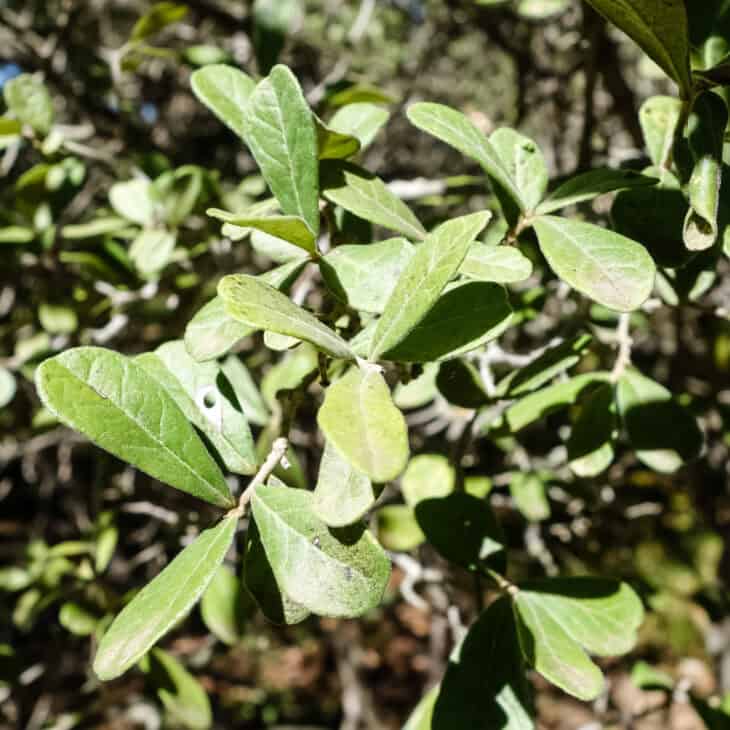
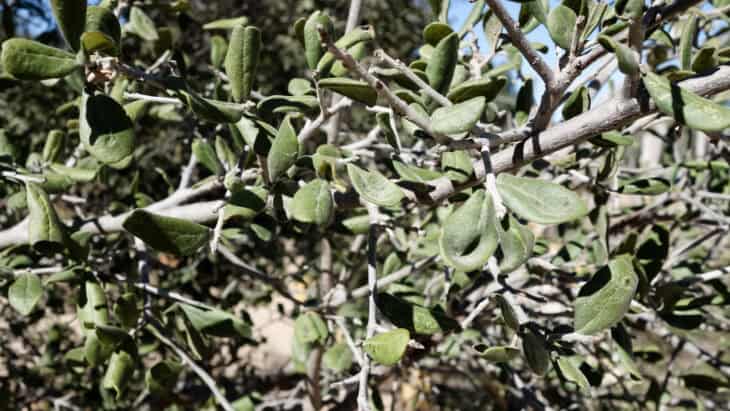
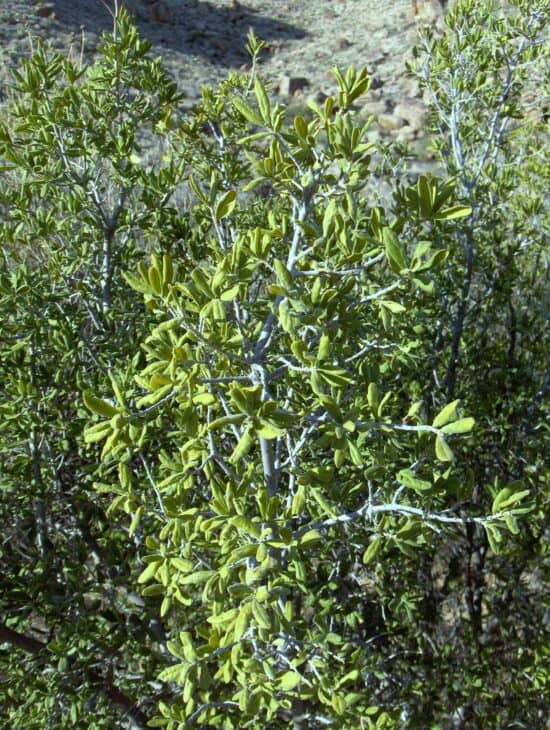
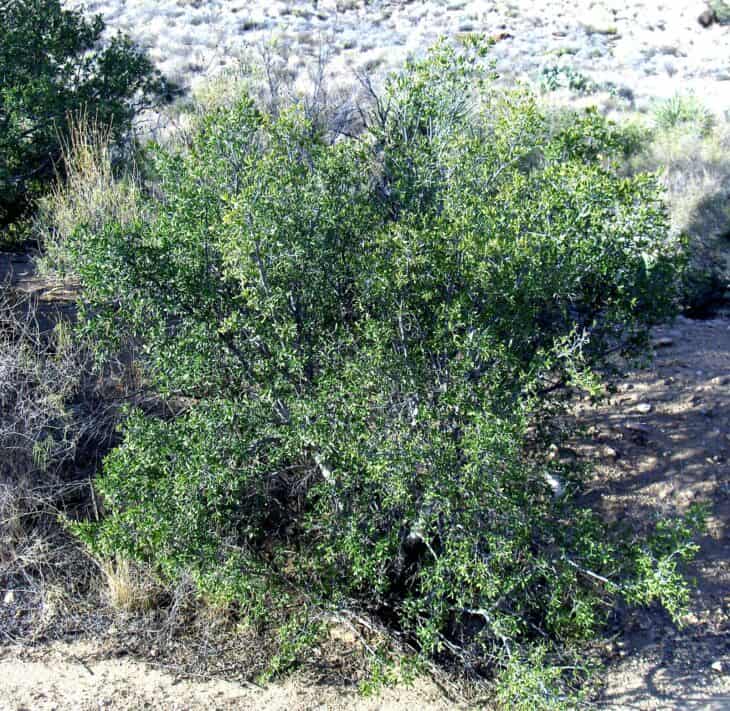
Texas Persimmon is a small tree or large shrub typically 10 to 30 feet tall with a similar spread, often multistemmed in exposed sites. It can be semi evergreen in warmer areas, produces small white flowers in spring and bears small black, fruity berries that attract wildlife and are edible when fully ripe.
Where to grow and best uses
Native to Texas and adjacent parts of Mexico, this shrub works well as a specimen, street tree in tight sites, or in xeric and native plantings. It tolerates rocky, calcareous and alkaline soils and performs where drainage is good, making it a go-to for dry, rocky slopes and limestone landscapes.
Planting time and spacing
Texas Persimmon is suited to USDA zones 7 to 10. Space plants 10 to 20 feet apart to match their mature spread and avoid crowding. Plant during mild seasons such as spring or fall to allow roots to establish before extreme summer drought or winter cold, and provide regular water during the first year.
Soil and light
Choose a well drained site; Texas Persimmon tolerates clay, rocky and alkaline soils but performs poorly in waterlogged ground. It prefers full sun to part shade and produces the best fruit and compact form in full sun, while shadier locations can lead to leggier growth and reduced fruit set.
Watering and general care
Once established the tree is drought tolerant and requires minimal supplemental irrigation. Keep young plants watered regularly until roots are established or you may see slowed growth. Avoid overwatering or poor drainage because saturated soils can cause root decline and reduced vigor.
After flowering and fruiting
Small white spring flowers are followed by black berries that wildlife consume and that people can eat when fully ripe. Fruit set and reliable ripening are more consistent in warmer zones where the plant holds foliage. Unripe fruit is astringent and may cause stomach upset, so harvest only fully ripe berries.
Pruning and spread control
The species often grows as a multistemmed shrub and can occupy a 10 to 20 foot area. Prune to shape or remove unwanted stems as needed to maintain a single trunk or compact form. Remove seedlings or suckers to limit naturalizing in garden beds where space is limited.
Propagation
Texas Persimmon can be grown from seed and propagated by cuttings. Seed-grown plants may vary in form from the parent. Cuttings are used where clonal material is desired but consult propagation references for the best cutting type and rooting techniques to improve success rates.
Edibility and safety
Ripe black fruits are reported edible for people and are eaten by wildlife. Unripe fruits are strongly astringent and can cause stomach upset. The species is not widely listed as highly toxic but confirm pet and child safety with local poison control or extension resources before advising consumption.
Frequently asked questions
- How fast does Texas Persimmon grow?
- Growth rate is moderate and varies with site quality. In cultivation it commonly reaches 10 to 20 feet but can reach up to 30 feet in protected, fertile sites.
- Is Texas Persimmon drought tolerant?
- Yes. It becomes drought tolerant once established, but young plants need consistent moisture to establish a deep root system.
- Will it grow in clay or alkaline soils?
- Yes. The tree tolerates clay, rocky and alkaline soils provided the site has good drainage and is not waterlogged.
- Are the fruits edible?
- The small black berries are eaten by people when fully ripe. Unripe fruits are astringent and may cause stomach upset; verify safety for pets and children with poison control.
- How cold hardy is Texas Persimmon?
- It is generally suited to USDA zones 7 to 10. Plants colder than zone 7 may experience dieback, and in warmer zones the tree can remain semi evergreen and fruit more reliably.
Gallery
Related Plants


Mentioned In (2)

Trees
37 Most Common Trees in Texas
Texas is located in the Southernmost region of the United States and is bordered by New Mexico and other Mexican…

Trees
27 Terrific Flowering Trees For Texas Yards
Are you looking to plant flowering trees in Texas? Well, you will be immensely pleased to know that despite its…