
Key Facts
- Large deciduous shade tree native to eastern and central North America.
- Vase shaped crown when mature and often used historically as a street tree.
- Flowers in early spring before leaves appear.
- Tolerates a wide range of soils including clay and wet sites.
- Prefers full sun to part shade.
- Highly susceptible to Dutch elm disease and vulnerable to other elm pathogens.
- Regenerates from seed and from root suckers and is commonly propagated by grafting for cultivars.
- Often shorter or less common as large mature specimens where disease pressure is high.
- Hardy across a broad range of USDA zones.
American Elm is a large native shade tree prized for its vase shaped crown and broad canopy, commonly used along streets and in parks. It flowers in early spring before leaves appear and tolerates a wide range of soils, but heavy losses from Dutch elm disease limit how many trees reach full size.
Identification
American Elm is a deciduous tree that typically reaches tall statures in favorable sites and forms a vase shaped crown as it matures. Leaves and small inconspicuous flowers appear in spring before the leaves, and mature trees often show a broad canopy with an open branching habit that made the species a classic street tree.
Best uses and where to grow
Use American Elm for large shade areas, park plantings, and wide lawns where a tall vase shaped canopy is desirable. It adapts to urban sites and tolerates clay and seasonally wet soils so it fits compacted or heavy soil conditions, but expect fewer long lived specimen trees where disease pressure is high.
Planting season and site selection
Plant American Elm in spring or fall when soil is workable to encourage root establishment. Choose sites with full sun to part shade and room for a canopy spread often forty to sixty feet at maturity so roots and crown can expand without conflicts with structures or small gardens.
Soil and watering
American Elm prefers moist soils and tolerates a broad pH range, including heavy clay and seasonally wet sites. Keep newly planted trees regularly watered during the first two growing seasons to encourage deep roots, and reduced watering can lead to stress symptoms such as dieback and poor canopy development.
Pruning and after flowering care
Prune young trees to develop a strong central structure and vase shaped form, removing crossing or weak branches in late winter. After flowering maintain clearance under the canopy and remove dead wood promptly, because keeping canopy health reduces vulnerability to pests and helps slow structural decline in mature trees.
Pests and disease management
American Elm is highly susceptible to Dutch elm disease and vulnerable to other elm pathogens, which often prevents trees from reaching quoted maximum heights. Monitor trees for wilt and bark beetle activity, remove and dispose of infected wood according to local guidance, and consult extension services about resistant cultivars and integrated management options.
Propagation and controlling spread
The species regenerates from seed and from root suckers and is commonly propagated by grafting for named cultivars in nurseries. In sites where suckering is common control suckers to prevent undesired thickets, and choose propagation methods carefully when planting cultivars to preserve desired traits.
Frequently asked questions
- How fast does American Elm grow?
- Growth is generally vigorous in good sites and trees can reach tall sizes in favorable conditions, but many do not reach full height where Dutch elm disease and other stresses are common.
- When does American Elm flower?
- Flowering takes place in early spring before leaves expand, typically March to April in much of the northern hemisphere, with exact timing varying by local climate.
- Is American Elm suitable for street planting?
- American Elm was long used as a classic street tree because it tolerates compacted soils and urban conditions, but high susceptibility to Dutch elm disease requires careful selection of location and management or use of disease resistant cultivars.
- Can I propagate American Elm from suckers or seed?
- Yes, the species commonly regenerates from seed and root suckers, while nurseries use grafting to propagate named cultivars. Vegetative cutting success varies by method and season.
- How can I reduce risk from Dutch elm disease?
- Reduce beetle breeding habitat, remove and destroy infected wood following local rules, and consult local extension about resistant cultivars and recommended sanitation practices.
Related Plants


Mentioned In (18)
Trees
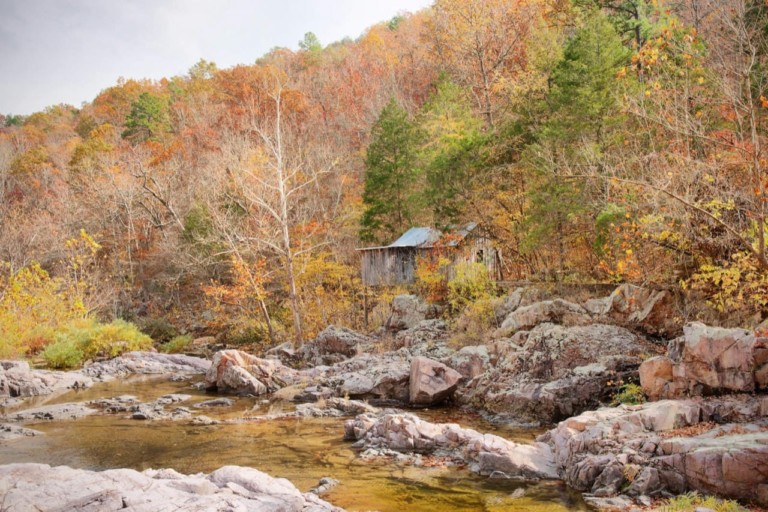
36 Most Common Trees in Missouri
Missouri is located in the Midwestern region of the United States. The gorgeous State is bordered by eight states, including…
Trees
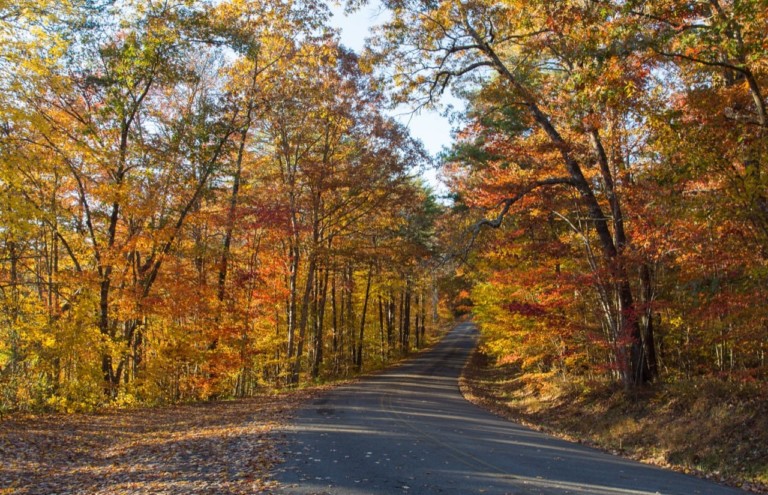
34 Most Common Trees in Alabama
The 30th largest state in the United States of America, Alabama, is home to a mesmerizingly diverse landscape. From hardwood…

Trees
23 Most Common Trees in South Dakota
If you are looking to plant a tree in your garden, it is best to know what the most common…

Trees
30 Most Common Trees in Arkansas
The state of Arkansas is home to a diverse variety of trees. Some trees found in Arkansas are not native…
Trees
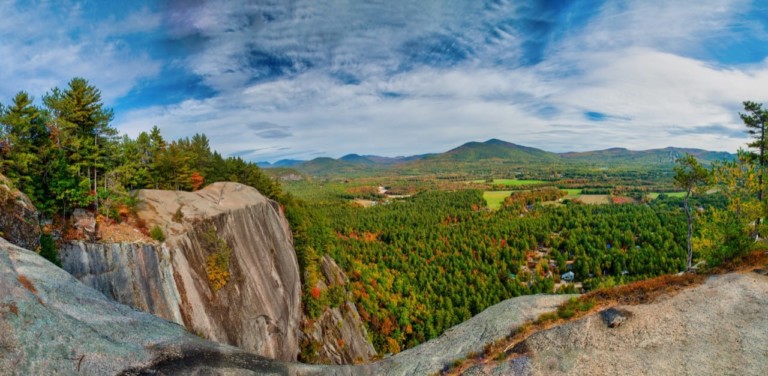
22 Most Common Trees in Maine
The state of Maine is home to many different species of trees, but according to the forestry department, only about…

Trees
22 Most Common Trees in Minnesota
Minnesota is home to hundreds of species of trees, but only about 22 are common in Minnesota. These are the…
Trees
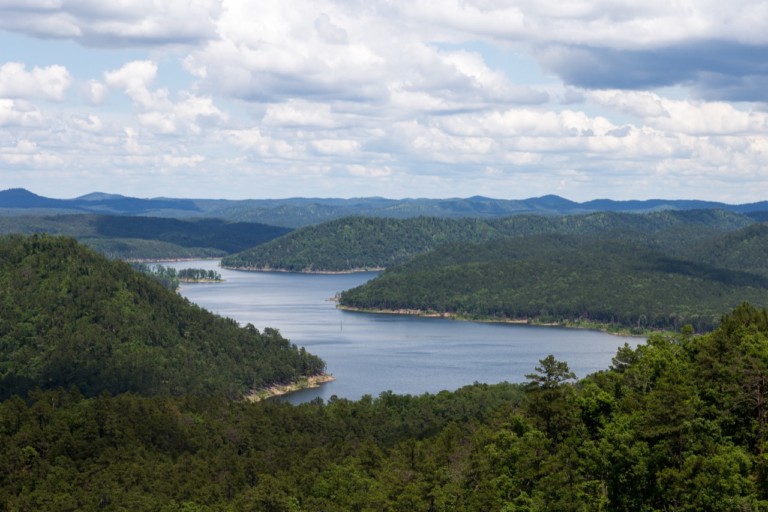
26 Most Common Trees in Oklahoma
The state of Oklahoma has many different ecoregions, including spruce-fir forests in the mountains, mesophytic forests in the eastern highlands,…
Trees
19 Most common trees in Iowa
Iowa is home to many common trees that are spread throughout the state. Most Iowans live in or near a…

Trees
30 Most common trees in New England
The trees of New England are some of the most beautiful in the world. From maples to sycamores, here are…
Trees
23 Most Common Trees in Nebraska
Nebraska is known for its vast, rich landscapes that are absolutely teeming with wildlife and vegetation. There are approximately 10,000…
Trees
30 Most Common Trees in Kansas
Kansas is home to a wide range of trees, from the tall and hardy oak tree that can grow up…

Trees
19 Most Common Trees in Colorado
Colorado is known for its mountainous terrain and lush forests. The state has a range of ecosystems, which means there…
Trees
27 Most Common Trees in Canada
There are many different types of trees in Canada. Some unique to certain regions, others common across the country. This…
Trees
25 Most Common Trees in West Virginia
West Virginia's ecology and wildlife benefit from vegetation. Pollutants are filtered away by vegetation, which also helps to prevent erosion.…

Trees
23 Most Common Trees in Illinois
The Midwestern region of the United States is home to Illinois, “the Prairie State." The area is marked by lush…
Trees
19 Most Common Trees In New Jersey
When you think of New Jersey, the most heavily populated state in the country, your first thought might not be…
Trees
17 Most Common Trees in Massachusetts
The diverse ecosystems in Massachusetts include lakes, rivers, swamps, valleys, mountains, and hundreds of miles of forests, offering a variety…

Trees
20 Different Types of Hardwood Trees
Hardwood trees are usually sought after by those who wish to make strong, sturdy furniture and other items so it…