
Key Facts
- Evergreen conifer native to mountainous parts of the southwestern United States and northern Mexico.
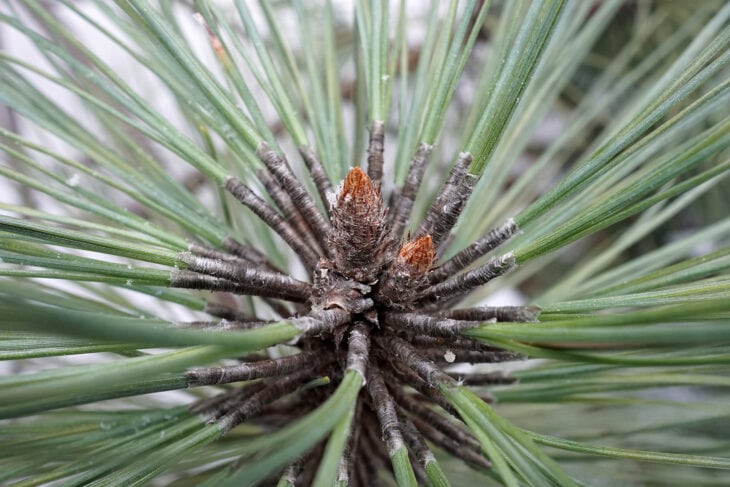
- Needles held in bundles of three.
- Produces male pollen and female seed cones rather than showy flowers.
- Medium sized pine commonly used in native forestry and upland plantings.
- Prefers well drained rocky or sandy soils and full sun exposure.
- Tolerates poorer soils but does not tolerate prolonged waterlogging.
- Propagated primarily by seed and by planting nursery stock.
Arizona Pine (Pinus arizonica) is an evergreen conifer native to montane areas of the southwestern United States and northern Mexico. It is valued in native forestry and upland plantings for its tolerance of rocky well drained sites and its full sun habit, though it does not tolerate prolonged waterlogging.
Identification
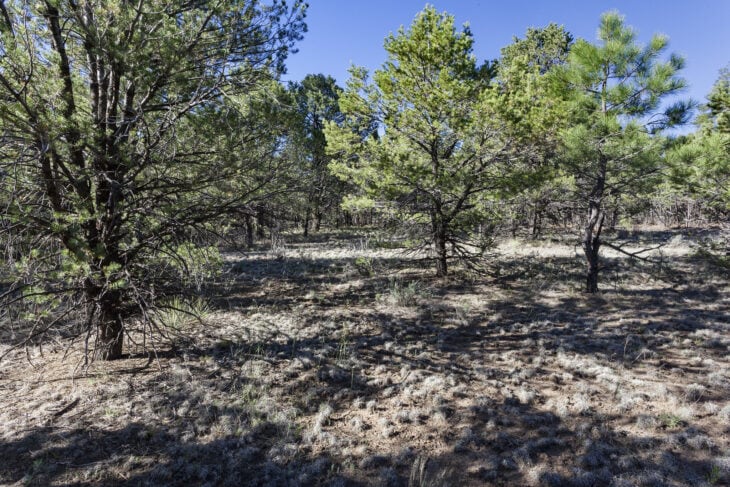
Needles are held in bundles of three and remain on the tree year round. Mature trees are medium sized, commonly reaching about 40 to 80 feet tall with a crown spread often between 25 and 50 feet in open sites. Reproduction is by male pollen and female seed cones produced in spring rather than showy flowers.
Where to grow and best uses
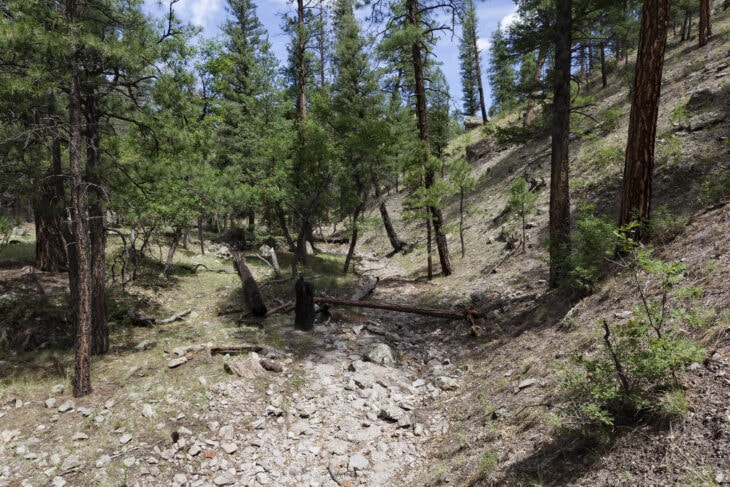
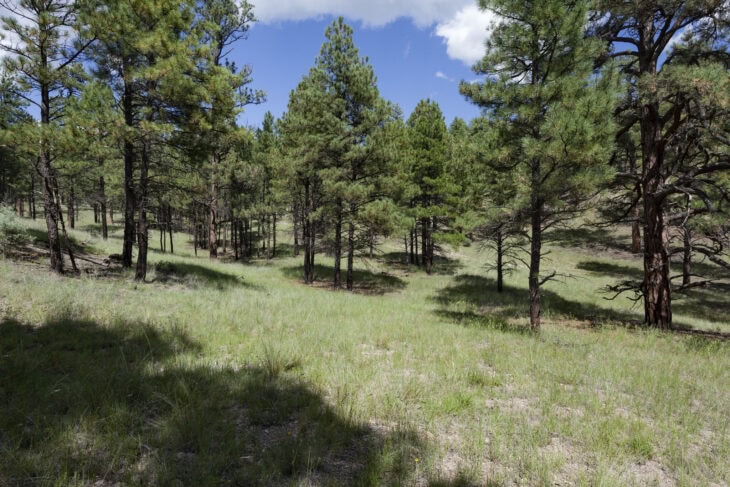
Grow Arizona Pine in USDA zones 5 to 9 in full sun and on well drained sandy or rocky soils. It is suited to upland plantings, shelterbelts, reforestation and large-specimen uses where its size and native character are acceptable. Avoid low elevation hot sites and places that stay wet after rains.
Planting and establishment
Use nursery stock for reliable establishment or propagate by seed collected from mature cones. Plant so the root flare sits at the soil surface and avoid burying the trunk. Space trees to accommodate a 25 to 50 foot mature crown when planting single specimens or rows to reduce future crowding.
Water and soil
Arizona Pine prefers well drained rocky or sandy soils and tolerates poorer, shallow soils. Young trees require regular moisture until established but prolonged waterlogging causes root decline. Pines commonly prefer slightly acidic to neutral soils, so test and amend only if needed rather than applying routine heavy fertilizer.
After-cone care and maintenance
Cones form in spring and do not require removal for tree health. Perform light pruning to remove dead or crossing branches and to shape young trees. Expect slow to moderate development to mature size over years; watch for dieback where winters are very cold or where trees experience extended heat at low elevations.
Spread, impact and control
Arizona Pine regenerates by seed and can form local stands in suitable montane sites but it is not widely reported as invasive. Control volunteer seedlings by mowing or hand pulling before they establish. Proper spacing and seed collection help limit unwanted naturalizing in managed landscapes.
Frequently asked questions
- How fast does Arizona Pine grow?
- Growth is moderate and site dependent. Trees typically take many years to reach full height with faster growth on deeper, well watered soils and slower growth at high elevation or poor sites.
- Where is Arizona Pine native to?
- It is native to mountainous regions of the southwestern United States and northern Mexico where it occupies upland rocky sites.
- Is Arizona Pine drought tolerant?
- It tolerates drier, rocky soils once established but young trees benefit from supplemental water. Avoid soils that remain waterlogged after rain.
- How is it propagated?
- Propagation is primarily by seed collected from mature cones. Nursery grown seedlings are commonly planted for reliable establishment; cuttings are generally difficult.
- Are needles or cones toxic to pets?
- Arizona Pine is not listed as highly toxic. Ingestion of needles or cones can cause mild gastrointestinal upset and resin may irritate skin. Verify specifics with poison control if needed.
Gallery
Related Plants


Mentioned In (1)

Trees
31 Most Common Trees in Arizona
Arizona is home to some of the most beautiful trees you'll find in North America. From saguaros to ponderosa pines,…