Key Facts
- Large deciduous maple native to central and eastern North America.
- Closely related to sugar maple and sometimes treated as a variety of it.
- Leaves usually 3 lobed and often downy on the underside.
- Produces small yellow green flowers in spring.
- Valued for summer shade and yellow to orange fall color.
- Prefers fertile, well drained soil but tolerates heavier clay.
- Grows as a single trunk tree or with multiple trunks and root suckers.
- Propagated by seed and by grafting for named cultivars.
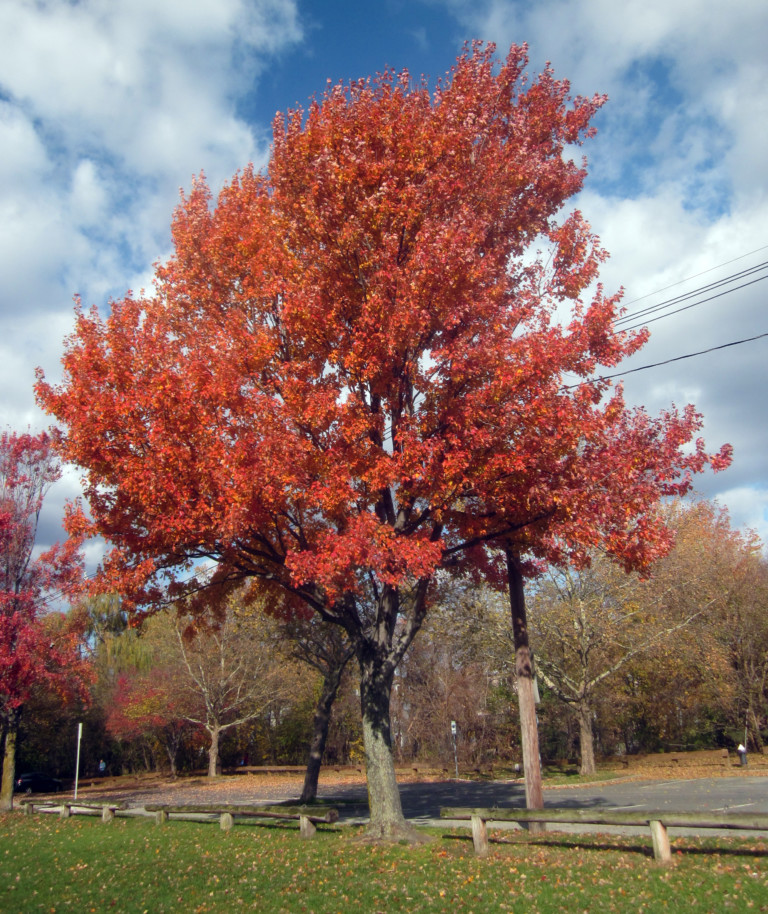
Black Maple is a large deciduous maple native to central and eastern North America valued for summer shade and yellow to orange fall color. It is closely related to sugar maple and often grows as a single trunk tree or as a multi‑stem with root suckers.
Identification
Leaves are usually three lobed with a downy underside that helps separate it from sugar maple in the field. Small yellow green flowers appear in spring before or with leaf out. Mature trees commonly reach roughly 40 to 75 feet tall with a spread near 30 to 50 feet depending on form and site.
Best uses and where to grow
Use Black Maple as a large shade tree in parks, large yards and naturalized plantings where room allows for a wide crown. It does best in temperate climates within USDA zones 3 to 8 and provides reliable summer shade plus notable yellow to orange fall color when grown in full sun to part shade.
Soil, light and spacing
Prefers fertile, well drained soil that is slightly acidic to neutral but tolerates heavier clay and moderate dryness. Avoid sites with chronic standing water because poor drainage reduces vigor and leads to root problems. Space trees to match a mature spread of 30 to 50 feet to prevent crowding and competing roots.
Planting and establishment
Choose a planting site with good drainage and full sun to light shade for best form and fall color. Young trees establish more reliably when given adequate root space and steady moisture while roots develop. Local provenance and site quality strongly influence ultimate size and vigor so verify recommendations for your area.
Watering and ongoing care
Black Maple tolerates moderate dryness once established but benefits from regular watering during long dry spells and the first few years after planting. Poorly drained or compacted soils increase the risk of decline. Minimal routine pruning is needed other than removing dead wood and controlling suckers if you prefer a single trunk form.
Propagation and managing suckers
Propagate by seed, grafting or by using root suckers. Seed requires cold stratification and named cultivars are usually cloned by grafting. Many trees produce root suckers that can be removed to maintain a single trunk or used to propagate new plants when careful rooting techniques are applied.
Safety and wildlife notes
Black Maple is not commonly listed as toxic to people or household pets. Some maple species such as red maple can cause severe illness in horses when wilted leaves are ingested. Confirm any equine risk with a veterinarian or a local extension source before allowing grazing in areas with maples.
Frequently asked questions
- How fast does Black Maple grow?
- Growth is typically moderate. Mature height is commonly 40 to 75 feet but time to reach that size varies widely with site quality, climate and provenance.
- What hardiness zones suit Black Maple?
- Generally suited to USDA zones 3 through 8 with reduced vigor in warmer southern climates.
- How far apart should I plant Black Maples?
- Plan for a mature spread of about 30 to 50 feet and space trees accordingly to avoid crowding and root competition.
- How is Black Maple propagated?
- Propagate from seed with cold stratification, by grafting for named cultivars, or by using root suckers that the tree commonly produces.
- Are Black Maples toxic to pets or livestock?
- They are not commonly listed as toxic to people or household pets. For horses, verify species specific risk with a veterinarian since some Acer species can cause severe illness.
Related Plants