
Key Facts
- Evergreen conifer with two needles per fascicle.
- Native to parts of Europe and western Asia.
- Used as an ornamental, windbreak, and bonsai subject.
- Prefers full sun and well drained soils.
- Tolerant of dry and poor soils once established.
- Mature trees commonly reach large sizes and form a broad crown.
- Reproduces by wind pollinated cones in spring.
- Cultivars exist that are smaller and better suited to urban sites.
- Susceptible to some pine pests and diseases under stress.
Black pine (Pinus nigra) is a dark-needled evergreen used widely as an ornamental, windbreak and bonsai subject, while some cultivars fit into smaller urban sites. It prefers full sun and well drained soils and can become a large tree at maturity, so place it where the crown has room to develop.
Identification
Black pine is an evergreen conifer with two needles per fascicle and a dark, often rough bark on mature trunks. Mature specimens commonly reach 40 to 60 feet tall with a broad crown and a spread around 20 to 30 feet, though many landscape cultivars are significantly smaller than these species norms.
Best uses in the landscape
Use Black pine as a specimen tree, a formal or informal windbreak, or trained as bonsai where its rugged bark and dark needles are desirable. It suits open sites where full sun highlights its form; avoid planting where the eventual large crown would crowd buildings, power lines or smaller trees.
Where to grow and hardiness
Black pine is generally recommended for USDA zones 4 to 7 with some variation by cultivar and provenance. It tolerates colder sites at the low end of that range and tends to grow faster toward the warmer edge, but those warmer conditions can raise stress from drought and some pests.
Planting and spacing
Place full‑sized Black pines at least 20 to 30 feet apart so crowns do not compete. Planting depth follows the original root flare; avoid burying the trunk. Choose a sunny site with good air circulation and space for the broad mature crown to limit future corrective pruning.
Soil and watering
Black pine prefers well drained soils and tolerates poor, dry and neutral to alkaline soils; waterlogged conditions lead to root decline. Provide regular water while young to establish roots. Once established the species tolerates dry sites but prolonged waterlogging or heavy clay without drainage reduces vigor.
Care and maintenance
Minimal pruning is needed beyond removing dead or crossing branches and occasional formative work. Monitor stressed trees for needle loss and pests since susceptibility rises under drought or poor site conditions. Mulch to conserve moisture but keep mulch away from the trunk to avoid rot.
Propagation
Propagate Black pine from seed with appropriate cold stratification for best results; named cultivars are commonly grafted or budded to retain specific traits. Hardwood cuttings are generally difficult and not a reliable method for cultivar reproduction.
Pests and disease
Black pine can be susceptible to several pine pests and diseases when stressed by poor drainage, drought or unsuitable sites. Regular inspection and maintaining tree vigor through proper siting and watering reduces risk. Consult local extension services for identification and regional treatment recommendations.
Containers and bonsai
Certain cultivars and trained young plants are suitable for large containers and bonsai, where restricted root space keeps size manageable. Container specimens need consistent attention to watering, fast draining soil and winter protection in colder climates compared with trees planted in the ground.
Frequently asked questions
- How fast does Black pine grow?
- Growth rate varies by provenance and site. It is often moderate, but growth can be faster in warmer, well drained sites and slower in colder or stressed conditions.
- What soil does Black pine prefer?
- It prefers well drained soils and tolerates poor, dry and neutral to alkaline soils. Waterlogged soils increase the risk of root decline.
- Is Black pine suitable for small gardens?
- Full sized trees reach 40 to 60 feet and 20 to 30 foot spread, so small gardens should choose dwarf cultivars or plant in containers to control size.
- How do you propagate Black pine?
- Propagate by seed with cold stratification for best results. Named cultivars are usually grafted or budded; cuttings are generally difficult.
- When do Black pine cones form?
- Cones develop after spring pollen release when the species is wind pollinated. Exact timing varies with local climate and hemisphere.
Gallery

Related Plants


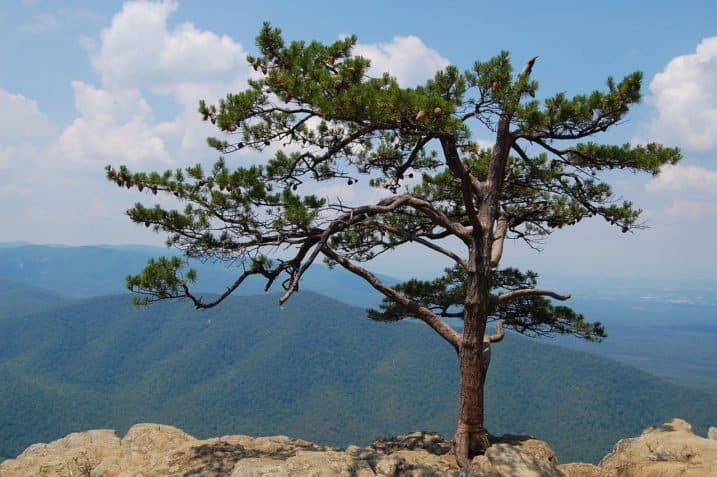
Mentioned In (5)
Pine
12 Iconic Types Of Pine Trees In New Zealand
Did you know plantations cover over seven percent of New Zealand's total area? Today, New Zealand has a total of…
Pine
12 Most Common Types Of Pine Trees In Canada
Do you love collecting pine cones and smelling that fresh, evergreen smell of pine on your early morning jog? Well,…
Pine
7 Different Types of Pine Trees in Missouri
The state of Missouri has 1,000 miles of trails, so you’ll naturally see a lot of trees while you’re hiking…

Pine
51 Common Types of Pine Trees in North America (photos)
Wherever you go in North America, it is difficult not to see pine trees. These are tall, elegant trees that…

Pine
17 Common Types of Pine Trees in Georgia
If you’re unfamiliar with the many species of pine trees in existence, they may all look alike to you but…