
Key Facts
- Evergreen conifer native to the western Mediterranean region.
- Commonly called maritime pine in horticulture and forestry.
- Used for timber production and resin extraction.
- Tolerant of dry, sandy and coastal soils once established.
- Produces large cones and wind dispersed pollen in spring.
- Can naturalize and be invasive outside its native range.
- Provides seeds and shelter for wildlife.
Mediterranean Pine (Pinus pinaster) is an evergreen conifer from the western Mediterranean valued for timber, resin and coastal shelter, though it can naturalize outside its native range. It tolerates dry, sandy soils and wind but becomes a large tree in suitable climates, so site choice matters.
Identification
Evergreen conifer commonly called maritime pine with a broad crown and large cones produced during the growing season. Wind dispersed pollen is released in spring. In favorable sites it reaches substantial height and develops a wide crown, providing seeds and cover for wildlife rather than ornamental flowers.
Where to Grow and Best Uses
Well suited to coastal planting, shelterbelts and forestry on sandy or loamy soils where drainage is good. Used for timber production and resin extraction and as a sheltering specimen in temperate coastal landscapes. Avoid small urban gardens where the mature size and canopy could overwhelm other plants.
Planting and Spacing
Select a sunny, exposed site with free draining soil and allow room for a broad crown. Mature crowns commonly span about 6 to 12 metres so space trees at least that far apart to prevent crowding. Timing and exact spacing depend on local climate and the provenance of the planting stock.
Soil, Light and Water
Prefers well drained sandy to loamy soils and tolerates poor, dry conditions once established. Avoid waterlogged heavy clay because poor drainage leads to root decline and mortality. Plant in full sun for best growth. Provide regular watering while young then reduce watering as the tree establishes and becomes drought tolerant.
After-flowering Care and Maintenance
Pines need little pruning after cone production; remove crossing branches and keep a clear lower trunk for access and safety. Cones and needles will drop naturally so plan for litter under the canopy. Monitor for winter dieback in colder inland sites and for resin ooze or wound-related decline.
Controlling Spread and Invasiveness
Pinus pinaster can naturalize and become invasive outside its native range by seeding into open ground. Control by removing seedlings promptly, limiting cone build-up near sensitive habitats and avoiding planting near native shrublands where recruitment could outcompete local species.
Propagation
Propagate mainly by seed sown fresh or after stratification; seed provenance strongly influences growth and hardiness. Grafting is used for selected cultivars while cuttings are generally difficult. Use fresh or stratified seed for better germination and choose local provenances when possible to improve establishment success.
Frequently asked questions
- How fast does Mediterranean Pine grow?
- Growth rate varies with provenance, soil and climate. In favorable conditions it can reach medium to large tree size and may grow rapidly compared with many shrubs, ultimately attaining around 20 to 40 metres in height where conditions allow.
- Is Mediterranean Pine invasive?
- It can naturalize and become invasive outside its native range. Remove seedlings and manage cone fall to reduce spread, and avoid planting near vulnerable native vegetation.
- Is it suitable for coastal planting?
- Yes. The species tolerates dry, sandy soils, wind and salt exposure common on coastal sites, making it a good choice for shelterbelts and coastal planting where space allows.
- Are the needles or resin toxic to pets?
- Not considered highly toxic but ingestion of needles or resin may cause gastrointestinal upset in pets and resin can irritate skin or eyes. Check local poison control or ASPCA listings for species-specific guidance.
- How should I propagate Mediterranean Pine?
- Propagate by seed, using fresh seed or stratification to improve germination. Grafting is used for named cultivars. Cuttings are generally low success and not commonly used.
Related Plants


Mentioned In (4)
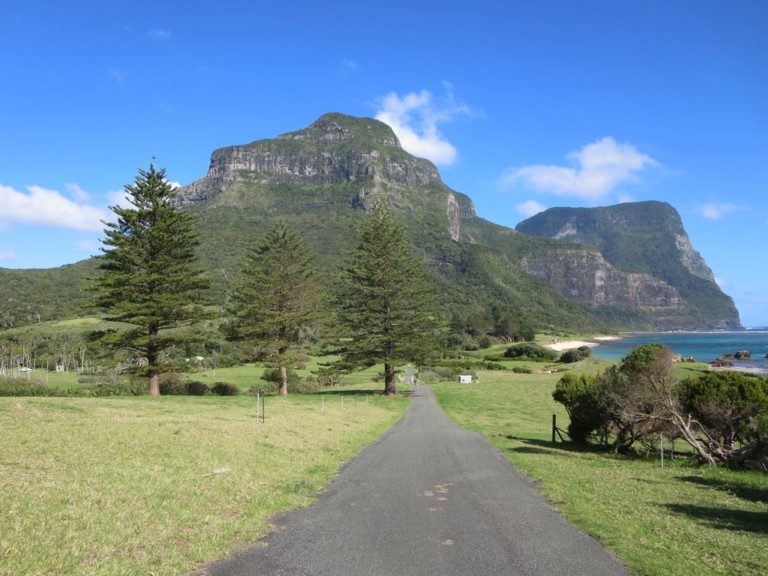
Pine
7 Common Types Of Pine Trees In Australia
Australia is a huge piece of land with a magnificent variety of flora and fauna that thrives even under extreme…
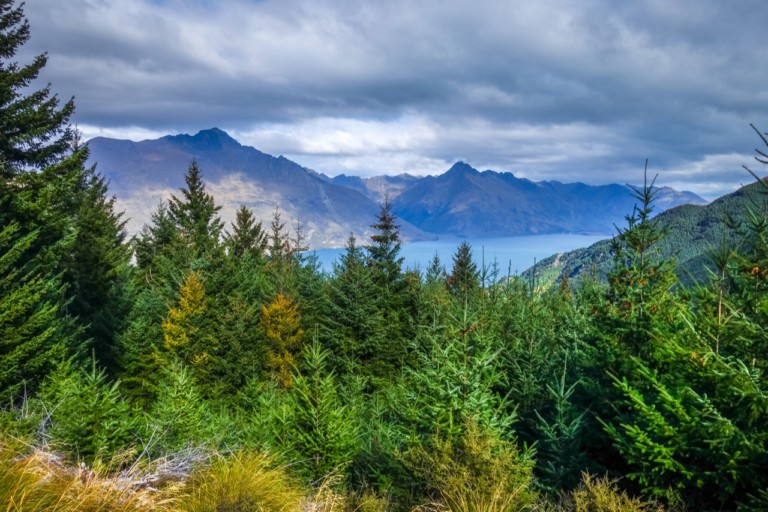
Pine
12 Iconic Types Of Pine Trees In New Zealand
Did you know plantations cover over seven percent of New Zealand's total area? Today, New Zealand has a total of…

Pine
51 Common Types of Pine Trees in North America (photos)
Wherever you go in North America, it is difficult not to see pine trees. These are tall, elegant trees that…
Pine
17 Common Types of Pine Trees in Georgia
If you’re unfamiliar with the many species of pine trees in existence, they may all look alike to you but…