
Key Facts
- Native to northern North America and common in boreal bogs and peatlands.
- A small to medium evergreen conifer with a narrow conical crown.
- Prefers acidic, moist to wet peat and organic soils.
- Tolerates cold climates and waterlogged sites.
- Reproduces primarily by seed with occasional layering.
- Produces small pollen and seed cones rather than showy flowers.
- Often grows stunted in exposed northern or boggy conditions.
- Used for reforestation wildlife cover and peatland stabilization.
Black Spruce (Picea mariana) is a small to medium evergreen conifer native to northern North America that commonly grows in acidic bogs and peatlands. It is valued for wildlife cover and for stabilizing wet, cold sites where few other trees thrive.
Identification
Black Spruce has a narrow conical crown with short stiff needles and produces small pollen and seed cones rather than showy flowers. Trees often appear stunted on exposed or boggy sites, where the crown becomes compact. Use needle length, cone size and the tight crown profile to distinguish it from other spruces.
Where to grow and best uses
Native to boreal peatlands, Black Spruce thrives in acidic wet soils and tolerates waterlogged ground and cold climates. It is commonly used for peatland stabilization, reforestation and wildlife cover. In milder landscapes it survives well but rarely dominates the canopy, so place it where moisture and acidity match its natural habitat.
Soil, light and watering
Prefers acidic, moist to wet peat and other organic soils and tolerates nutrient poor, poorly drained conditions. Alkaline or dry soils cause poor growth or decline. It does well in full sun and tolerates partial shade. Keep the root zone consistently moist to mimic bog conditions and avoid prolonged drought stress.
Planting and spacing
Plant container or field grown stock when soil is workable in spring or during a mild autumn window in your region. Set the root collar level with surrounding soil and do not bury the trunk deeper than nursery depth. Space trees by mature crown spread which commonly ranges from about 2.5 to 6 meters depending on site moisture and exposure.
Propagation and maintenance
Black Spruce regenerates primarily by seed and spreads locally by layering. Seed is the main method for restoration while semi hardwood cuttings and layering are used for clones with nursery protocols and cold stratification when required. Pruning is minimal and usually limited to removing dead branches or thinning young stems to maintain crown form.
After cone season care and wildlife
Picea mariana produces pollen and seed cones in spring to early summer with seeds shed later in the season. Leaving cones on standing trees supports seed dispersal and provides food and cover for wildlife. Remove excessive seedlings where unwanted and avoid heavy fertilization that can harm trees adapted to nutrient poor peat soils.
Controlling spread and naturalizing
Black Spruce can naturalize in suitable peatlands through seed and occasional layering but it is not commonly listed as an aggressive invasive. Control young volunteers by hand pulling when soil is soft or by cutting before seed set to prevent local buildup. Remove surplus stems in managed plantings to keep desired spacing and an open crown.
Frequently asked questions
- How fast does Black Spruce grow?
- Growth is variable. In colder zones growth is very slow and trees are often stunted. In favorable sites trees commonly reach 6 to 15 meters in height.
- Is Black Spruce suitable for small gardens?
- Usually not ideal for small gardens because mature height typically reaches several meters, though boggy or exposed specimens can remain much shorter.
- What soil does Black Spruce prefer?
- Acidic, moist to wet peat or organic soils. It tolerates poorly drained and nutrient poor conditions and performs poorly on alkaline or dry soils.
- How is Black Spruce propagated?
- Primarily by seed. Vegetative options include layering and semi hardwood cuttings used by nurseries, with success varying by provenance and technique.
- When are cones produced?
- Cones and pollen are produced in spring to early summer and seeds are typically shed later in the season, with exact timing varying by latitude.
Related Plants


Mentioned In (4)

Trees
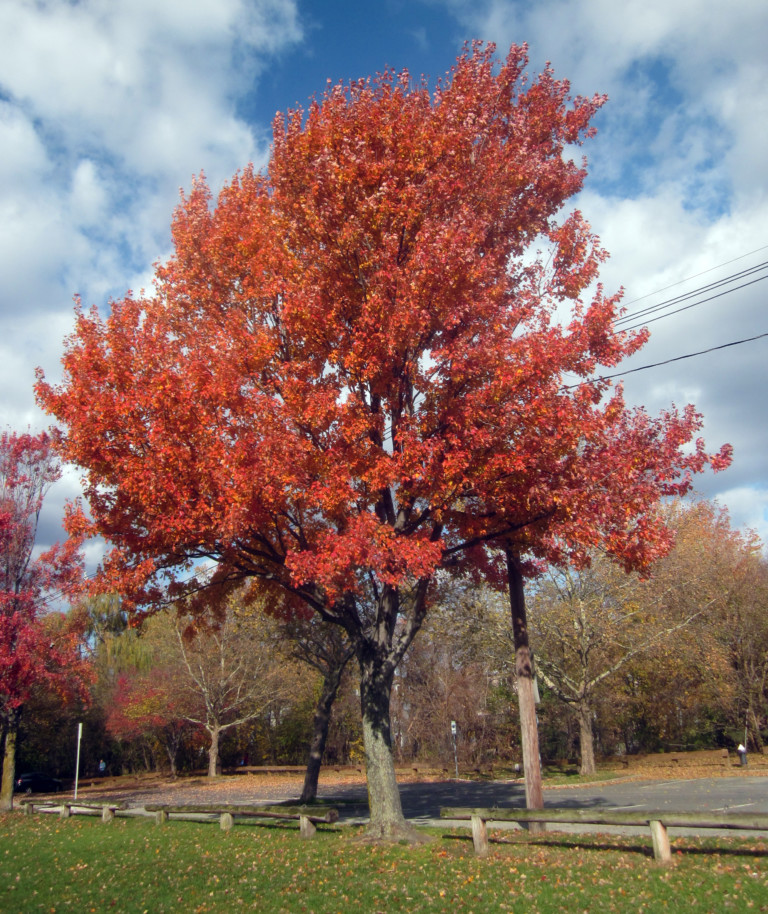
Trees of New England: Common Trees, State Trees & Massachusetts
New England is the most heavily forested region in the United States. About 80% of the six states is covered…
Trees
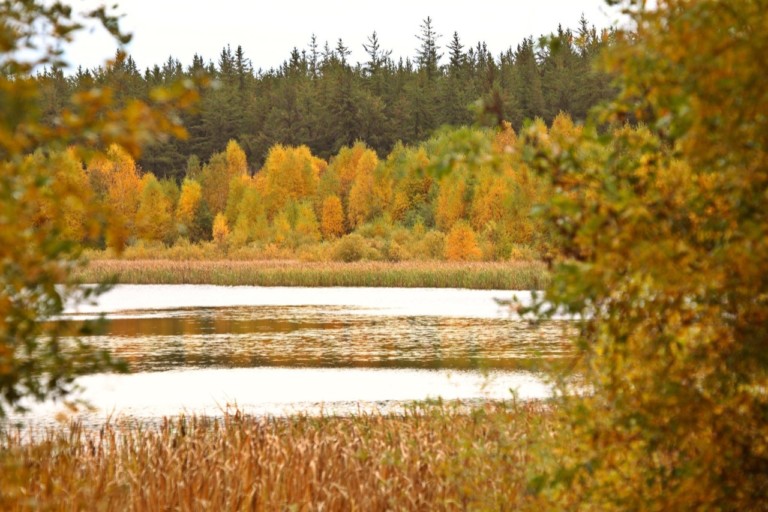
27 Most Common Trees in Canada, by Region
The most common trees in Canada are the conifers and hardy broadleaf trees of the boreal forest, which covers most…
Trees
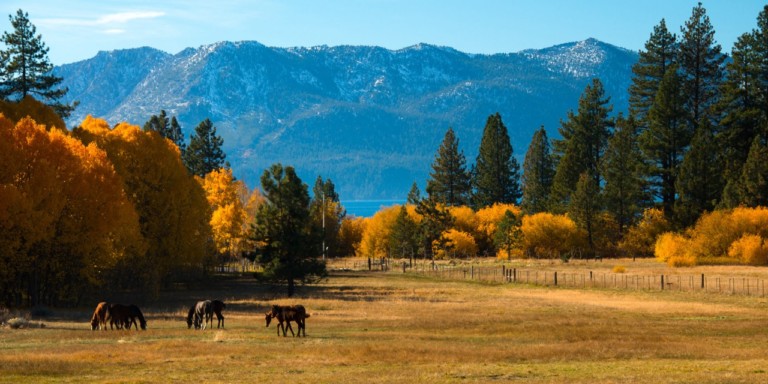
The 34 Most Common Trees in North America, by Region
The most common trees in North America depend on the region. Red maple is the most abundant tree in the…

Trees
18 Trees That Look Like Christmas Trees
The trees that look like Christmas trees are the conifers with a single straight trunk and whorled branches that get…