
Key Facts
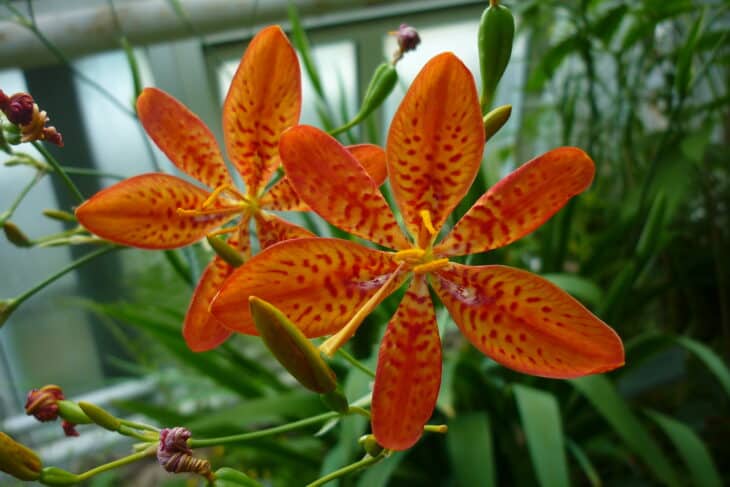
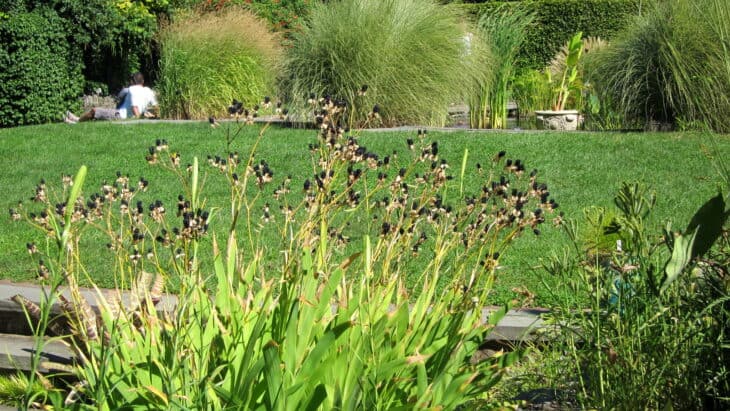
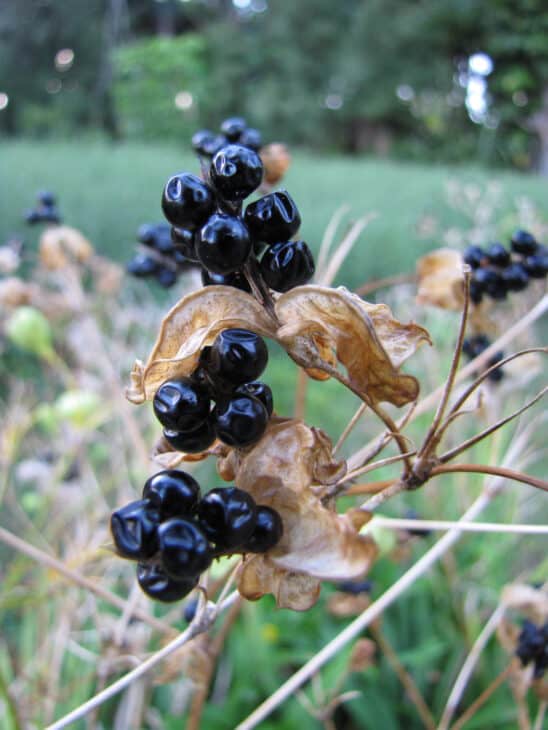
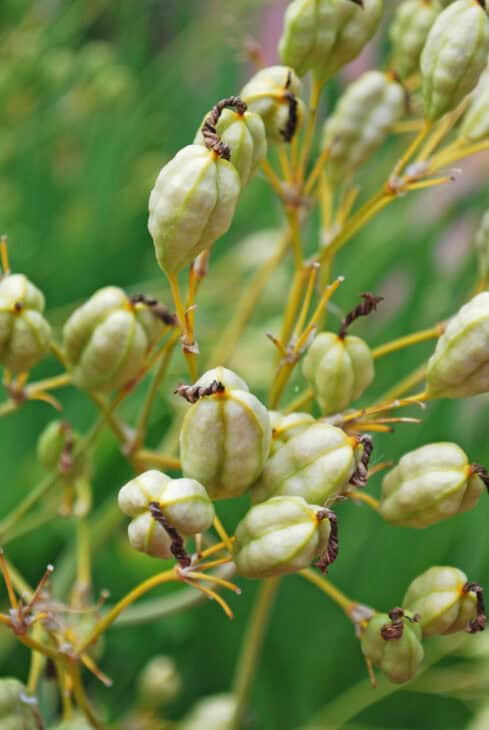
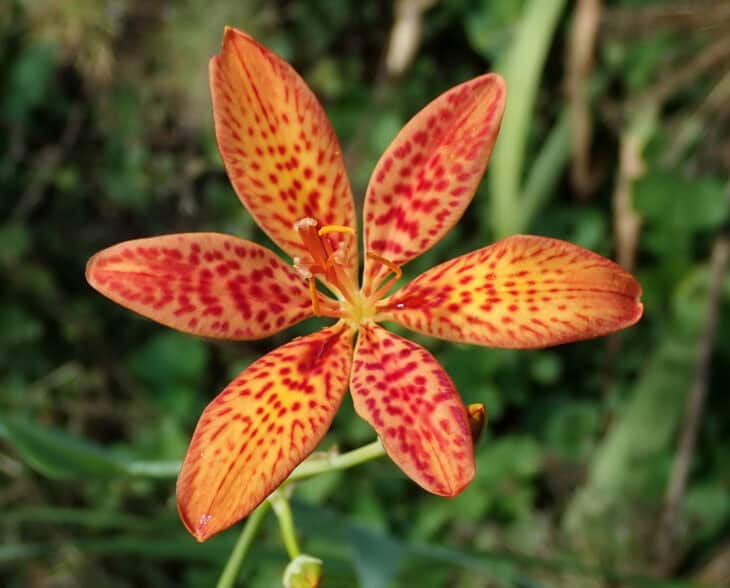
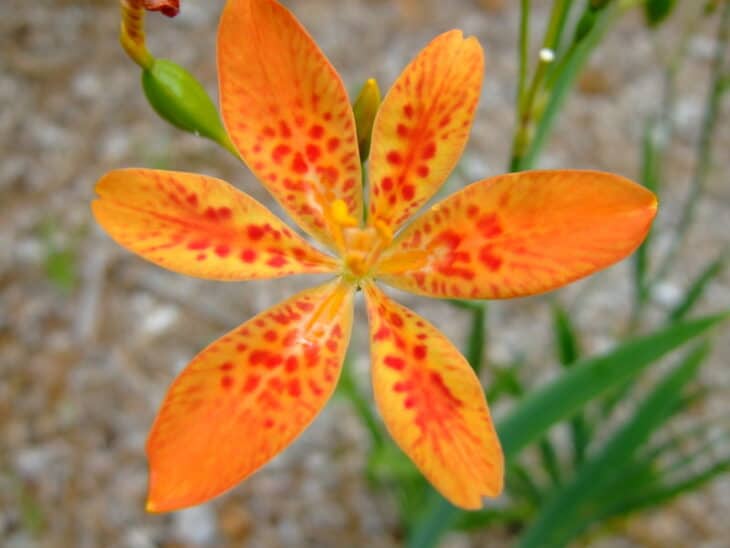
- Perennial herb grown for orange spotted summer flowers and distinctive black seed pods.
- Often listed under the synonym Iris domestica.
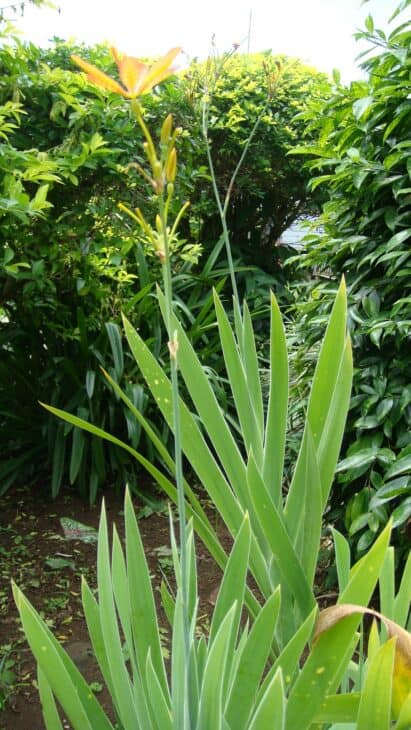
- Forms clumps of strappy leaves and upright flower stems.
- Prefers full sun for best flowering but tolerates light shade.
- Does best in average, well drained soil and dislikes waterlogged conditions.
- Typically propagated by division or by seed.
- Mature plants are cold hardy in many temperate climates.
- Seeds or other plant parts are reported as irritating or mildly toxic if ingested.
Blackberry Lily (Belamcanda chinensis) is a clump forming perennial grown for orange spotted summer flowers and distinctive black seed pods. It performs best in full sun and well drained soil and is commonly propagated by division or seed.
Identification
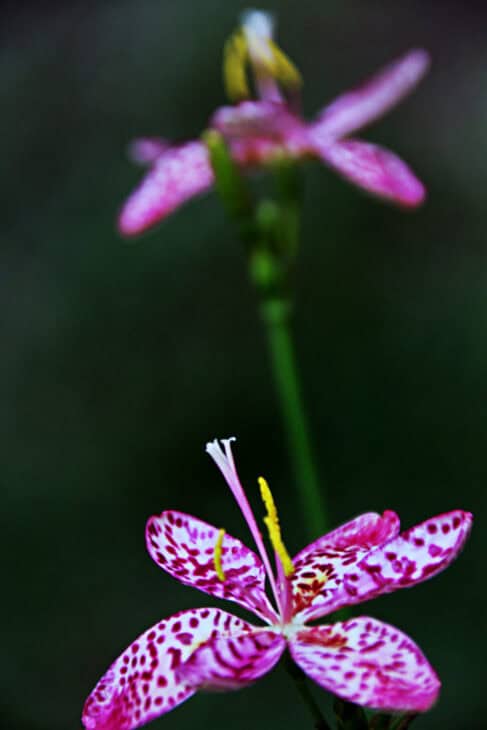
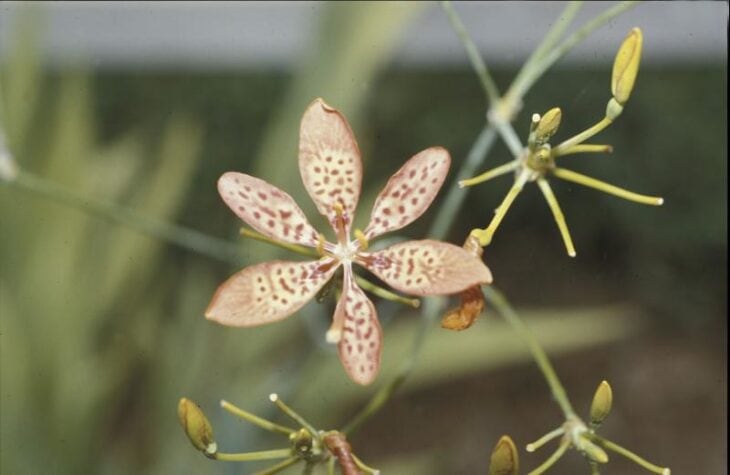
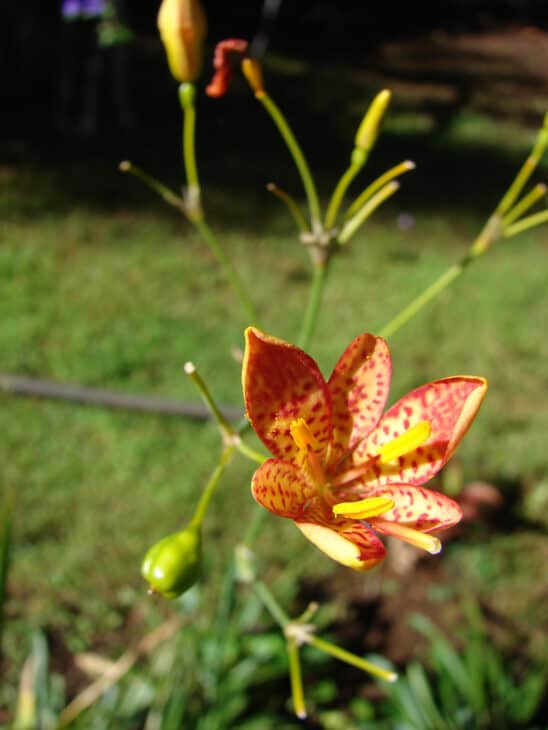
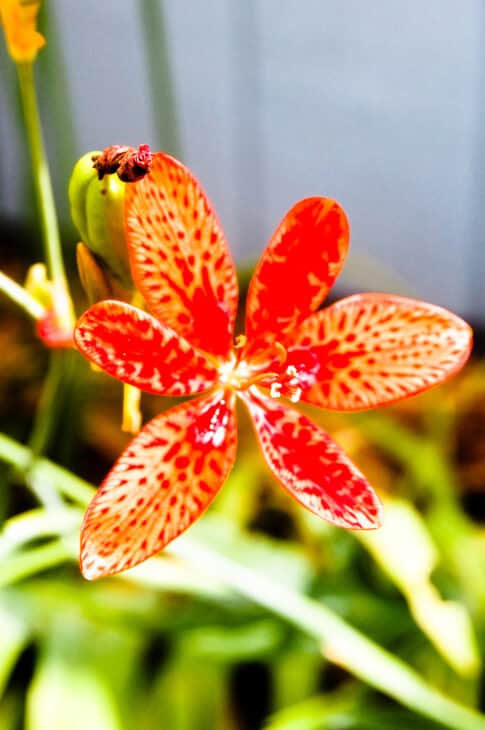
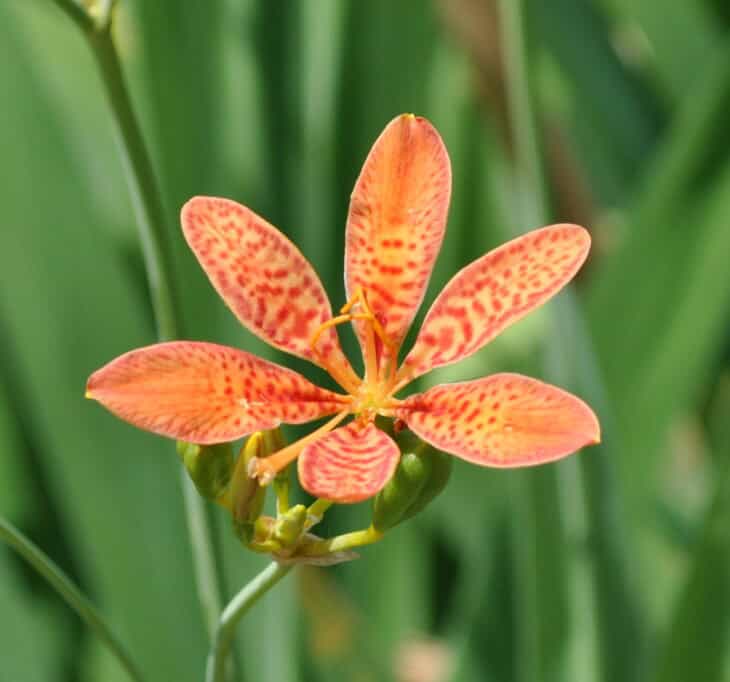
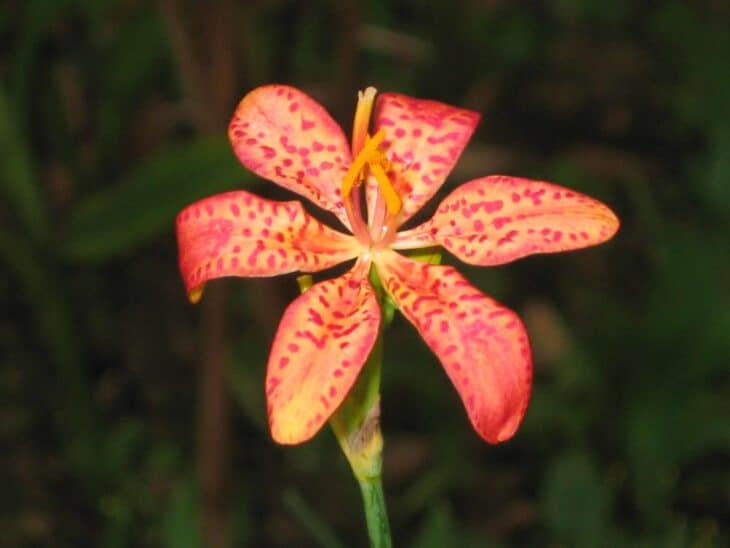
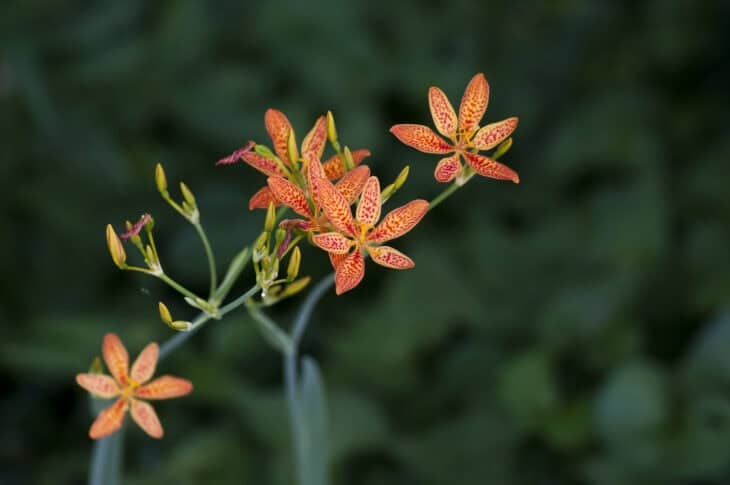
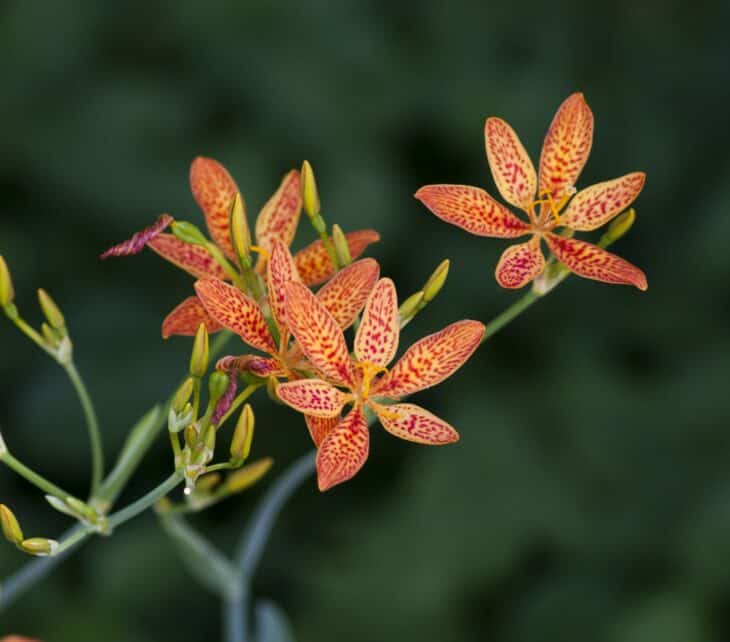
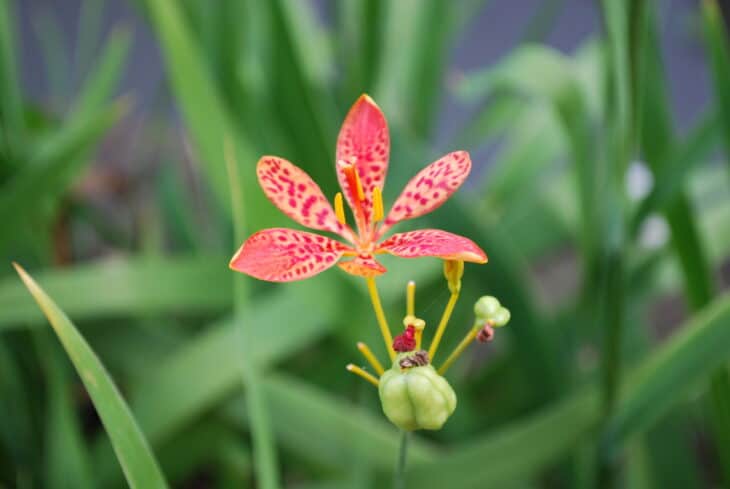
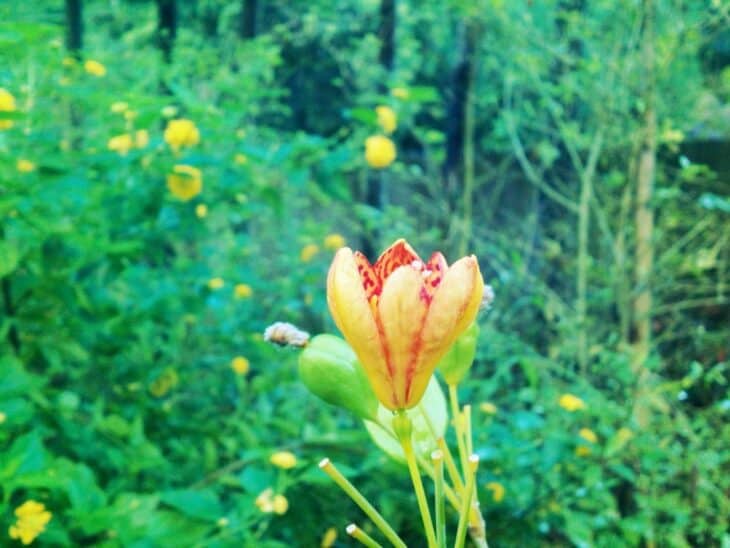
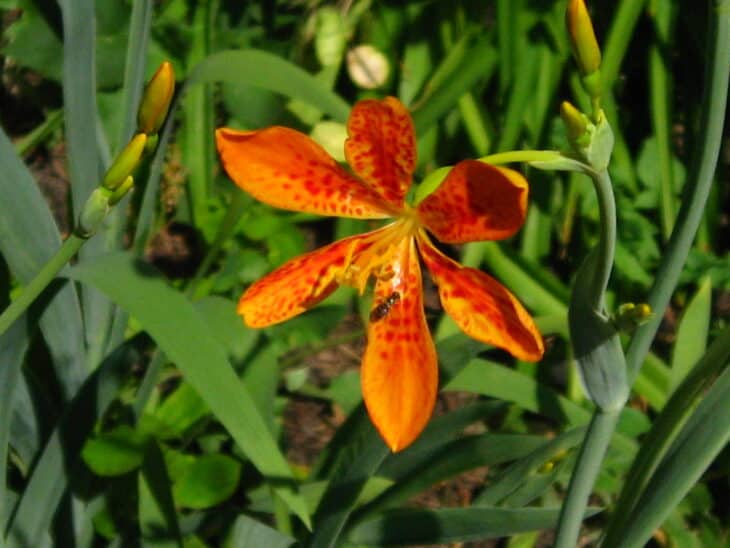
Strappy basal leaves form a low clump with upright flower stems rising 24 to 36 inches tall. Flowers are orange with darker spots in summer and give way to small black seed pods that look decorative but can be irritating if handled or ingested. The plant is often listed under the synonym Iris domestica and is hardy in USDA zones 5 to 9.
Best uses and where to grow
Use Blackberry Lily in sunny borders and mixed perennial beds where well drained soil is available. It works as a focal summer accent because of its spotted blooms and unusual seed pods, though it dislikes poorly drained sites. In warmer zones it returns reliably and may form larger clumps over time.
Planting and timing
Divide established clumps in spring or autumn to renew vigor and to create new plants. Sow fresh seed when available or start seedlings for longer term planting. Peak flowering generally occurs mid to late summer with exact timing depending on local climate and season length.
Spacing
Space plants about 12 to 24 inches apart to allow clump formation and airflow around crowns. Mature clumps typically reach 12 to 24 inches across but will spread more over the years by self seed and occasional division. Thin or divide every few years to maintain shape and flowering.
Watering and soil
Plant in average garden soil that drains well because poor drainage causes crown and root rot. Provide moderate water during establishment and reduce irrigation once plants are established so foliage stays healthy and flowers set well. Slightly acidic to neutral soils around pH 6.0 to 7.5 suit the plant but it tolerates leaner soils.
After flowering care
Leave or remove seed pods depending on whether you want seedlings. Removing spent flower stems tidies beds and reduces self sowing. Divide clumps every few years to maintain vigor and flowering. Handle seed pods with care since seeds are reported to be sharp and can irritate skin or mucous membranes.
Controlling spread and naturalizing
Blackberry Lily can self sow in favorable spots and will form larger clumps over time. Prevent unwanted spread by removing seed pods before they open and by pulling seedlings while small. Regular division controls clump size and keeps plants looking fresh without resorting to harsh measures.
Frequently asked questions
- How fast does Blackberry Lily grow?
- It forms clumps that reach roughly 12 to 24 inches across over a few seasons and flower in the second season from seed. Growth is steady rather than aggressive.
- Is Blackberry Lily toxic to pets?
- Plant parts are reported to be mildly irritating or toxic if ingested. Confirm pet risk with local poison control or a veterinarian before assuming it is safe around animals.
- When does Blackberry Lily bloom?
- Blooms appear in summer with peak flowering often in mid to late summer. Exact months vary by climate and latitude.
- How do I propagate it?
- Propagate by dividing clumps in spring or autumn or by sowing fresh seed. Division every few years renews flowering and is the quickest way to increase stocks.
- How often should I divide Blackberry Lily?
- Divide every few years or when flowering and vigor decline. Division also controls spread and helps maintain a tidy clump.
Gallery

Related Plants


Mentioned In (1)

Plants
5 Plants That Look Like Blackberries
Blackberries are a superfood as they contain vitamin A, a range of B vitamins, vitamin C, vitamin E, and vitamin…