
Key Facts
- Tropical evergreen fruit tree grown for its sweet, milky pulp.
- Native to the Caribbean and parts of Central and northern South America.
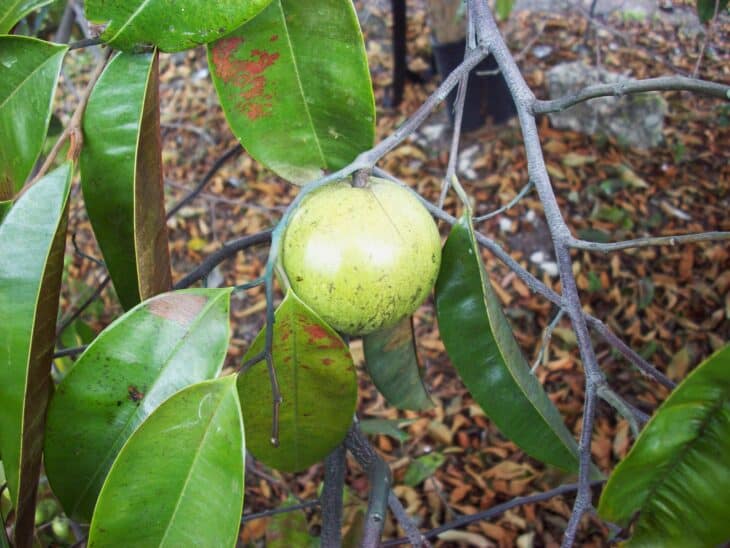
- Leaves are glossy above and often golden felted beneath.
- Small white flowers form in clusters and develop into round fruits.
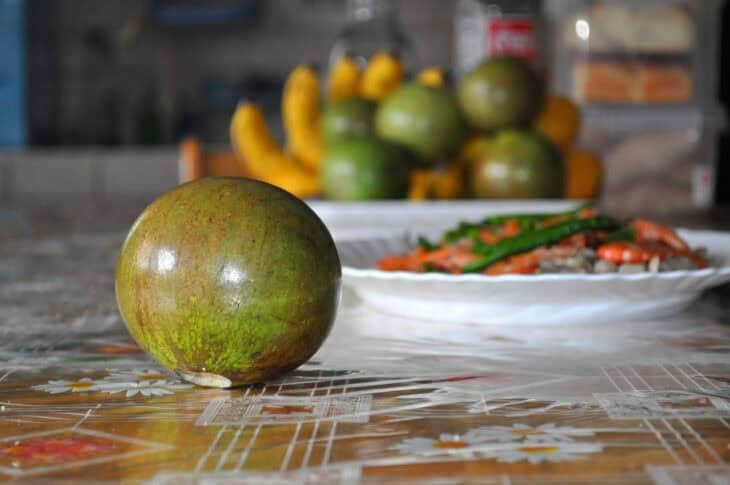
- Ripe fruit pulp is commonly eaten fresh or used in desserts.
- Propagated by seed for general planting and by grafting or air layering for named varieties.
- Prefers warm frost free climates and will suffer or die back with hard freezes.
Breast Milk Fruit is a tropical evergreen tree grown for its sweet, milky pulp and glossy leaves, often called caimito or star apple. It performs best in warm frost free climates and makes a sizable shade or fruit tree where temperatures stay mild year round.
Identification
Leaves are glossy on top and often covered with a golden felt beneath. Small white flowers appear in clusters and develop into round fruits with a soft, sweet pulp when ripe. The tree is native to the Caribbean and parts of Central and northern South America and has a dense, evergreen crown.
Where to grow and best uses
Best planted in USDA zones 10 to 11 where freezes are unlikely. Use it as a specimen shade tree or fruit tree in tropical and subtropical yards. Its sizeable canopy suits parks and large gardens rather than small urban lots, and it performs poorly in locations with hard freezes.
Planting and spacing
Plant in rich, well drained soil and give mature trees plenty of room. Expect a canopy spread of roughly 20 to 40 feet, so space trees to accommodate that width. In heavy soils plant on a raised bed or slope to reduce root rot risk and improve establishment.
Watering and soil
Provide regular moisture during establishment and moderate watering for mature trees while avoiding waterlogged conditions. The species prefers fertile, well drained soils and tolerates slightly acidic to neutral pH. Poor drainage reduces vigor and increases susceptibility to root diseases.
Flowering and fruit care
Clusters of small flowers precede fruit development and are most productive with good sun and consistent moisture. Fruit pulp is commonly eaten fresh or used in desserts when ripe. Timing of bloom and harvest varies by local climate and irrigation practices.
Controlling size and spread
This tree commonly reaches 30 to 60 feet tall with a broad crown, so prune young to establish a manageable form and thin branches to keep canopy airy. Regular pruning controls height and spread and reduces the need to remove large limbs later.
Containers and cool-climate growing
Trees grown in containers or cooler climates remain much smaller than those in the landscape and are suitable for patios where frost is minimal. Use a deep container with quality potting mix and ensure good drainage. Protected placement helps prevent freeze damage in marginal areas.
Propagation
Propagate by seed for general plantings and by grafting or air layering to reproduce named cultivars and ensure consistent fruit quality. Seedlings can vary from the parent and grafting produces earlier and more predictable cropping for selected varieties.
Frequently asked questions
- How fast does Breast Milk Fruit grow?
- Growth is faster in warm, frost free climates and slower in cooler areas where trees may experience dieback. Actual rate depends on soil, water and local conditions.
- Can it tolerate frost?
- No. It is best suited to USDA zones 10 to 11 and will suffer or die back with hard freezes.
- Can I grow it in a container?
- Yes. Containers keep the tree smaller and are practical for patios in mild climates, provided the pot has good depth and drainage.
- How is it propagated?
- Commonly by seed for general plantings and by grafting or air layering for true to type cultivars; cuttings are less reliable.
- Are the fruits edible?
- Ripe pulp is commonly eaten fresh or used in desserts. Local traditions use the fruit where it is grown.
- Are any parts toxic to pets?
- Toxicity information is limited. Avoid feeding unknown parts of the plant to pets and consult a poison control resource for specific concerns.
Gallery
Related Plants


