
Key Facts
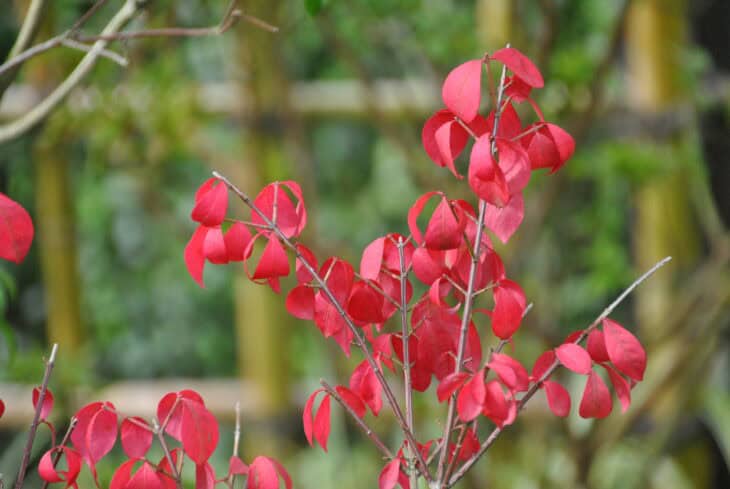
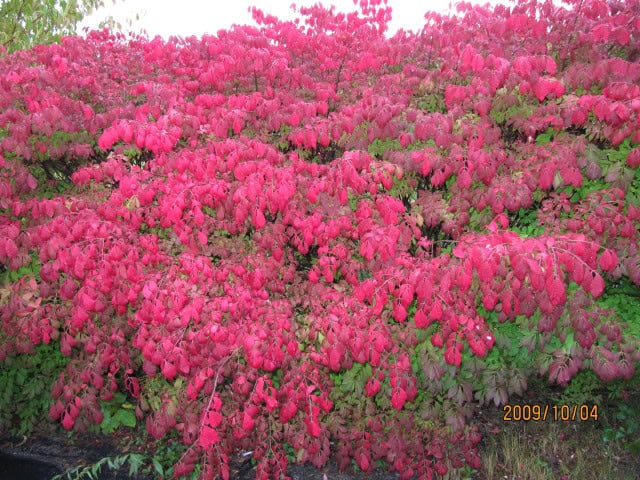
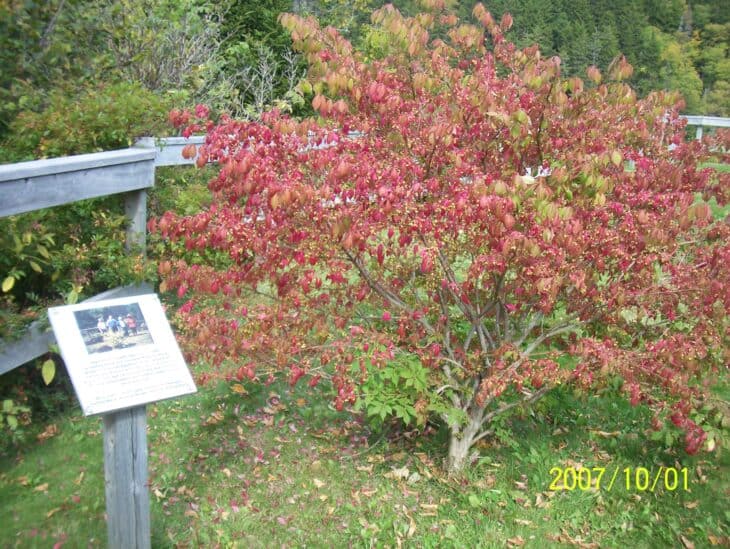
- Deciduous ornamental shrub noted for bright red fall foliage.
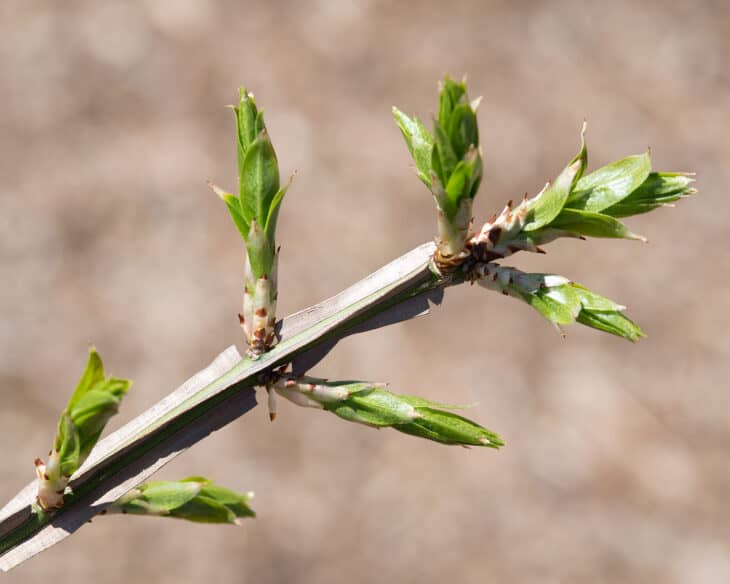
- Stems have corky, winglike ridges that give the common name winged euonymus.
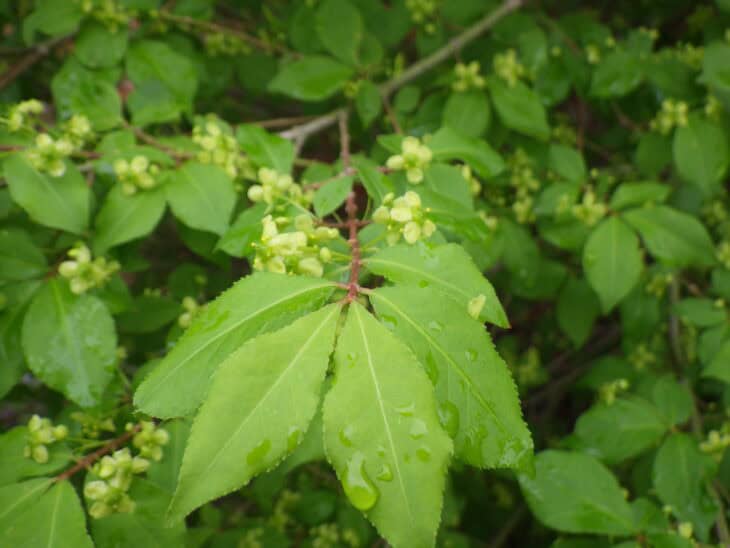
- Small inconspicuous greenish flowers appear in spring.
- Produces orange seeds in capsules that are visible in fall.
- Tolerant of a range of soils and urban conditions.
- Can become invasive and escape cultivation in parts of North America.
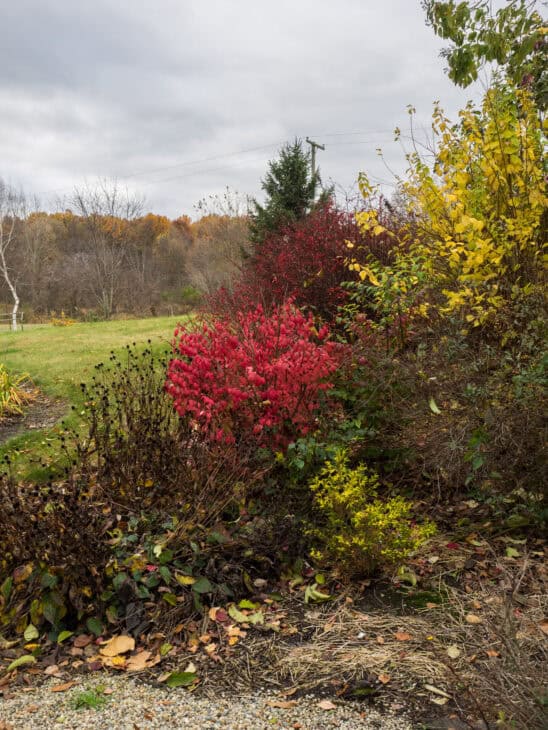
- Used widely as a landscape shrub though many regions discourage planting.
Burning Bush (Euonymus alatus) is a deciduous shrub valued for its fiery red to orange fall foliage and corky, winglike ridges on the stems. It adapts to a range of soils and urban conditions but can escape cultivation in some areas.
Identification
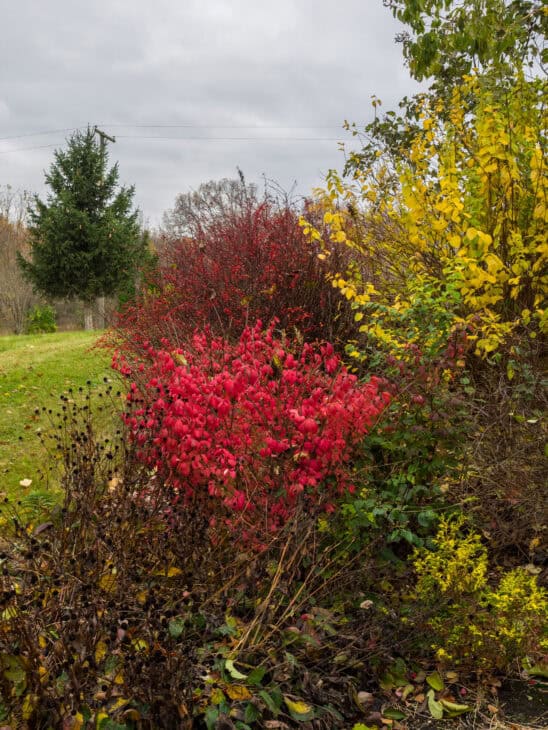
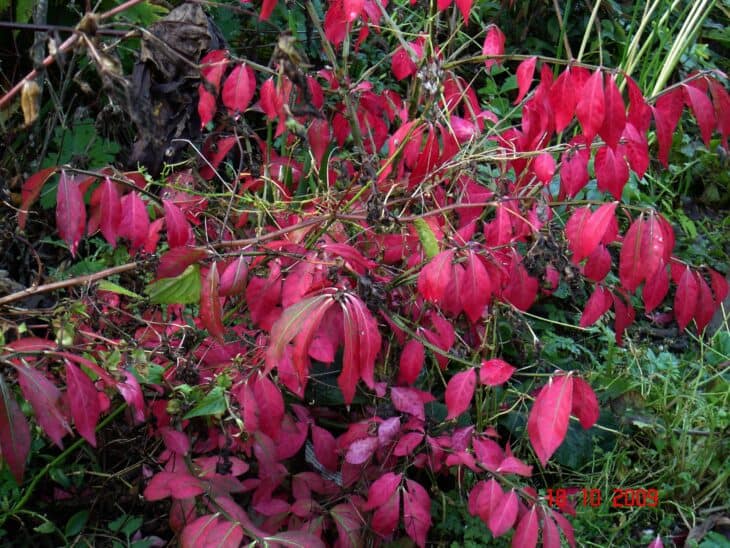
Leaves are simple and change to bright red or orange in autumn. Small greenish flowers appear in spring and give way to orange seeds in capsules that persist into fall. Stems have distinctive corky ridges that earned the common name winged euonymus.
Best uses and where to grow
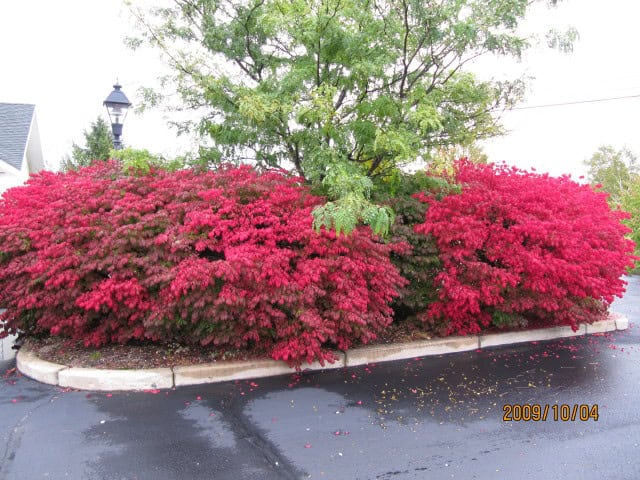
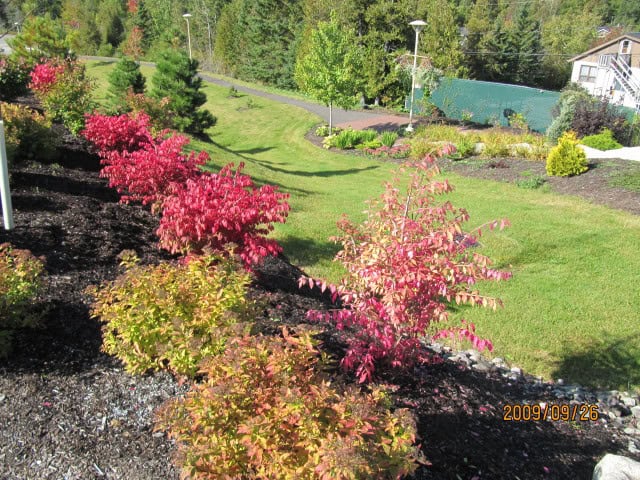
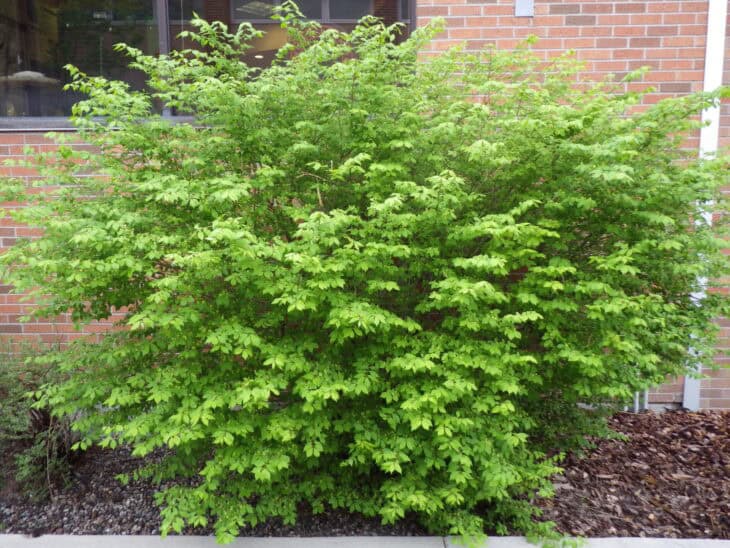
Use as a specimen shrub or in mixed hedges where a compact, colorful fall display is desired. It performs in USDA zones 4 to 8 and tolerates clay and a wide pH range. Plant in full sun to part shade for best fall color; deep shade reduces the intensity of the foliage display.
Planting and spacing
Place plants so each mature shrub has room to reach about 6 to 10 feet across. Provide well drained soil when possible since poorly drained sites can cause decline. Allowing the shrub room to spread helps reduce the need for frequent pruning and makes maintenance easier.
Soil, light and watering
Burning Bush accepts a range of soils including heavier clays but needs good drainage for long term vigor. Full sun produces the brightest fall color; part shade is tolerated. Establishing plants benefit from regular watering until roots are set; avoid waterlogged conditions that can weaken the shrub.
Maintenance and after-flowering care
Prune to shape or reduce size as needed and remove dead wood. Removing fruiting capsules before seeds disperse reduces self-seeding. Cultivars are usually maintained by cuttings to preserve desired traits.
Invasive potential and safety
Burning Bush can become invasive and escape cultivation in parts of North America, and several regions discourage planting. Seed capsules and orange seeds aid naturalizing, so check local invasive species listings before planting and remove fruit to limit spread. Berries and other parts can cause gastrointestinal symptoms if ingested and may be harmful to pets; confirm local toxicity guidance with poison control or pet safety resources.
Propagation
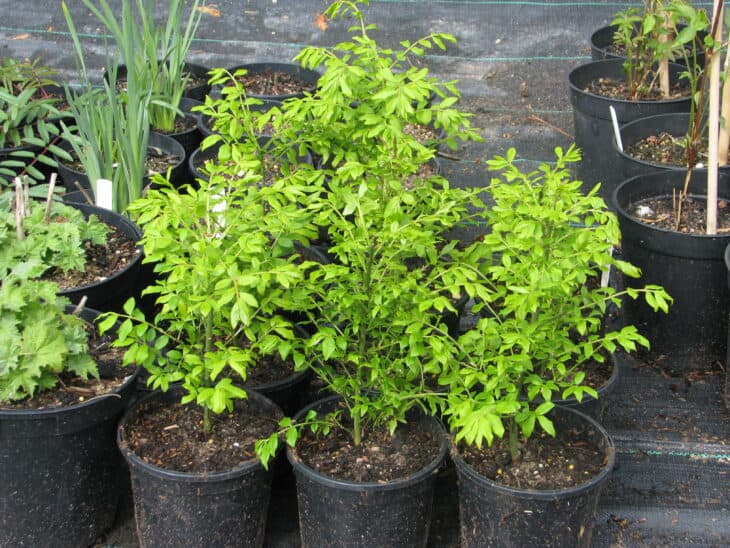
Propagate named cultivars by softwood or semi hardwood cuttings to preserve traits. Seed will produce variable offspring and usually requires cold stratification to germinate.
Frequently asked questions
- How fast does Burning Bush grow?
- Growth rate varies by cultivar and site. In landscape settings plants commonly reach a mature size of about 6 to 10 feet.
- Is Burning Bush invasive?
- Yes. It can escape cultivation in parts of North America and is considered invasive in some regions. Check local listings before planting.
- Are the berries poisonous to pets?
- Berries and other plant parts can cause gastrointestinal upset if eaten and may be harmful to pets. Confirm severity with local poison control or pet poison helplines.
- What spacing should I use when planting?
- Space plants roughly 6 to 10 feet apart so each shrub can reach its mature spread without overcrowding.
- How should I propagate a specific cultivar?
- Use softwood or semi hardwood cuttings to propagate cultivars and preserve their characteristics; seed produces variable results.
Gallery

Related Plants


