
Key Facts
- Native to western North America.
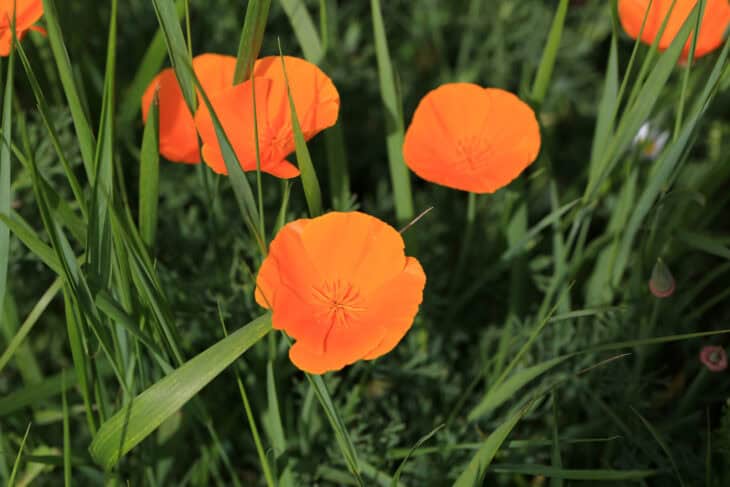
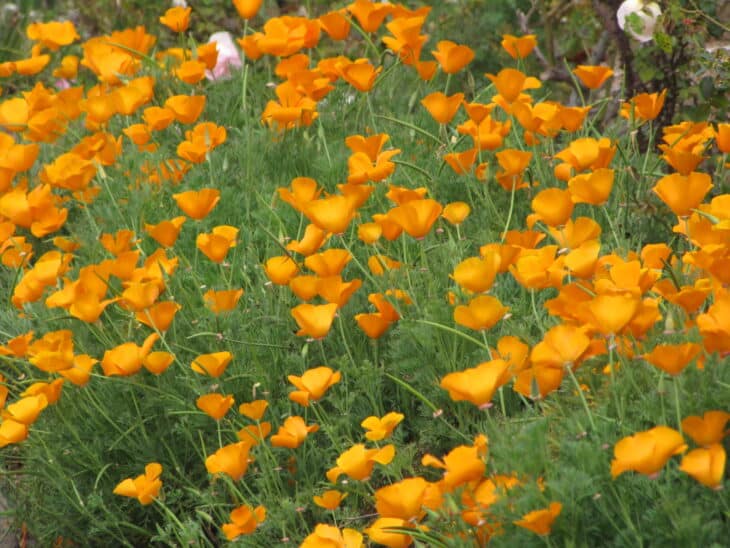
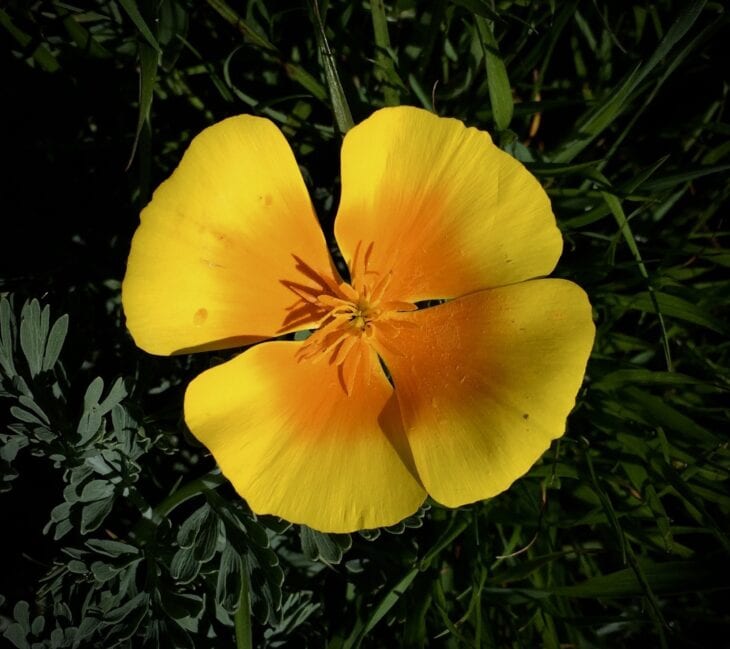
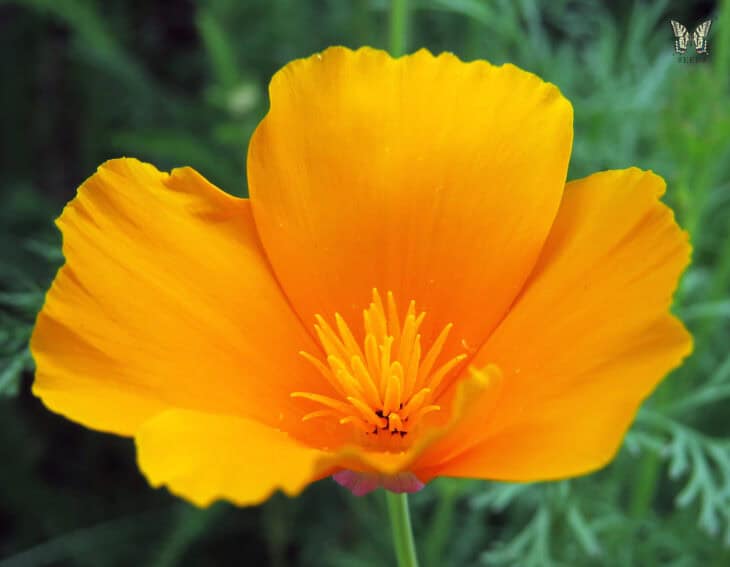
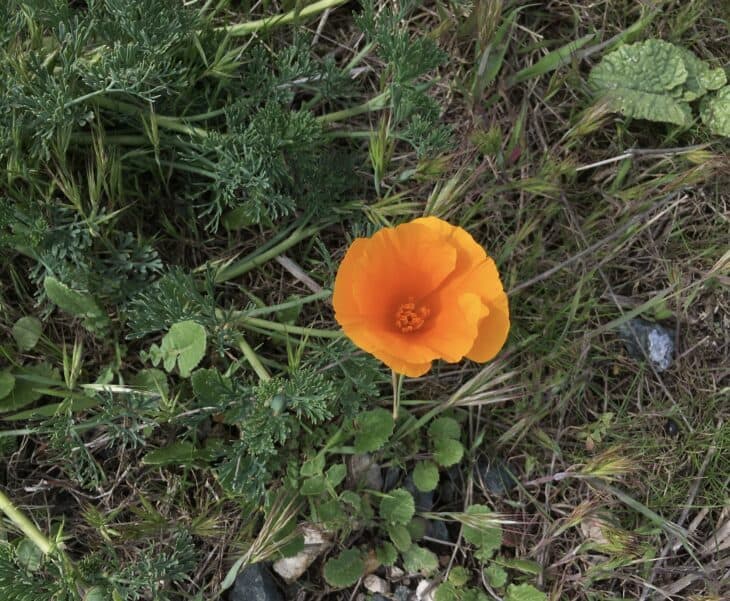
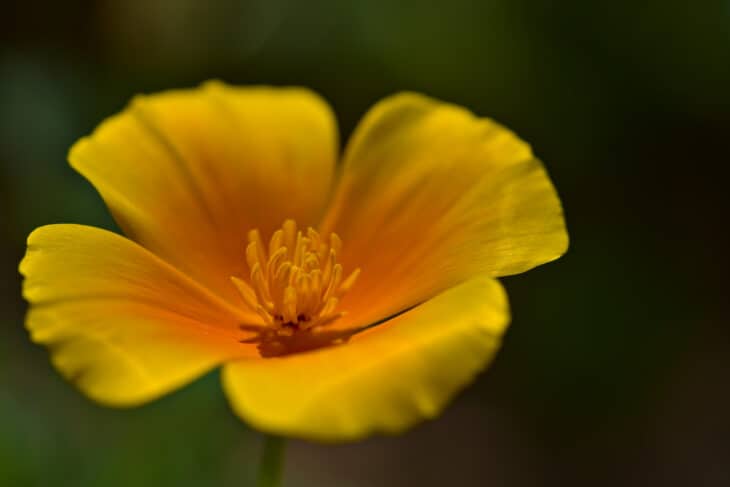
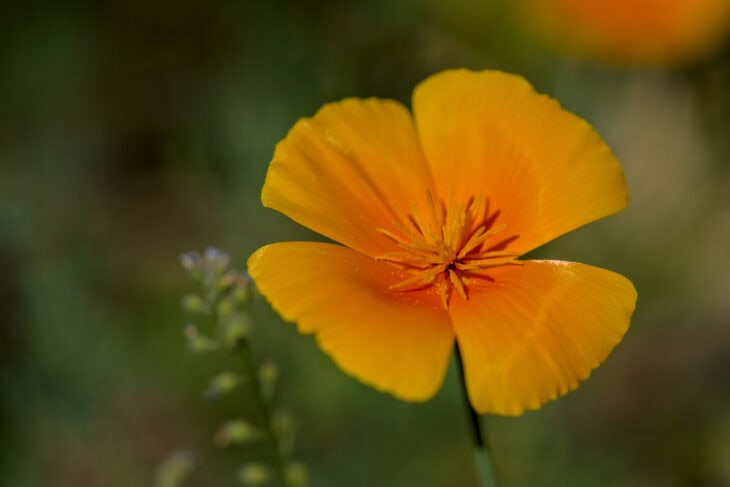
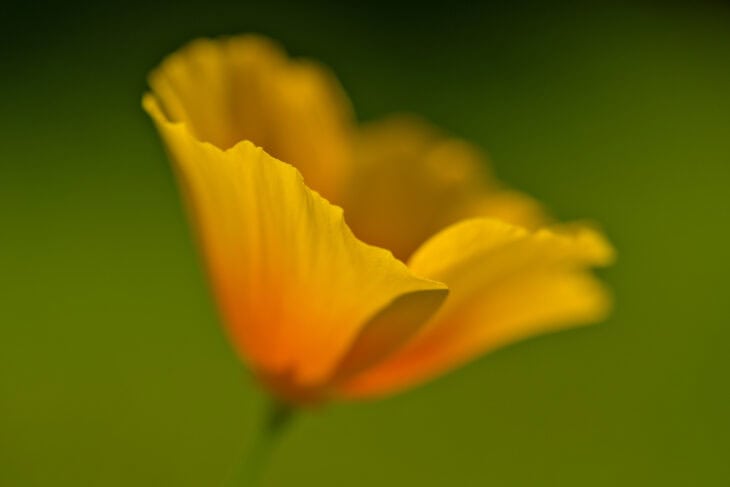
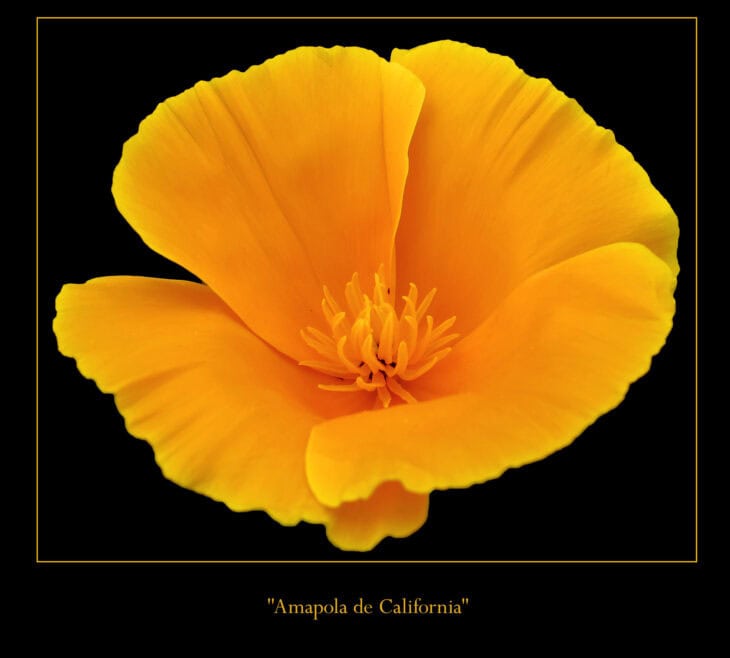
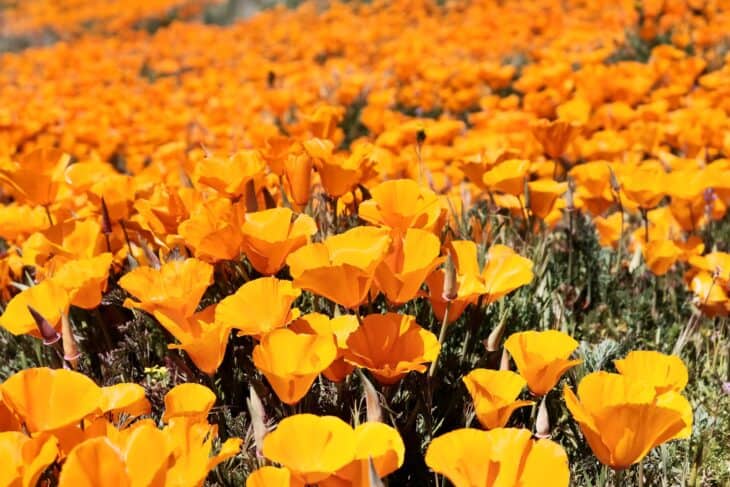
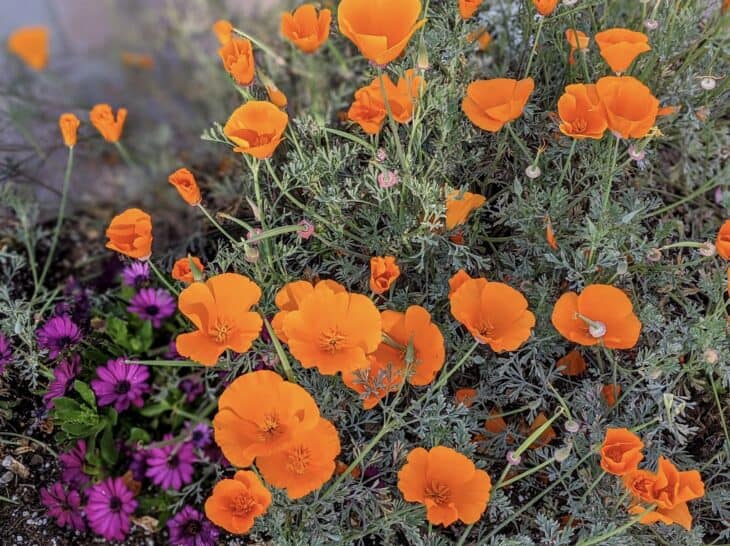
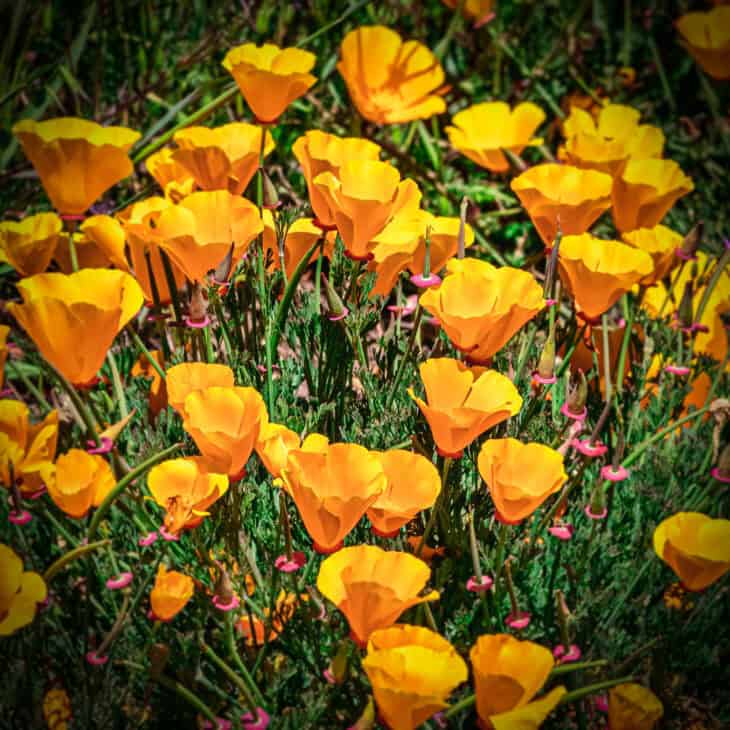
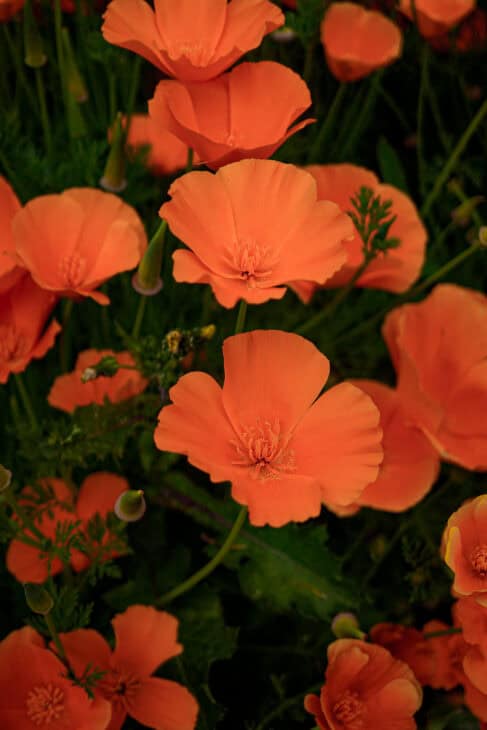
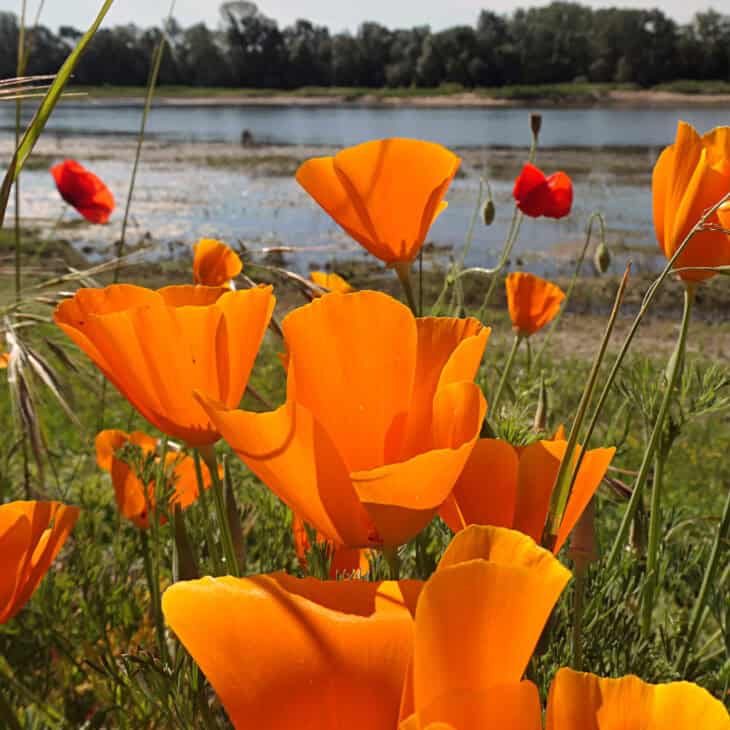
- Distinctive cup shaped orange to yellow flowers.
- Typically grown as an annual or short lived perennial.
- Prefers full sun and well drained soils.
- Drought tolerant once established.
- Attracts bees and other pollinators.
- Easily grown from seed and readily self seeds.
- Dislikes waterlogged heavy clay soils.
California Poppy (Eschscholzia californica) is a low growing wildflower prized for bright orange to yellow cup shaped blooms and easy seed propagation. It suits sunny, well drained sites where drought tolerance and spring color are desired, though it does not tolerate waterlogged heavy clay soils.
Identification
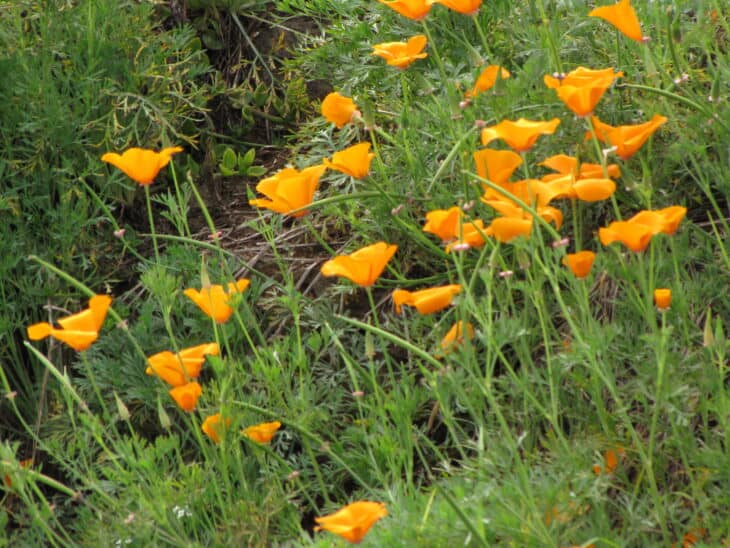
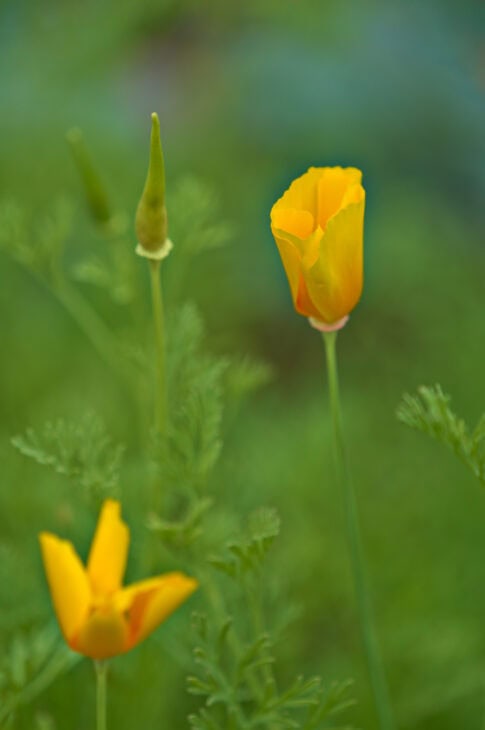
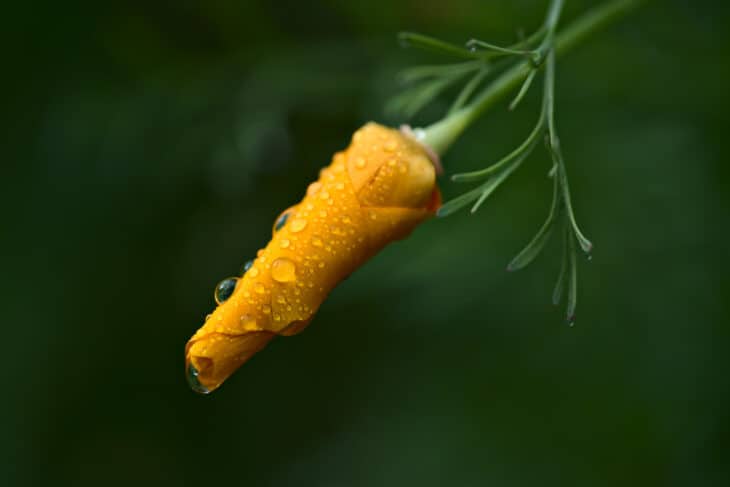
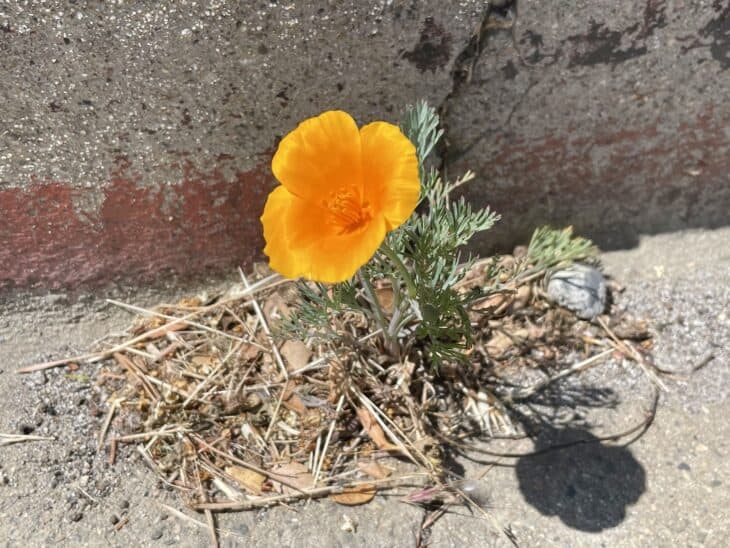
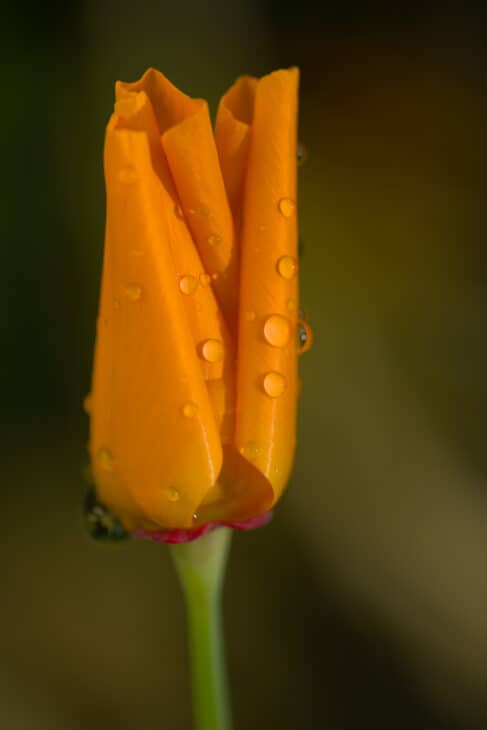
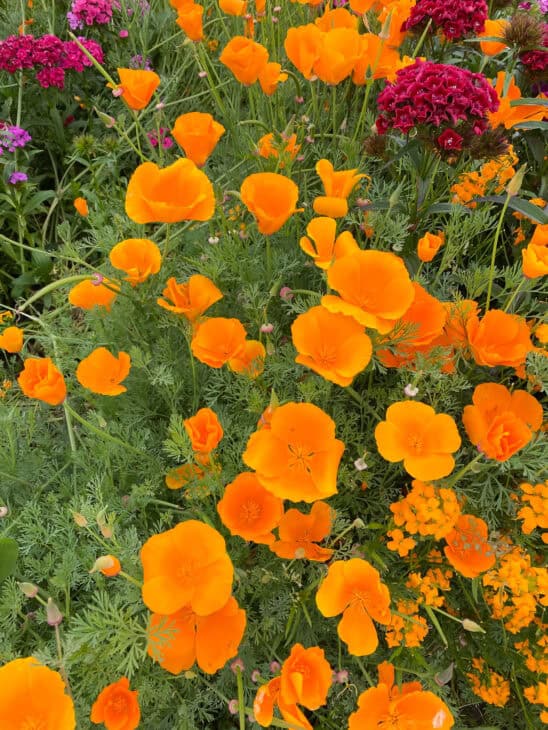
Look for delicate feathery foliage and one to several cup shaped flowers per stem in orange to yellow shades. Plants typically reach about 6 to 12 inches tall and form mats or clumps roughly 12 to 18 inches wide when self seeded. Flowers open in sunshine and close on cloudy days.
Best uses and where to grow
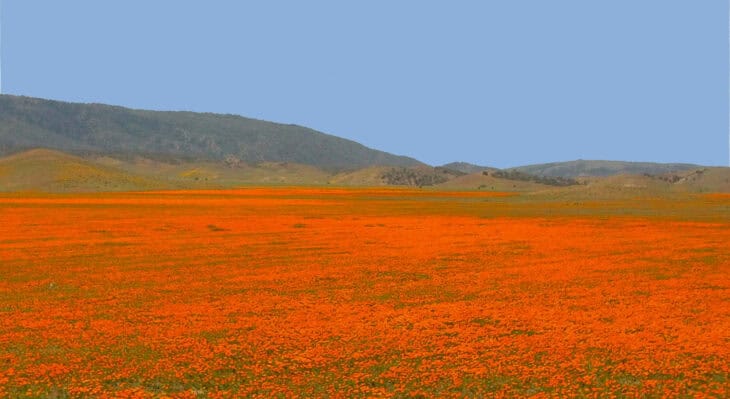
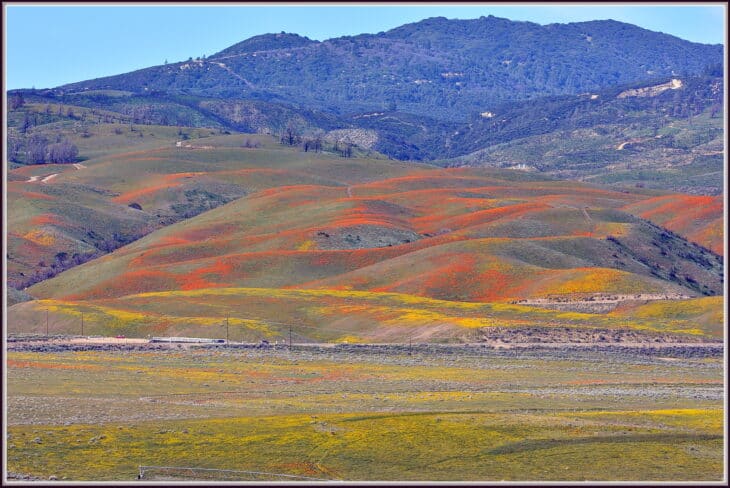
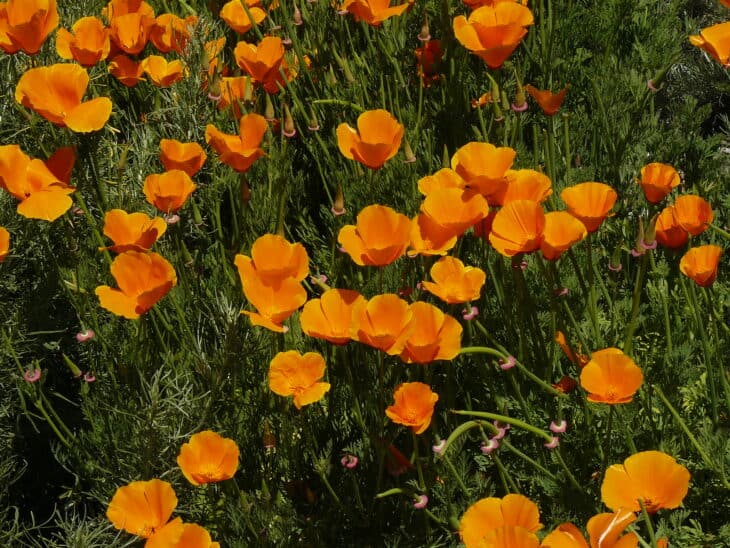
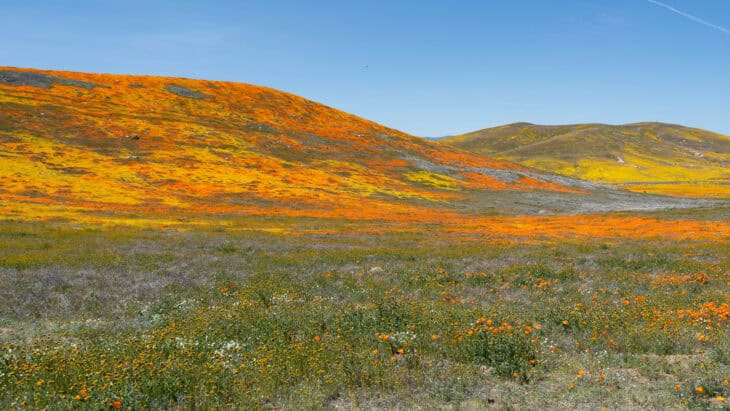
Use California Poppy for massed spring displays, meadow mixes and sunny slopes where low water use is needed. It performs best in full sun and well drained sandy or loamy soil of low to average fertility and attracts bees and other pollinators. Avoid planting in waterlogged or heavy clay sites.
Planting time and method
Sow seed directly in fall or spring depending on local climate with seeds pressed onto the soil surface because they need light to germinate. Direct sowing is preferred since established plants resent root disturbance and often do not transplant well. Thin seedlings to allow clump development.
Planting depth and spacing
Do not bury seeds; sow them on the soil surface and press gently for good contact. Space sowings or thin plants to about 12 to 18 inches apart to allow mats to form and reduce competition. Denser sowing increases self-seeding and quicker ground cover.
Soil, light and watering
Choose well drained sandy to loamy soil and full sun for the most compact growth and best blooms. California Poppy tolerates poor, dry soils and becomes drought tolerant once established. Overwatering or waterlogged conditions lead to poor performance and root rot, so avoid heavy moisture.
After flowering and maintenance
Allow seed heads to form if you want the plants to naturalize, or remove spent flowers to limit reseeding and keep beds tidy. Little fertilizer is needed in low to average fertility sites. Cut back plants after bloom to reduce untidy patches and encourage fresh seedlings where desired.
Spread and naturalizing control
Plants readily self seed and can spread to form mats in suitable sites, especially in mild coastal areas where they may persist as short lived perennials. Control spread by removing seed heads, hand thinning seedlings or limiting sowing areas to prevent unwanted colonization.
Containers and transplanting
Containers are possible for starting seed but best practice is to sow where plants will grow long term because transplants commonly suffer root disturbance. If using pots, sow shallowly in a gritty, well drained mix and avoid heavy watering to reduce risk of rot.
Frequently asked questions
- How fast does California Poppy grow?
- Seeds germinate readily when sown on the surface and plants typically reach their mature 6 to 12 inch height within the first growing season in favorable conditions.
- When do California Poppies bloom?
- Bloom is mainly in spring to early summer, with flowering timing varying by climate and appearing earlier in mild coastal areas.
- Will California Poppy take over my garden?
- They self seed freely and can naturalize to form mats; remove seed heads and thin seedlings to limit spread in beds where you want tighter control.
- Can I transplant established plants?
- Transplanting is usually discouraged because many plants resent root disturbance; direct sowing in the final location gives the best results.
- Do California Poppies need rich soil?
- No. They prefer low to average fertility and perform well in sandy or loamy soils without heavy feeding.
Gallery
Related Plants


