
Key Facts
- Tender perennial in mild climates commonly grown as an annual in colder regions.
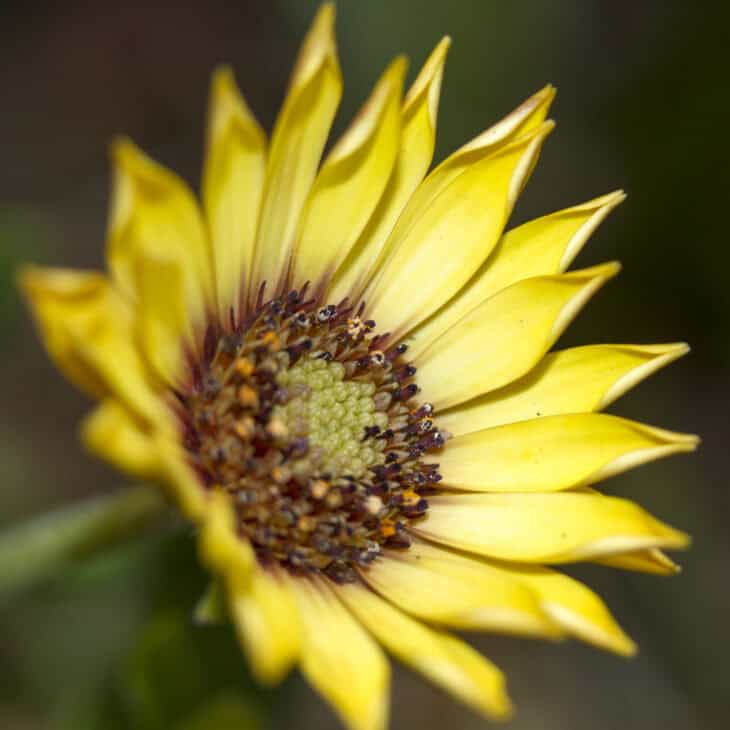
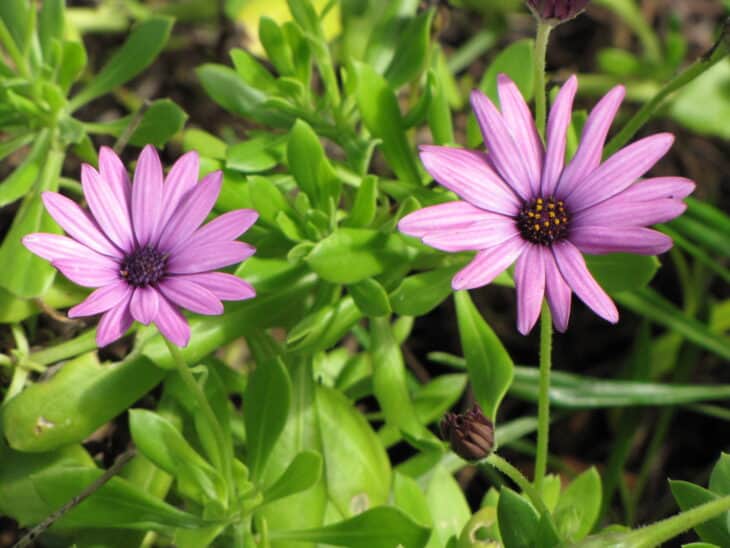
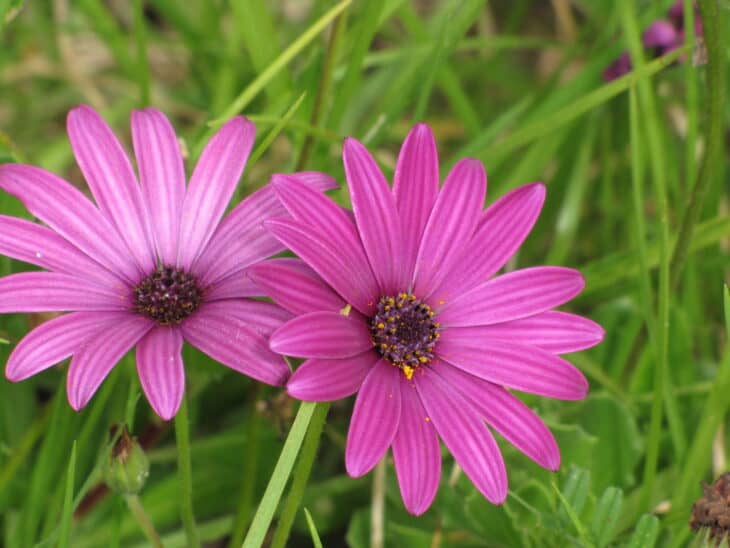
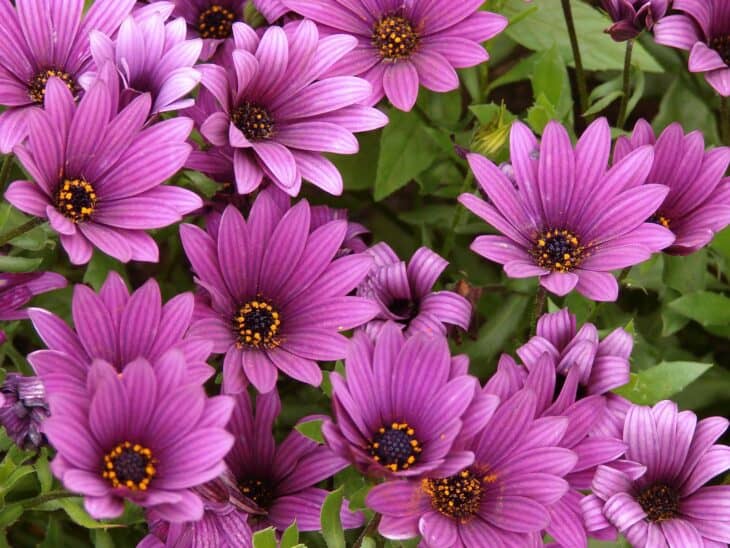
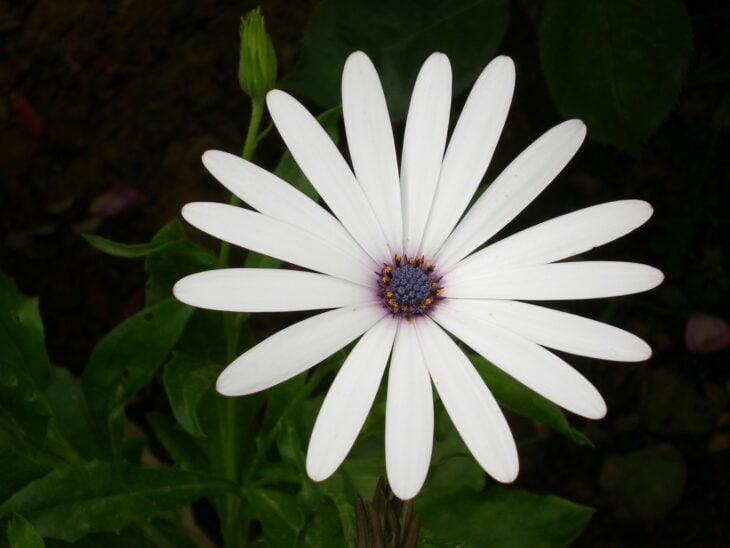
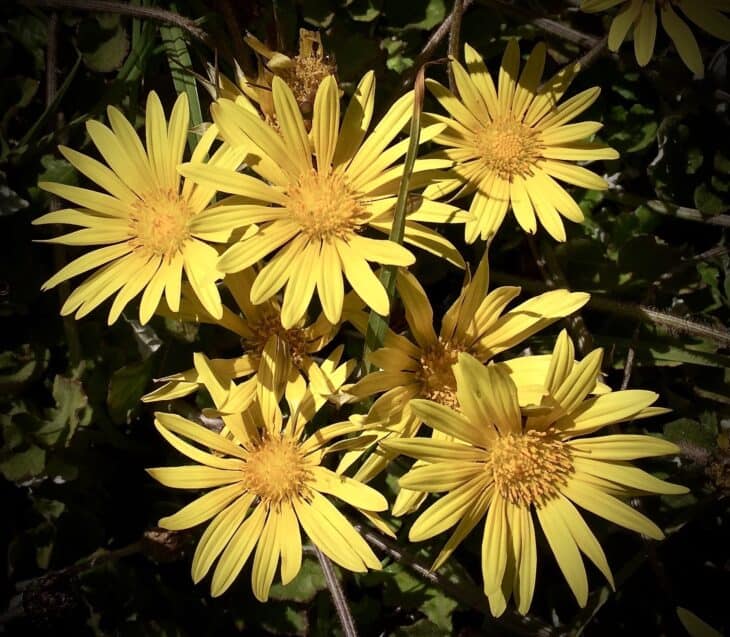
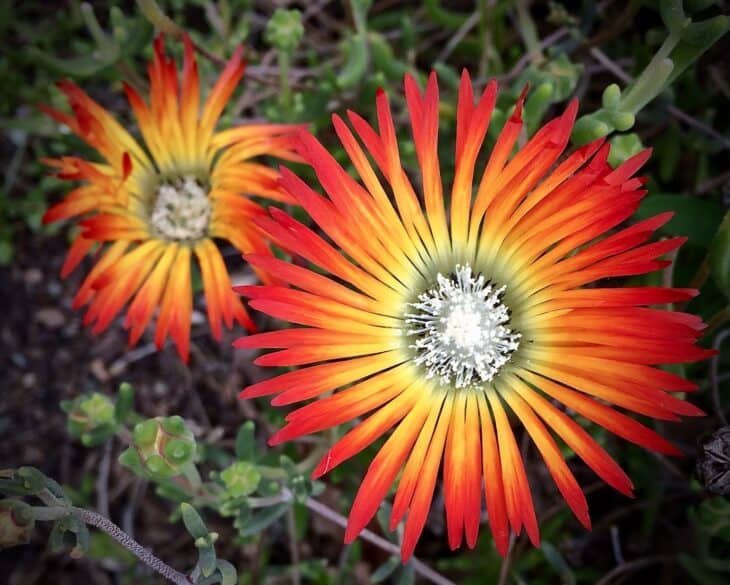
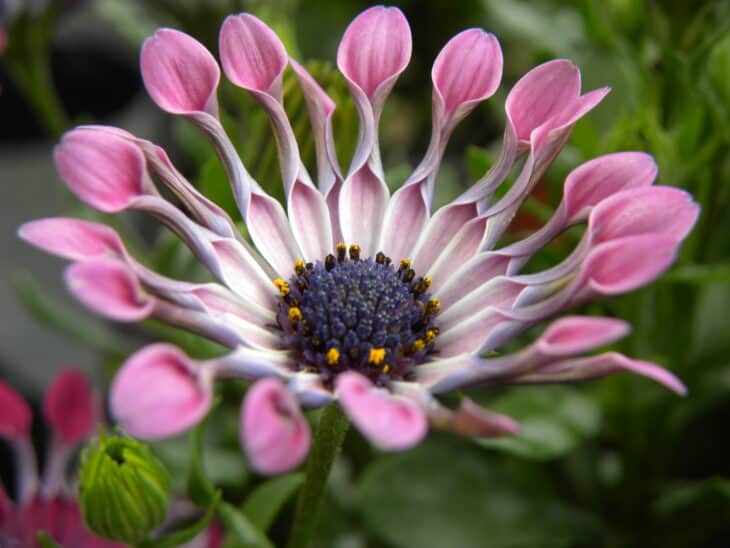
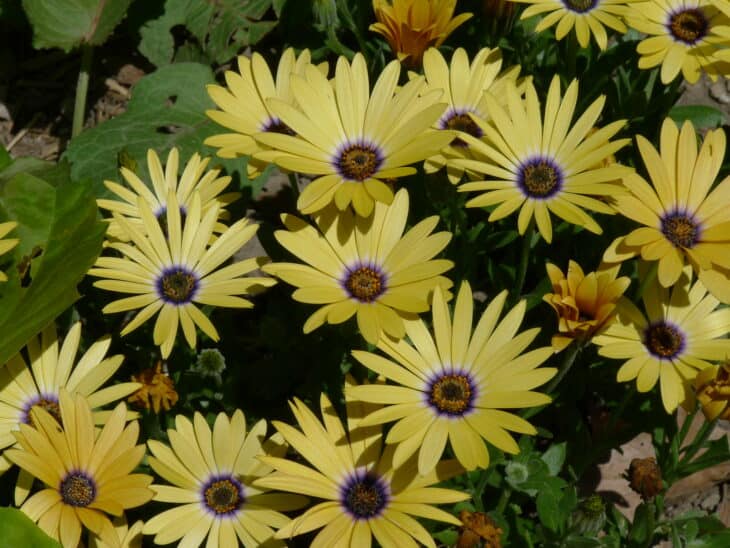
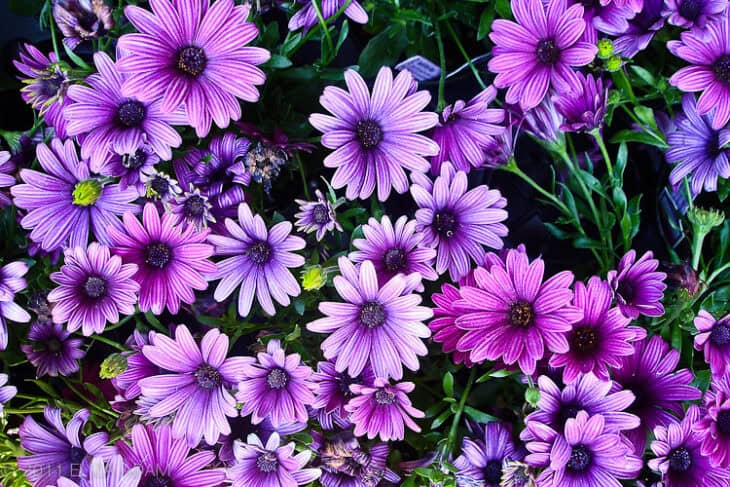
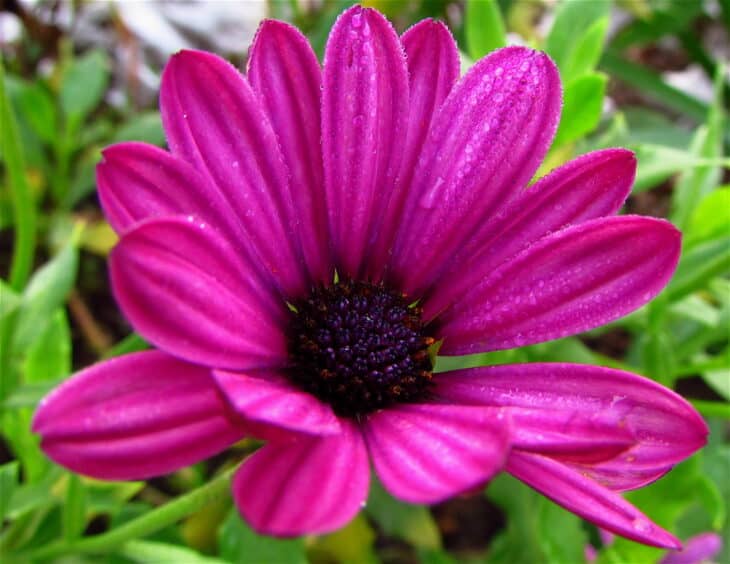
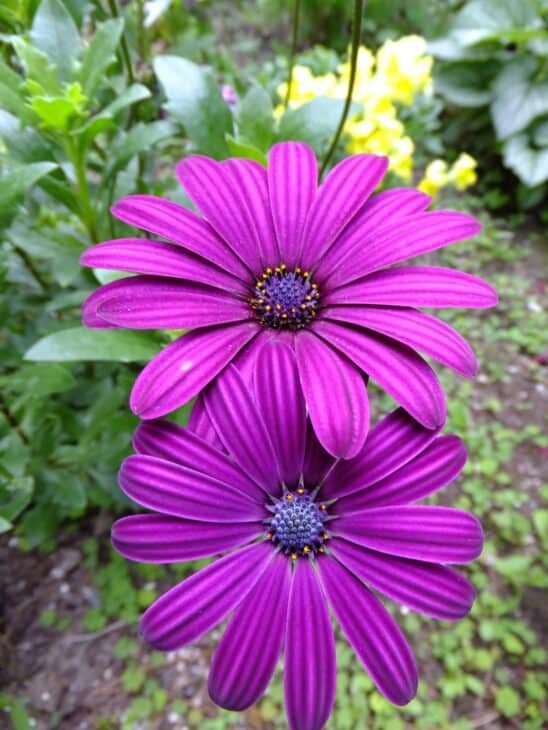
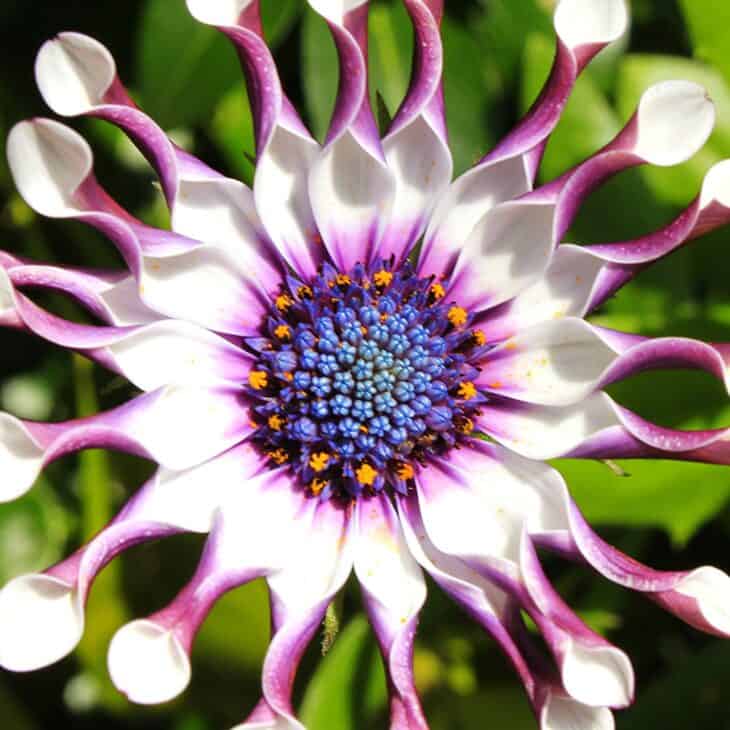
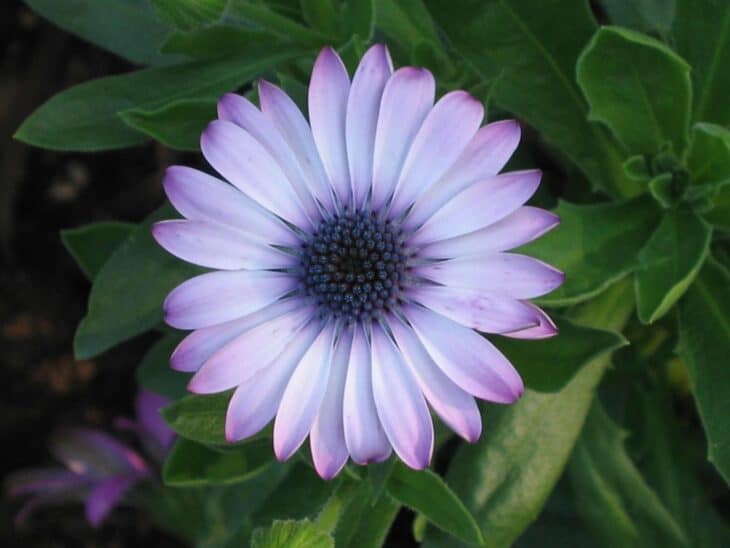
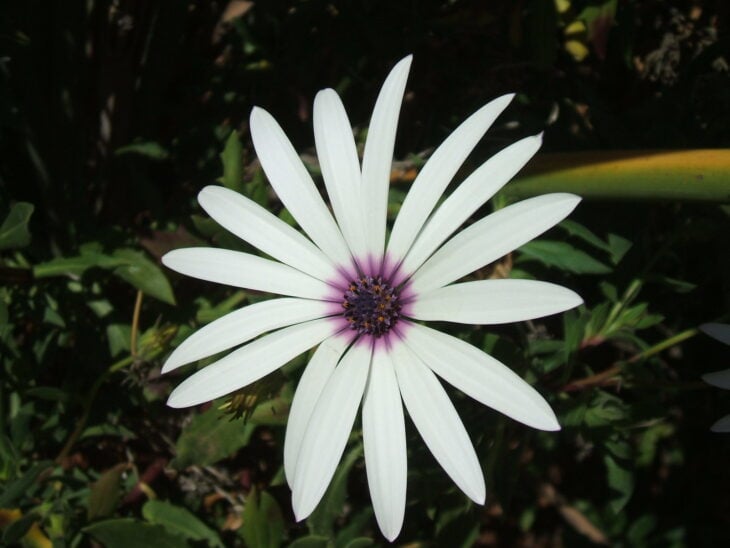
- Produces daisy-like flowers in a wide range of colors and shapes.
- Prefers full sun and well-drained soil for best flowering.
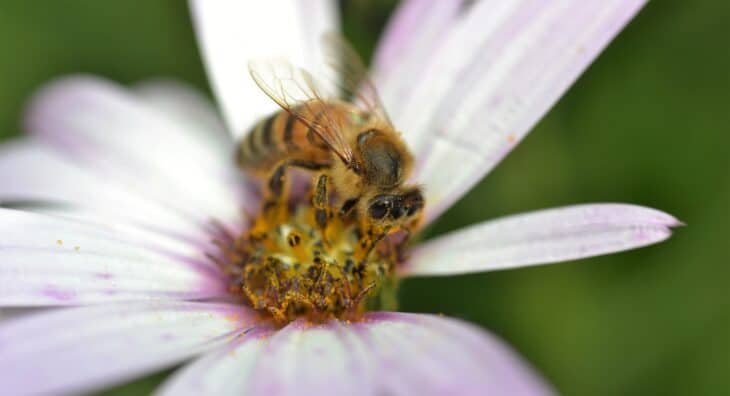
- Attractive to pollinators such as bees and butterflies.
- Poor drainage can cause root rot and reduced flowering.
- Easily propagated by seed or cuttings.
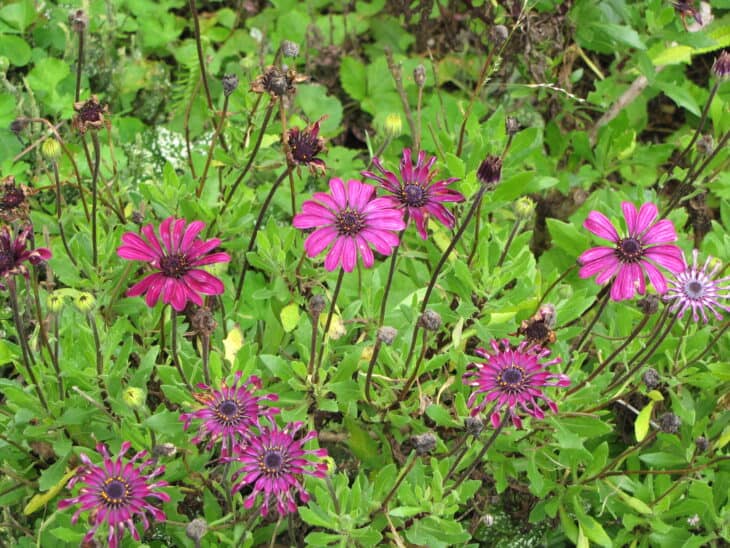
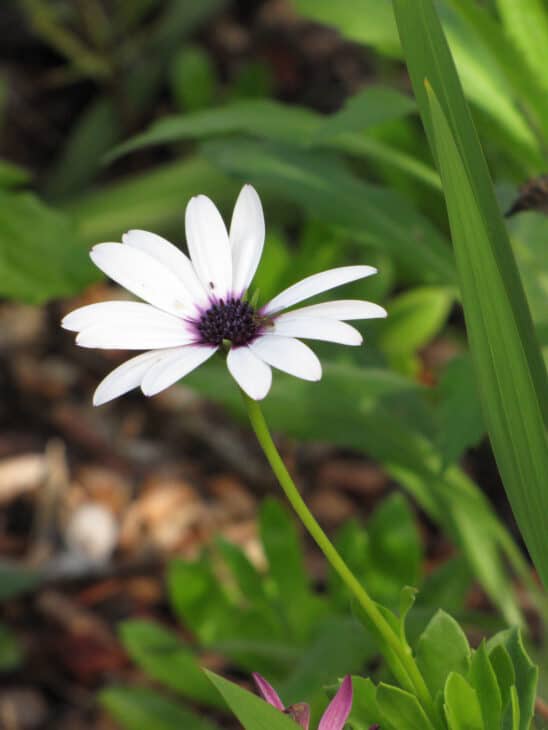
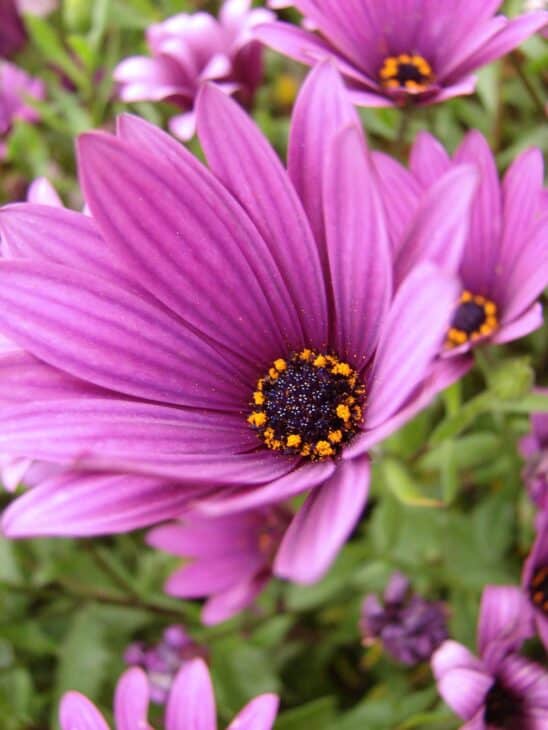
African Daisy (Osteospermum spp.) is a low, mounded ornamental that produces daisy-like blooms in many colors and shapes. It behaves as a tender perennial in mild climates and is commonly grown as an annual where frost occurs, offering long season color in sunny beds and containers.
Identification
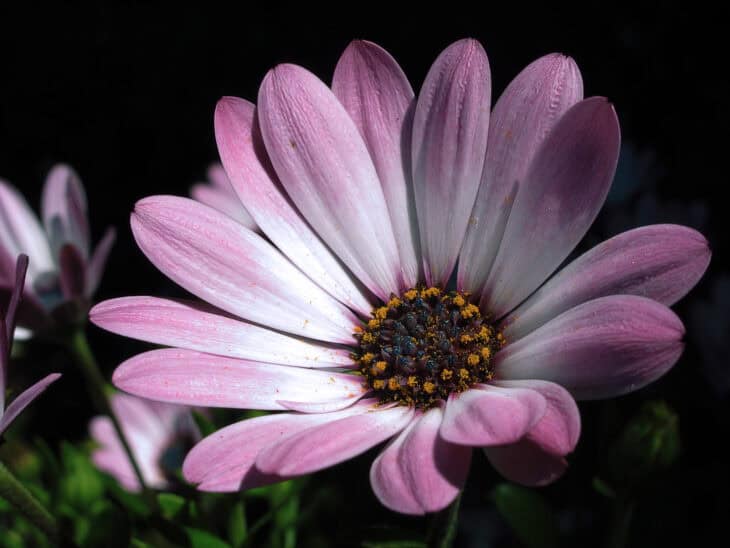
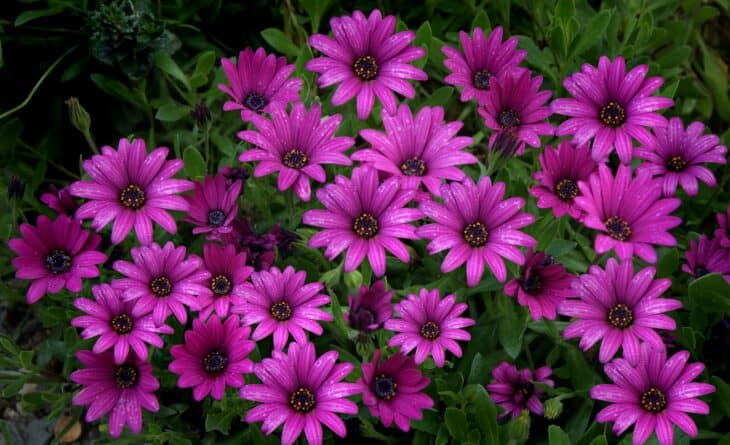
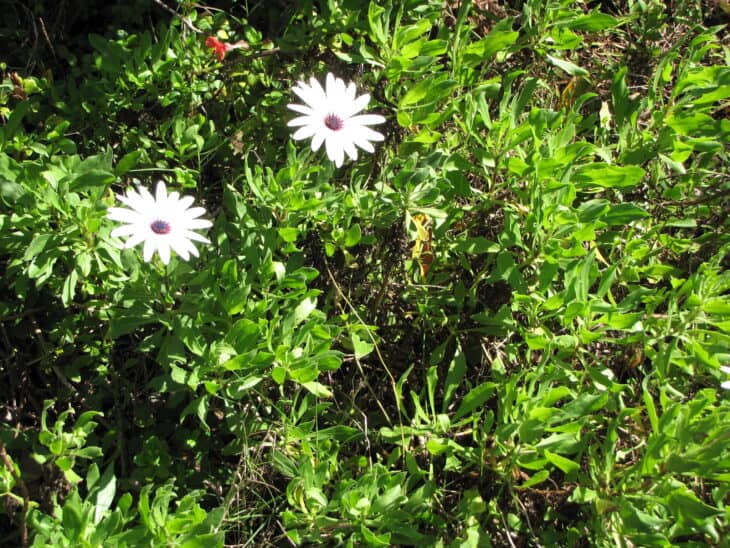
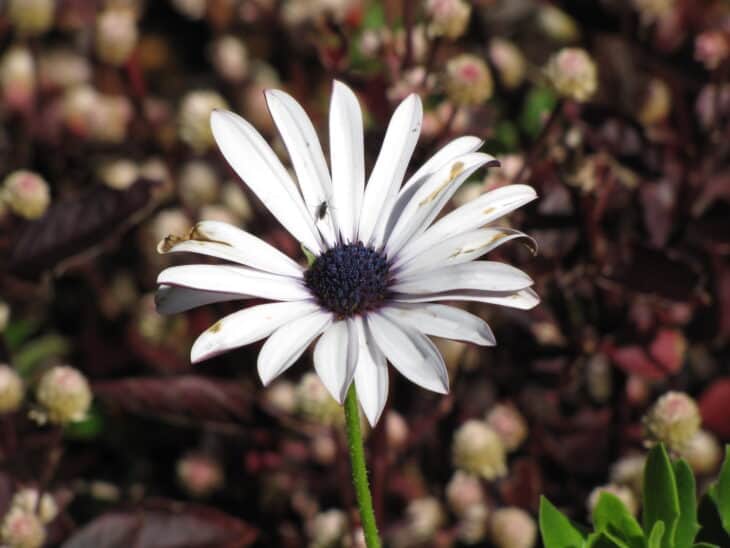
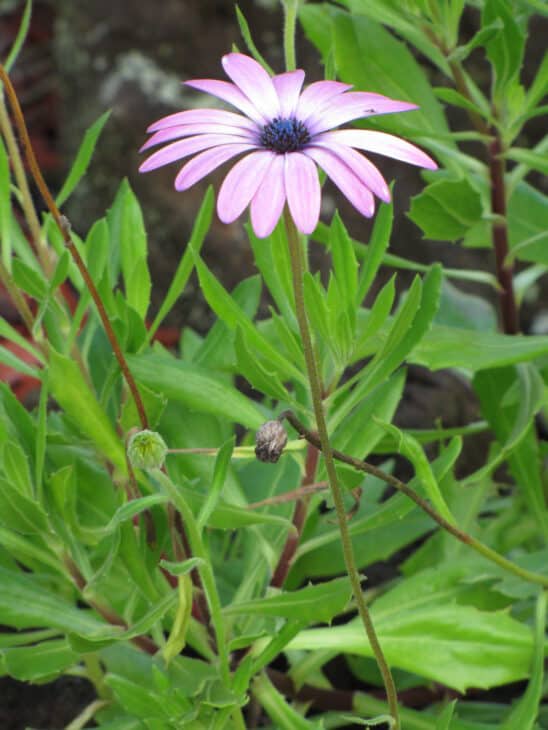
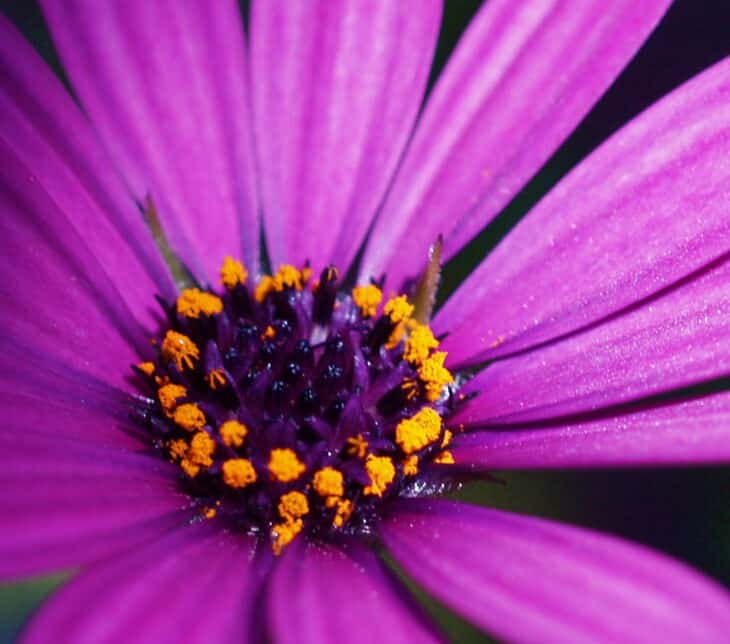
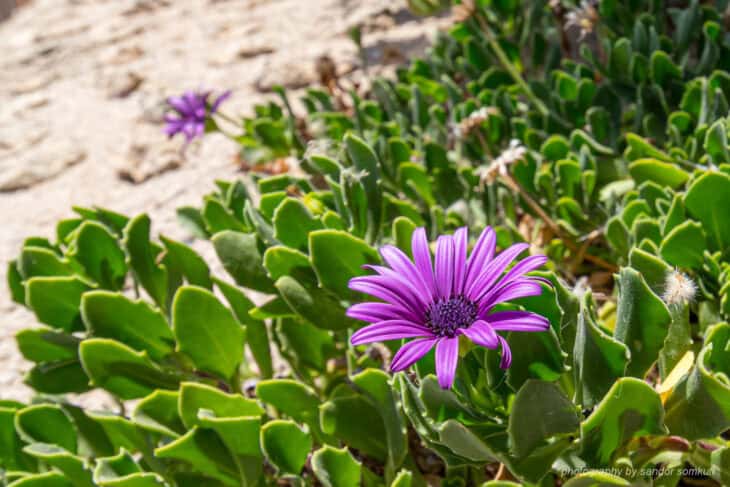
African Daisy (Osteospermum spp.) forms a low mound often 8 to 18 inches tall with a spread commonly 12 to 18 inches for garden cultivars. Flowers resemble common daisies but vary widely in color and form. Plants attract bees and butterflies and present a tidy, compact habit useful in mixed borders.
Best uses and where to grow
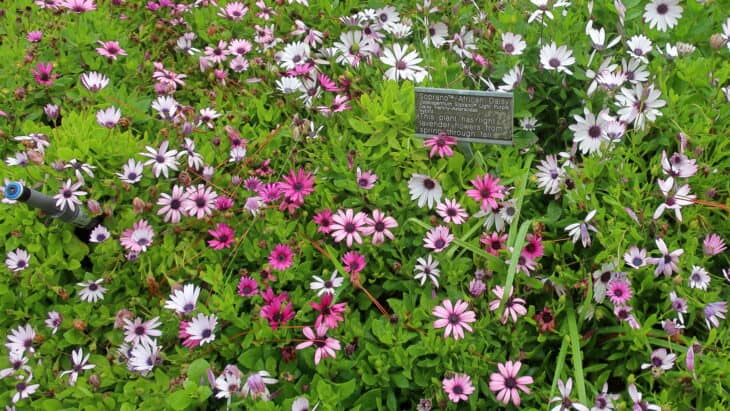
Use African Daisy in sunny borders, mass plantings and small containers where bright, continuous flowers are desired. The plant prefers full sun for best flowering and performs well as a seasonal annual in colder climates or as a perennial groundcover in milder USDA zones 9 to 11.
Planting time and spacing
Start seed indoors or sow directly outdoors following local last frost timing in colder regions. Space transplants about 12 to 18 inches apart to allow the typical garden spread and airflow. In warmer zones plants can be placed earlier and will often persist from year to year.
Soil and light
African Daisy prefers full sun and average, well-drained garden soil. Good drainage is critical because poorly drained or heavy clay soils lead to weak growth. The species tolerates a range of pH levels but will produce the most flowers when planted in fertile, free-draining soil in a sunny spot.
Watering and drainage
Keep plants evenly moist during establishment then water when the topsoil dries. Overwatering or siting in poorly drained soil causes root rot and reduced flowering. In warm sunny locations a moderate, regular watering schedule encourages steady bloom without waterlogging the roots.
After-flowering and seasonal care
In frost-prone areas African Daisy is usually treated as an annual and removed after frost damage. In USDA zones 9 to 11 plants commonly persist and tend to flower longer. Replace older clumps as needed and reuse seed or cuttings to refresh plantings for continued color.
Containers and displays
The plant’s low mounded habit and moderate size suit patio pots, window boxes and edging containers. Use a free-draining potting mix and situate containers in full sun for best flower production. Containers dry faster than garden soil so check moisture more frequently.
Propagation
African Daisy is easily grown from seed started indoors or sown direct and by softwood cuttings for named varieties. Some clumping types can be divided. Cuttings root readily, making vegetative propagation a reliable way to preserve cultivar traits and to produce replacements for annualized plantings.
Frequently asked questions
- How fast does African Daisy grow?
- Growth is moderate; plants typically reach their 8 to 18 inch mature height within the first growing season under favorable conditions.
- Are African Daisies frost-hardy?
- They are tender perennials and are generally perennial only in USDA zones 9 to 11. In colder zones they are usually grown as annuals and are damaged by frost.
- Is African Daisy toxic to pets?
- There are no widespread listings as highly toxic, though ingestion may cause mild stomach upset. Verify with local poison control or the ASPCA for definitive guidance.
- How should I water African Daisy?
- Provide regular moisture during establishment and water when the top inch of soil dries. Avoid standing water because poor drainage leads to root rot and poorer flowering.
- What are the easiest propagation methods?
- Seed sown indoors or direct and softwood cuttings are the most common. Many cultivars root readily from cuttings and some clumping types can be divided.
Gallery


Related Plants


Mentioned In (1)

Plants
12 Plants That Close At Night
It's always fascinating to see a plant with its leaves or flowers wide open and in full bloom during the…