
Key Facts
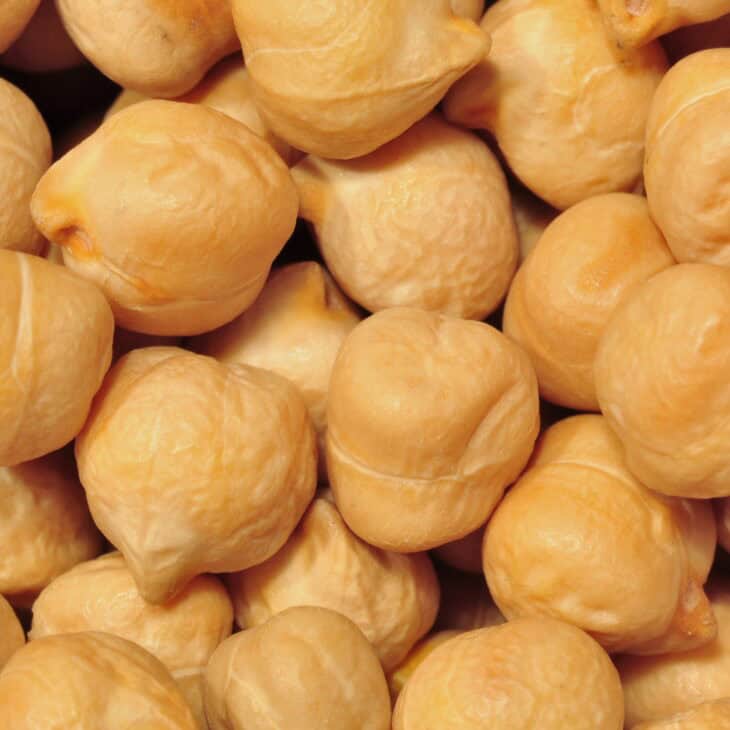
- Annual cool season legume grown for its edible seed called a chickpea or garbanzo.
- Plants form root nodules and fix atmospheric nitrogen with appropriate Rhizobium.
- Best grown from direct sown seed rather than transplanting.
- Prefers well drained soils and is sensitive to waterlogged conditions.
- Tolerates moderate drought once established.
- Produces small pinnate leaves and pea like flowers before setting pods.
- Harvested when pods and seeds dry on the plant.
- Commonly grown in Mediterranean and temperate dryland systems.
- Edible pulses used fresh or dried for cooking and processing.
Chickpeas are a cool season annual legume grown for their edible seeds. They do best in full sun on well drained soil and are normally direct sown and harvested when pods dry on the plant.
Identification
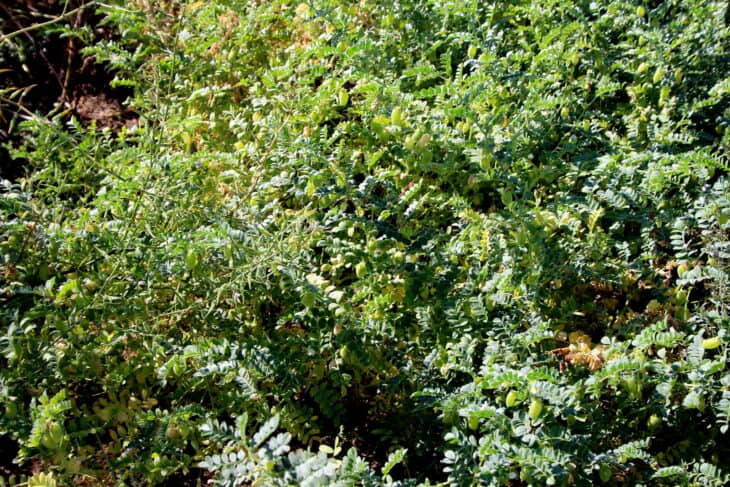
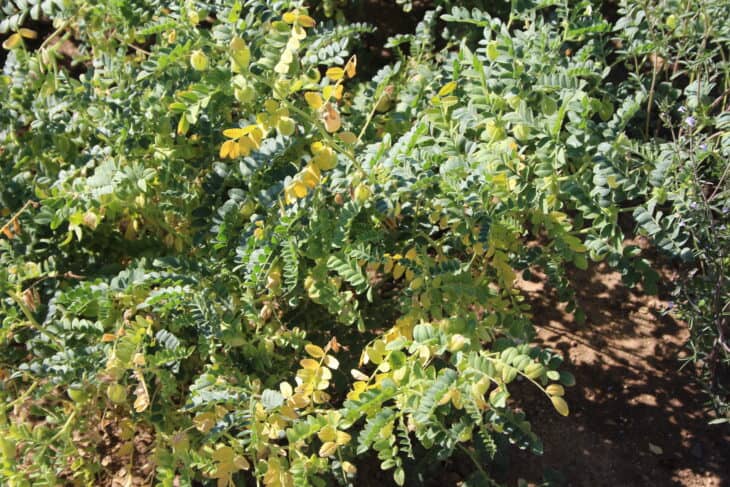
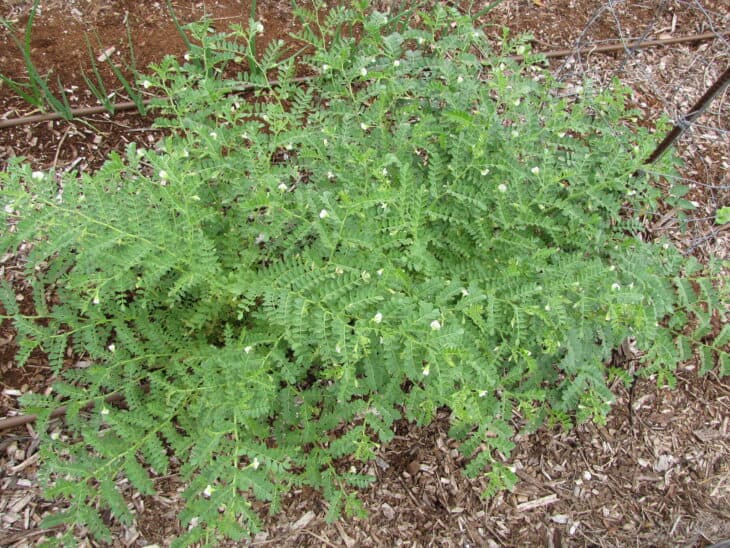
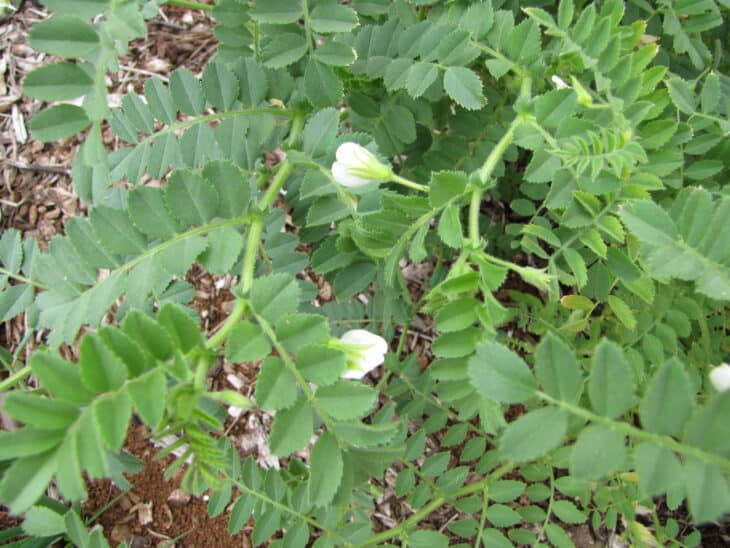
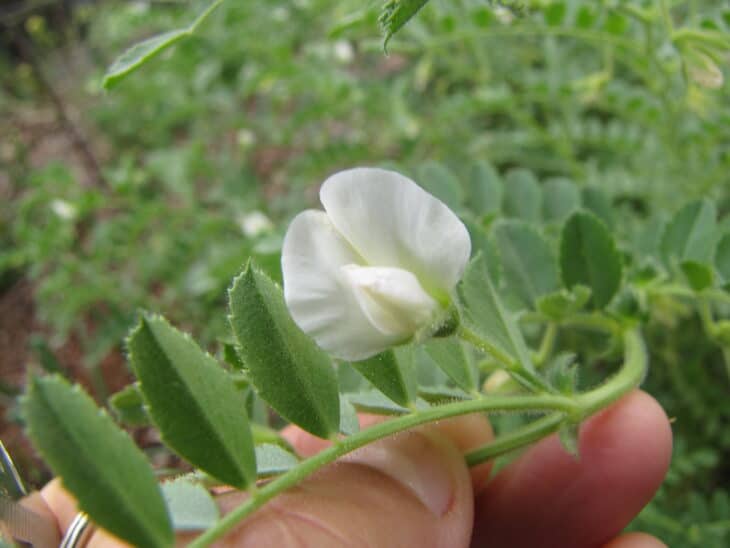
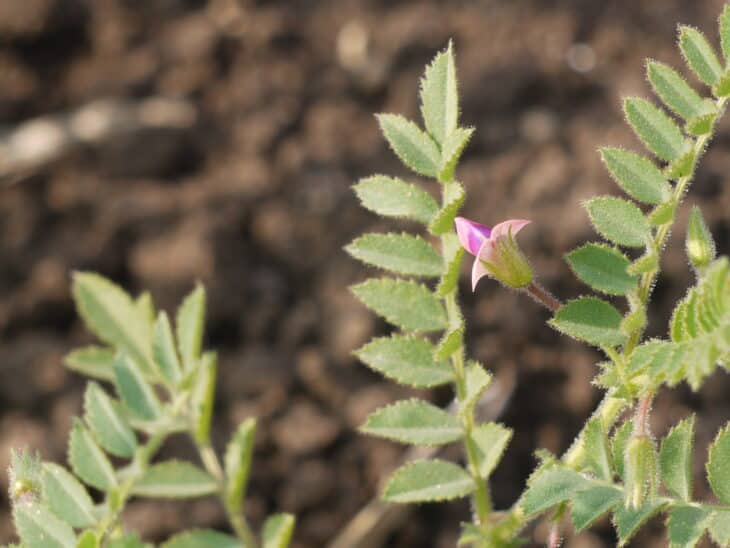
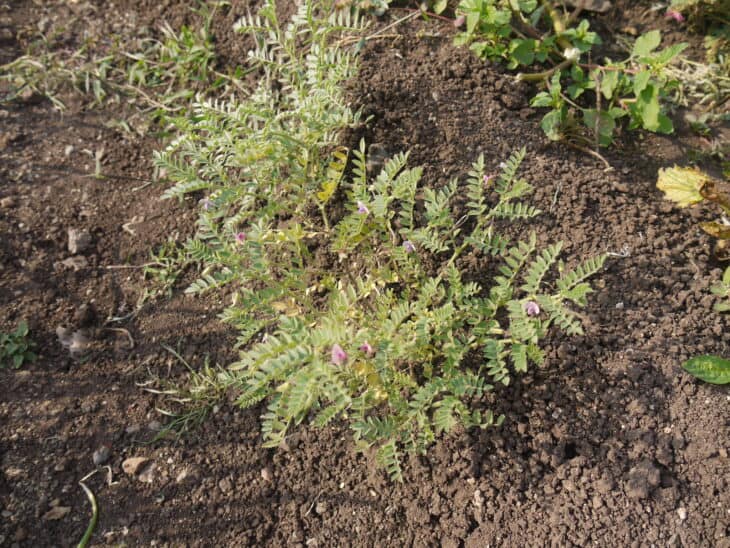
Chickpea plants produce small pinnate leaves and pea like flowers that set pods containing one to two seeds. Typical plants reach about 8 to 20 inches tall and are spaced roughly 6 to 18 inches apart depending on variety and planting density. Flowers and pods appear in the late spring to summer window when sown as a cool season crop.
Best uses and where to grow
Grow chickpeas as a kitchen garden crop for fresh or dried pulses and as part of a crop rotation to benefit soil nitrogen. They are commonly grown in Mediterranean and temperate dryland systems and perform best in climates without prolonged waterlogging. As an annual they are not reliably winter hardy in cold climates and may only overwinter in mild areas roughly USDA zones 9 to 11.
Planting and timing
Sow seed directly into the garden in the cool season with soil that drains well. Transplanting is uncommon and direct seeding gives better stands. Space plants in the 6 to 18 inch range depending on the cultivar and your yield goals. Use a regionally recommended chickpea Rhizobium inoculant when local soils lack compatible bacteria to improve nodulation and nitrogen fixation.
Soil light and watering
Chickpeas need full sun for good flowering and seed set and prefer well drained loam to sandy loam with pH near 6.0 to 8.0. They are sensitive to waterlogged conditions which lead to root disease and reduced yields. Once established they tolerate moderate drought but prolonged moisture stress during flowering reduces pod set and final yield.
After flowering and harvest
Allow pods and seeds to dry on the plant before harvesting for dried pulses. Plants can be cut and left to finish drying if weather threatens. Remove or manage crop residue and volunteer plants if you do not want them to reseed in following seasons.
Management and naturalizing control
Chickpeas can volunteer where seeds are left on the soil and may persist in mild winter climates. Prevent unwanted naturalizing by removing plants before seeds mature or by collecting all mature pods. They do not have a known invasive habit but will reseed under favorable conditions.
Frequently asked questions
- How fast does Chickpeas grow?
- Growth rate varies with climate and cultivar. Chickpeas complete their life cycle in a single cool season and typically reach mature height within that growing window.
- Do chickpeas need inoculant?
- Yes inoculation with an appropriate chickpea Rhizobium is recommended when compatible bacteria are not present in the soil to ensure good nodulation and nitrogen fixation.
- Can chickpeas overwinter?
- They are usually grown as an annual and are not reliably winter hardy in cold regions. In mild climates roughly USDA zones 9 to 11 they may survive or volunteer.
- Are chickpeas drought tolerant?
- They tolerate moderate drought once established but need adequate moisture during flowering for good pod set.
- Are chickpeas toxic to pets?
- Chickpeas are edible for people when cooked and are not listed as toxic to common pets. Raw seeds can contain compounds reduced by cooking so avoid feeding large quantities of raw pulses to animals.
Gallery
Related Plants


Mentioned In (1)

Plants
8 Plants That Look Like Peas
Pea plants are known all over the world. These plants include edible and inedible varieties and are usually identified for…