
Key Facts
- Cool season annual grown for its edible root and young leaves.
- Matures quickly with many garden types ready in about 3–8 weeks.
- Prefers well drained fertile soil with good organic matter.
- Best grown in full sun though light shade is tolerated in hot climates.
- Usually direct sown from seed rather than transplanted.
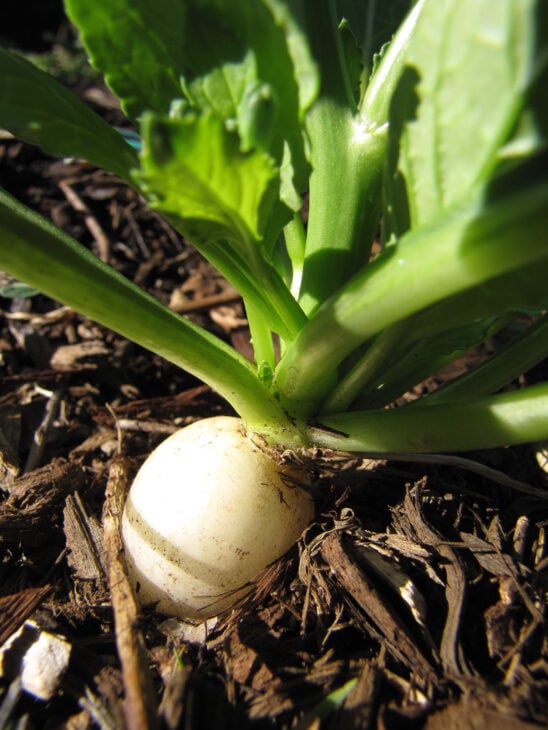
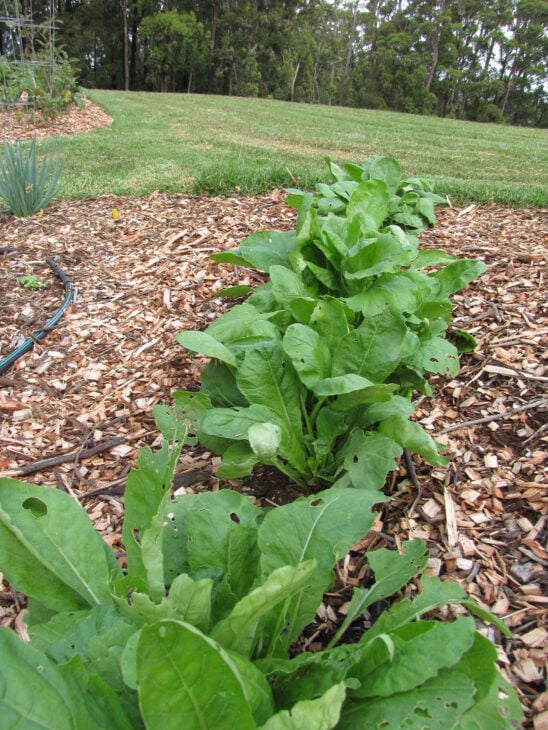
- Leaves form a low rosette while roots develop at ground level.
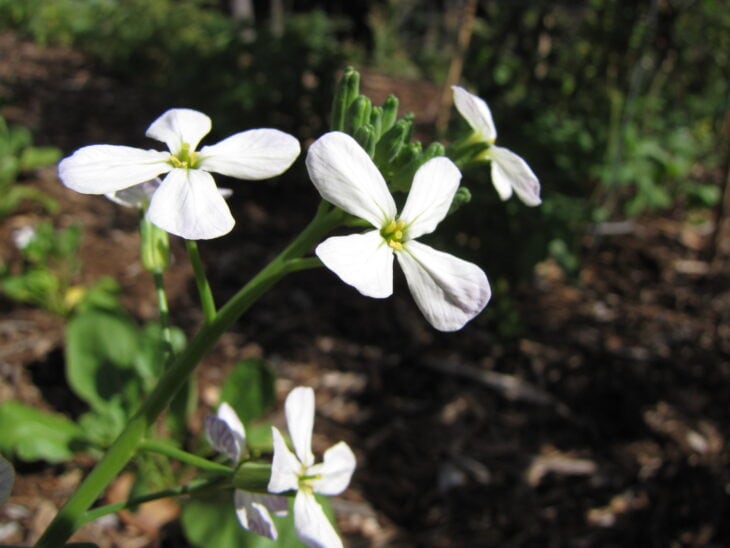
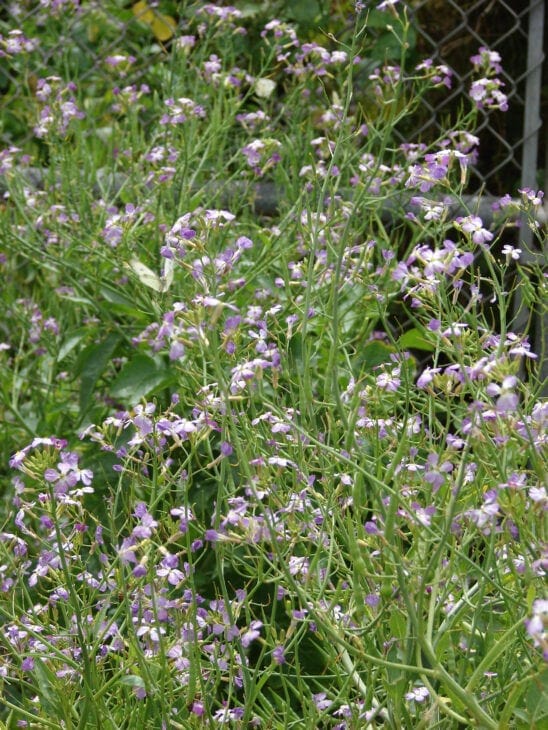
- Flowers if allowed to bolt and then sets small mustard family seed pods.
Radish (Raphanus sativus) is a cool season annual grown for crisp edible roots and young salad greens, prized for very fast harvests. It prefers well drained fertile soil and full sun while heat causes rapid bolting that ruins roots.
Identification
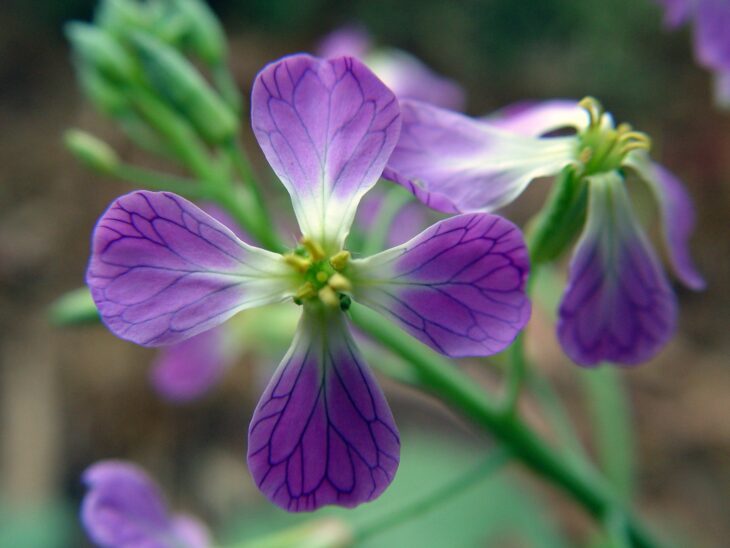
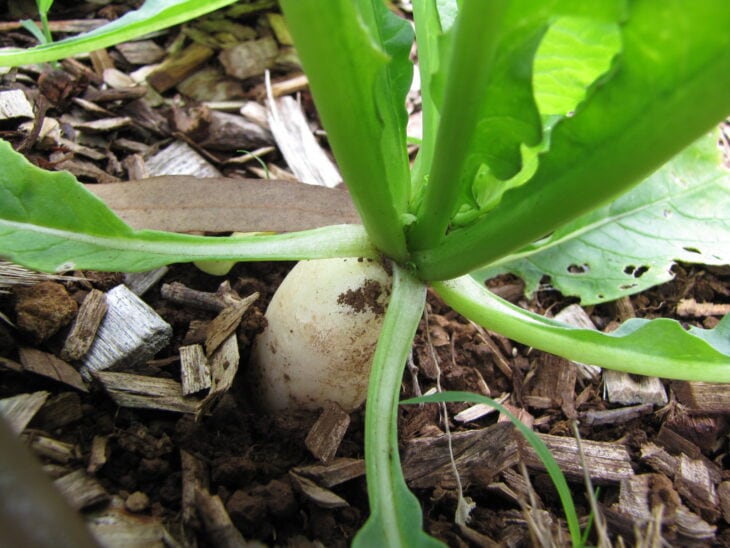
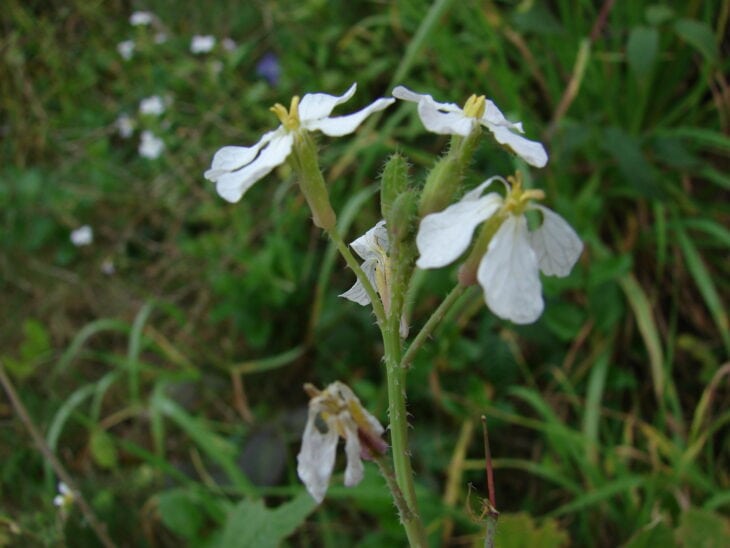
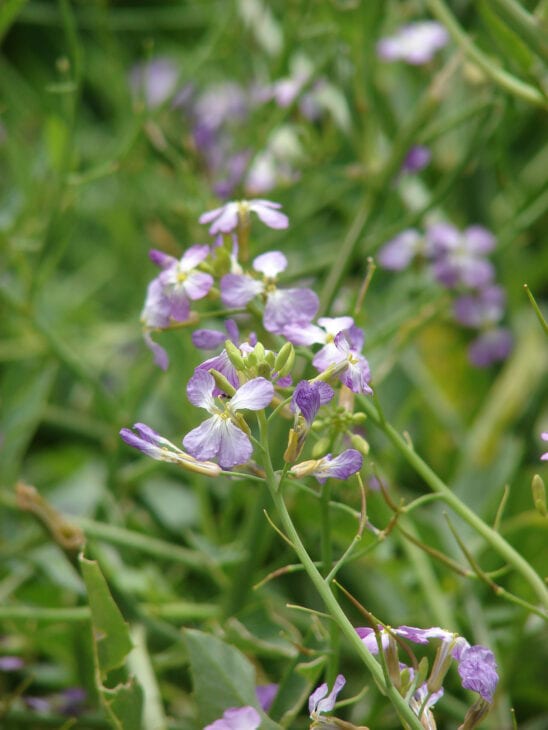
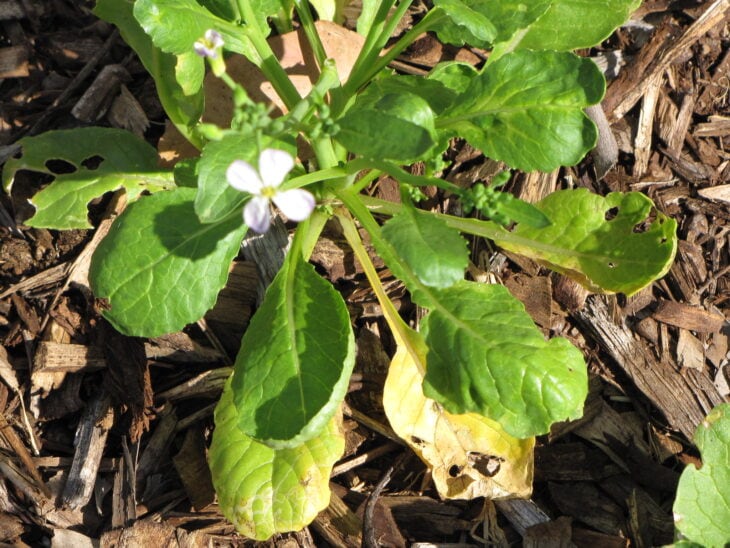
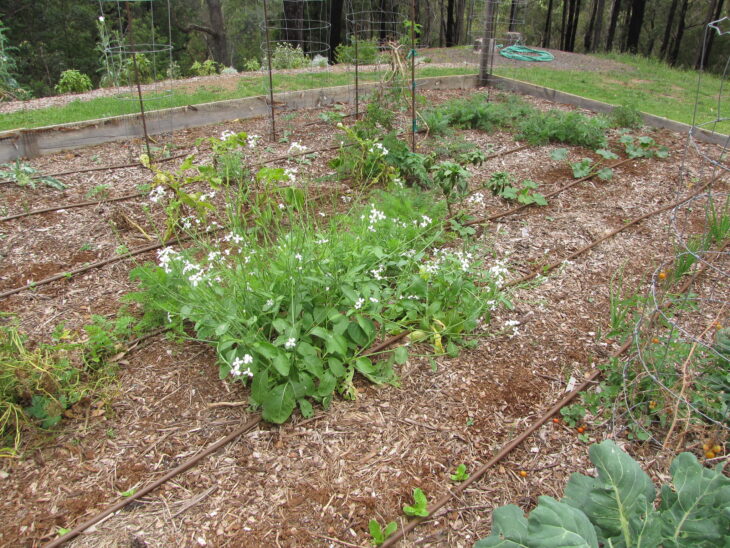
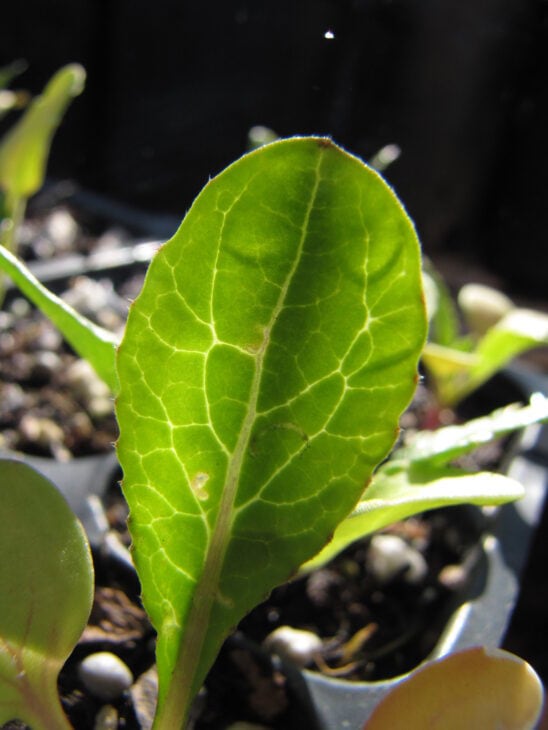
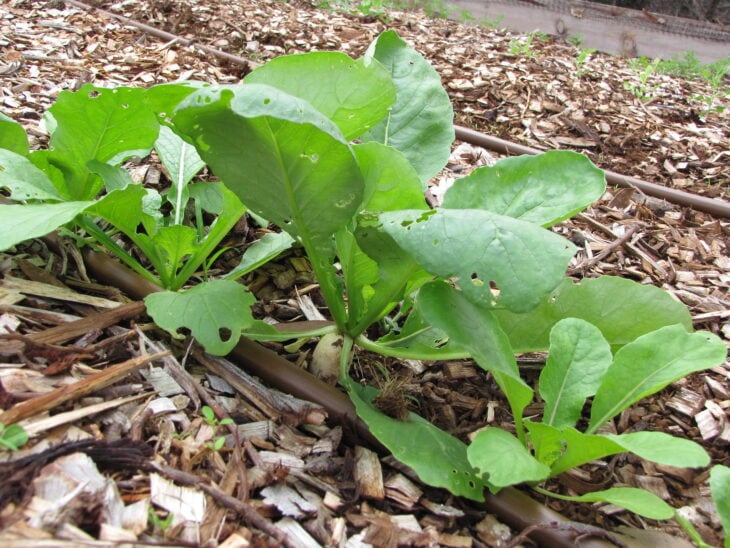
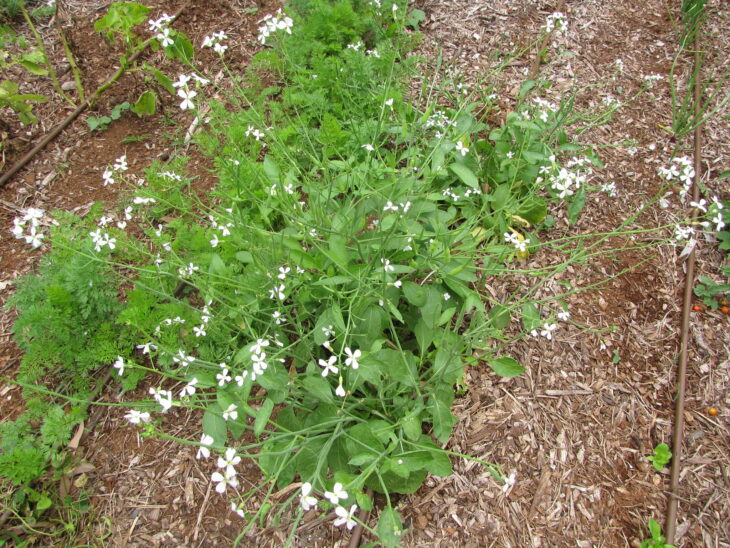
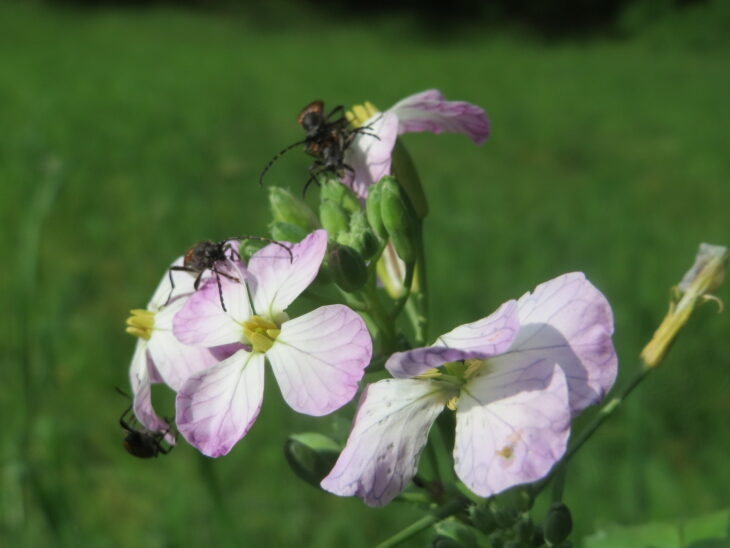
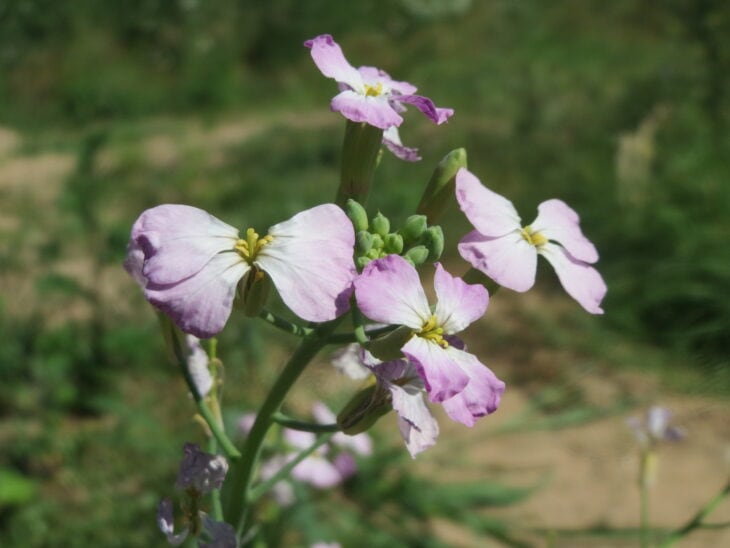
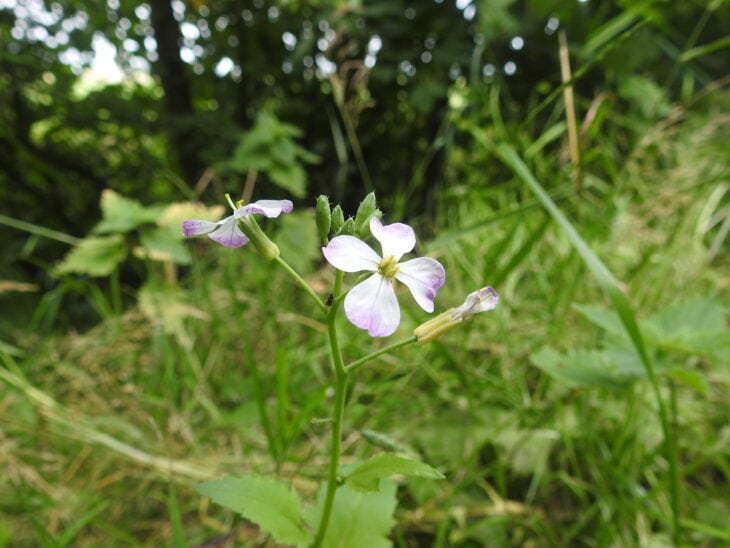
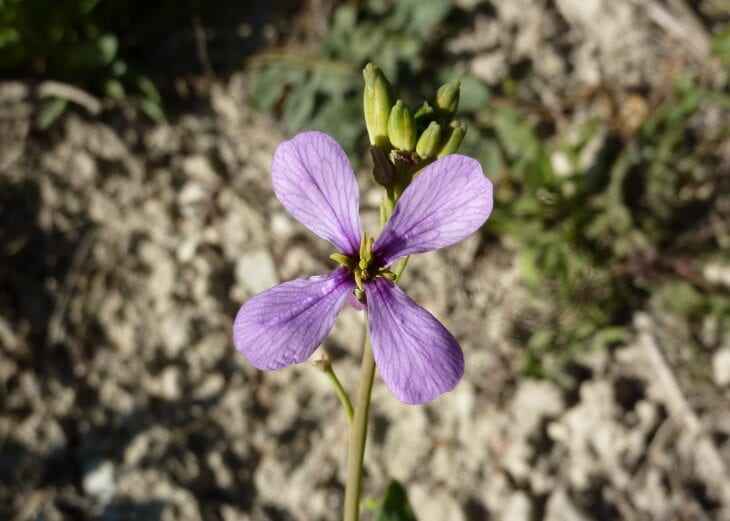
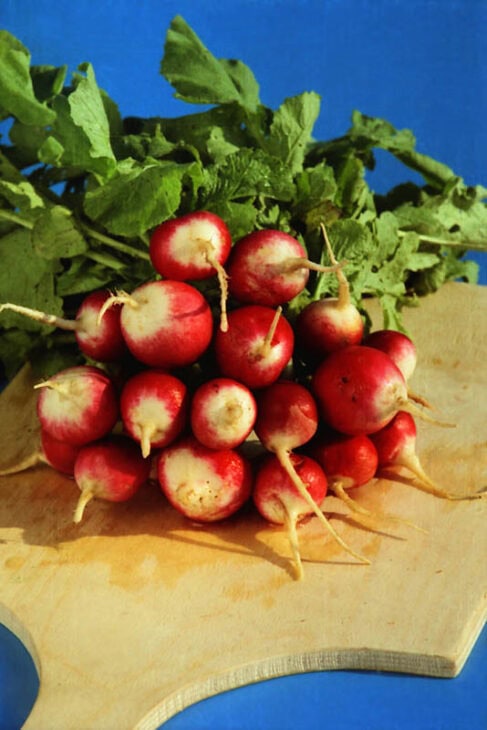
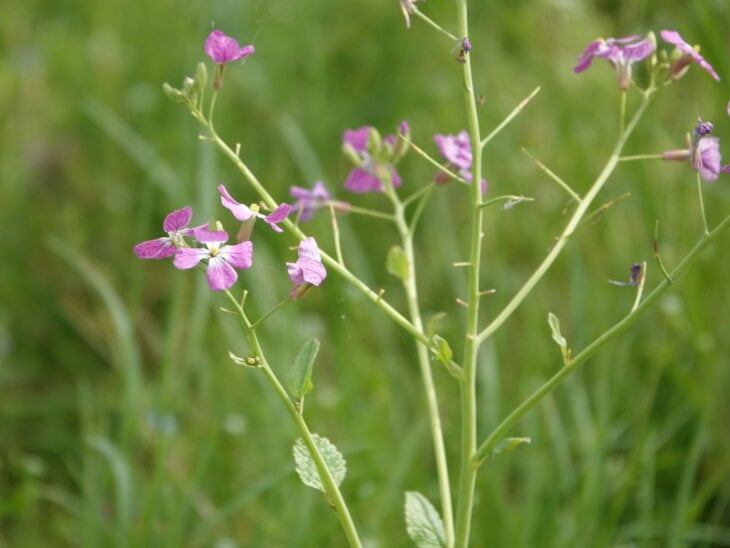
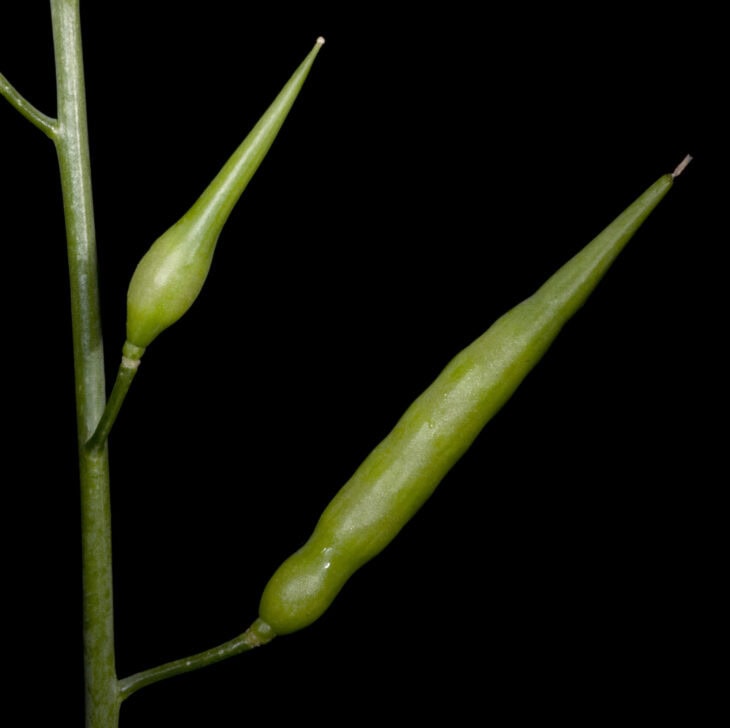
Radish forms a low rosette of leaves often 6 to 12 inches tall with a fleshy root at ground level that varies by cultivar from small round types to long daikon forms. If plants bolt they produce white to pink cross shaped flowers and small mustard family seed pods.
Best uses and where to grow
Grow radishes as a quick salad crop, a fast border or a succession-planted bed filler between slower vegetables. They perform across many climates as a cool season annual, tolerate light frost and do best in full sun, though light afternoon shade can help in hot regions to reduce bolting.
Planting time and method
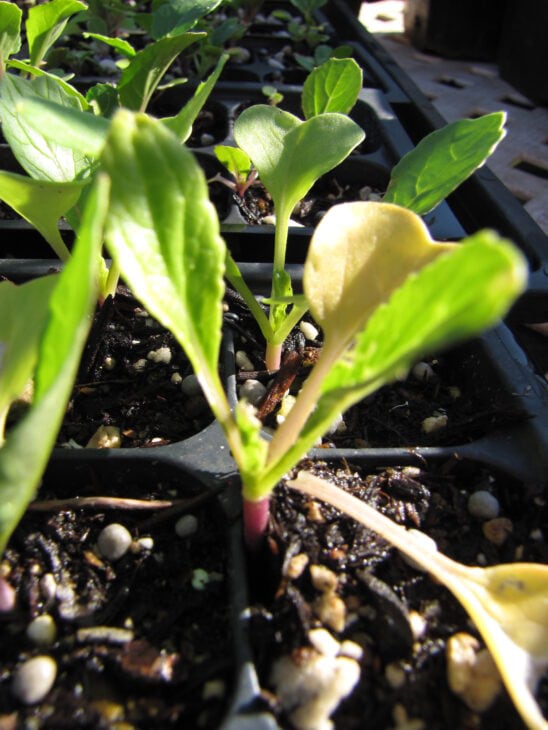
Sow seed directly in cool seasons for best root development. Transplants are uncommon. For a continuous harvest succession sow every 1 to 2 weeks during the cool part of the year. Bolting and flowering usually follow long days or heat, so avoid heavy warmth during root development.
Spacing, depth and thinning
Sow radish seed shallowly about 1/4 to 1/2 inch deep and thin seedlings to suit the variety. Small salad types can be spaced closer while larger types need up to 4 to 12 inches between plants. Crowding reduces root size and increases forking and misshapen roots.
Soil and watering
Plant in well drained fertile loam amended with organic matter and aim for a near neutral pH about 6.0 to 7.0. Poor drainage or compacted soil causes split roots and rot, so improve drainage and structure before sowing rather than letting beds sit waterlogged.
After flowering and seed control
If radishes bolt they shift energy to flowers and seed pods and roots quickly lose quality. Remove bolted plants to preserve bed space and prevent abundant self-seeding from the small mustard family seed pods if you do not want volunteer plants the following season.
Toxicity and pets
Roots and leaves are edible for people. Radishes are not commonly listed as poisonous to pets, though large amounts could cause digestive upset. If an animal shows adverse symptoms consult a veterinarian or local poison control for guidance.
Frequently asked questions
- How fast does radish grow?
- Many garden types mature very quickly, commonly in about 3 to 8 weeks from sowing.
- Can I sow radishes in summer?
- In hot weather radishes tend to bolt and produce poor roots, so plant in cool seasons or provide afternoon shade in warm climates.
- How deep should I sow radish seed?
- Sow seed shallowly about 1/4 to 1/2 inch deep.
- How far apart should I space radishes?
- Thin to suit the variety, typically from about 4 to 12 inches apart; crowding causes small or forked roots.
- Are radishes safe for pets?
- Edible for people and not widely reported as toxic to pets, though large amounts may upset digestion; consult a vet if concerned.
Gallery
Related Plants


Mentioned In (4)
Plants
Companion Plants for Cucumber: What Works (and what Doesn’t)
Cucumber beetles are one of the most destructive forces in the vegetable garden — and they don't just eat foliage.…
Plants
Companion Plants for Spinach: What Works and Why
Spinach growers fight a near-constant battle with leaf miners — tiny larvae that tunnel between the leaf surfaces and ruin…

Plants
8 Plants That Look Like Peas
Pea plants are known all over the world. These plants include edible and inedible varieties and are usually identified for…

Plants
Companion Plants for Tomatoes: What Works and Why
Companion planting can significantly improve the health and yield of your tomato plants, but choosing the right partners is key…