
Key Facts
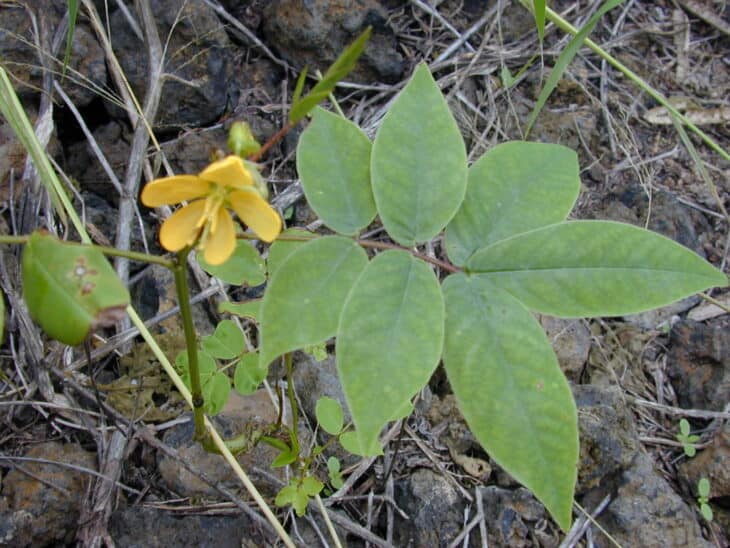
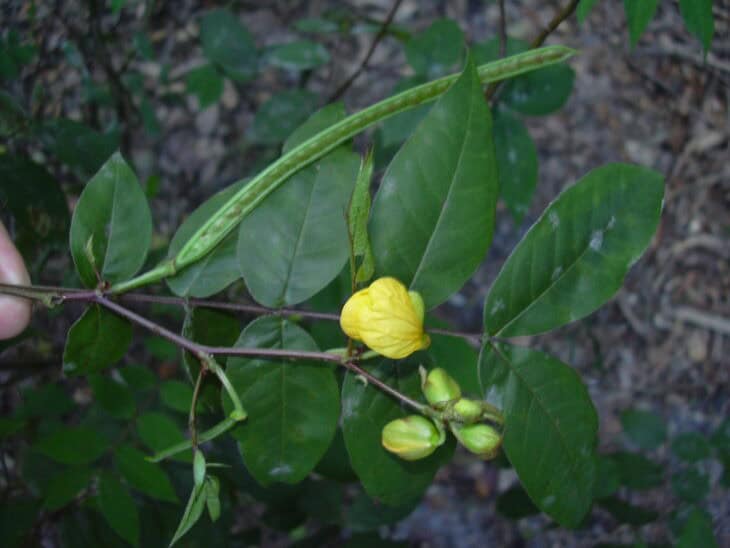
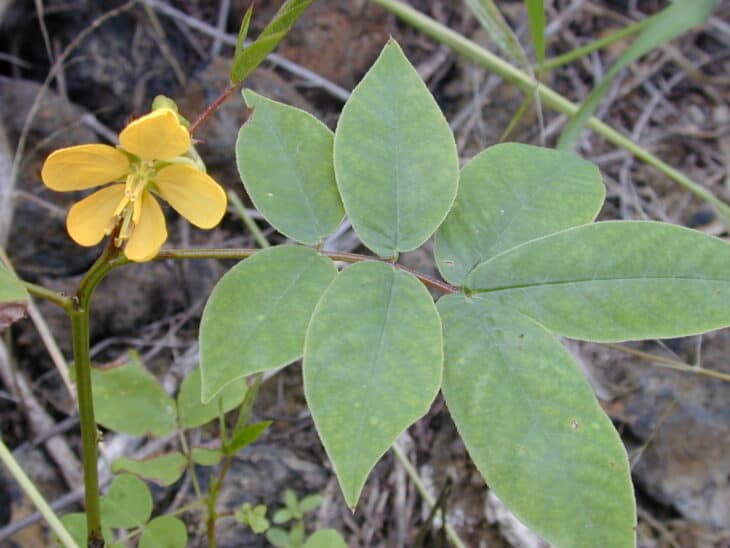
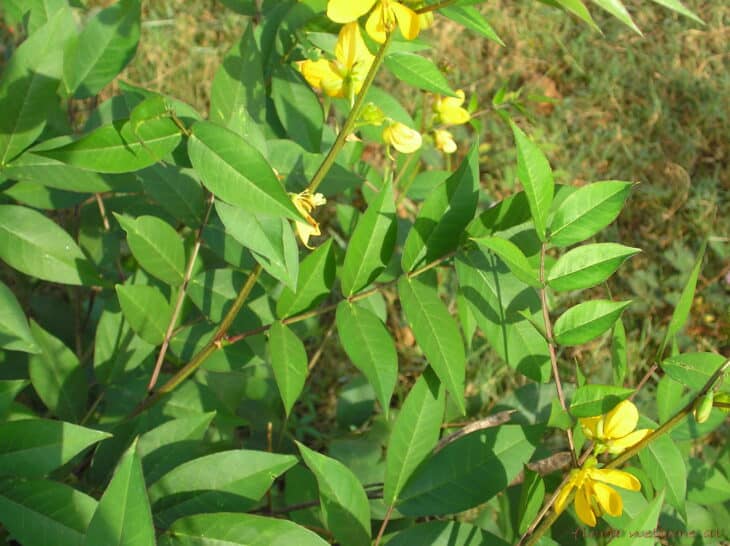
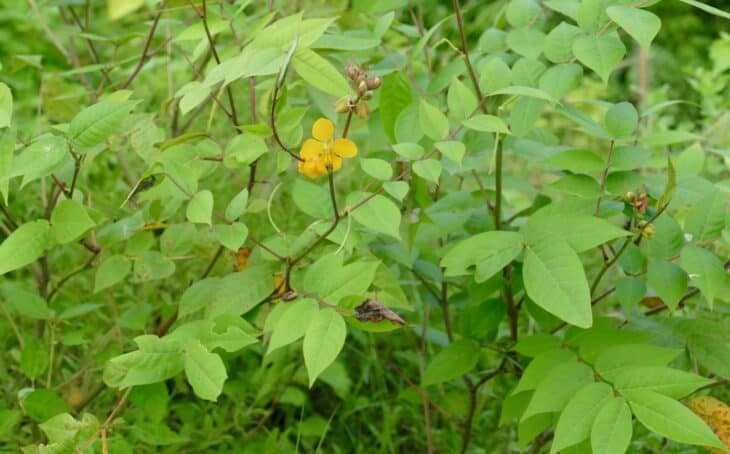
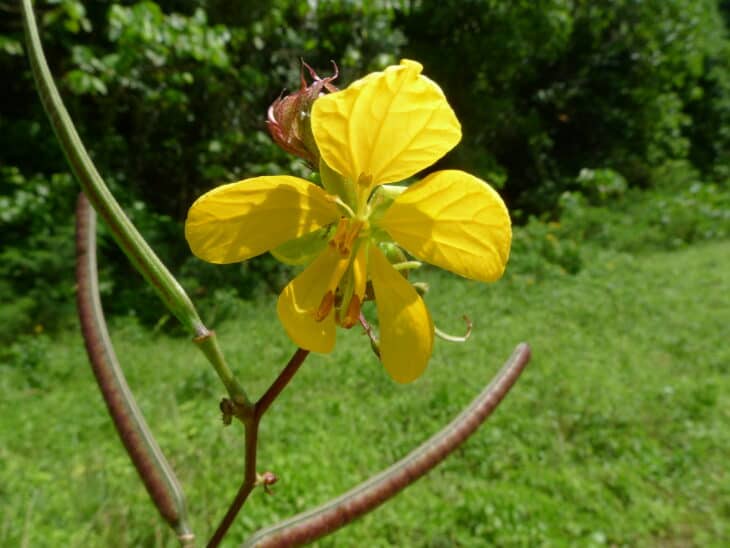
- A tropical legume with compound leaves and yellow pea flowers.
- Typically grows as an annual or short lived perennial with an upright habit.
- Commonly found in disturbed ground and agricultural edges.
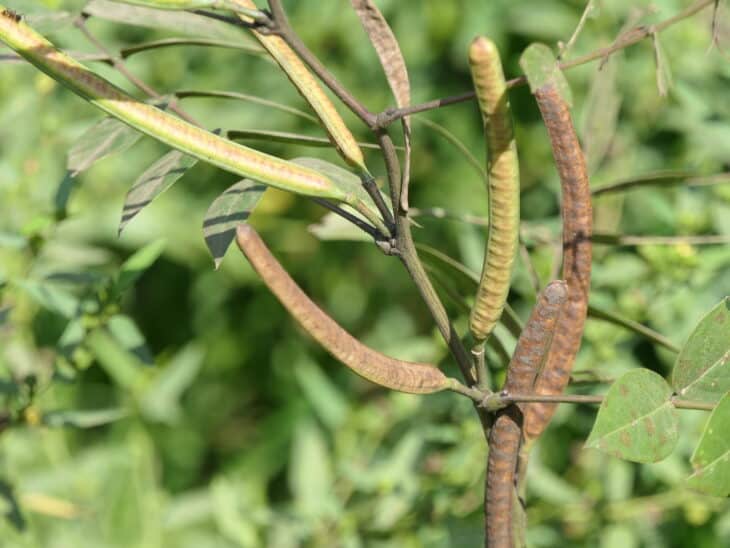
- Produces hard coated seeds that aid long distance spread.
- Contains compounds associated with poisoning of livestock and occasional human cases.
- Propagates mainly by seed and germinates after scarification or abrasion.
- Tolerant of poor, compacted and dry soils but flowers best in well drained sites.
- Considered a weed or invasive species in some tropical and subtropical regions.
Coffee Senna is a tropical legume with compound leaves and yellow pea like flowers that often appears in disturbed ground and field edges. It grows upright and produces hard coated seeds that help it spread, and some plant parts have been linked to poisoning in livestock and people.
Identification
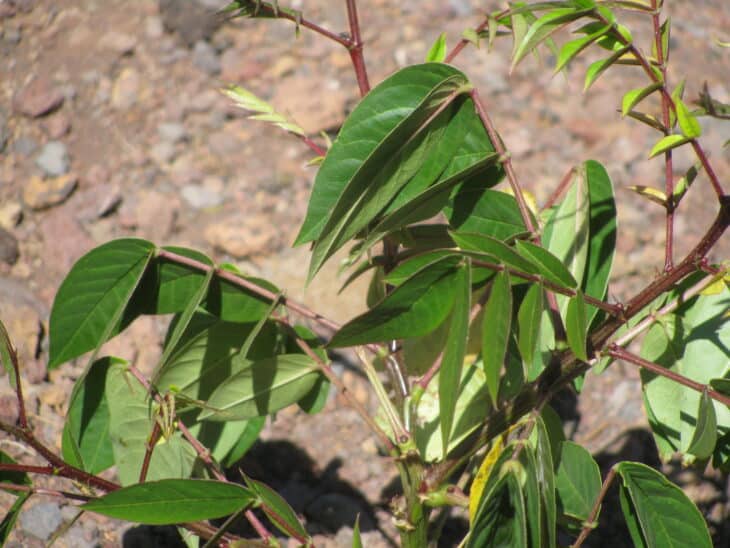
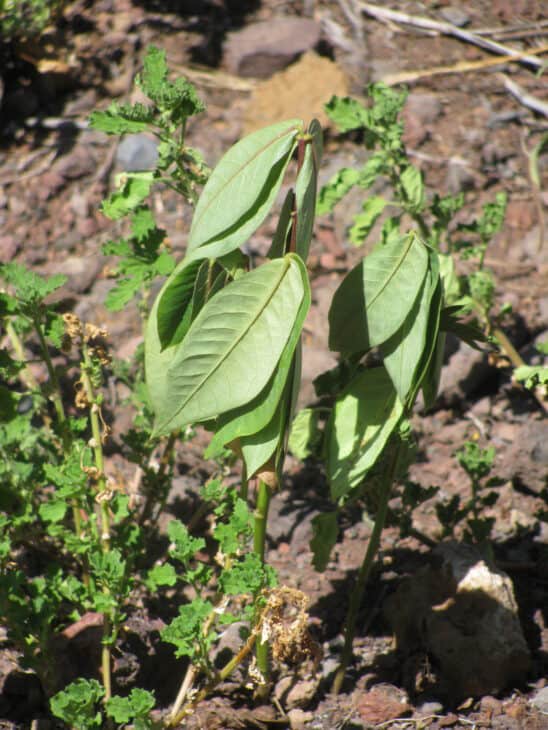
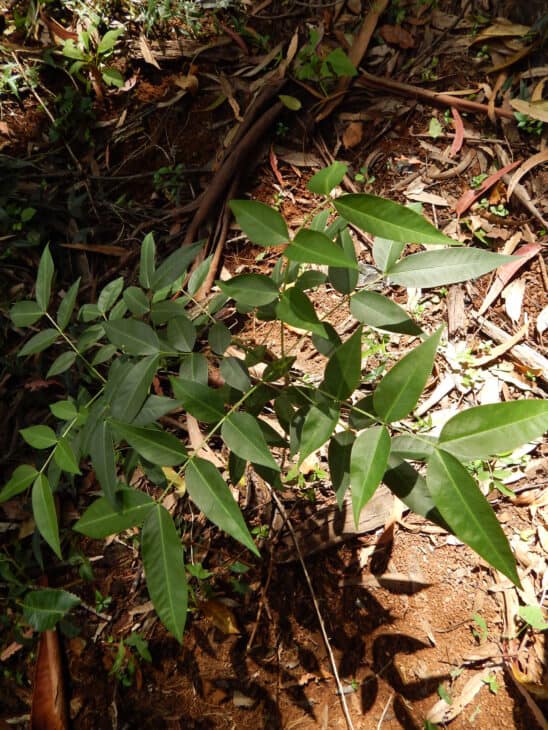
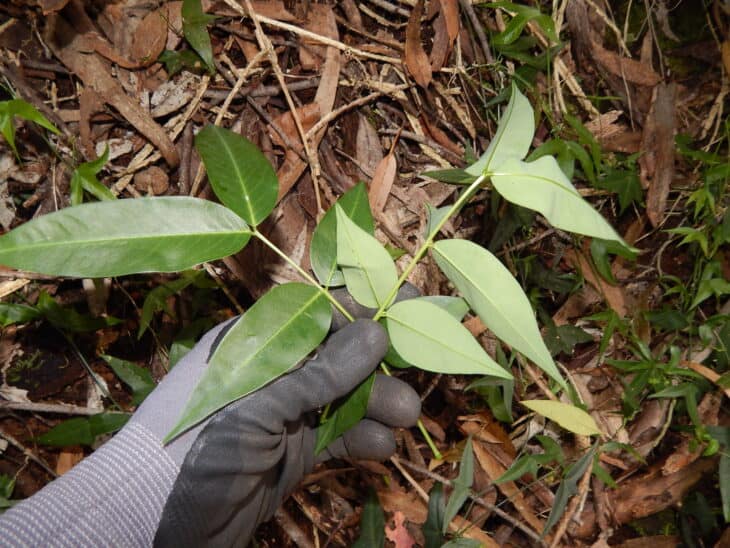
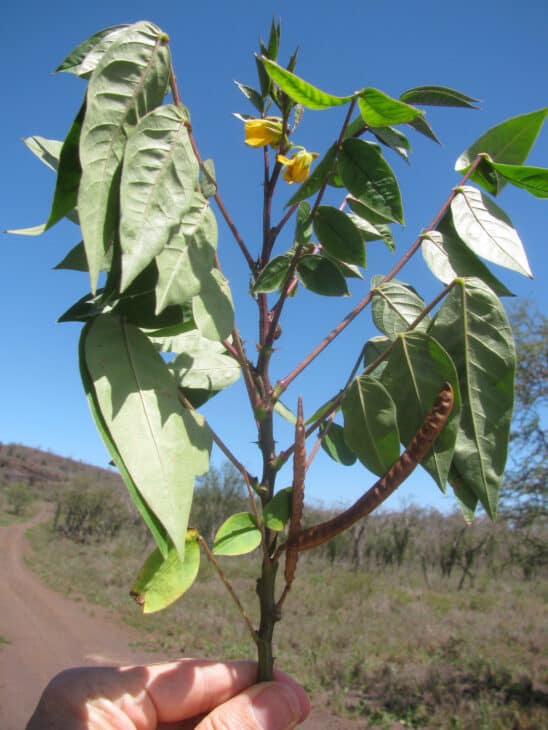
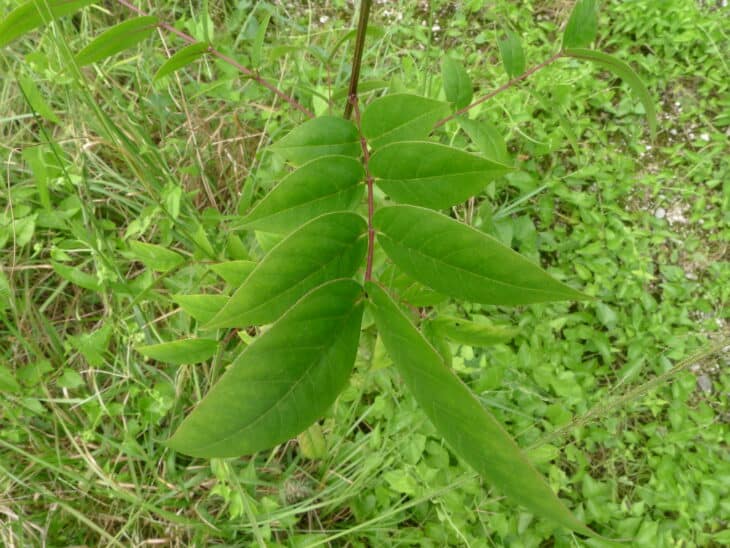
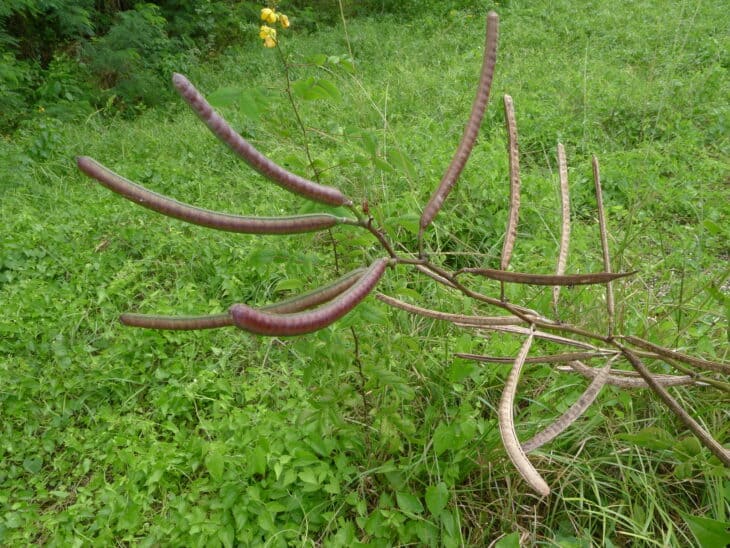
Leaves are compound and flowers are yellow and pea like. Plants have an upright habit and commonly reach about 1 to 5 feet tall and spread roughly 2 to 4 feet. Seed pods contain hard coated seeds that persist in soil and aid long distance spread.
Where to grow and best uses
Thrives in open sunny spots and tolerates light shade. It prefers well drained sites but will grow in poor, compacted and dry soils. In frost free areas it can persist year to year and is roughly suited to USDA zones 9 to 11. Use with caution for quick ground cover in warm climates only where you can prevent seeding, otherwise avoid planting near pasture or natural areas because it can naturalize and behave as a weed.
Planting and propagation
Propagates by seed. Seeds have a hard coat and respond to scarification or abrasion to improve germination. Sow scarified seed in warm soil and monitor seedlings closely to prevent unwanted spread.
Water and general care
Tolerant of dry conditions and poor soils, but plants flower best where drainage is good. Prolonged waterlogging tends to reduce vigor and flowering. Minimal irrigation is needed once plants are established in dry sites.
After flowering and controlling spread
Plants set hard seeds that remain viable in the seedbank. Removing flower heads or seed pods before seeds mature reduces new infestations. Pull or cut plants before they set seed and dispose of material so seeds do not return to the soil. Frequent monitoring is required on disturbed ground and field edges where seeds germinate readily after abrasion.
Risks and toxicity
Seeds and other plant parts contain compounds that have been associated with livestock poisonings and occasional human illness. Avoid grazing or feeding the plant to animals. Pet toxicity is not well documented so treat exposure cautiously and consult local veterinary or poison control services for advice.
Frequently asked questions
- How fast does Coffee Senna grow?
- It can establish quickly in disturbed sunny sites and often reaches its typical height within a single warm season. It behaves as an annual or a short lived perennial depending on climate.
- Is Coffee Senna poisonous?
- Yes. Seeds and other parts contain compounds linked to livestock poisoning and some human cases. Avoid ingestion and seek professional medical or veterinary advice if exposure occurs.
- Can Coffee Senna become invasive?
- Yes. It is considered a weed or invasive in parts of the tropics and subtropics because of its hard coated seed and ability to form dense stands on disturbed ground.
- How should I control Coffee Senna in a yard or field?
- Prevent seed set by removing flower heads or pulling plants before pods mature. Repeated removal and monitoring are needed because of a persistent seedbank.
- How do I propagate Coffee Senna?
- By seed. Scarify or abrade the hard seed coat before sowing and plant in warm soil to improve germination.
Gallery
Related Plants


Mentioned In (2)
Plants
23 Poisonous Plants in Arkansas
Arkansas is home to a wide range of flora that may be found in backyards, fields, forests, and hiking routes.…

Plants
24 Poisonous Plants in Florida
When we think about plants, we usually think about how magnificent and beautiful they are. They are a source of…