
Key Facts
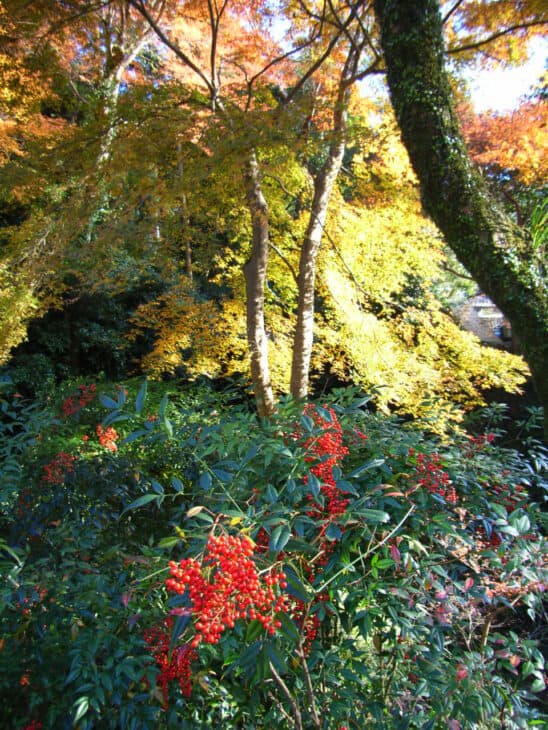
- Evergreen understory shrub with glossy leathery leaves.
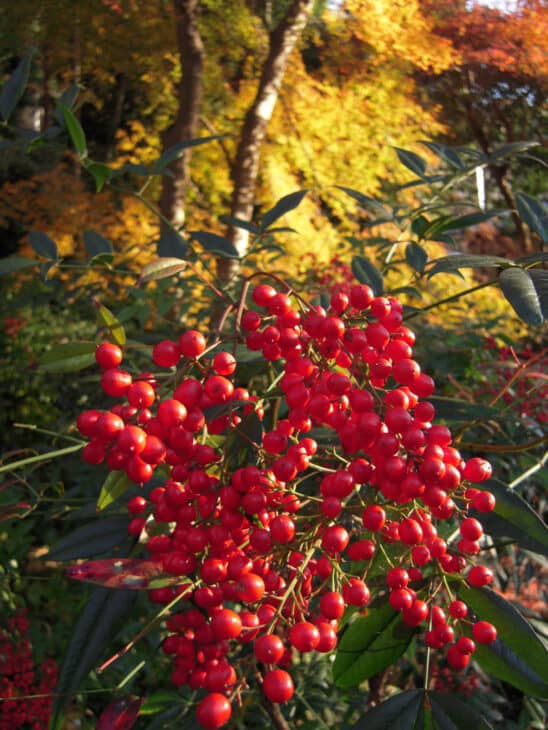
- Produces clusters of small white to pink flowers followed by persistent red berries.
- Birds disperse the red berries and seeds.
- Spreads by seed and by clonal growth from roots or suckers.
- Considered invasive in warm, humid regions and in some natural areas.
- Used as an ornamental but can form dense thickets that shade out native plants.
- Tolerates shade and a range of soils but prefers moist, well drained sites.
- Can be controlled by removal of plants and seed heads and by targeted herbicide where needed.
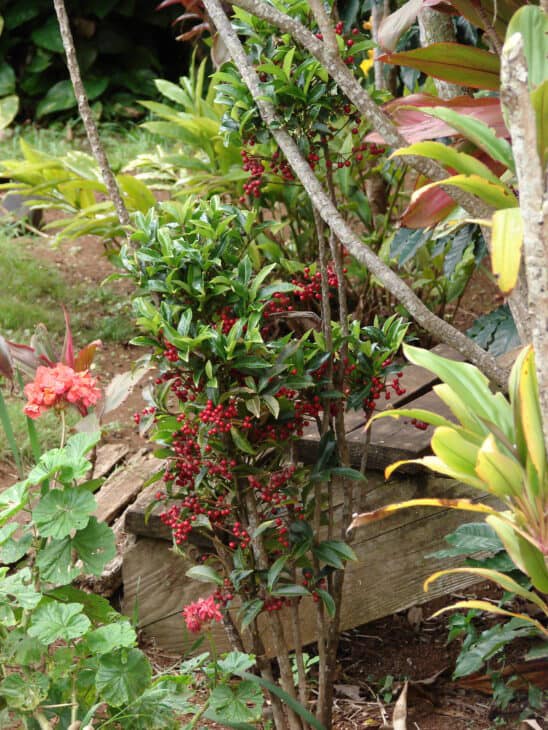
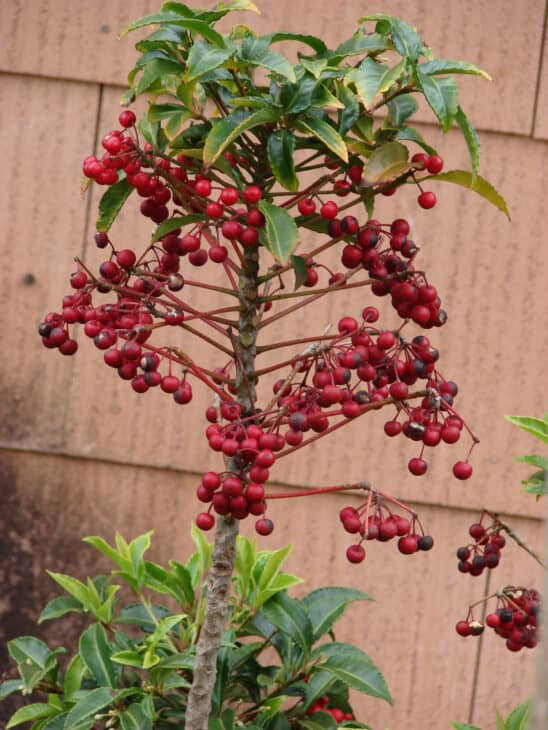
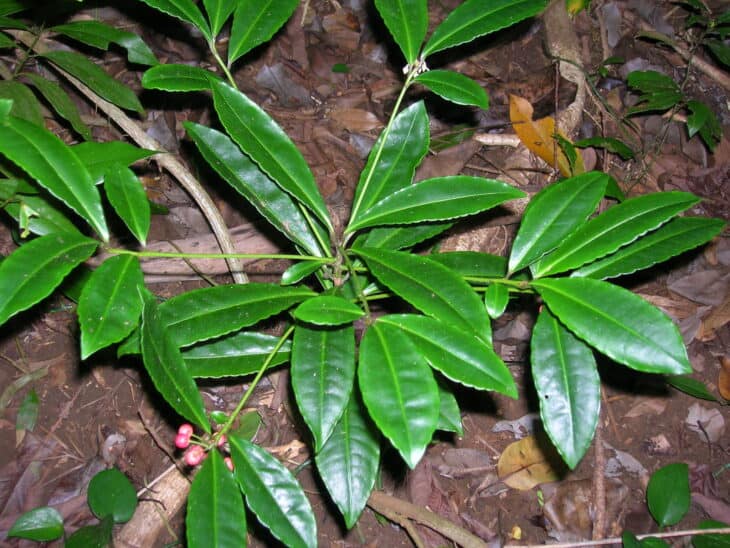
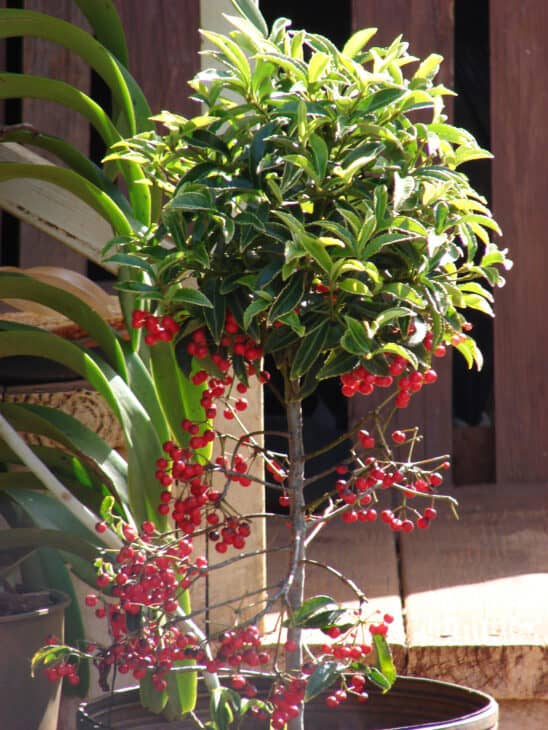
Coral Ardisia is an evergreen understory shrub valued for glossy leathery leaves and clusters of bright red winter berries, used as a low ornamental or groundcover accent but capable of forming dense thickets in warm climates. It tolerates shade and a range of soils while preferring moist well drained, humus rich sites.
Identification
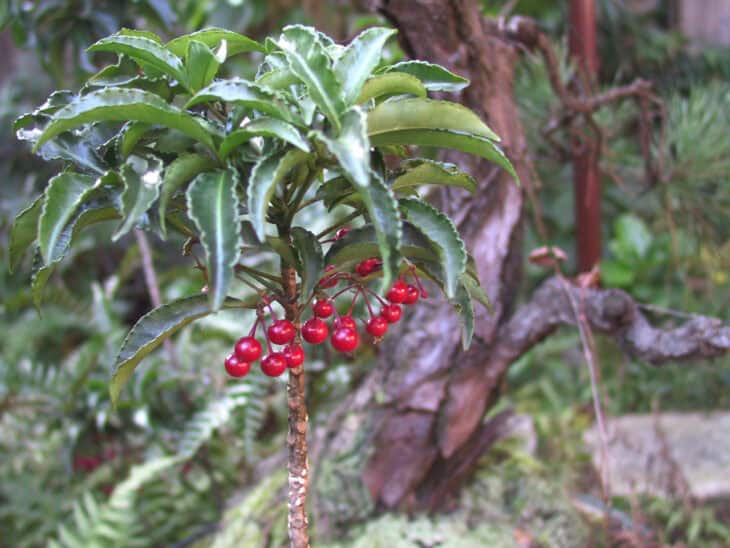
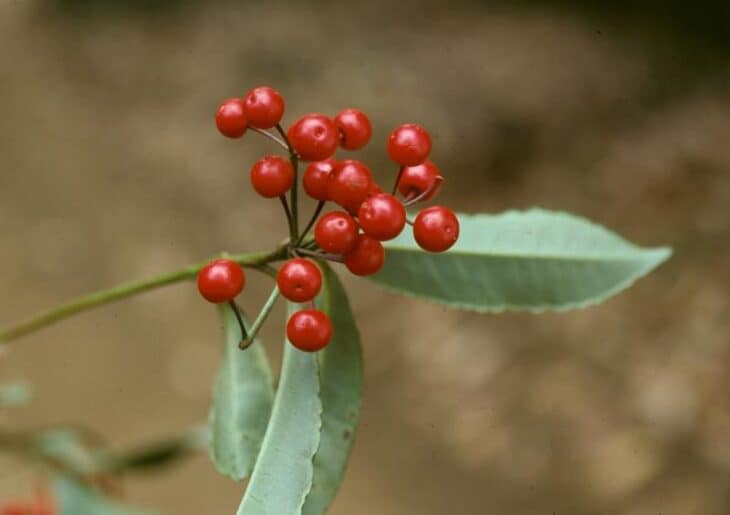
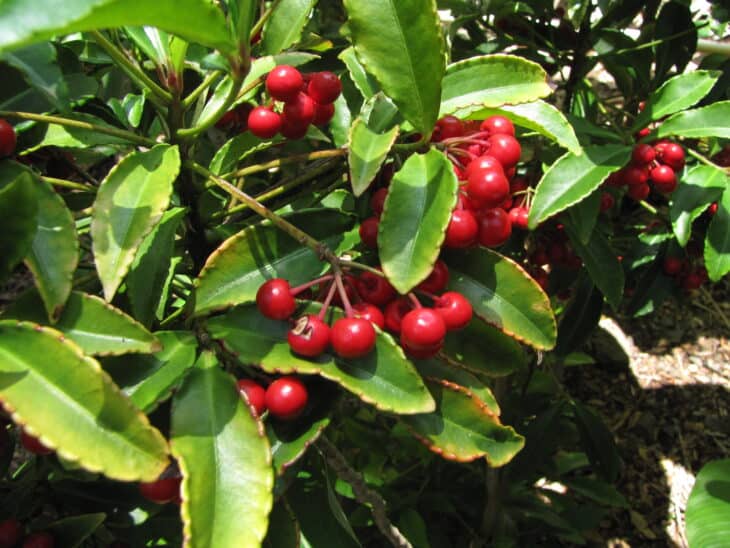
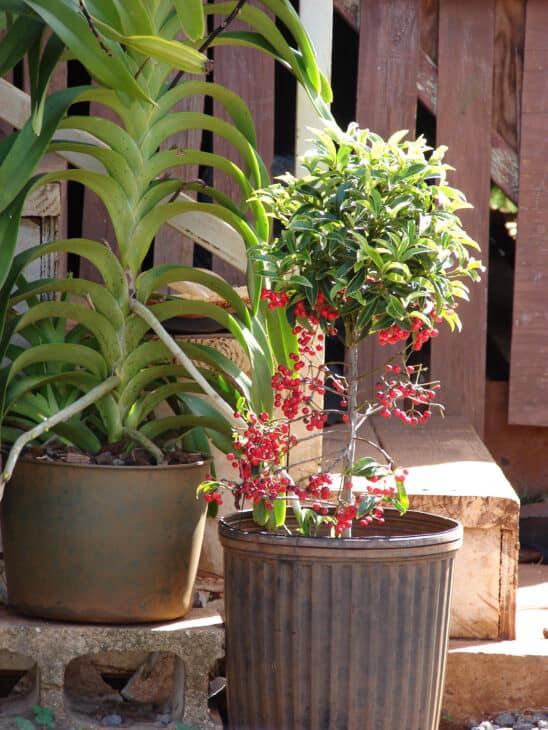
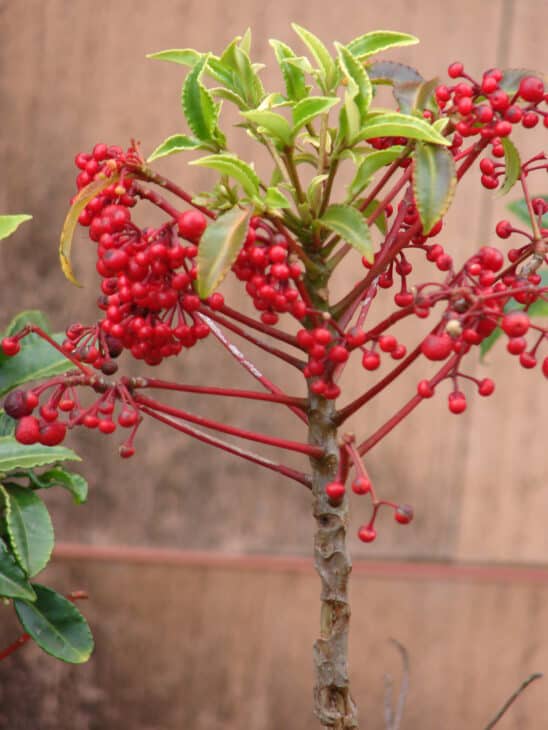
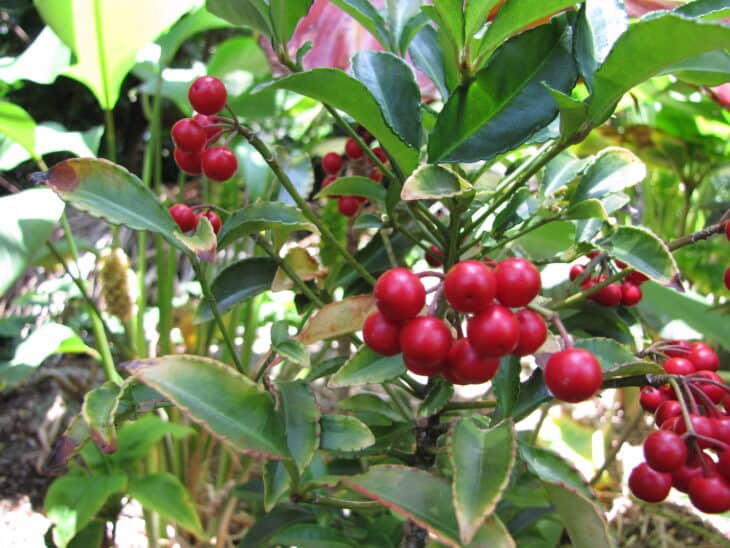
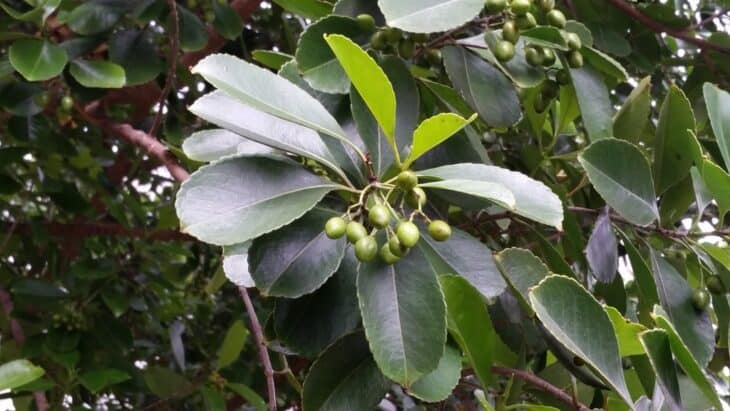
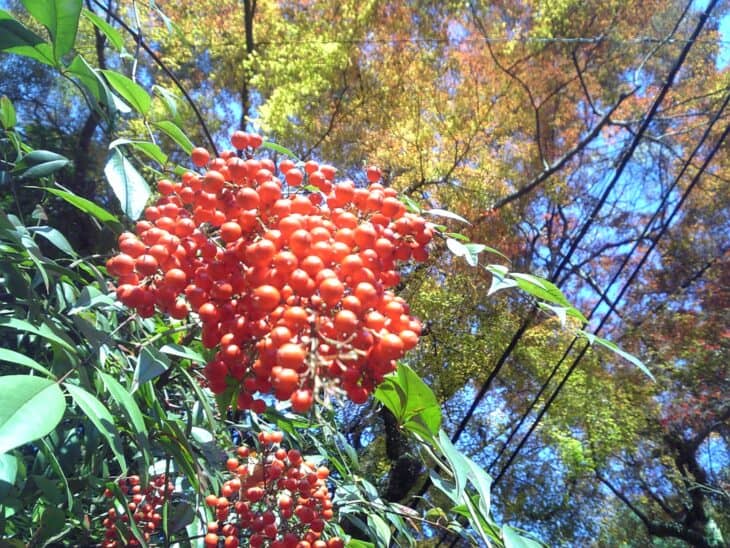
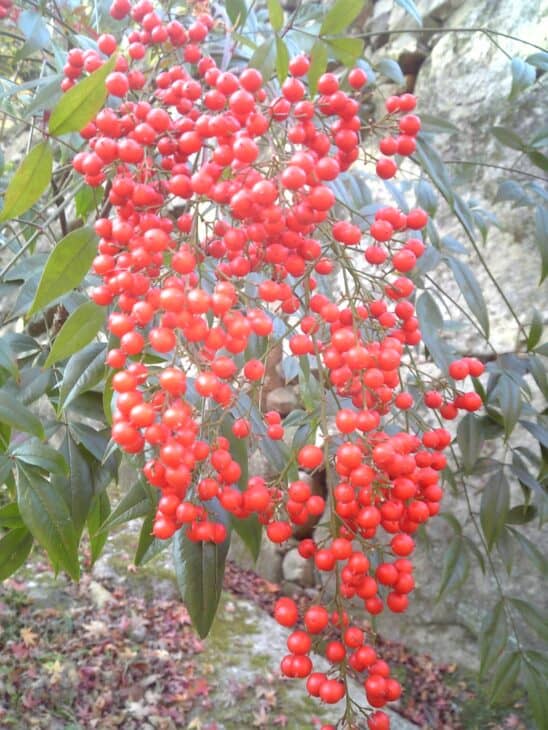
Leaves are glossy and leathery. Small white to pink flowers appear in summer and are followed by persistent red berries that ripen in late fall to winter. Plants typically reach about 1 to 4 feet tall and individual plants spread roughly 1 to 3 feet, although colonies can expand much farther by root suckers and seedlings. Birds eat the berries and disperse the seed.
Where to grow and best uses
Use Coral Ardisia in shaded to part sun settings as an understory shrub or low evergreen accent where its winter berries are visible. Avoid planting it near natural or wild areas because it is considered invasive in warm, humid regions and can form dense stands that shade out native plants.
Planting and spacing
Plant in a moist, well drained, humus rich site and allow room for the expected spread by spacing plants about 1 to 3 feet apart. Establish plants during cooler seasons in your local climate to reduce transplant stress. Avoid waterlogged locations where root problems can occur.
Watering and general care
Keep soil evenly moist until plants are established. In shaded sites plants tend to grow taller and more open. After flowering remove excess shoots to keep plants tidy and reduce chances for root sprouting.
After flowering and spread control
Because berries persist into winter and birds disperse seed, remove fruiting clusters and pull seedlings to limit naturalizing. Small plants can be hand dug taking care to remove roots and any suckers. Larger infestations often require repeated removal or targeted herbicide application following guidance from local extension or invasive species authorities.
Toxicity and wildlife
Berries are reported to be potentially harmful if ingested. Exercise caution around children and pets and consult an authoritative source for species specific toxicology in your area. Birds feed on the berries and are the main vector for seed spread.
Propagation
Reproduces by seed dispersed by birds and by clonal growth from roots or suckers. In cultivation it can be propagated from seed or stem cuttings. When propagating take care to prevent berries or seed heads from being left where birds can carry them into natural areas.
Frequently asked questions
- How fast does Coral Ardisia grow?
- Growth rate varies with site and climate. It can spread steadily by seed and by root suckers and may form dense colonies in favorable conditions.
- Is Coral Ardisia invasive?
- Yes it is considered invasive in warm, humid regions and can naturalize in shaded understories, displacing native plants.
- Are the berries toxic to pets?
- Berries are reported to be potentially harmful. Check authoritative local toxicology and pet safety resources for species specific guidance.
- Can I control Corall Ardisia by hand pulling?
- Hand pulling and digging out roots is effective on small plants. Remove seed heads and follow up for resprouts. Larger stands may need repeated management or herbicide applied according to local recommendations.
- Can it be used as a groundcover?
- It is used as a low evergreen groundcover or understory shrub where its spread is acceptable, but consider its invasive potential before planting near natural areas.
Gallery
Related Plants


Mentioned In (1)

Plants
24 Poisonous Plants in Florida
When we think about plants, we usually think about how magnificent and beautiful they are. They are a source of…