
Key Facts
- A succulent woody shrub native to South Africa.
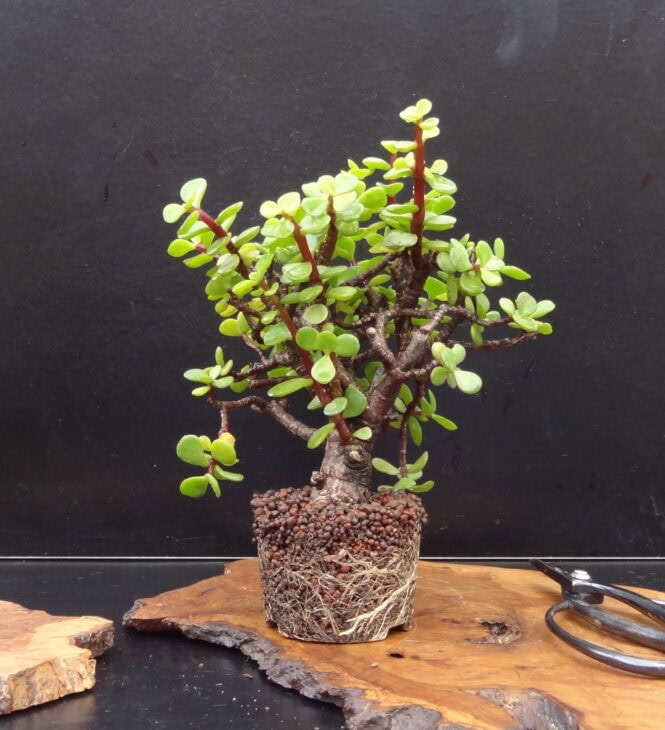
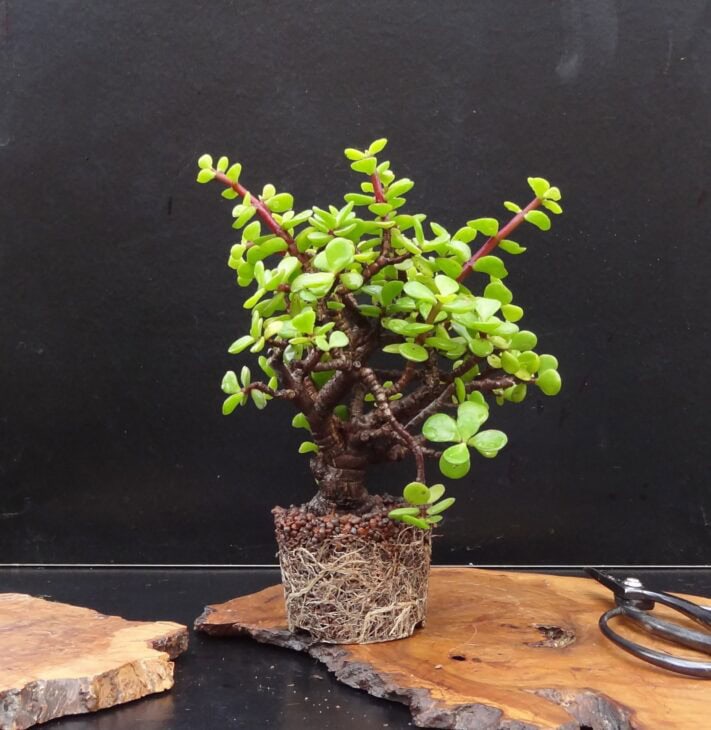
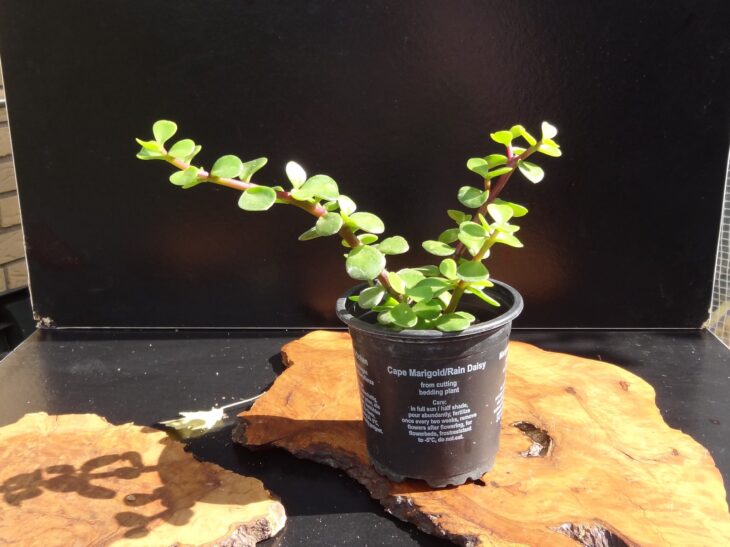
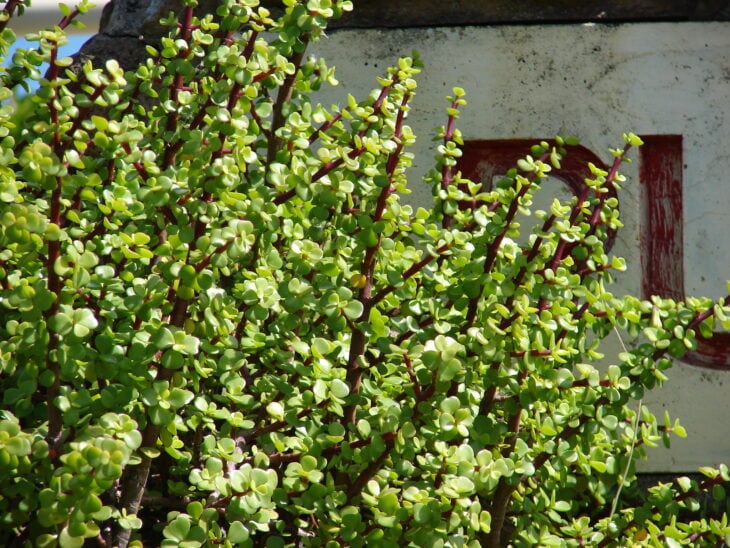
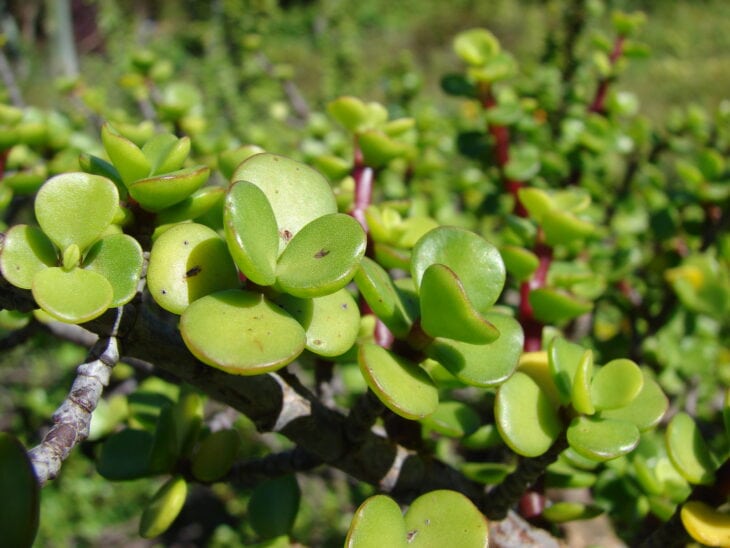
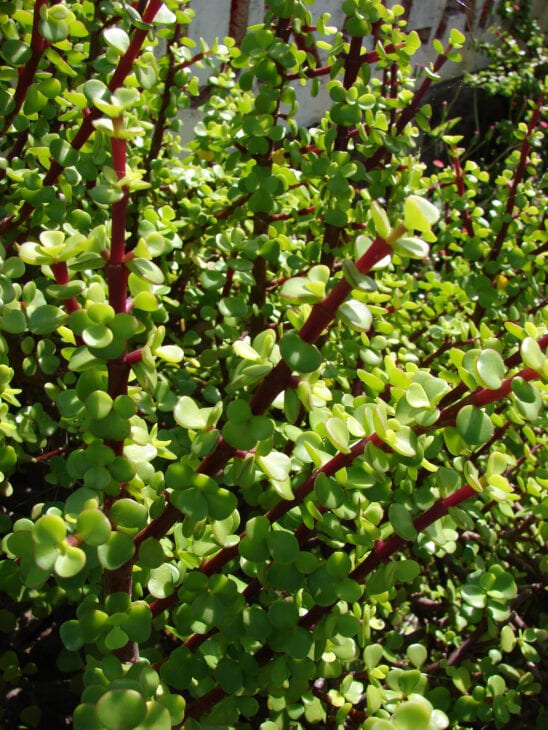
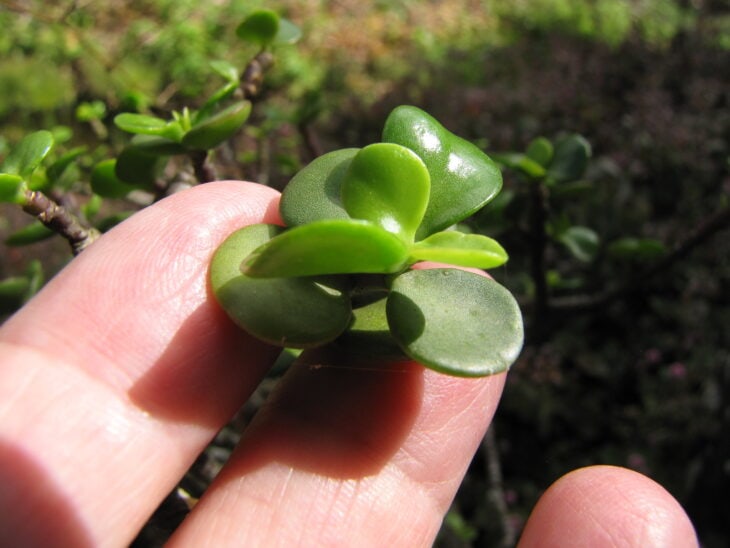
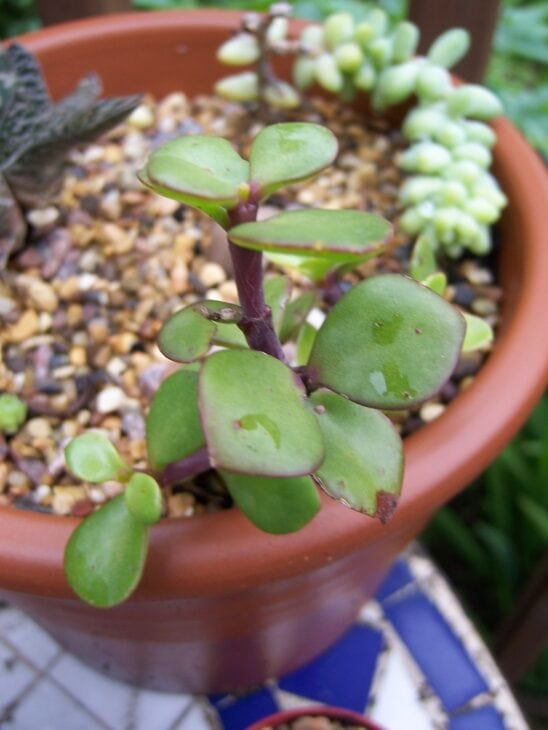
- Thick fleshy leaves on reddish stems.
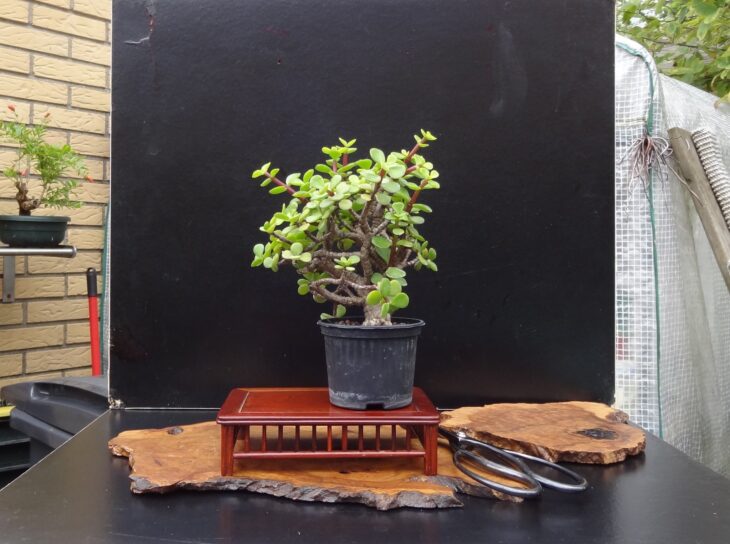
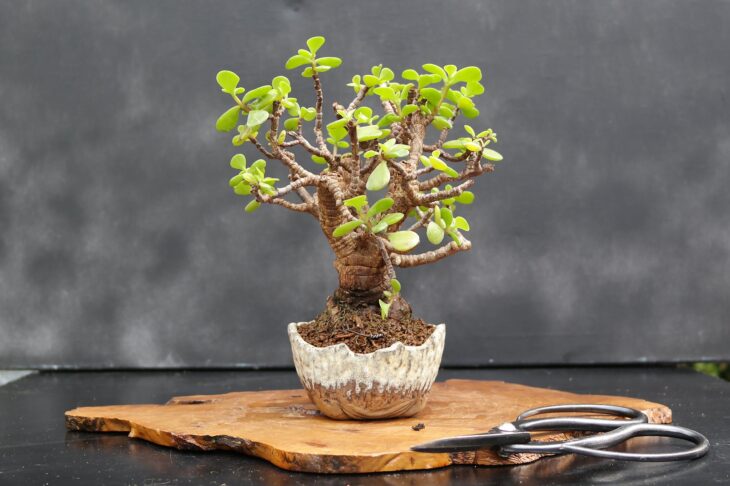
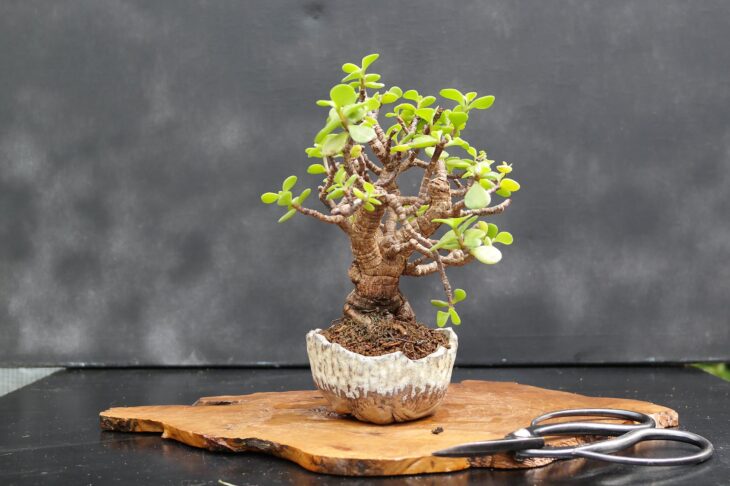
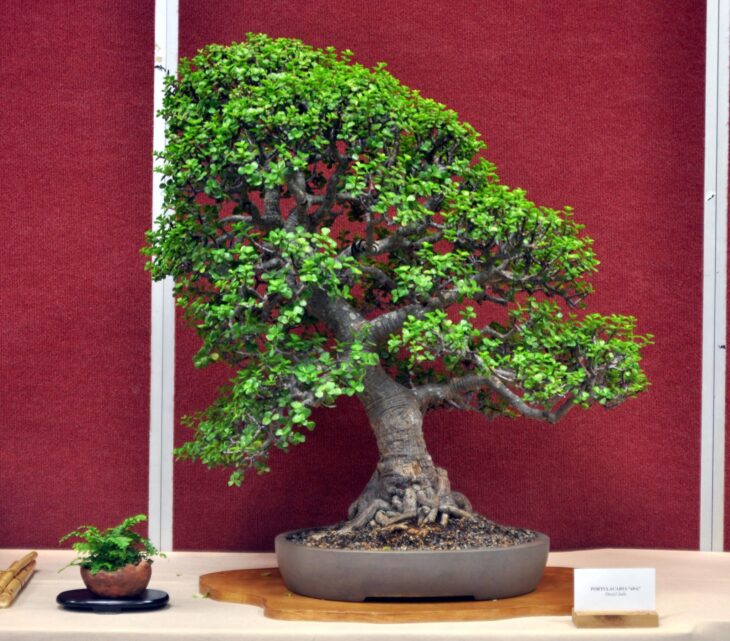
- Used as a bonsai subject and low hedge or groundcover in warm climates.
- Roots readily from stem cuttings.
- Tolerates drought once established.
- Prefers very well drained soil and will rots in waterlogged conditions.
- Performs best in full sun to part shade.
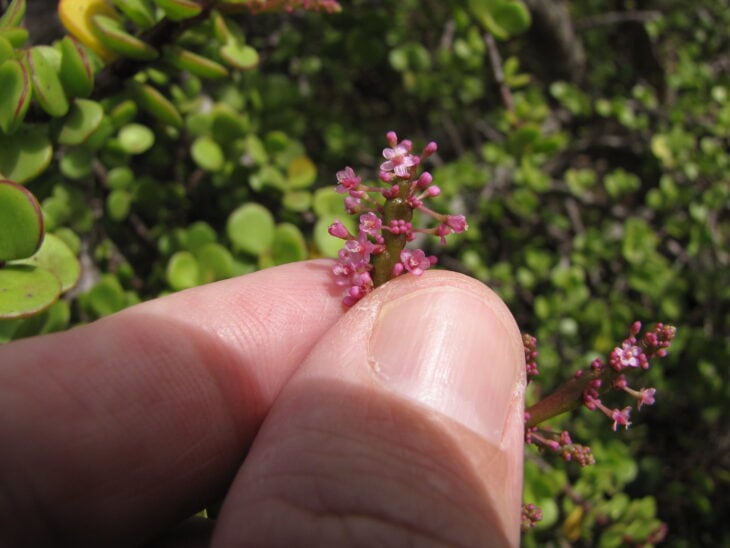
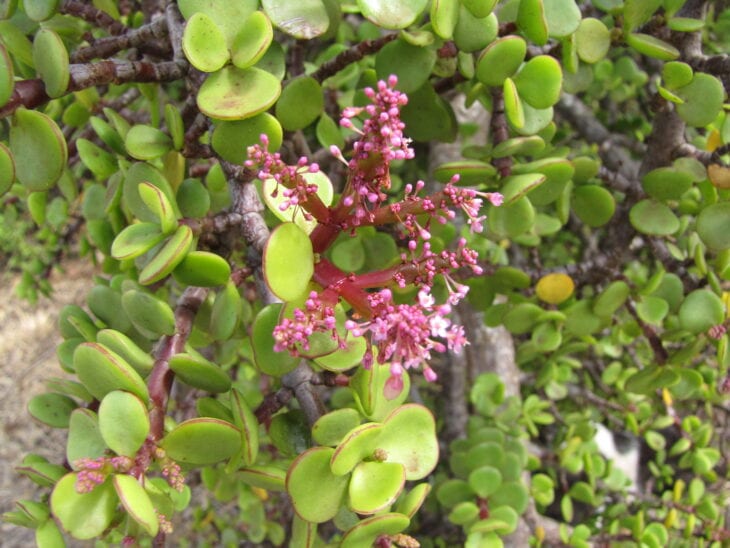
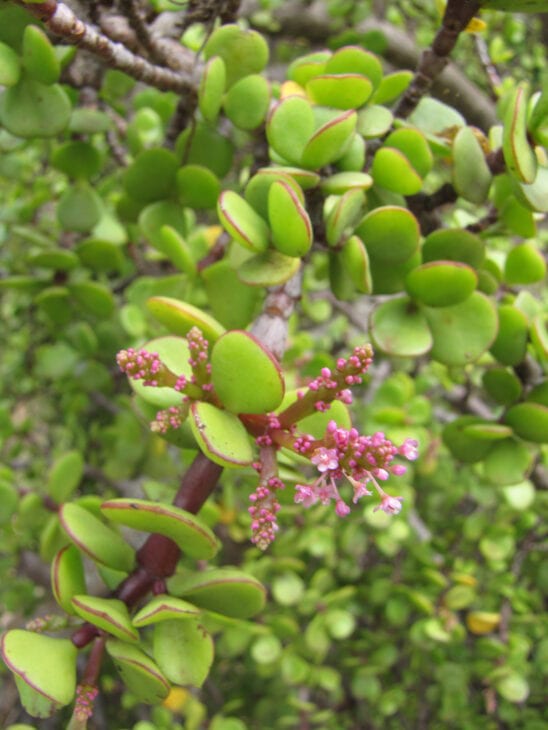
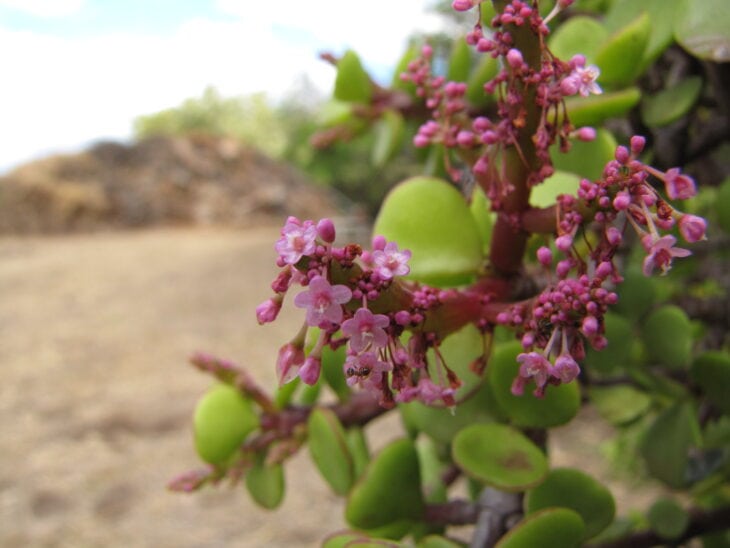
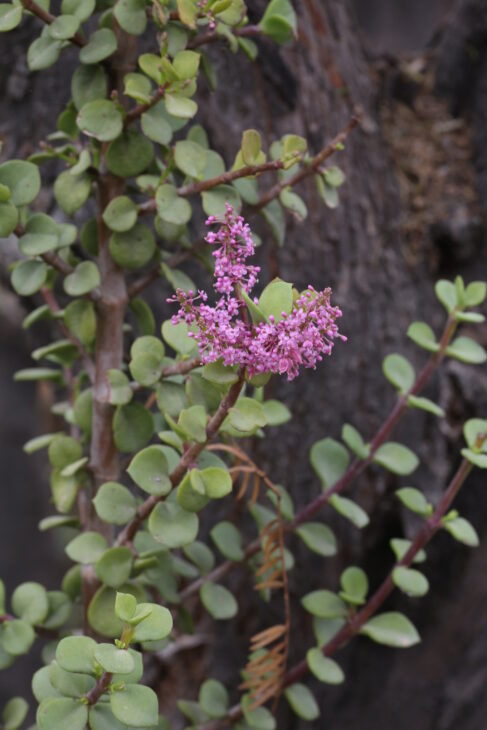
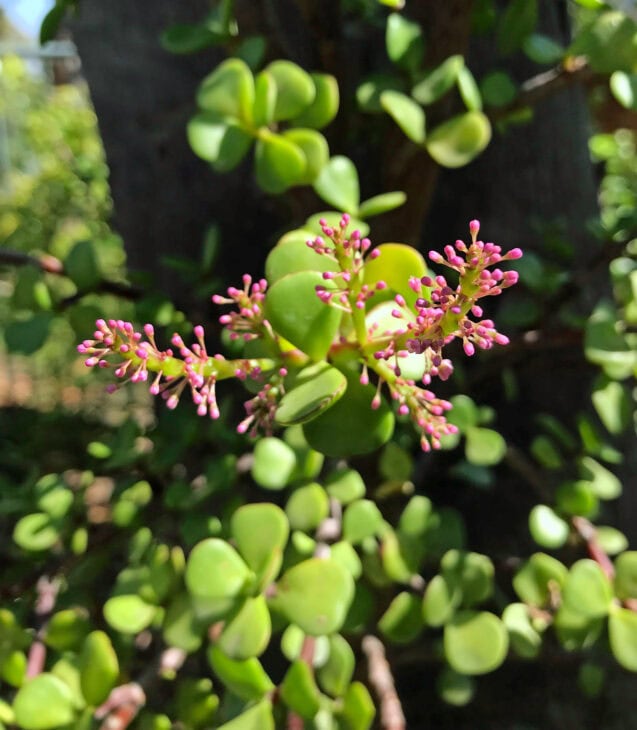
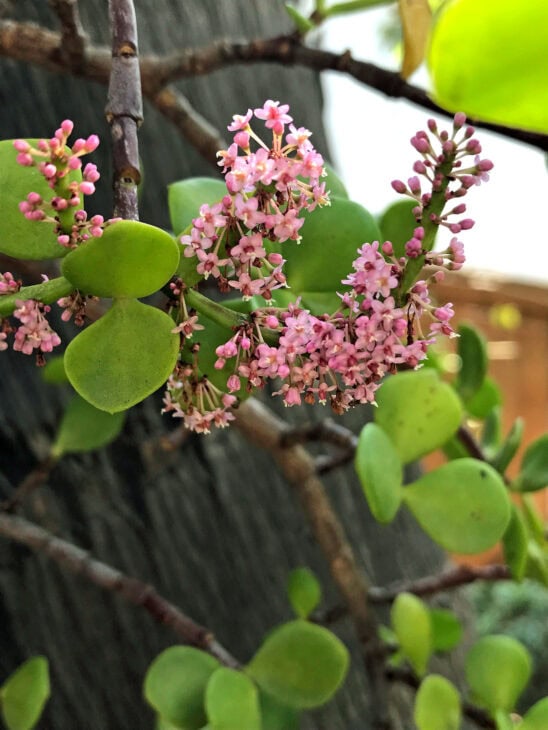
- Produces small pinkish flowers sporadically under favorable conditions.
- Generally considered non toxic to cats and dogs.
Dwarf Jade (Portulacaria afra) is a succulent shrub prized for its small fleshy leaves and ease of propagation. It is commonly grown as a container plant, bonsai, or low hedge in warm climates and tolerates drought once established.
Identification
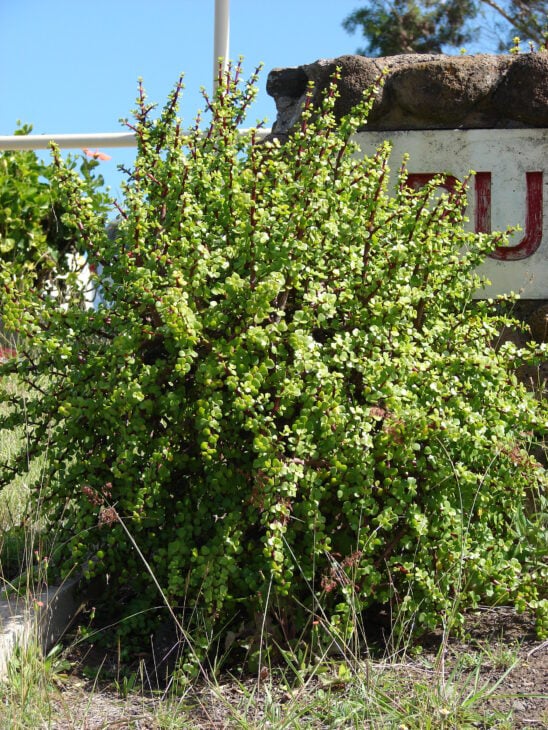
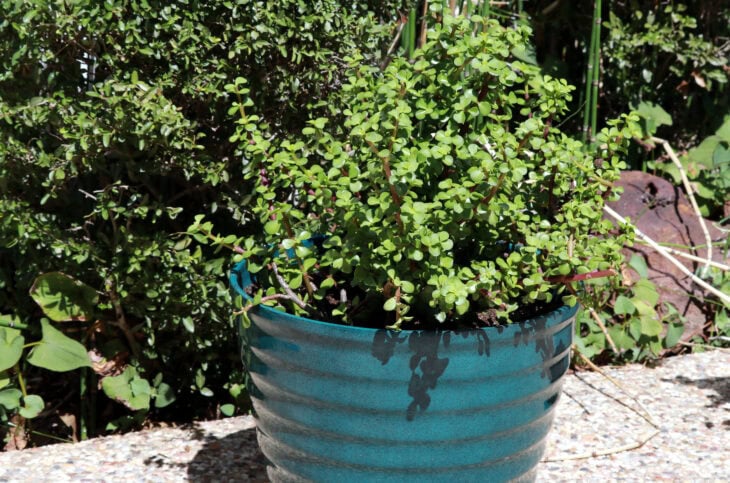
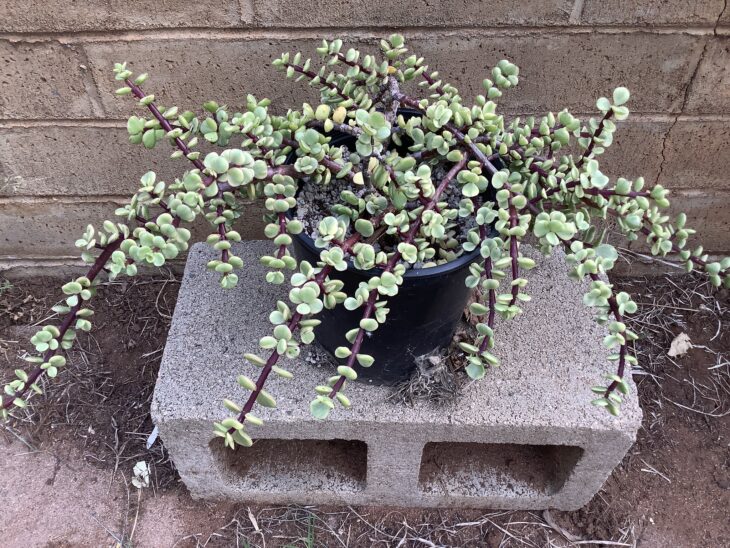
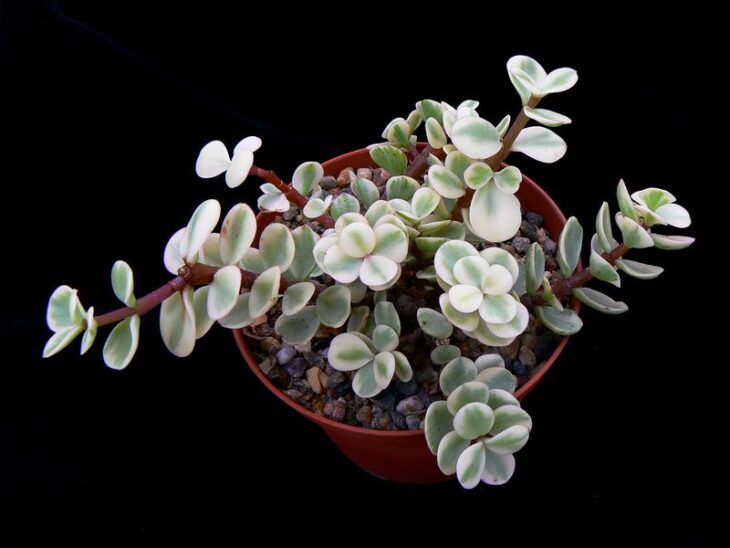
Portulacaria afra is a succulent woody shrub with thick opposite leaves and reddish to brownish stems. Small pinkish flowers appear sporadically in favorable conditions. Container and bonsai specimens typically stay 1 to 3 feet tall and wide while landscape plants can become larger if left unpruned.
Where to grow and best uses
Grow Dwarf Jade outdoors in warm climates and use it as a bonsai subject, low hedge or sprawling groundcover. In landscapes it performs well in USDA zones about 9b to 11. In cooler areas keep plants in containers and move them indoors for winter protection to avoid cold damage.
Planting and soil
Plant in very well drained sandy or gritty soil and avoid heavy clay or waterlogged sites that cause root rot. Use a gritty cactus or succulent mix for containers and add moderate organic matter only if drainage remains excellent. Install plants outdoors after frost risk has passed in your area.
Watering and maintenance
Dwarf Jade tolerates drought once established but needs regular water while rooting and growing. Let the topsoil dry between waterings and reduce moisture in winter to prevent rot. More sun keeps the plant compact and intensifies leaf color while shade can cause legginess and slower growth.
Propagation and container care
Propagate from stem cuttings that root readily after the cut ends are allowed to callus briefly. Plant cuttings in a free draining gritty mix. Indoor containers need bright light to avoid stretching and can be overwintered inside in colder climates to protect against frost.
After flowering and controlling spread
Flowers are small and seldom affect plant health. Prune lightly after flowering or at any time to shape bonsai forms and to limit spreading in the landscape. Regular pruning keeps the plant dense and prevents it from forming wide mats when used as a low hedge or groundcover.
Frequently asked questions
- How fast does Dwarf Jade grow?
- Growth is moderate. Container plants commonly reach 1 to 3 feet while landscape specimens can grow larger and spread depending on light and pruning.
- Is Dwarf Jade toxic to pets?
- Portulacaria afra is generally listed as non toxic to cats and dogs though succulent sap can irritate skin or cause mild stomach upset in sensitive animals.
- How often should I water Dwarf Jade?
- Water sparingly once established and allow soil to dry between waterings. Overwatering or poor drainage leads to root rot and leaf drop.
- How do I protect it in winter?
- In cold areas keep plants in containers and bring them indoors. Outdoors it is treated as tender and best in climates about USDA 9b to 11 unless fully protected.
- What is the easiest way to propagate it?
- Take hardwood or semi hardwood stem cuttings, let the ends callus, and root them in a gritty free draining mix for the best success.
Gallery
Related Plants

Mentioned In (1)
Trees
The Best Types of Bonsai Trees for Beginners
Bonsai doesn't demand a master's touch to thrive. Some species forgive missed waterings, tolerate low light, and actually improve when…