
Key Facts
- Perennial native to the southeastern United States.
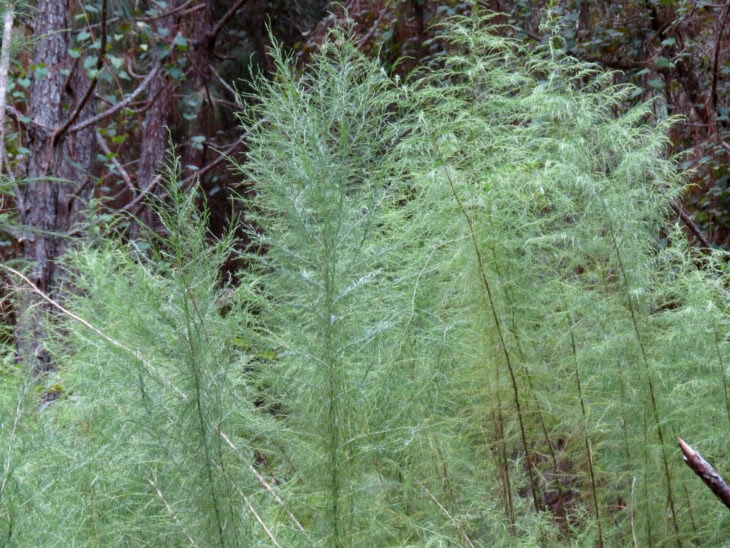
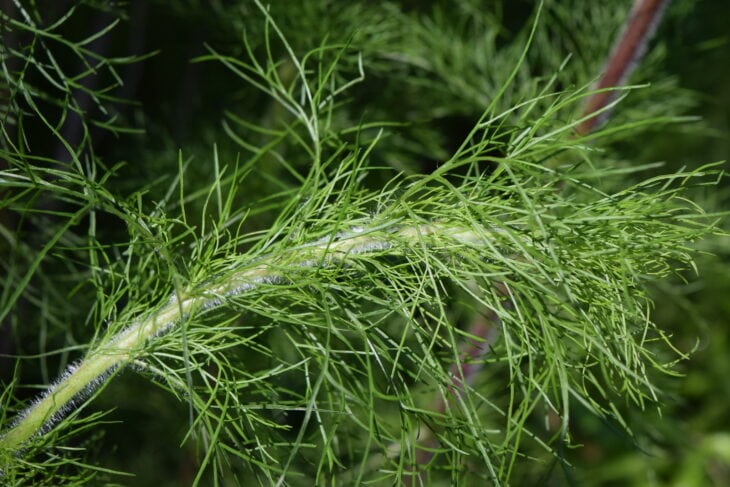
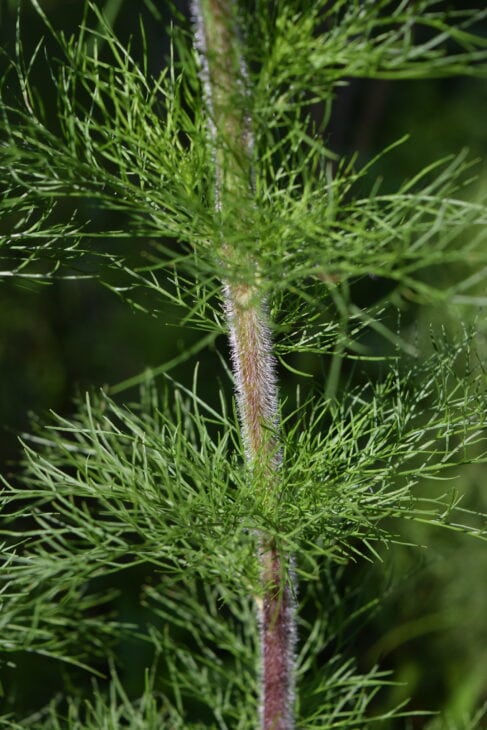
- Fine feathery, fennel like foliage that is aromatic when crushed.
- Produces flat clusters of small white flowers in late summer to fall.
- Can spread aggressively and behave as a weed in warm climates.
- Tolerates poor, dry soils and often grows in disturbed sites.
- Prefers full sun but tolerates light shade.
- Can be propagated by seed and by division or cuttings.
- Reported to contain compounds that may be toxic if ingested.
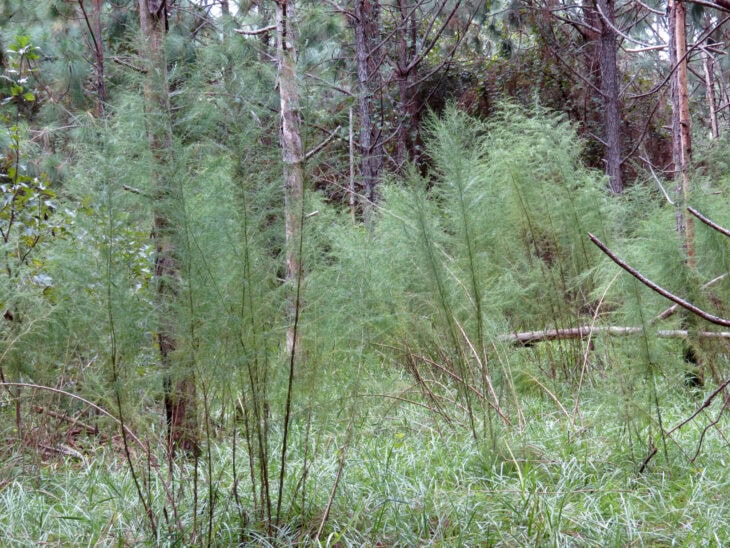
False Dill (Eupatorium capillifolium) is a perennial native of the southeastern United States with fine feathery, fennel like foliage and flat clusters of small white flowers in late summer to fall. It establishes readily in sunny disturbed sites and can be weedy in warm climates, so place it where spread is acceptable.
Identification
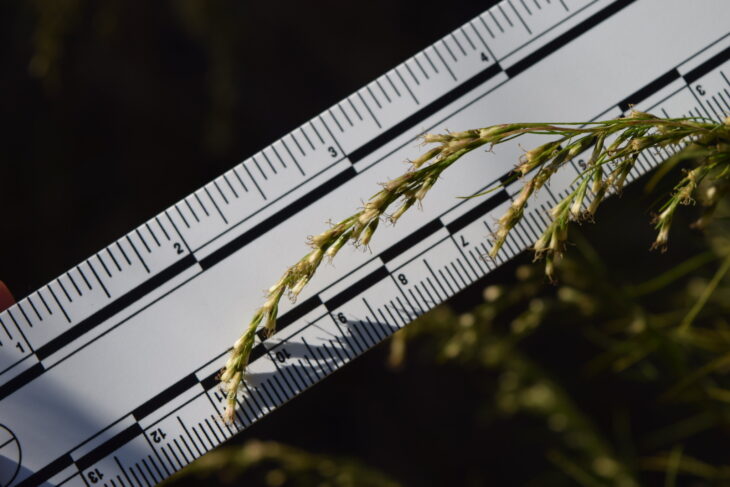
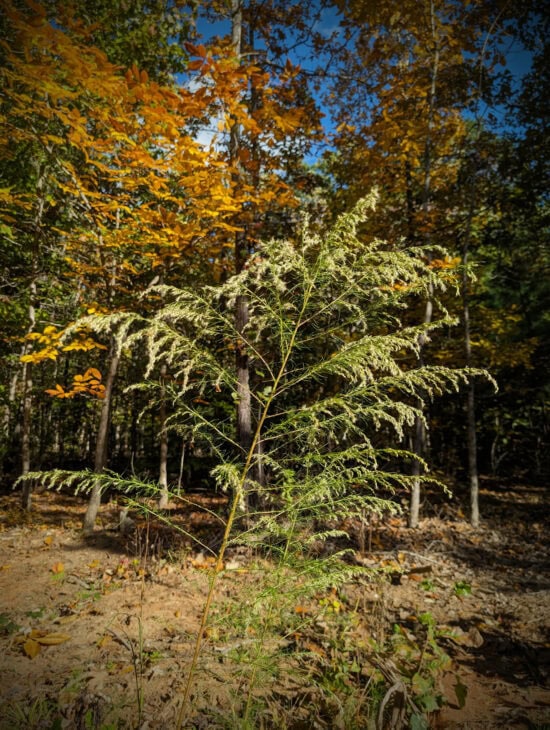
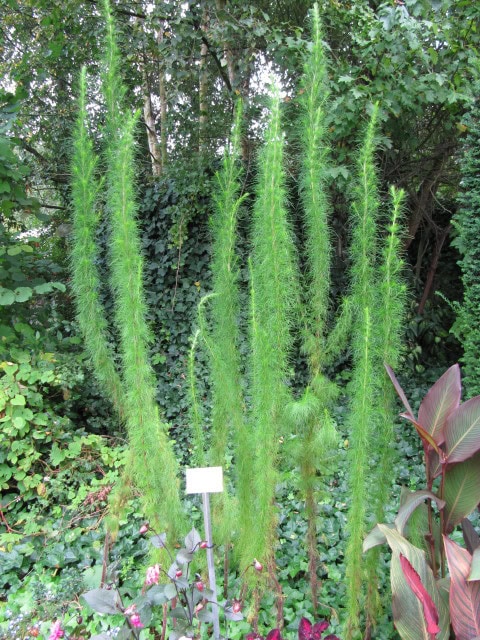
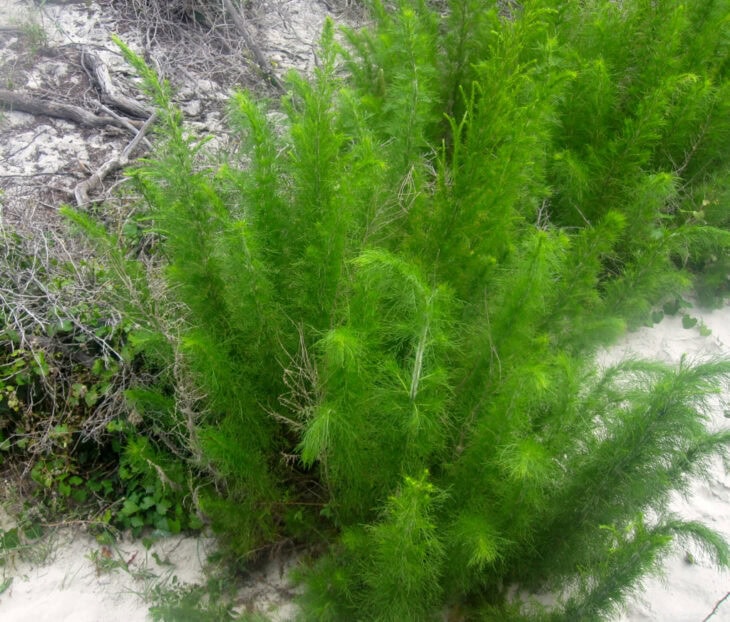
Eupatorium capillifolium has lacy, aromatic foliage that smells when crushed and produces flattened clusters of small white flowers from late summer into fall. Plants commonly reach 3 to 6 feet tall with clumps that spread roughly 2 to 4 feet, though vigor varies by site and climate.
Best uses and where to grow
Use False Dill in meadow mixes, naturalized borders, roadside buffer strips or sunny rough areas where a tall, airy texture is desired. It prefers full sun but tolerates light shade and does well on poor dry soils, which makes it useful on low input sites within USDA zones 6 to 9.
Planting and spacing
Propagate by seed, division or stem cuttings. Space plants about 2 to 4 feet apart to match the typical clump spread and reduce competition. Planting timing varies with local climate, so place transplants where they have room to develop without crowding more formal beds.
Water and soil
False Dill prefers well drained sandy to loamy soils and tolerates poor dry conditions common on disturbed sites. Avoid persistently waterlogged clay which reduces vigor. Once established plants tolerate drought, while regular moisture during establishment helps produce a denser habit and better flowering.
After flowering and maintenance
Deadhead spent flowers to reduce seed fall and limit unwanted spread. Divide congested clumps to rejuvenate growth and to propagate. Wear gloves when handling large amounts because the species is reported to contain compounds that may be toxic if ingested and prolonged contact may be best avoided.
Controlling spread and naturalizing
False Dill can spread aggressively and often behaves as a weed in warm climates, with seed the primary means of spread. To control patches remove seedlings, cut or mow before seeds develop and dig out persistent clumps. Monitor naturalized areas annually to prevent takeover of desirable plantings.
Frequently asked questions
- How fast does False Dill grow?
- It is often fast growing and can reach its typical 3 to 6 foot height in a single growing season under favorable warm site conditions.
- Is False Dill toxic?
- Reportedly the species contains potentially toxic compounds. Avoid ingestion and consult a poison control or extension toxicology source for specific risks to people, pets or livestock.
- How should I propagate False Dill?
- Propagate by seed, division of clumps or softwood stem cuttings. Seed is a common means of spread in the landscape, so handle seed heads with care if you wish to prevent self sowing.
- Will False Dill invade other plantings?
- Yes it can naturalize and form colonies, especially in warm sunny sites. Use deadheading, removing seedlings and periodic digging to keep it from overtaking smaller cultivated beds.
Gallery
Related Plants


Mentioned In (1)

Plants
6 Plants That Look Like Dill
In Biblical times, dill was valued highly enough to serve as payment for taxes. Today, dill remains a popular garden…