
Key Facts
- Succulent forming low growing rosettes and trailing mats.
- Leaves are pale gray green and may blush pink or purple in strong sun.
- Native to Mexico and adapted to dry conditions.
- Drought tolerant once established.
- Does well in containers, hanging baskets, and rock gardens.
- Produces star shaped cream to pink flowers in spring to summer.
- Easily propagated from leaves, offsets, or stem cuttings.
Ghost Plant (Graptopetalum paraguayense) is a pale gray green succulent that forms low rosettes and trailing mats, prized for containers and rock gardens but vulnerable to soggy soil. It tolerates drought once established and shows pink or purple blush in bright light, while very hot afternoons may require some shade.
Identification
Low growing succulent with rosettes 2 to 6 inches tall and a natural spread of about 12 to 18 inches, making mats or trailing clumps. Leaves are pale gray green and often blush pink or purple in strong sun. Plants produce star shaped cream to pink flowers in spring to summer.
Best uses and where to grow
Use as a trailing plant in hanging baskets, a colorful container specimen, or a groundcover in rock gardens and dry sunny slopes. Suitable for outdoor year round culture in USDA zones 9 to 11, and in cooler climates it is best kept in containers and brought indoors when frost threatens.
Planting time and spacing
In frost free areas plant any time. In locations with winter frost wait until after the last hard frost to plant outdoors. Space plants roughly 12 to 18 inches apart to allow mats to fill in and to maintain air flow. Set rosettes so they sit at soil level to avoid trapping moisture against stems.
Soil and light
Use a very well drained sandy or cactus potting mix with neutral to slightly acidic pH. Good drainage is critical because heavy clay or waterlogged soils cause root rot. Provide full sun to part shade; bright light produces compact growth and stronger leaf color. In very hot climates give some afternoon shade to prevent sunburn.
Watering and visible signs
Allow the soil to dry between waterings. Established plants are drought tolerant and tolerate infrequent water. Overwatering leads to soft, mushy leaves and root rot while underwatering causes wrinkled, shriveled leaves. Increase water slightly during active spring and summer growth and reduce it in cooler or dormant periods.
After flowering care
Remove spent flower stalks to tidy the plant and to redirect energy into vegetative growth. Trim leggy stems and use the cuttings to propagate. Continue to ensure fast draining soil and moderate water. If foliage thins after bloom, separate and replant offsets to refresh the clump.
Containers and propagation
Performs well in shallow containers and hanging baskets where excess water drains freely. Propagate easily from leaves, offsets or stem cuttings. Allow leaves or cut stems to dry and callus briefly before placing on gritty soil to reduce rot. Repot when crowded or to refresh the growing medium.
Spread and naturalizing control
Forms trailing mats that can naturalize in warm dry sites. Control spread by thinning clumps, removing excess offsets, or lifting and dividing mats. Regular pruning and spacing prevent overrun planting beds. In containers remove and replant offsets to manage size and keep the display tidy.
Frequently asked questions
- How fast does Ghost Plant grow?
- Growth rate varies with light moisture and temperature. Under bright light and good drainage it produces offsets and can fill a 12 to 18 inch area in a single growing season, while slower growth occurs in lower light.
- When does Ghost Plant bloom?
- Bloom occurs in spring to summer, with exact timing varying by climate and local conditions.
- How do I propagate Ghost Plant?
- Use leaf propagation stem cuttings or offsets. Allow cut surfaces to callus before planting on gritty well drained mix to prevent rot.
- How do I protect Ghost Plant in winter?
- In USDA zones 9 to 11 plants can remain outdoors. In colder areas grow in containers and move plants indoors or to a protected spot before frost.
- Is Ghost Plant toxic to pets?
- Authoritative toxicology listings are not definitive. Check with local poison control or the ASPCA for up to date pet safety information.
Related Plants


Mentioned In (1)
Plants
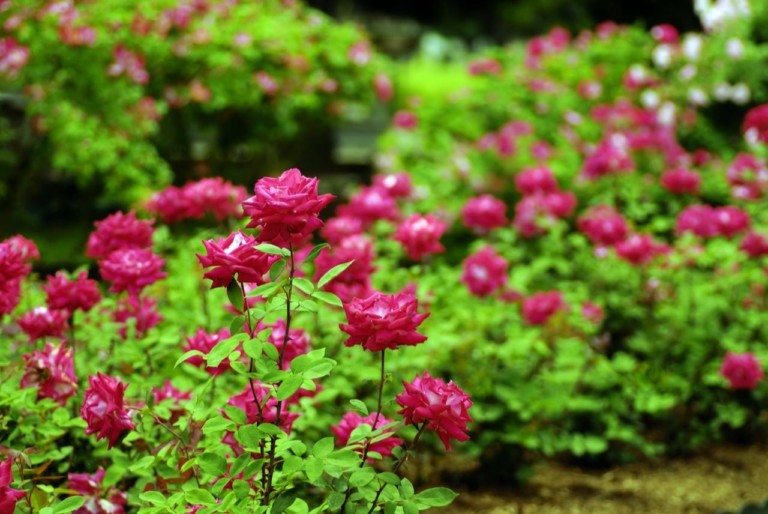
9 Plants That Look Like Roses
Roses are a classic choice for gifts and gardens, but they’re not the only plants that can deliver that layered,…