
Key Facts
- A spring blooming native wildflower in the carrot family.
- Produces umbels of small yellow flowers that attract pollinators.
- Native to eastern and central North America.
- Prefers moist to mesic soils and tolerates occasional wet sites.
- Grows as a clump forming perennial from a short rootstock.
- Flowers are produced in spring then set seed and die back in summer.
- Does well in full sun to part shade.
- Propagation is primarily by seed and by dividing established clumps.
Golden Alexander is a clump forming native perennial in the carrot family that produces umbels of small yellow flowers each spring. It draws bees and other pollinators and then sets seed before the foliage dies back for summer.
Identification
Golden Alexander bears flat umbels of bright yellow, five-petaled flowers above dissected, carrot-like leaves. Plants typically reach about 12 to 24 inches tall and form loose clumps roughly 12 to 18 inches across. Bloom occurs in spring, generally April to June in the Northern Hemisphere.
Best uses and where to grow
Use Golden Alexander in native plantings, pollinator borders, rain gardens and moist meadow edges where spring color is wanted and later summer dieback is acceptable. It is native to eastern and central North America and is typically grown in USDA zones 3 to 8, performing well in full sun to part shade.
Planting and spacing
Place plants where soil stays moist to mesic and allow 12 to 18 inches between clumps to accommodate their natural spread. Established clumps can be divided in spring if crowded. Seed is commonly used for establishment but division in spring gives quicker site presence from older plants.
Watering and soil
Golden Alexander prefers moist to mesic soils and tolerates occasionally wet sites. In consistently dry soils plants become stunted and may not flower reliably. Conversely, soils that remain waterlogged for long periods can rot crowns, so aim for consistent moisture without permanent saturation.
After flowering care
Plants produce flowers in spring, set seed and then fade by summer. Remove spent flowerheads if you want to limit self-seeding; leave some seedheads to support early-season pollinators and to allow slow naturalizing. Trim back summer dieback and tidy the clump in early spring before new growth emerges.
Naturalizing and spread control
Golden Alexander forms clumps and increases slowly by self-seeding in favorable sites. Control naturalizing by deadheading before seeds mature or by removing seedlings. Clump division in spring reduces crowding without encouraging rapid spread.
Propagation
Propagation is most reliable by seed and by dividing established clumps in spring. Seed readily self-sows in suitable conditions. When dividing expect slower recovery the first season as plants re-establish from a short rootstock.
Frequently asked questions
- How fast does Zizia Aurea grow?
- It typically reaches its 12 to 24 inch height each spring and expands slowly by clumping and occasional self-seeding.
- When does Golden Alexander bloom?
- Bloom is in spring, generally from April through June in the Northern Hemisphere, shifting earlier in warmer climates.
- Can it be grown in part shade?
- Yes. It does well in full sun to part shade and benefits from some afternoon shade in hotter, drier regions.
- How do I control self-seeding?
- Deadhead or remove seedheads before seeds ripen and pull seedlings where they appear to limit spread.
- Is it safe for pets and children?
- Safety information varies; check local poison control or the ASPCA before assuming it is safe for pets or sensitive individuals.
Related Plants


Mentioned In (1)
Plants
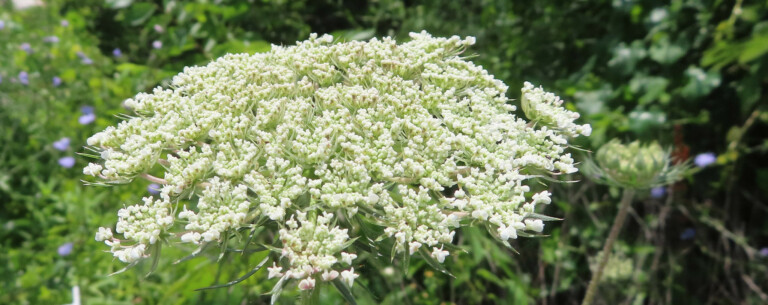
6 Plants That Look Like Queen Anne’s Lace
Queen Anne's lace, or Daucus Carota, is a flower native to Europe, and its tiny white flowers look like lace.…