
Key Facts
- An annual or short-lived herb commonly found in disturbed soils and gardens.
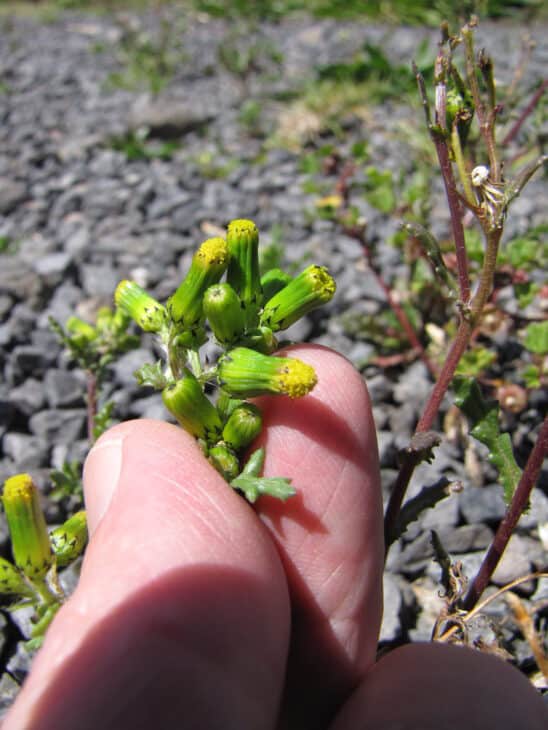
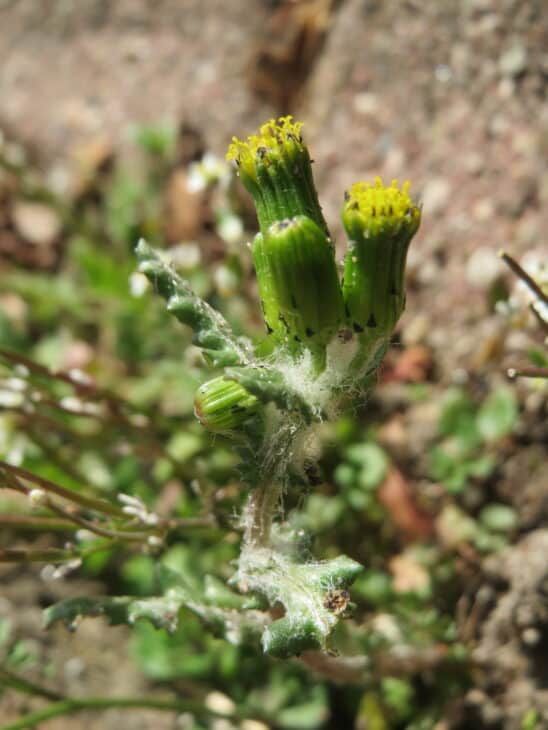
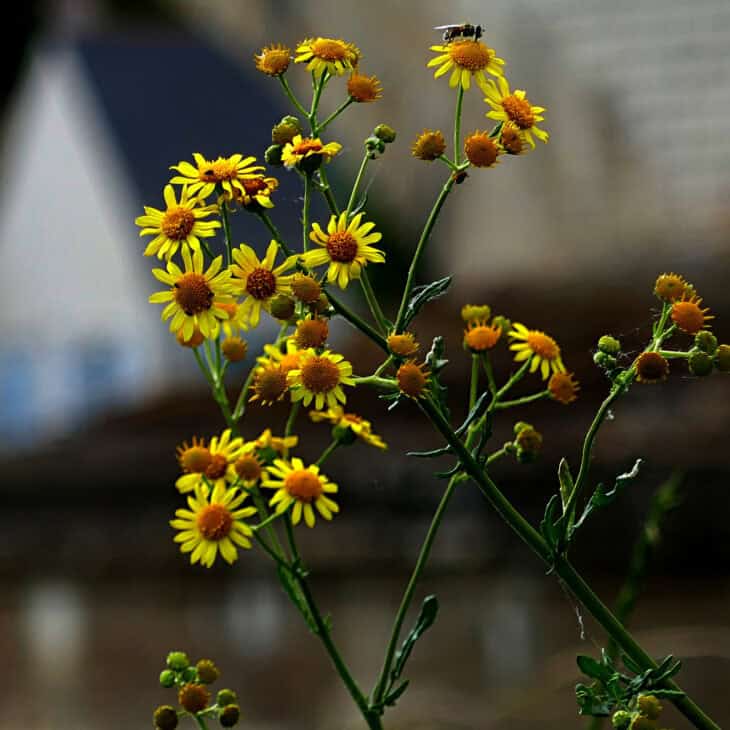
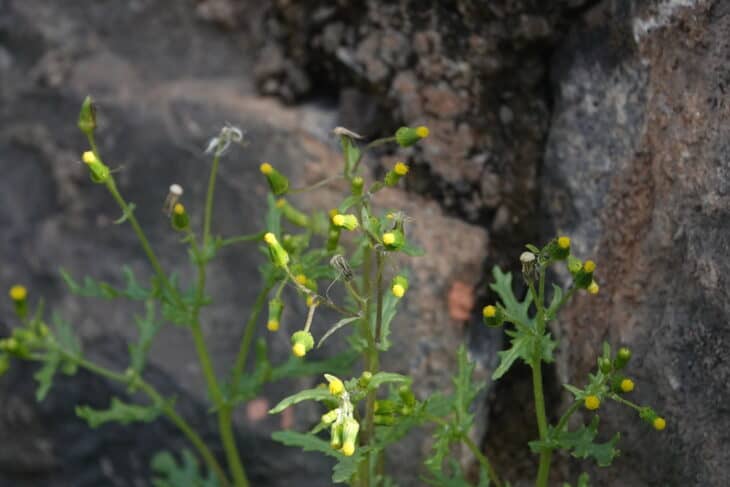
- Produces small yellow, button-like flower heads that often lack visible ray florets.
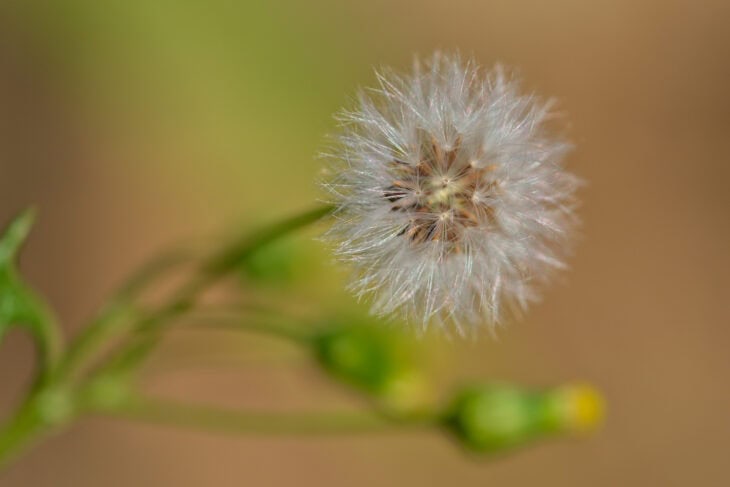
- Reproduces mainly by prolific self-seeding from many small wind-dispersed seeds.
- Tolerates a wide range of soils including poor and compacted ground.
- Grows in full sun to partial shade.
- Can flower spring through autumn and year-round in mild climates.
- Contains pyrrolizidine alkaloids that can cause liver damage if ingested.
- Often behaves as a persistent weed rather than a cultivated plant.
Groundsel is a small annual or short-lived herb common in disturbed soils and garden beds. It produces many wind-dispersed seeds and can bloom much of the year in mild climates, making it a persistent volunteer where soil is exposed.
Identification
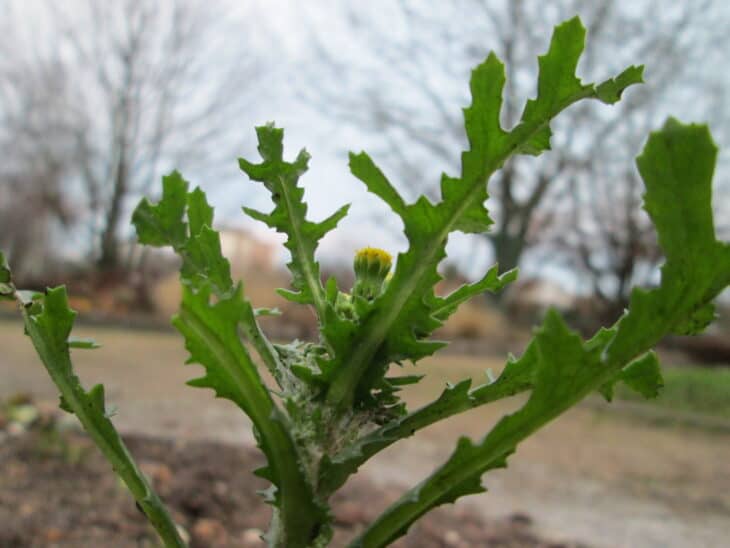
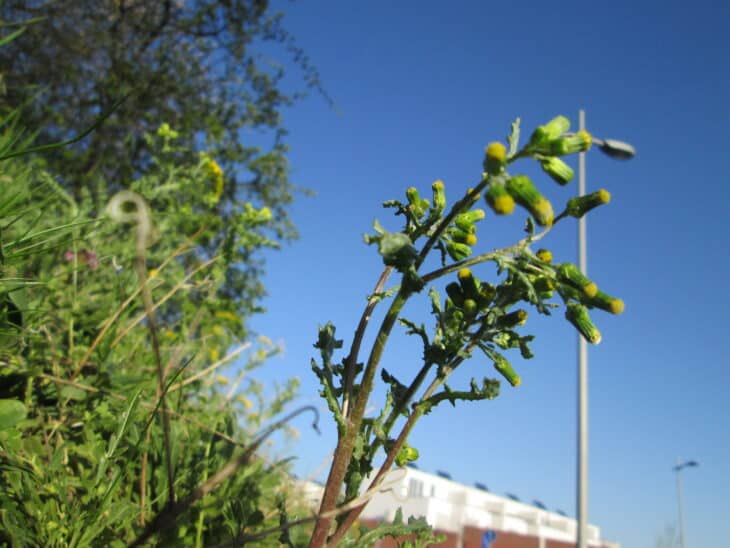
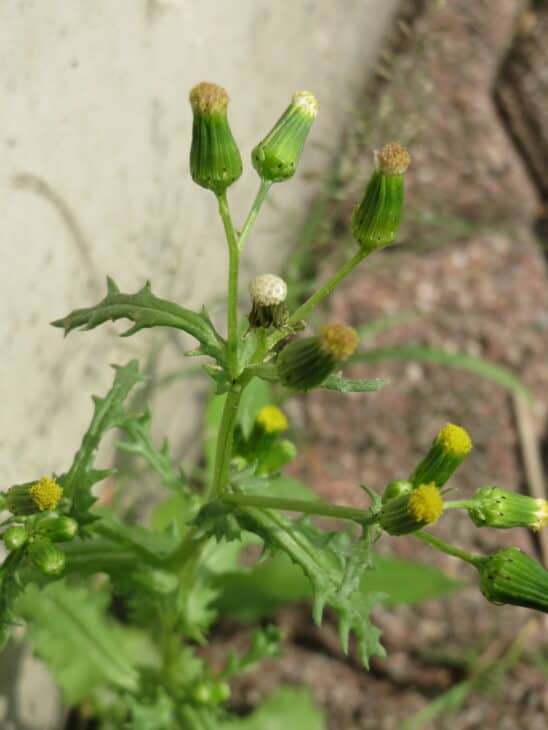
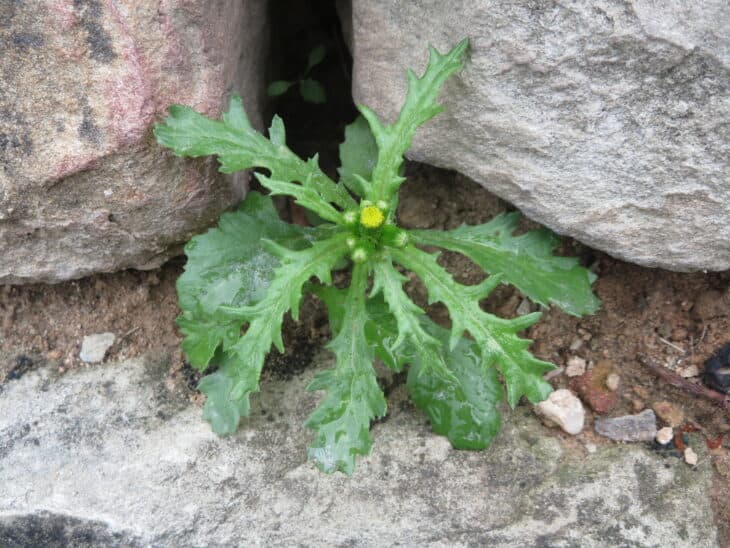
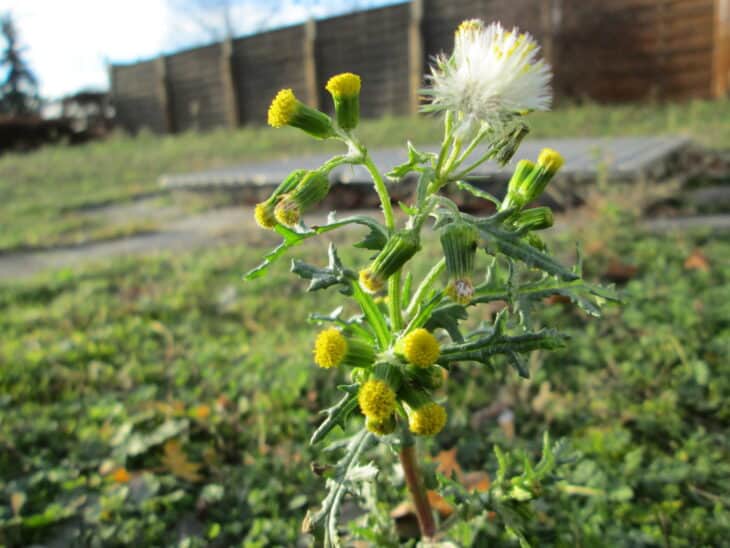
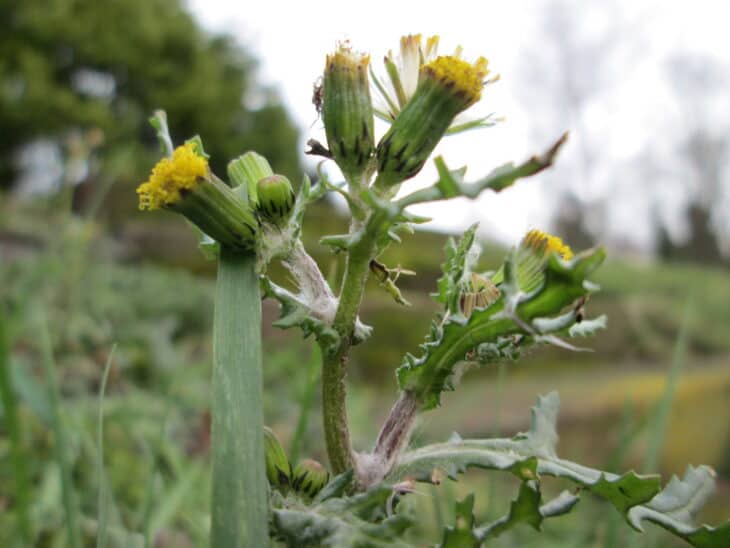
Groundsel is a low upright herb typically 2 to 12 inches tall with a similar spread, forming small clumps from successive seedlings. Flower heads are small and yellow and often lack obvious ray florets, appearing as button-like clusters that quickly produce fluffy, wind-borne seed heads.
Where to grow and best uses
This species tolerates a wide range of soils including poor and compacted ground and grows in full sun to partial shade. Its ability to establish in disturbed patches can provide rapid green cover, but prolific self-seeding and the plant’s toxic alkaloids make it unsuitable for intentional planting in most home gardens.
Planting and seasonal care
Groundsel spreads almost entirely by seed so management centers on preventing seed set rather than planting technique. It blooms from spring through autumn and can flower year-round in mild climates. Space and density mirror its natural spread of about 2 to 12 inches; removing flower heads prevents new seedlings and reduces naturalizing.
Watering and soil
The plant tolerates a wide soil range from sand to clay and establishes with minimal care on low fertility sites. It prefers reasonably well-drained ground but will grow in heavy or disturbed soils. Long-term waterlogged conditions tend to reduce plant vigour while short dry spells rarely prevent establishment.
After-flowering care and control
To limit spread cut or remove flower heads before seeds fluff out and pull young rosettes while soil is soft. Avoid adding seed heads to compost. Wear gloves if handling large numbers since Senecio species can irritate sensitive skin and contain pyrrolizidine alkaloids that are harmful if ingested by people or animals.
Spread and naturalizing
Groundsel persists by prolific self-seeding and tiny wind-dispersed seeds that germinate readily in disturbed soil. Plants survive across a wide climatic range by reseeding, with presence reported in USDA zones 4 to 10, so expect repeated emergence unless seed production is interrupted.
Frequently asked questions
- How fast does Groundsel grow?
- It grows quickly as an annual or short-lived herb and sets many seeds in a single season, allowing rapid colonization of disturbed soil, especially in warm conditions.
- Is Groundsel toxic to pets and livestock?
- Yes. Senecio vulgaris contains pyrrolizidine alkaloids that can cause liver damage if ingested. Severity depends on amount and species; consult local veterinary or poison control resources for specific risks.
- What is the best way to stop it spreading?
- Prevent seed set by cutting or removing flower heads, hand-pull seedlings before they set seed, and avoid leaving seed heads where wind can carry them. Mulch and maintain dense plant cover to reduce bare soil that encourages germination.
- Can Groundsel be used as an ornamental?
- Generally no. It is usually considered a persistent weed rather than a cultivated ornamental because of its small, insubstantial flowers, prolific seeding and toxicity concerns.
- Will it grow in heavy clay or compacted soil?
- Yes. Groundsel tolerates poor and compacted soils and readily establishes where many garden plants struggle, which contributes to its persistence in disturbed areas.
Gallery
Related Plants


Mentioned In (1)

Plants
24 Poisonous Plants in Tennessee
Interested in learning about the poisonous plants in Tennessee to protect yourself when hiking the great outdoors in the state?…