
Key Facts
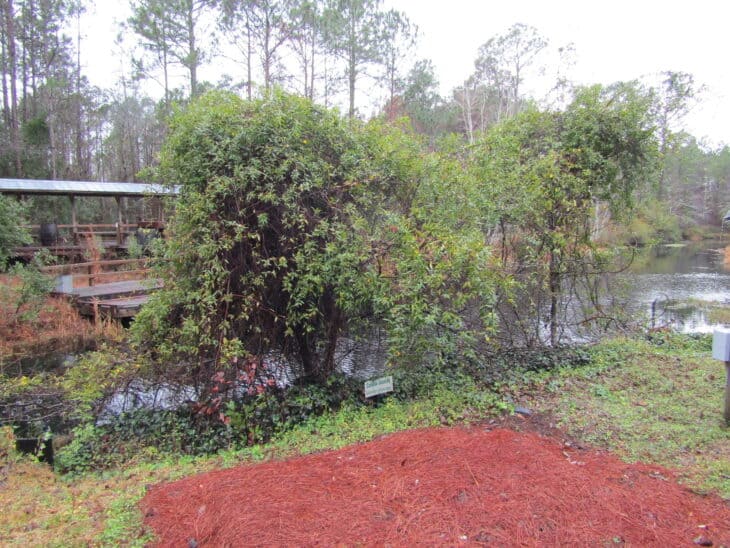
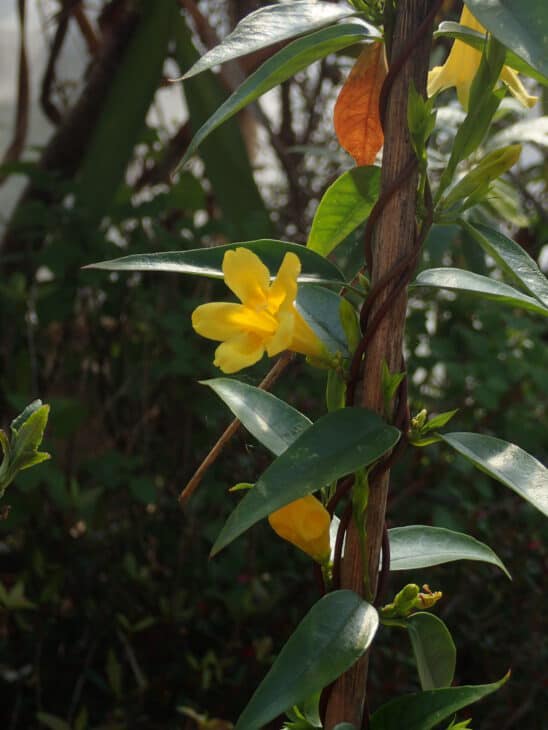
- Evergreen woody twining vine native to the southeastern United States.
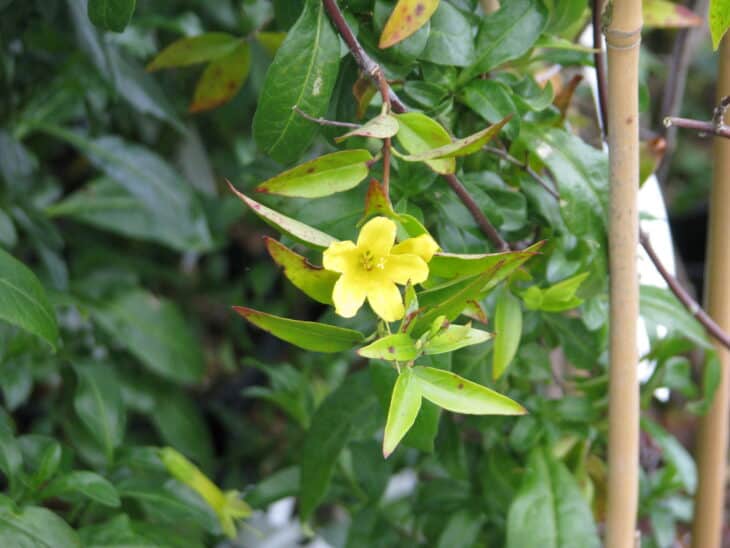
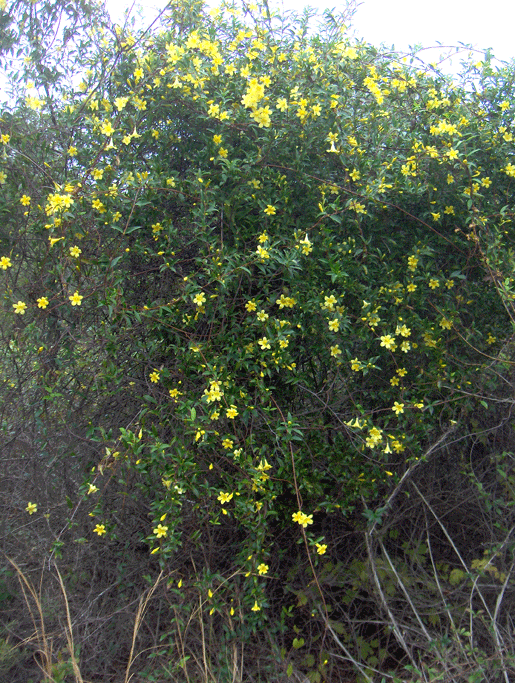
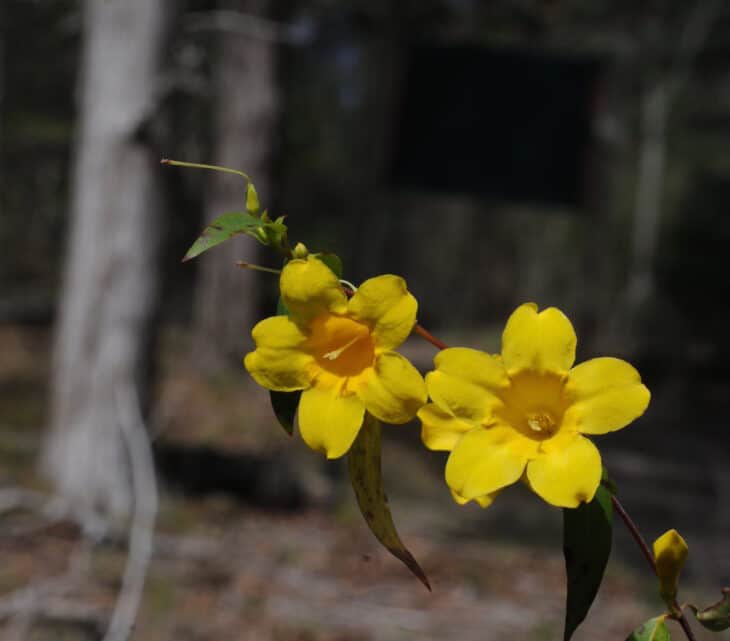
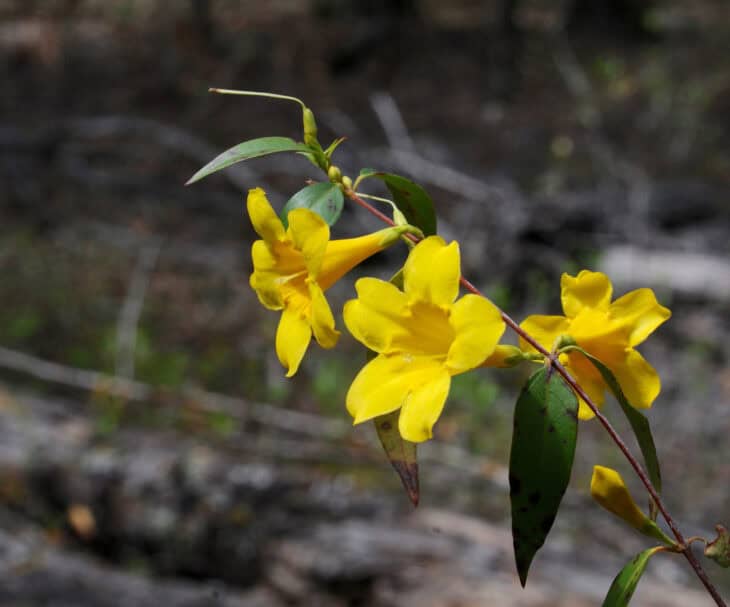
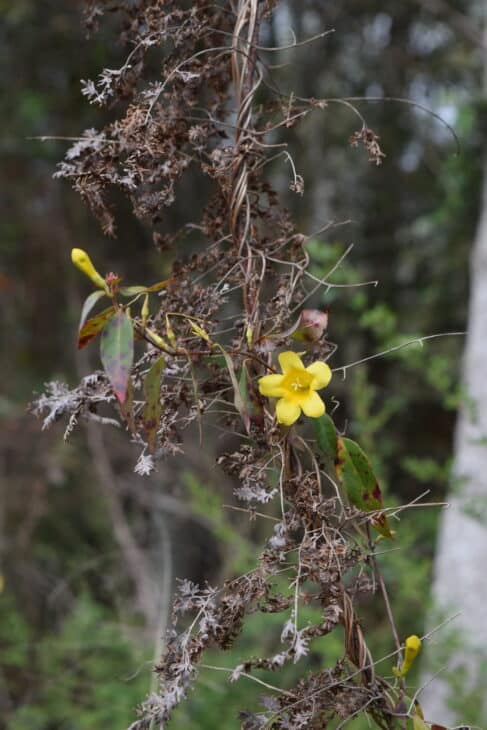
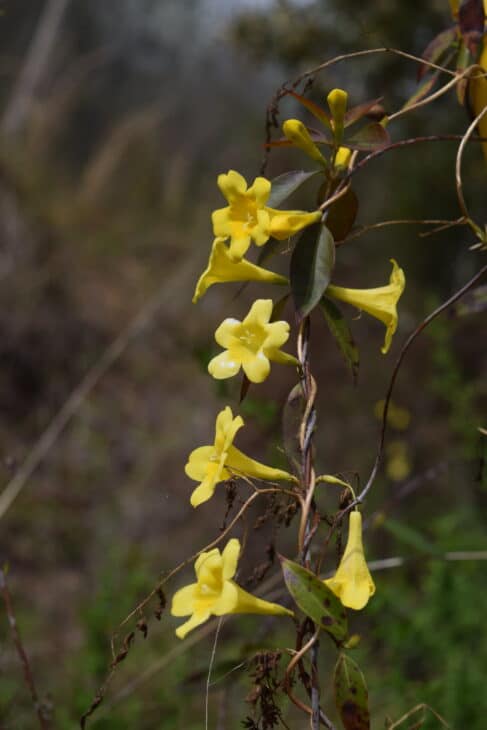
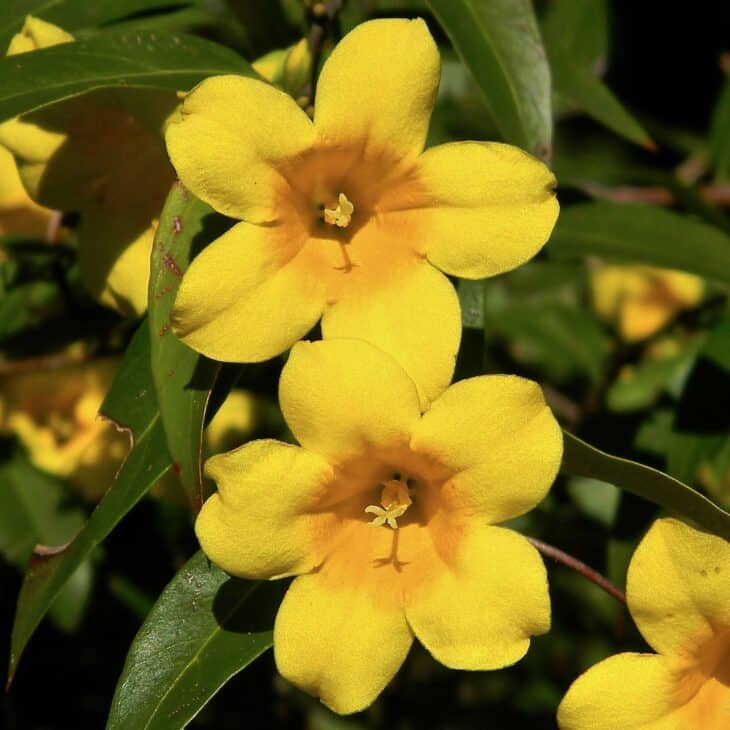
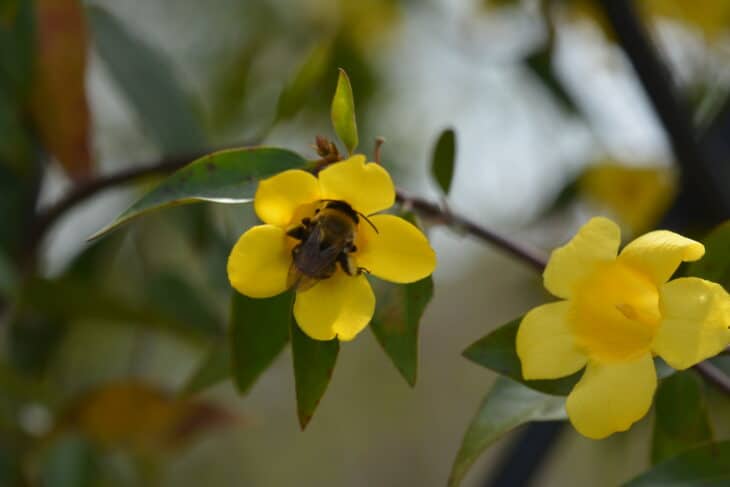
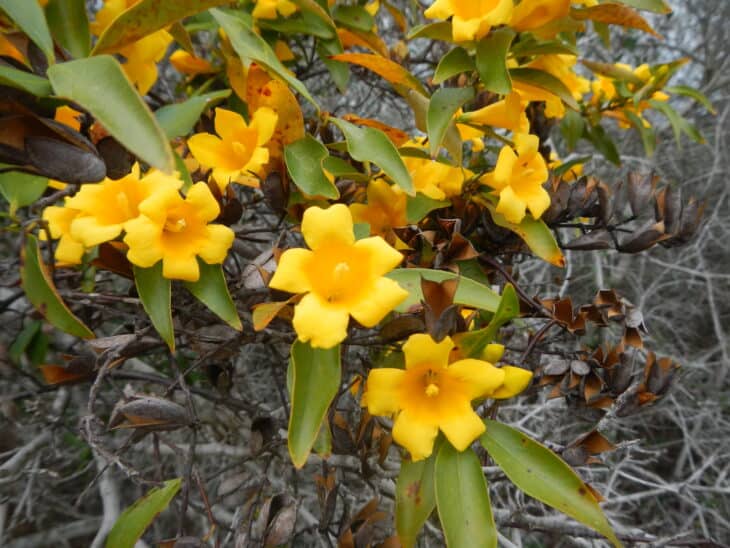
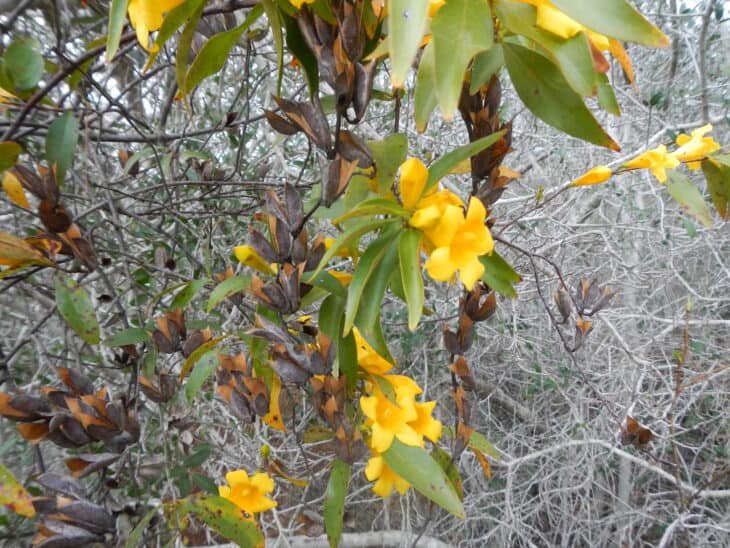
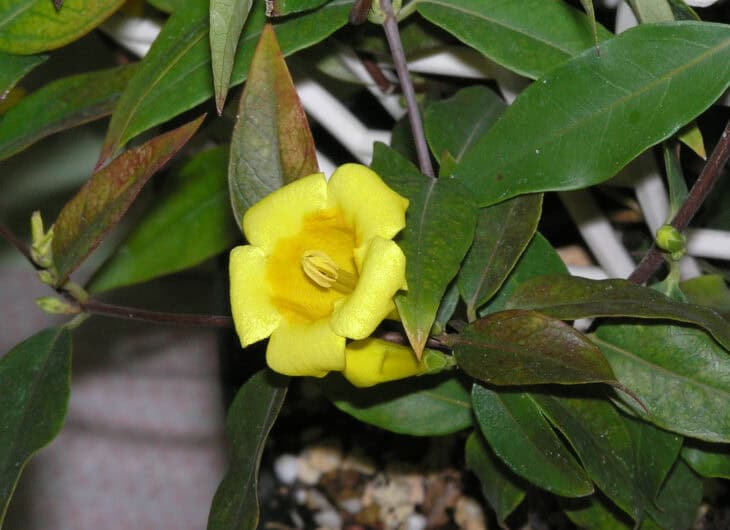
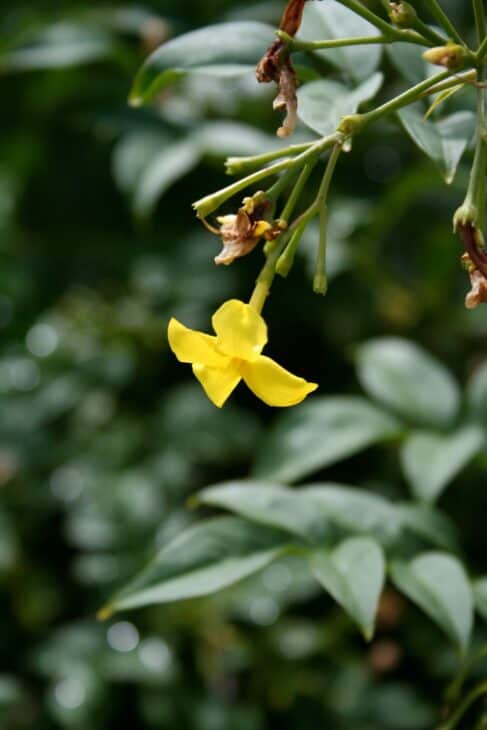
- Fragrant yellow tubular flowers appear in late winter to early spring.
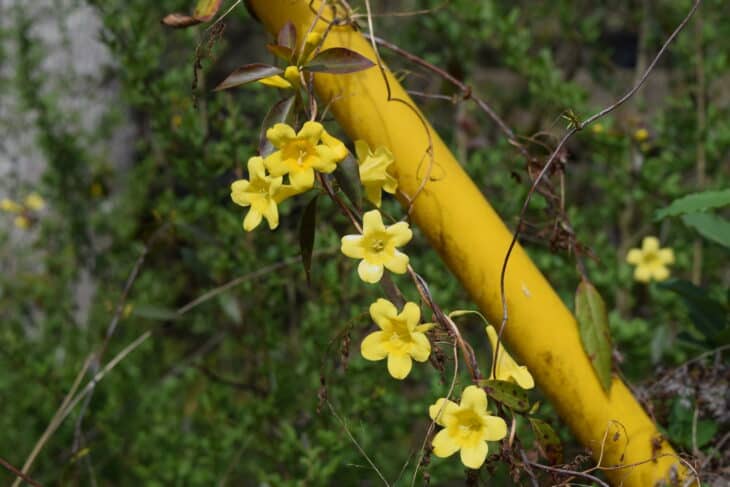
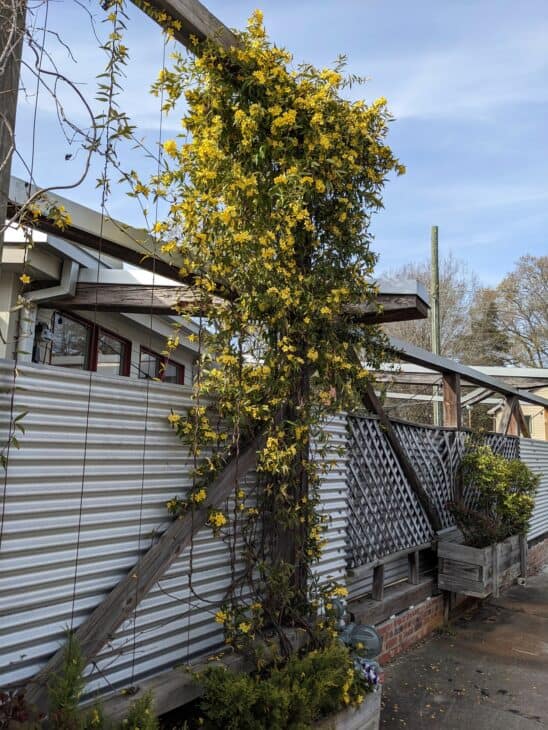
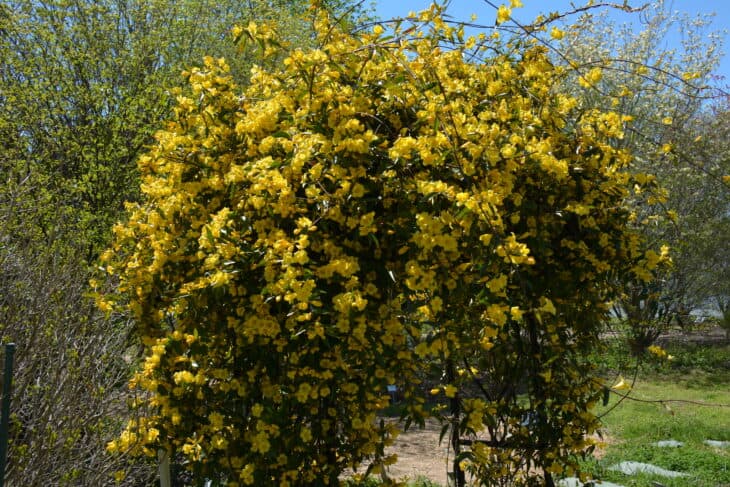
- Useful on trellises, fences, and as a specimen vine.
- Prefers well drained soils and performs best with at least some direct sun.
- Tolerates a range of soil textures but dislikes waterlogged sites.
- All plant parts are poisonous if ingested.
- Propagated by layering and cuttings for reliable results.
- Semi evergreen to evergreen depending on winter severity.
Carolina Jessamine is an evergreen woody twining vine prized for fragrant yellow tubular flowers that appear in late winter to early spring. It works well on trellises fences and as a specimen climber in warm climate landscapes while requiring careful placement because all plant parts are poisonous.
Identification and key traits
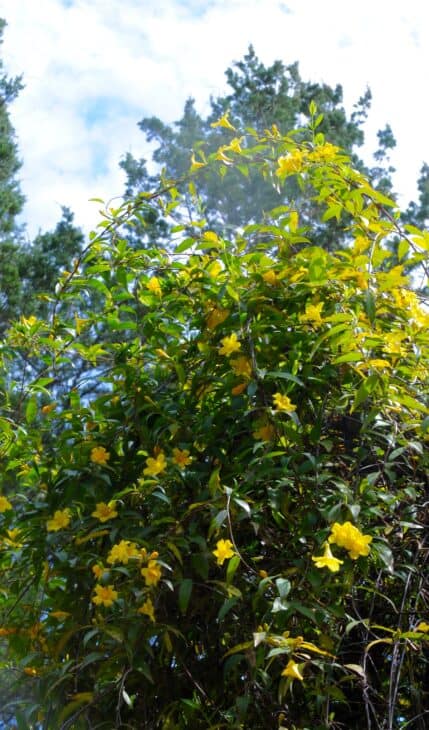
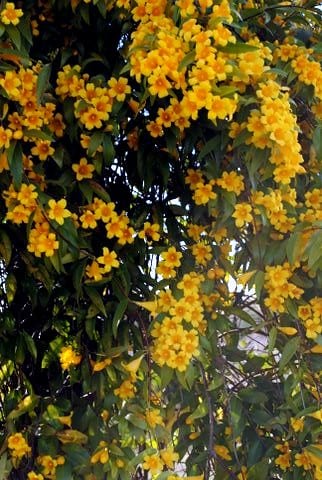
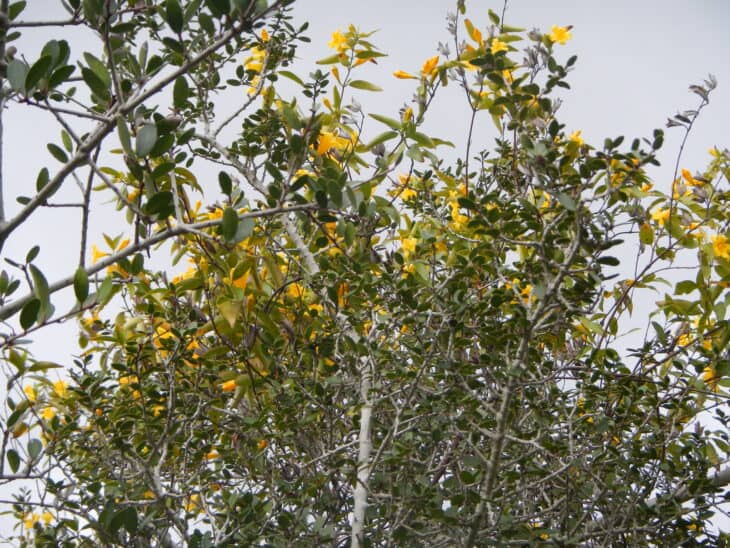
Evergreen to semi evergreen depending on winter severity Carolina Jessamine reaches about 10 to 20 feet when supported and spreads roughly 6 to 12 feet when trained. Bright yellow tubular flowers appear late winter into early spring and a strong fragrance helps identify blooms before many other plants leaf out.
Best uses and where to grow
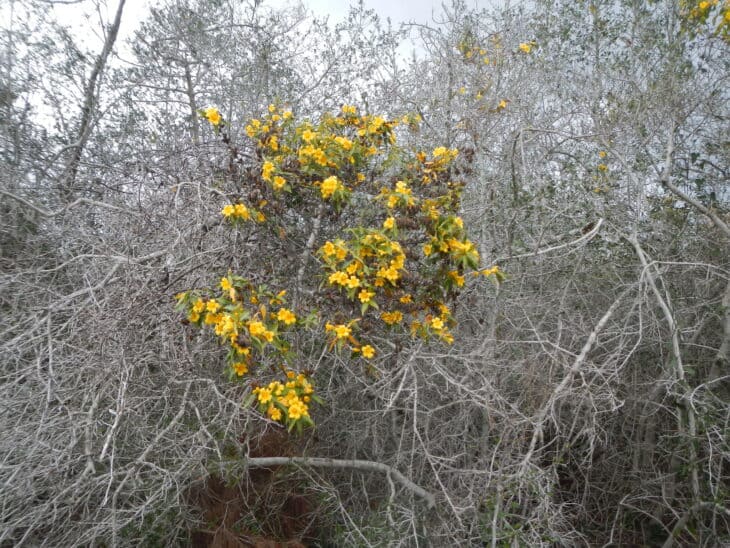
Use this vine on trellises fences arbors and as a focal climbing specimen in USDA zones 7 to 9. It suits warm climate borders and coastal sites where winters are mild. In cooler areas expect dieback to the crown and treat as a seasonal framework plant rather than a fully evergreen screen.
Soil and light
Plant in well drained soils of average fertility and avoid waterlogged sites that cause root decline. Carolina Jessamine tolerates sand loam and clay where drainage is adequate and flowers best in full sun while tolerating part shade. Slightly acidic to neutral pH is commonly acceptable.
Planting and spacing
Place plants where they can climb and breathe avoiding low wet spots. Space plants to match expected mature spread roughly 6 to 12 feet apart when training multiple vines so foliage and blooms have room. Do not bury the crown deeply and firm soil gently after planting to remove large air pockets.
Watering and drainage
Keep newly planted vines evenly moist until established and then water to maintain active growth. Persistent wet soil leads to root decline and reduced vigor while well drained soil prevents dieback. Watch for yellowing or wilting in poorly drained ground which usually indicates saturated roots.
After flowering care and size control
Light pruning after flowering helps control size encourages lateral flowering and maintains an open framework on supports. Heavier pruning can reduce size but expect variable regrowth depending on winter damage and cultivar vigor. Training onto a sturdy support reduces accidental spread into other plantings.
Propagation
Layering and semi hardwood cuttings are the most reliable propagation methods and produce plants true to the parent. Seed propagation is possible but slower and less common in horticulture. Layering is especially useful for establishing a new vine in place with minimal disturbance.
Toxicity and safety
All parts of Carolina Jessamine are poisonous if ingested to humans and animals so place away from children and pets and avoid using prunings where pets could chew. Confirm symptoms and emergency steps with local poison control and veterinary resources before planting in areas with vulnerable animals.
Frequently asked questions
- How fast does Carolina Jessamine grow?
- Growth rate varies with site and support but plants commonly reach 10 to 20 feet over several seasons under favorable light and soil conditions.
- Is Carolina Jessamine evergreen?
- It is evergreen to semi evergreen depending on winter severity with more dieback in colder climates and more persistent foliage in warmer zones.
- What light conditions produce the best blooms?
- Full sun produces the most abundant flowering while part shade is tolerated with reduced bloom intensity.
- How should I control spread and climbing habit?
- Train the vine onto support and prune after flowering to limit spread. Regular pruning keeps it from overwhelming nearby shrubs or structures.
- How do I propagate Carolina Jessamine?
- Use layering or semi hardwood cuttings for reliable results. Seed propagation is slower and less commonly used by growers.
- Is Carolina Jessamine poisonous to pets?
- Yes all parts are poisonous if ingested so keep plants out of reach and consult veterinary poison resources for guidance.
Gallery
Related Plants


Mentioned In (6)

Plants
25 Poisonous Plants in Massachusetts
There are a few types of dangerous plants in Massachusetts. Some individuals, especially youngsters and animals, may be drawn to…
Plants
24 Poisonous Plants in Alabama
There are dangers lurking in the world of toxic plants, even those that look harmless. Many plants contain poisons that…

Plants
24 Poisonous Plants in Tennessee
Interested in learning about the poisonous plants in Tennessee to protect yourself when hiking the great outdoors in the state?…
Plants
23 Poisonous Plants in Arkansas
Arkansas is home to a wide range of flora that may be found in backyards, fields, forests, and hiking routes.…

Plants
22 Poisonous Plants in Arizona
Arizona is home to a hot and dry climate, which is generally a place where poisonous plants can thrive. These…

Plants
14 Poisonous Plants in South Carolina
South Carolina is blessed with a vast array of some of the most stunning flora and fauna, with vivid hues…