
Key Facts
- Small tropical fern with glossy heart shaped fronds.
- Grown commonly as a houseplant or in warm shaded gardens.
- Does not flower and reproduces by spores and by division.
- Prefers consistently moist but well draining potting mix.
- Does best in bright indirect light and dislikes hot direct sun.
- Often kept in terrariums, hanging baskets, or shallow pots.
- Generally treated as tender outdoors and brought inside in cool climates.
Heart Leaf Fern is prized for its glossy heart shaped fronds and compact habit, making it a popular choice for terrariums, hanging baskets and shaded indoor spots. Read our simple care steps to keep this tender tropical fern healthy without overwatering or burning its delicate leaves.
Identification
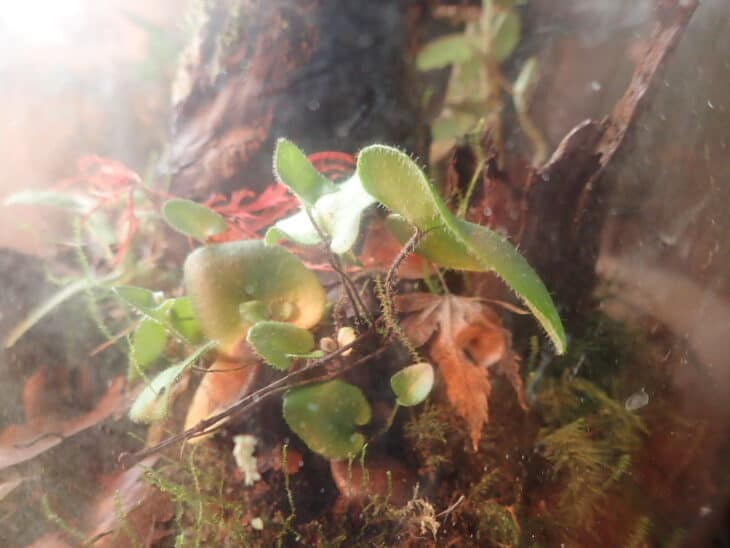
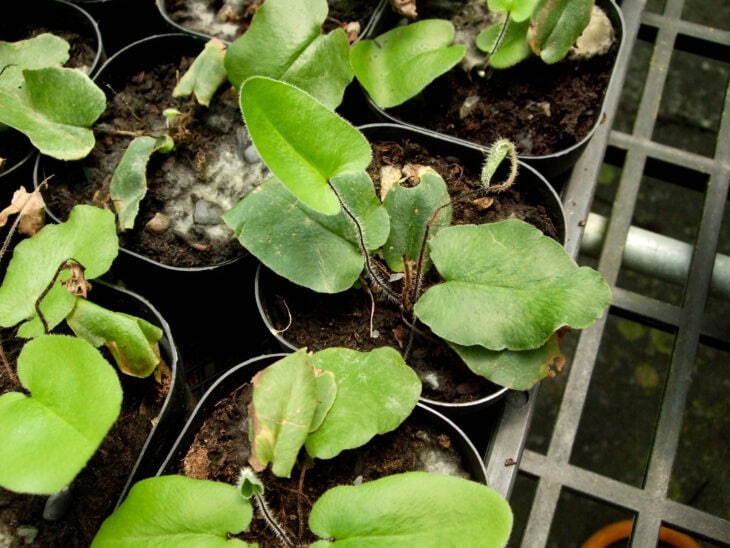
Hemionitis arifolia has small, glossy fronds that are broadly heart shaped. It is a true fern so it does not produce flowers and spreads by spores and by division of clumps.
Where to grow and best uses
Grow Heart Leaf Fern as a houseplant in most climates or outdoors in warm shaded gardens. It is often used in terrariums, hanging baskets or shallow pots where its compact size and glossy leaves show well.
When grown outdoors plant only in frost free locations. Many guides recommend treating it as a tender tropical plant suitable for USDA zones 10 to 11 for outdoor planting. In cooler regions keep it as a houseplant or move it indoors before cold weather.
Light and placement
Provide bright indirect light to partial shade. Avoid hot direct sun which can scorch the fronds. It tolerates lower light indoors but expect slower, less vigorous growth in dim corners.
Soil and potting
Use a rich, moisture retaining yet well drained potting mix such as a peat or coir based mix with added drainage. Avoid heavy, waterlogged soils. Choose a shallow pot or hanging basket to suit the ferns compact rooting habit and to keep moisture evenly available.
Watering
Keep the potting mix consistently moist without allowing the root zone to remain saturated. Too little water causes fronds to brown and curl while standing water can lead to rot. In terrariums and humid sites you can reduce watering frequency because ambient humidity helps keep the soil damp.
Size and spread
Fronds commonly reach about 4 to 8 inches above the crown and plants typically form small clumps that spread roughly 6 to 12 inches under good conditions. Size and spread vary with cultivar and growing conditions.
Propagation
Propagation is commonly by division of clumps for the quickest, true to type results. Like other ferns it can also be grown from spores, though spore propagation requires more time and specific conditions to succeed.
Maintenance and common problems
Remove yellowing or damaged fronds to keep the plant tidy. Watch for overwatering signs such as mushy crowns and for under watering signs such as crispy leaf edges. Lower light and dry air tend to slow growth. Scale and aphids are occasional pests on indoor ferns and can be treated with physical removal or appropriate horticultural controls.
Containers and terrariums
Heart Leaf Fern adapts well to terrariums and shallow containers where humidity is higher and watering is easier to regulate. Ensure good air circulation occasionally to reduce the risk of fungal problems in very humid setups.
Frequently asked questions
- How fast does Heart Leaf Fern grow?
- Growth is generally slow to moderate. Rate depends on light humidity and consistent moisture. In bright indirect light with steady moisture you will see steady frond production.
- Heart Leaf Fern indoors vs outdoors?
- Indoors the fern is easier to protect from cold and direct sun. Outdoors plant in warm frost free shaded spots such as USDA zones 10 to 11. In cooler climates keep it as a houseplant or move it inside for winter.
- When should I repot or divide?
- Repot or divide when the plant fills its container or every couple of years in spring. Division is the quickest way to produce new plants.
- Does Heart Leaf Fern flower?
- No. This species is a fern and reproduces by spores rather than producing flowers.
- What soil mix is best?
- A rich moisture retentive yet well drained mix such as peat or coconut coir based potting mix with good drainage works well. Avoid heavy soils that stay waterlogged.
Sources and notes
Information compiled from horticulture references and plant databases. For taxonomic confirmation or region specific hardiness check the linked resources below.
Notes The accepted scientific name and cultivar specifics vary across references. Toxicity information is not comprehensively documented for this species seek poison control or veterinary advice before assuming safety around pets or children.
Gallery
Related Plants


Mentioned In (1)

Plants
8 Plants That Look Like Pothos / Devil’s Ivy (but are not)
Pothos (Epipremnum aurem), also known as devils ivy, are popular tropical vining plants. They are easy to care for and…