
Key Facts
- Trailing perennial often grown as a houseplant.
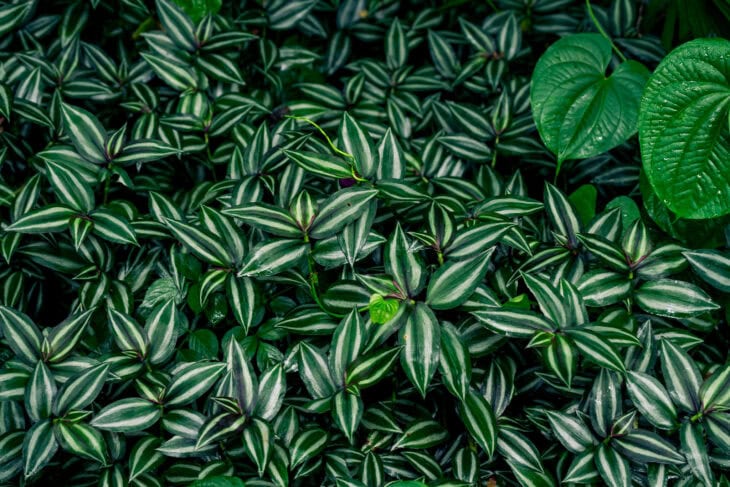
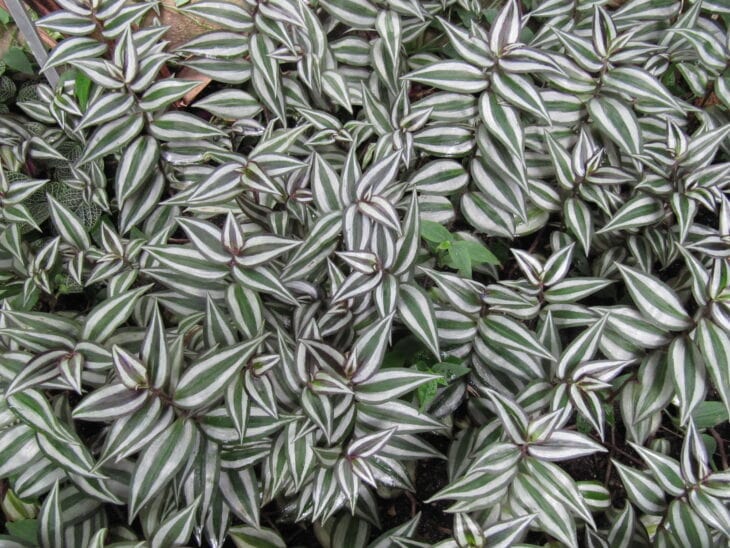
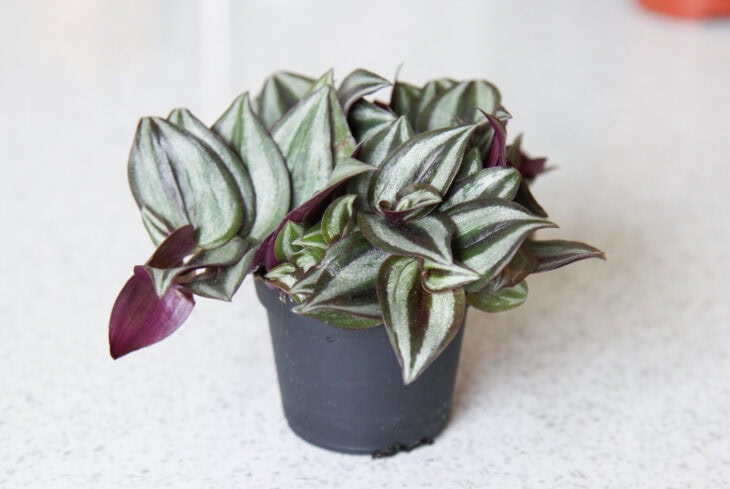
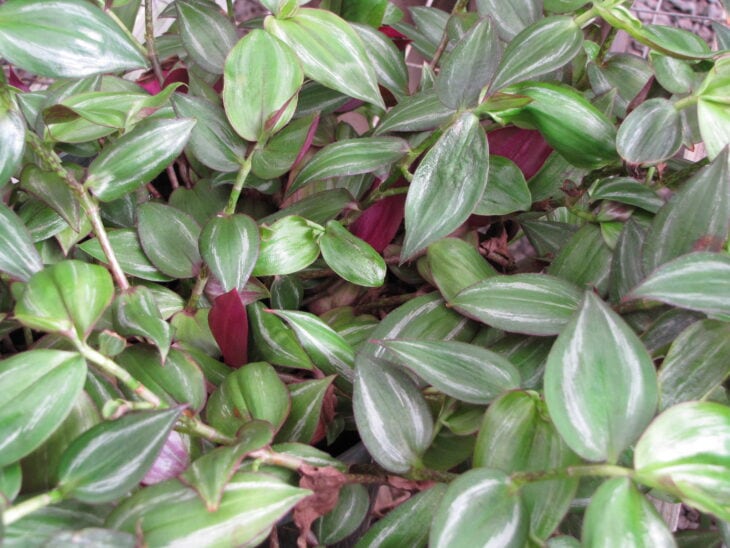
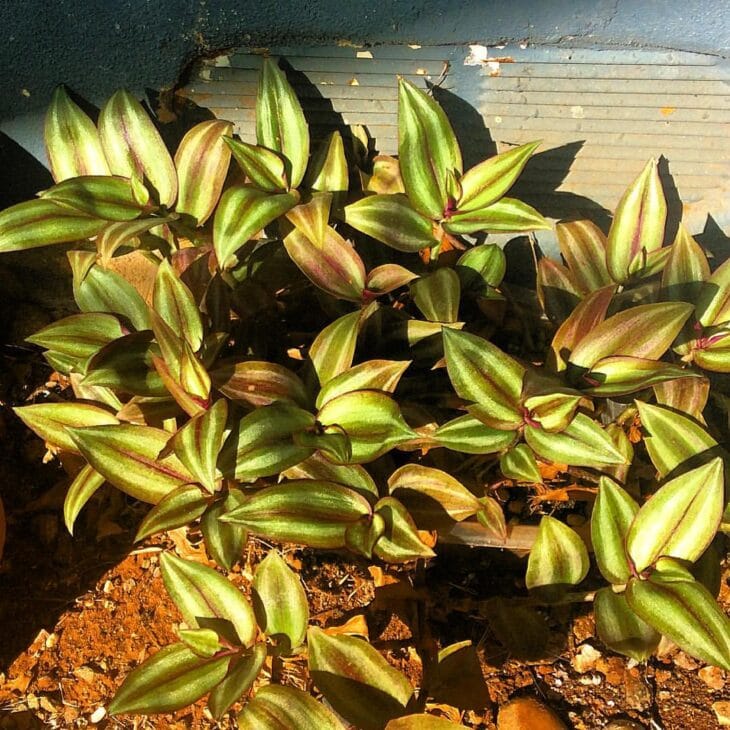
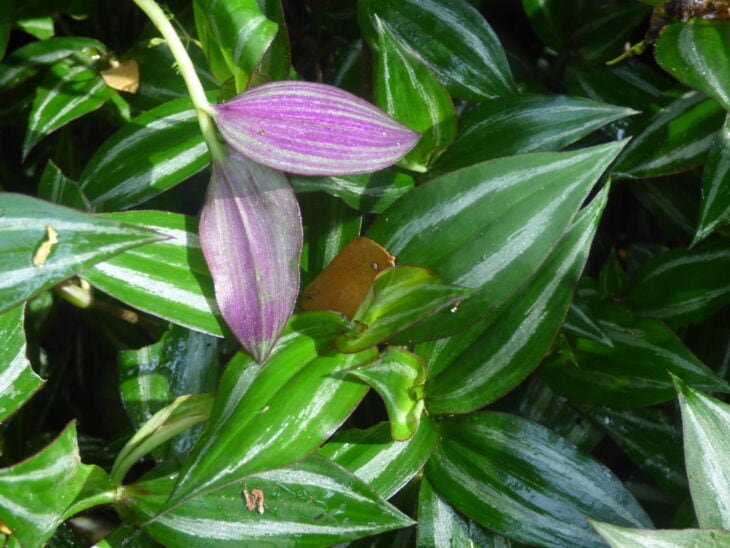
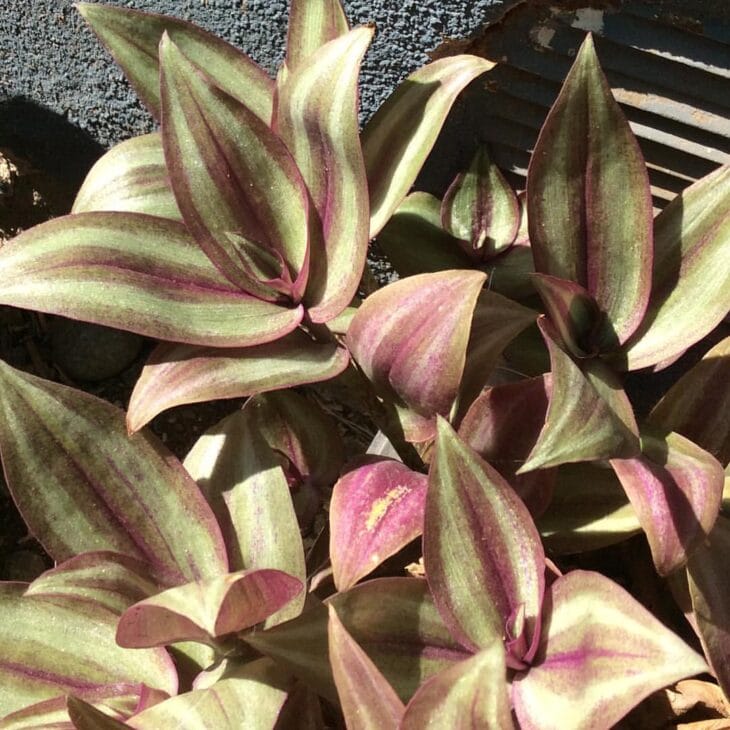
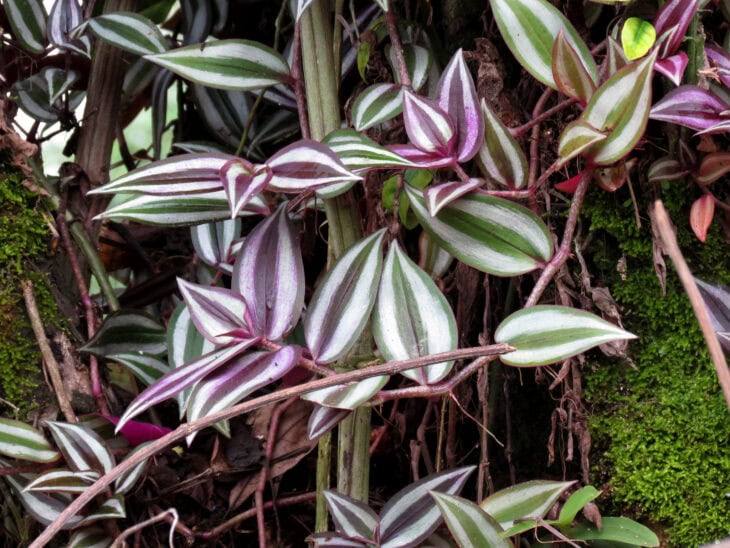
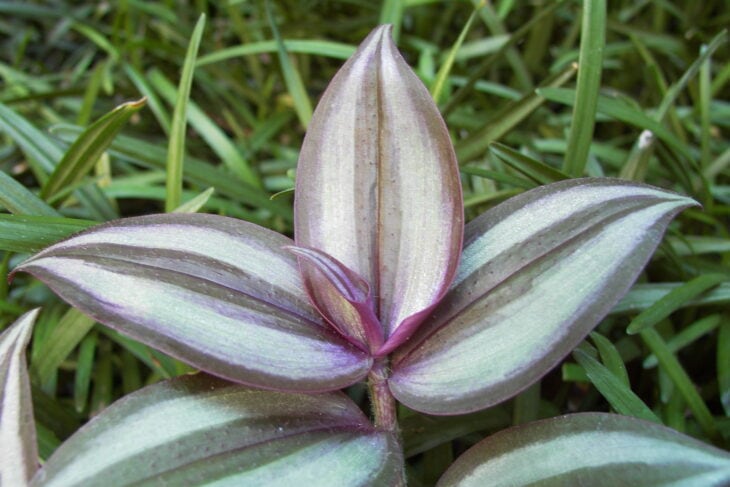
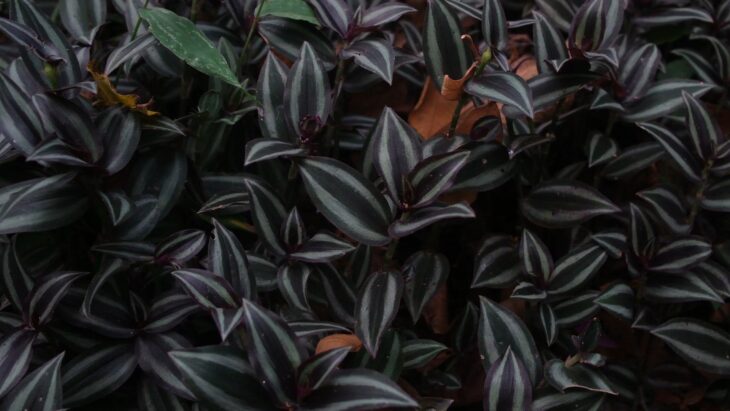
- Leaves are striped purple, silver and green.
- Forms roots at stem nodes and spreads from cuttings.
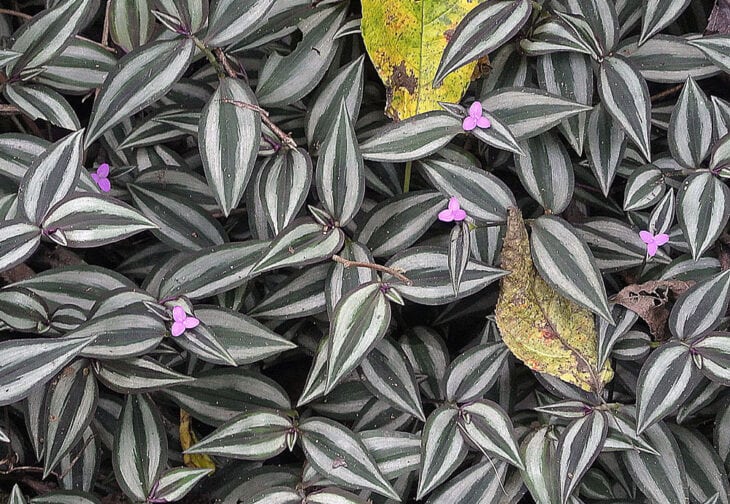
- Small three-petaled purple flowers appear on short stalks.
- Prefers bright indirect light for best leaf color.
- Likes well draining soil and dislikes prolonged waterlogged conditions.
- Temperate to tropical origins so it is not frost hardy.
- Easily propagated by stem cuttings placed in soil or water.
Inch Plant (Tradescantia zebrina) is a trailing perennial grown for its purple, silver and green striped leaves and easy propagation from stem cuttings. It makes a striking hanging basket or low groundcover where frost is absent, but it is frost tender and is usually kept as an indoor plant in cooler climates.
Identification
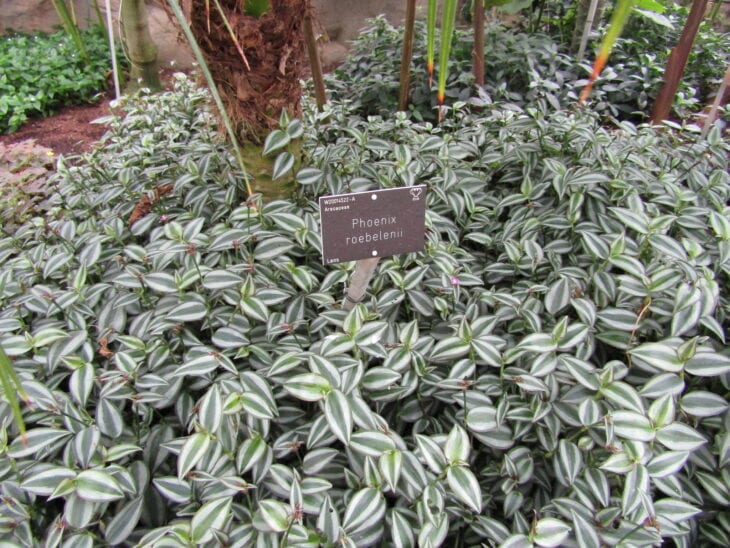
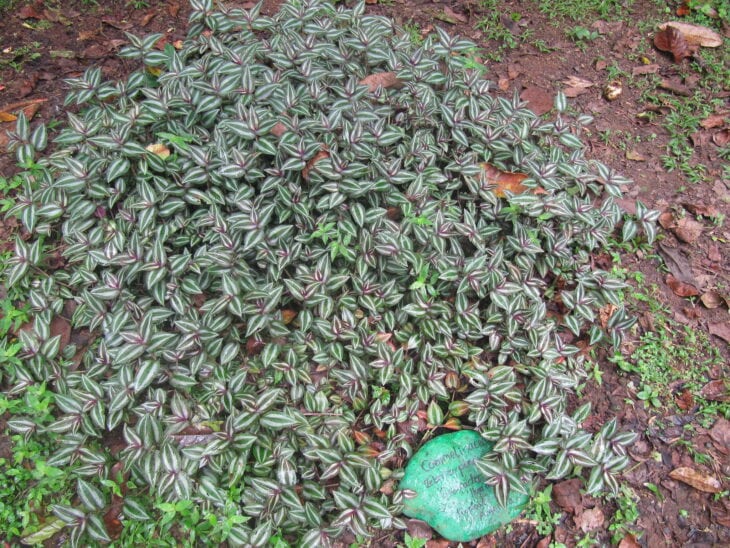
Tradescantia zebrina has glossy, lance-shaped leaves with purple undersides and silver stripes across the upper surface. Stems root at nodes and trail rather than grow upright, typically producing trailing stems about 4 to 12 inches long and forming mats 12 to 36 inches across when allowed to spread. Small three-petaled purple flowers appear intermittently in warm months.
Where to grow and best uses
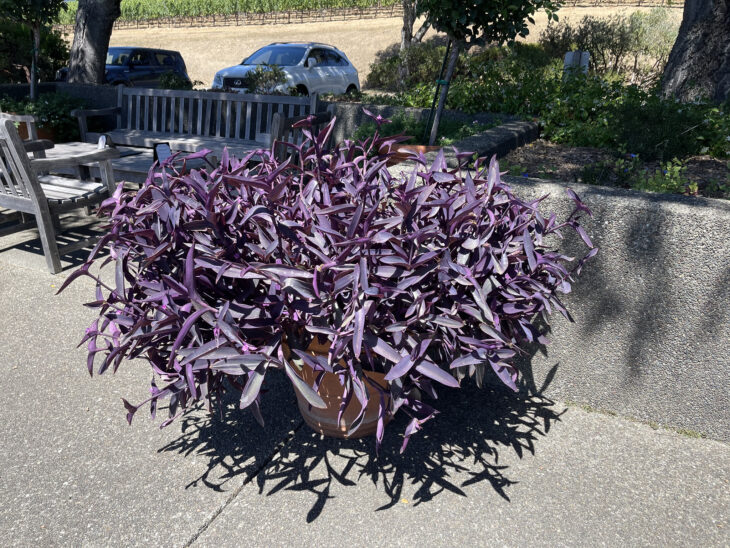
Use Inch Plant as a hanging basket specimen, shelf houseplant or as a low ornamental groundcover in warm frost free sites. It is usually grown indoors outside USDA zones 9 to 11 where it can survive year round. Bright indirect light brings out the best leaf color while shaded sites reduce variegation.
Light
Bright indirect light or partial sun produces the strongest purple and silver striping. Tolerant of lower light, the plant will survive but colors will fade. Avoid prolonged exposure to hot direct midday sun because leaves can scorch and lose their vivid pattern.
Soil and watering
Plant in a well draining potting mix or garden soil with good drainage and moderate fertility. Keep the mix evenly moist while avoiding waterlogged conditions because persistent wet soil leads to root rot. Allow the top of the potting mix to dry slightly between waterings for best results.
Planting and spacing
Plant containers so trailing stems can hang or trail over the edge; when used as a groundcover space plants to allow a 12 to 36 inch mature spread. In cooler climates grow in containers and move indoors before frost; in warm, frost free sites it can persist and spread in beds or hanging planters.
Propagation and maintenance
Root stem cuttings easily in water or moist potting mix at the nodes and keep them warm in bright indirect light while they root. Regular trimming keeps growth compact and prevents legginess. Divide congested mats or take cuttings to refresh containers and replace sparse sections.
Controlling spread and common concerns
Stems root at nodes and can form mats or hang well beyond containers, so prune runners to limit spread or grow in hanging baskets and pots to contain vigor. Avoid heavy, poorly drained soils to reduce root disease. Sap can cause mild skin irritation in sensitive people and ingestion may upset pets; consult a veterinarian or poison control for suspected poisoning.
Frequently asked questions
- How fast does Inch Plant grow?
- Growth can be rapid in warm, bright conditions with regular moisture. Stems commonly reach several inches to about 30 cm and plants can form mats or hang beyond container edges within a single growing season.
- Is Inch Plant safe for pets?
- Tradescantia species are not listed as highly toxic by some authorities but sap can cause skin irritation and ingestion may cause mild gastrointestinal upset. Consult a veterinarian or poison control if an animal shows symptoms.
- Can I root cuttings in water?
- Yes. Stem cuttings root readily at the nodes in water or in moist potting mix. Keep cuttings in bright indirect light until roots form and then transplant to soil if desired.
- How often should I water Inch Plant?
- Keep soil moderately moist but never waterlogged. Allow the top of the potting mix to dry slightly between waterings to avoid root rot and yellowing leaves.
- Does it need full sun?
- No. Bright indirect light or partial sun gives the best leaf color. Prolonged hot direct sun can scorch foliage while low light reduces variegation.
Gallery
Related Plants


Mentioned In (1)
Plants
7 Plants That Look Like Wandering Jew (Inch plant)
The Wandering Jew plant or Inch Plant as they are commonly known, are incredibly diverse. With a wide variety of…