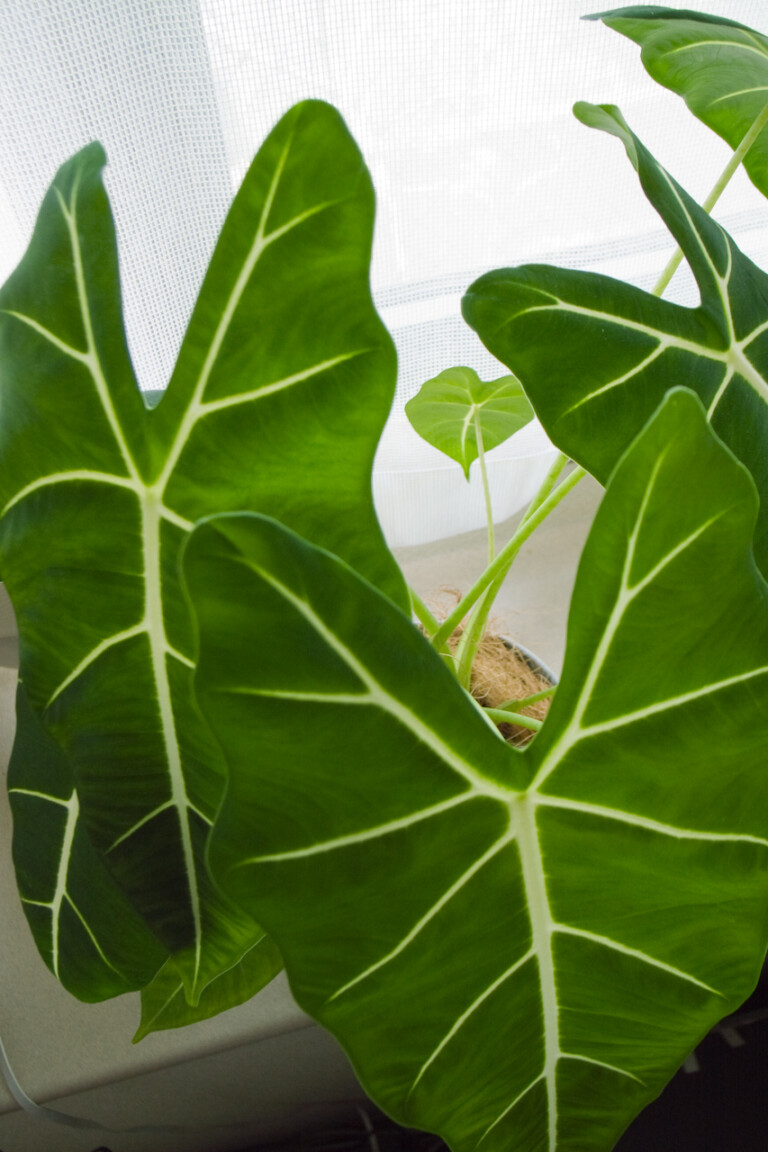
Key Facts
- Cultivar of Spathiphyllum commonly grown as a houseplant.
- Named Picasso likely for its distinctive foliage patterning.
- Typically kept for glossy foliage and white spathes.
- Prefers bright indirect light and consistent moisture.
- Usually propagated by division at repotting.
- Toxic if ingested due to calcium oxalate crystals.
Picasso Peace Lily is a compact Spathiphyllum cultivar grown for glossy foliage and occasional white spathes, often favored as an indoor clumping houseplant. It offers attractive leaves and flowers but contains calcium oxalate crystals that make it toxic to pets and people if chewed.
Identification
Picasso Peace Lily is a cultivar of Spathiphyllum noted for glossy green leaves and white spathes. The cultivar name Picasso likely refers to distinctive foliage patterning reported by some growers. Plants remain relatively compact and commonly reach about 12 to 24 inches tall with a similar spread in container culture.
Best uses and where to grow
Use Picasso Peace Lily primarily as an indoor ornamental in homes and offices where bright indirect light is available. In warm frost free climates such as USDA 10 to 12 it can be grown outdoors but most gardeners keep it in containers to protect foliage from cold and to control size. Keep this plant away from pets and children.
Light and soil
Bright indirect light is ideal and the plant tolerates lower light with reduced flowering. Choose a rich, loose potting mix that drains well yet holds moisture. Aim for a slightly acidic to neutral range. Avoid heavy or waterlogged soils because poor drainage leads to root decline and yellowing leaves.
Watering and visible responses
Maintain consistent moisture without letting the pot sit in water. When soil becomes too dry the plant will wilt quickly and leaves will droop. Overwatering causes root rot and yellow leaves. Adjust watering based on the plant’s appearance and pot drainage and increase moisture during active growth for better flowering.
Planting spacing and containers
Picasso Peace Lily forms a clumping rosette and typically spreads about 12 to 24 inches in a pot. Choose a container that allows that spread and repot to refresh the medium or divide the clump as needed. Plant at the same depth the crown currently sits at in its nursery pot to avoid burying the crown.
Blooming and after flowering care
Indoors this cultivar can bloom intermittently year round with more frequent flowering in spring and summer under good light and moisture. Remove spent spathes by cutting the flower stalk at its base. After flowering keep consistent moisture and moderate light to encourage future blooms and prevent stress to the foliage.
Propagation and controlling spread
The most reliable method is division at repotting. Separate the clump so each section has roots and several leaves then pot individually. The plant has a clumping habit and rarely naturalizes aggressively. Control size and spread by regular division and by keeping plants in appropriately sized containers.
Toxicity and common problems
All parts contain calcium oxalate crystals and are toxic if chewed causing oral irritation, drooling and vomiting in pets and people. Skin contact may irritate sensitive individuals. Keep the plant out of reach and seek veterinary or medical advice if ingestion occurs. Watch for yellowing from overwatering and brown leaf tips from inconsistent moisture.
Frequently asked questions
- How fast does Picasso Peace Lily grow?
- Growth is moderate and depends on light and care. Under good indoor conditions plants commonly reach the cultivar’s typical 12 to 24 inch size over several growing seasons.
- Is Picasso Peace Lily safe for pets?
- No. It contains calcium oxalate crystals that cause oral and gastrointestinal irritation in cats and dogs and can irritate humans if chewed.
- Can I grow Picasso Peace Lily outdoors?
- Only in warm frost free regions such as USDA zones 10 to 12. Elsewhere keep it in containers so it can be moved indoors before cold weather.
- How often should I water Picasso Peace Lily?
- Keep the soil evenly moist but not waterlogged. Wilting signals the need for water and persistent yellowing or soft roots indicate excessive moisture.
- When should I repot or divide?
- Repot or divide when the plant becomes rootbound or when you want to refresh the potting mix. Division is easiest during repotting and ensures each section has healthy roots and leaves.
Related Plants