
Key Facts
- Evergreen shrub or small tree with glossy dark green leaves.
- Produces single to double showy flowers in late winter to spring.
- Prefers acidic, organic, well drained soil.
- Performs best in partial shade with protection from hot afternoon sun.
- Hardy primarily in USDA zones 7–9 with sheltered plants sometimes surviving colder sites.
- Commonly propagated by semi‑hardwood cuttings, grafting, or layering.
- Used as specimen plants, hedges, and foundation shrubs.
- Generally considered non toxic to cats and dogs.
Japanese Camellia (Camellia japonica) is an evergreen shrub or small tree prized for glossy dark green leaves and large single to double flowers that appear from late winter into spring. It works well as a specimen, hedge or foundation shrub when planted in part shade and acidic, well drained soil.
Identification
Evergreen with glossy dark green leaves and showy single to double flowers in late winter to spring. Mature size varies by cultivar but many garden forms reach roughly 4 to 12 feet tall and wide. Flower form and timing vary by cultivar and local climate so bloom length and exact appearance will differ between varieties.
Best places to grow and common uses
Use Japanese Camellia as a focal specimen, a sheltered foundation shrub or a formal or informal hedge. It performs best in protected sites with morning sun and afternoon shade and is hardy mainly in USDA zones 7 to 9 with some sheltered plants surviving colder spots. Exposed sites risk bud and blossom loss in frost.
Soil and light
Prefers rich, organic, well drained soil with an acidic pH around 5.5 to 6.5. Avoid waterlogged or strongly alkaline soils which lead to root decline or iron chlorosis. Plant in part shade or filtered sun with protection from hot afternoon exposure to reduce leaf scorch and improve flowering.
Planting and spacing
Space plants according to their mature spread which commonly ranges from about 4 to 12 feet depending on the cultivar and training. Siting in a sheltered position reduces winter damage and encourages better flowering. Place plants where roots will stay cool and soil drains freely.
Watering and mulch
Keep soil evenly moist but not waterlogged. Poor drainage leads to root decline and yellowing. Apply a 2 to 3 inch layer of organic mulch to conserve moisture, moderate soil temperature and protect surface roots. Replenish mulch as it breaks down and keep it pulled slightly away from the stem base.
After-flowering care and pruning
Lightly prune to shape and remove crossing or dead branches to maintain size and air flow. Many cultivars are selected for compact habit so minimal pruning is needed. Avoid heavy pruning into old wood unless you know the cultivar tolerates it because flowering develops on older shoots.
Propagation
Common propagation methods are semi-hardwood cuttings, grafting and layering. Grafting preserves named cultivar traits while seed produces variable offspring and is mainly used for breeding. Layering and cuttings are reliable ways to reproduce a plant with the same characteristics as the parent.
Pests, weather risks and toxicity
Major toxicology concerns are not reported for Camellia japonica and the species is generally considered non toxic to dogs and cats. Frost can damage buds and cold sites may cause winter dieback. Leaf scorch happens in hot, exposed positions. Monitor for general shrub pests and treat as needed.
Frequently asked questions
- How fast does Japanese Camellia grow?
- Growth rate varies by cultivar and site. Many garden forms reach a mature range of about 4 to 12 feet over several years, with establishment and vigor influenced by soil, light and climate.
- Is Japanese Camellia hardy in my area?
- Camellia japonica is mainly hardy in USDA zones 7 to 9. Some sheltered plants tolerate colder sites but exposed locations are prone to bud and blossom loss and winter dieback.
- What soil pH does it need?
- It prefers acidic soil around pH 5.5 to 6.5. Strongly alkaline soils can cause iron chlorosis and poor growth.
- Can I use Japanese Camellia as a hedge?
- Yes. Many cultivars are suited to formal or informal hedges and foundation planting. Space plants to match their mature spread and prune lightly to maintain form.
- Are Japanese Camellias toxic to pets?
- Camellia japonica is generally considered non toxic to dogs and cats. If ingestion or allergic symptoms occur consult a veterinarian or medical professional.
Related Plants

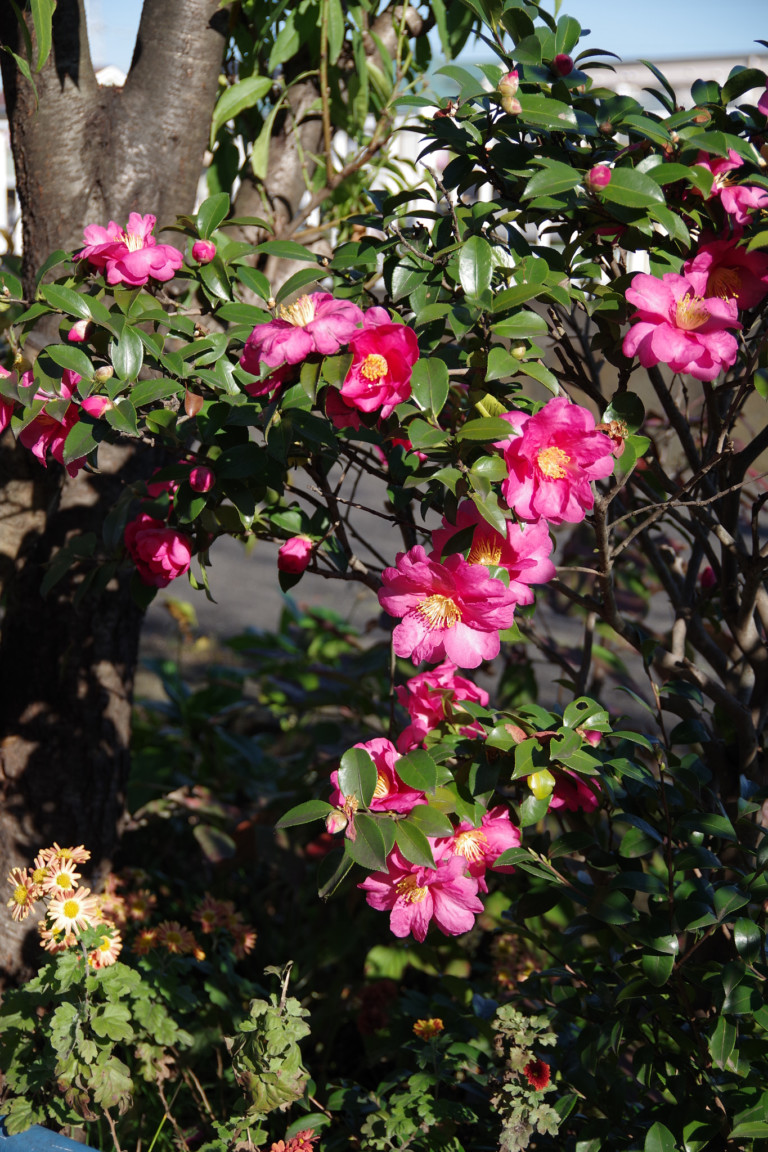
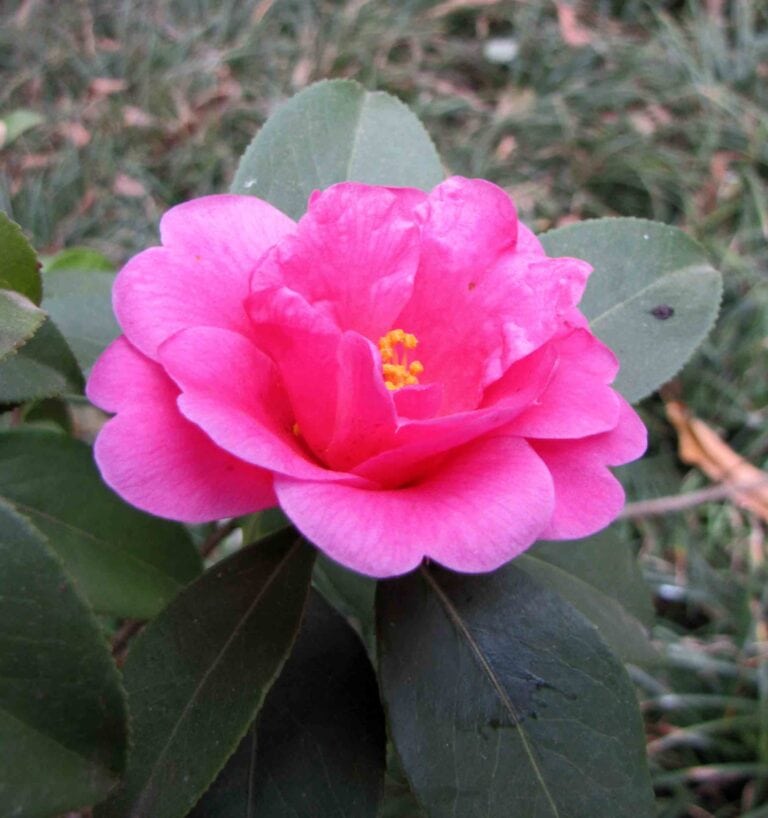
Mentioned In (5)

Plants
The 6 Best Types of Camellia for Your Garden
Few shrubs stop a gardener in their tracks the way a camellia in full bloom can. Glossy dark leaves, perfectly…
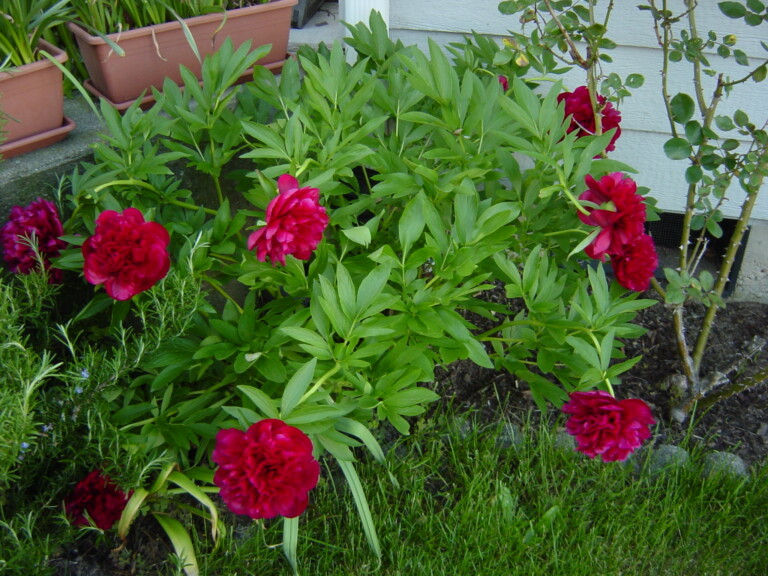
Plants
7 Plants That Look Like Peonies
Peonies are a garden treasure, famous for their luxurious, multi-petaled blooms that unfurl in late spring. But their bloom season…

Trees
31 Most Common Trees in Japan
In the land of the rising sun, trees are a major part of Japan's culture and history. Trees in Japan…
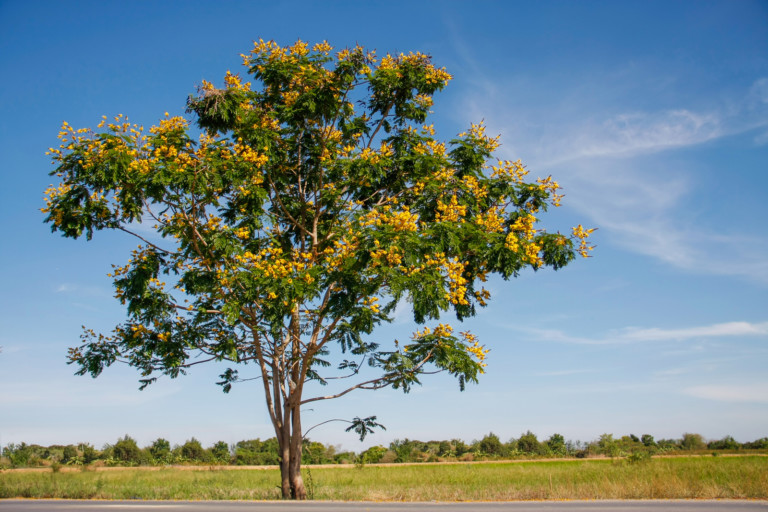
Trees
24 Yellow Flowering Trees in Spring
Do you want to beautify your garden with distinctive, bright yellow flowering trees that bloom in spring? Well, you will…

Trees
34 Gorgeous Flowering Trees For Arkansas
If you’ve just moved to Arkansas and are looking to plant some beautiful flowering trees in your garden, you’re in…